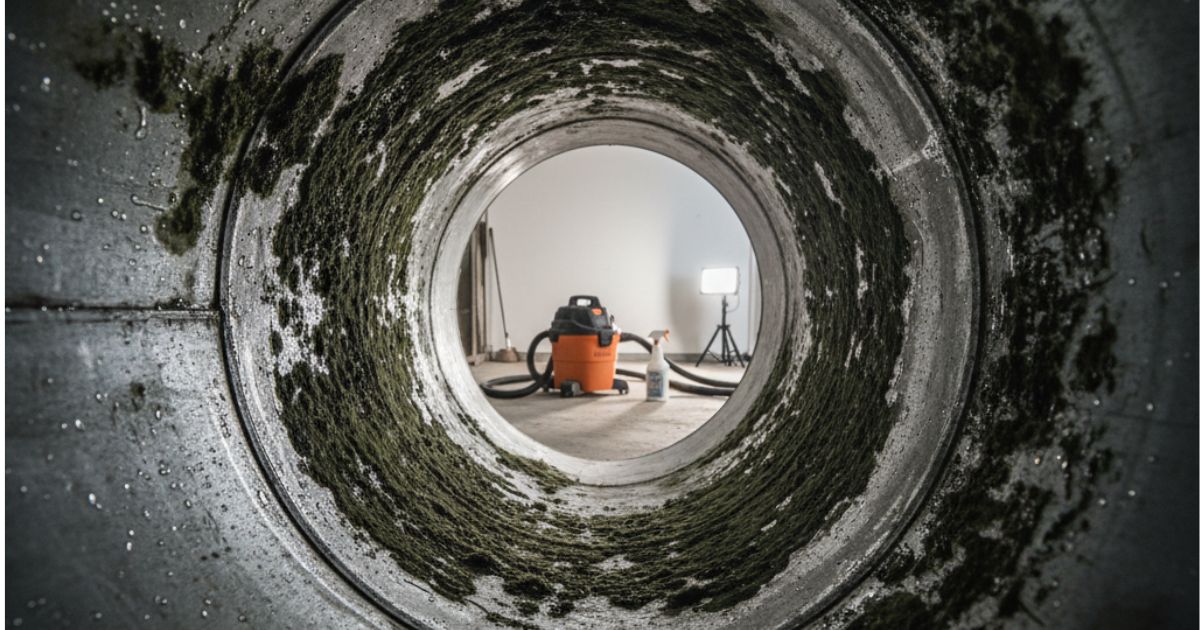
Indoor air quality plays a bigger role in your health than many homeowners realize. While most people think of mold as something that grows on basement walls or bathroom tiles, one of the most dangerous places for mold to thrive is inside your HVAC system. Each time you switch on your air conditioner or heater, the system distributes air throughout the house, and if mold is present in the ducts or air handler, spores spread everywhere with it.
This is why mold remediation is not just another maintenance task. It is a vital process that ensures your home’s air stays safe to breathe, your HVAC system runs efficiently, and your property avoids costly long-term damage. Mold inside HVAC units can be difficult to detect, and without proper HVAC mold treatment, it grows silently until it affects both your health and your home’s structure.
In this guide, we’ll explore everything you need to know about HVAC mold remediation, from identifying early signs and understanding causes, to walking through the professional remediation process. You’ll also discover prevention strategies, cost insights, and reasons why professional HVAC mold cleaning services often save you more money—and stress—than DIY attempts.
What Is HVAC Mold Remediation?
HVAC mold remediation is the process of identifying, removing, and preventing mold growth inside heating, ventilation, and air conditioning systems. Unlike ordinary cleaning, which only targets what’s visible, HVAC mold remediation addresses hidden colonies, airborne spores, and the root causes of mold.
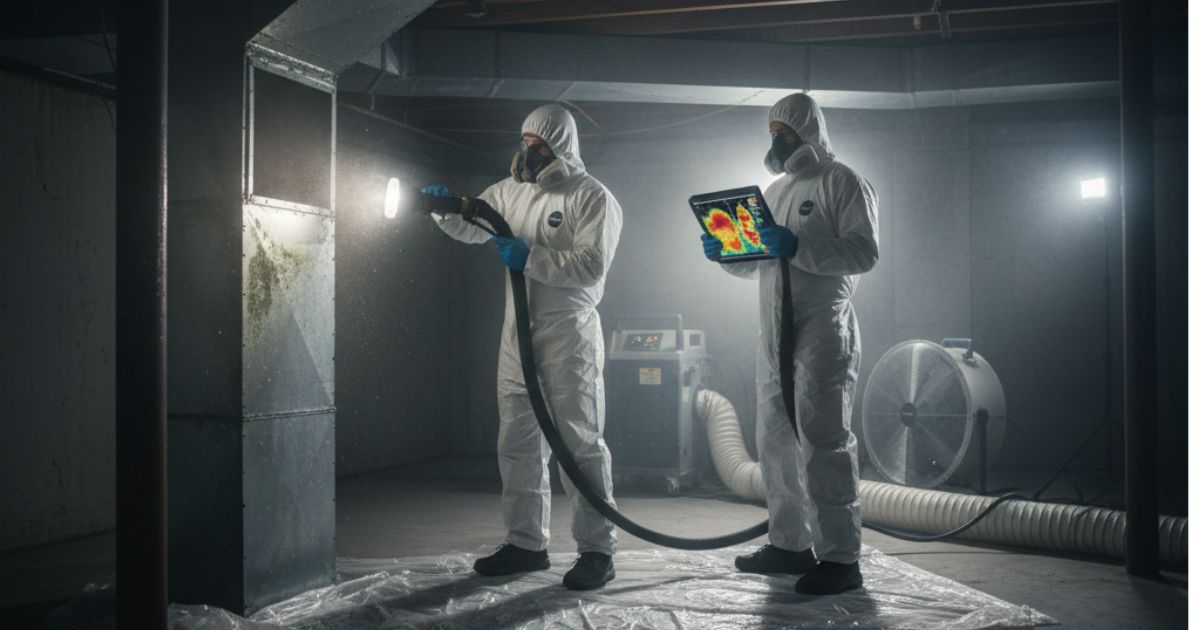
When done correctly, HVAC mold treatment involves a detailed inspection, safe removal of mold-contaminated materials, sanitizing the system, and applying treatments to discourage regrowth. The goal is not just to “clean up” but to restore indoor air quality to safe levels and protect the HVAC system from further damage.
Many homeowners confuse mold cleaning with mold remediation, but the two are not the same. HVAC mold cleaning removes surface growth temporarily, while HVAC mold remediation is a comprehensive strategy that tackles the issue at its source. For example, spraying bleach on a vent might mask stains, but it will not eliminate the spores hiding deeper inside HVAC ductwork. HVAC mold remediation ensures those spores are properly removed and conditions are corrected to stop recurrence.
Why Is HVAC Mold Remediation Important?
Mold inside HVAC systems is not just a nuisance, it is a serious risk to both health and property. The dark, damp, and often dusty environment inside ductwork creates ideal conditions for mold to multiply. Once spores are established, every cycle of your HVAC unit pushes them into your living spaces, affecting the air you breathe.
From a health perspective, exposure to mold spores can trigger allergies, asthma attacks, chronic coughing, and even severe respiratory infections in vulnerable individuals. Children, seniors, and those with weakened immune systems are particularly at risk. Studies have linked long-term mold exposure to persistent fatigue, headaches, and sinus problems that only improve once the contaminated environment is cleaned.
From a property standpoint, ignoring mold can reduce HVAC efficiency. Mold growing on coils and filters restricts airflow, forcing the system to work harder and consume more energy. Over time, this can lead to breakdowns, frequent repairs, and even the need for premature replacement of major components. In severe cases, mold damage HVAC repair may be necessary, and mold-damaged ductwork must be removed and replaced, which is significantly more expensive than early HVAC mold remediation.
Ultimately, HVAC mold remediation is essential for maintaining both a healthy home and a cost-efficient system. It’s an investment that protects your family’s well-being and preserves the value of your property.
Signs of Mold in Your HVAC System
Mold inside an HVAC system is often tricky to spot. Unlike mold on walls or ceilings, which becomes visible quickly, HVAC mold usually hides inside ductwork, coils, and vents. That means the problem may be affecting your indoor air quality long before you notice anything unusual. Recognizing the early warning signs can save you from major damage and expensive repairs later on.
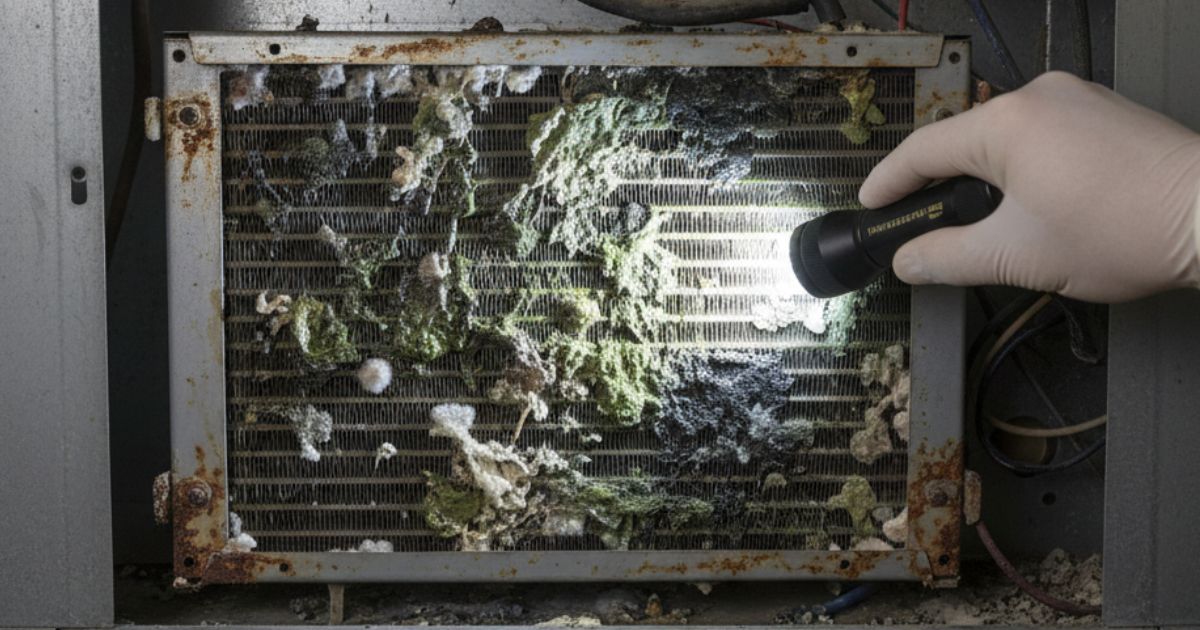
Musty or Earthy Odors
One of the most common signs of mold in HVAC systems is a persistent musty smell. If you notice this odor every time your air conditioner or heater runs, chances are mold is present somewhere in the ductwork or air handler. The smell often lingers even after the system is turned off because spores have already spread into the living space.
Visible Mold Growth Around Vents
Sometimes mold makes itself visible at supply vents or registers. You may notice black, green, or white patches forming around the openings. While these spots are easy to wipe away, they usually signal a larger issue deeper inside the ducts. Treating only what you see on the surface will not eliminate the actual source of contamination.
Increased Allergy Symptoms
If family members begin experiencing unexplained allergy symptoms indoors, such as sneezing, itchy eyes, or a persistent cough, it may be related to mold spores circulating through the system. Symptoms that worsen when the HVAC is running are particularly strong indicators that mold could be present.
Excess Moisture or Condensation
Condensation forming on or around HVAC components, such as the evaporator coils or drip pans, creates conditions for mold growth. If moisture is allowed to sit for too long, spores quickly begin multiplying. Pools of water near the air handler or inside ducts are red flags that should not be ignored.
Dust and Debris Accumulation
While dust itself is not mold, it provides a food source for spores. Excessive buildup inside vents and ducts increases the likelihood of mold growth. If you notice heavy dust combined with a musty smell, it’s worth scheduling a professional inspection.
Recognizing these signs early is crucial. The sooner you address the issue, the easier and less expensive remediation will be. Ignoring symptoms allows mold to spread deeper into the system and into every room of your home, making cleanup far more complex.
How Mold Forms in HVAC Ductwork
Understanding how mold develops inside an HVAC system is the first step toward preventing it. Mold spores are naturally present in the air around us, and while they are harmless in small quantities, they become a problem when they find the right conditions to multiply. Unfortunately, HVAC systems often provide those conditions without homeowners even realizing it.
The Role of Moisture and Humidity
Moisture is the single biggest factor that contributes to mold growth. Inside an HVAC system, water can accumulate in several ways, through condensation on cooling coils, clogged drain pans, or even minor leaks in ductwork. When warm air meets cold surfaces, condensation naturally forms, and if this moisture is not properly drained or dried, it creates a damp environment where mold can thrive.
In regions with high humidity, the risk is even greater. Airborne moisture can settle inside ducts, feeding mold colonies. That’s why homes in humid climates often struggle with recurring HVAC mold issues unless dehumidifiers or moisture-control measures are in place.
Dust and Organic Debris as Food Sources
Mold doesn’t just need moisture to survive, it also needs something to feed on. Dust, dirt, pollen, and pet dander that collect inside ducts provide the perfect food source. Even a thin layer of dust lining duct walls is enough to sustain mold once moisture is introduced. This is why regular HVAC maintenance and filter changes are so important. Without them, the system essentially becomes a buffet for mold spores.
Poor Ventilation and Stagnant Air
Another factor that contributes to mold formation is poor ventilation. When air does not flow efficiently through the system, moisture lingers longer, giving spores the time they need to grow. Stagnant air pockets inside ducts, especially in rarely used zones, become breeding grounds where mold develops quietly until it spreads to more active parts of the system.
Seasonal Triggers
Mold growth often increases during seasonal changes. In summer, cooling systems generate condensation as warm air meets cold coils. In winter, heating systems may dry out the air but still create uneven temperatures inside ducts, leading to condensation in certain areas. These seasonal cycles create repeated opportunities for mold to grow and spread if preventive steps are not taken.
How Quickly Mold Spreads
What surprises many homeowners is how quickly mold can spread once conditions are right. A small patch inside a duct can release thousands of spores, which then travel through the airflow and settle in other areas of the system. Within a matter of weeks, a minor problem can turn into a system-wide infestation. This is why delaying remediation often leads to more complicated and expensive treatment later.
Mold in HVAC systems is not a random occurrence, it is the predictable result of moisture, debris, and airflow issues coming together. Knowing these causes makes it easier to take preventive action and recognize early warning signs before the problem gets out of control.
Step-by-Step Guide to HVAC Mold Remediation
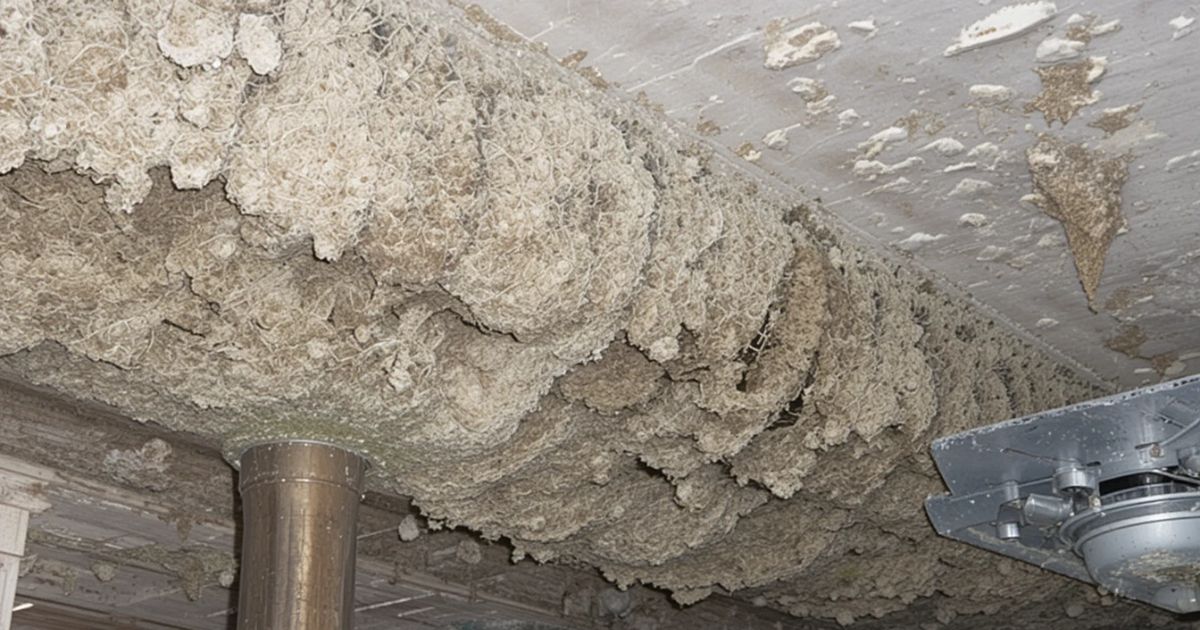
When mold is discovered in an HVAC system, homeowners often wonder where to begin. The process can feel overwhelming, but HVAC mold remediation follows a structured path that ensures the mold is not just removed, but also prevented from coming back. While professionals are strongly recommended for this type of work, understanding the step-by-step process gives you clarity and helps you make informed decisions when hiring services.
Step 1: Inspection and Assessment
The very first step in HVAC mold remediation is a detailed inspection. Without understanding the scope of the problem, it is impossible to create an effective remediation plan.
During an inspection, HVAC mold cleaning experts typically check visible duct openings, vents, and coils for signs of mold. They also take note of any musty odors and ask about symptoms the household may be experiencing, such as allergies, coughing, or respiratory irritation. Moisture readings may be taken from different parts of the HVAC system, since mold cannot survive without a water source.
In severe cases, air quality testing might be performed to measure spore counts. While this step is not always necessary, it provides a scientific baseline for determining how widespread the problem is.
The key purpose of this phase is to determine three things: the severity of mold growth, the causes behind it, and the exact areas of the HVAC system that are contaminated.
Step 2: Containment and Safety Precautions
Before mold removal begins, safety comes first. Professionals know that disturbing mold without proper protection can cause spores to spread quickly throughout the home. For this reason, containment procedures are put in place.
This may include sealing off affected ductwork, shutting down parts of the HVAC system temporarily, and using negative air machines to prevent cross-contamination. Technicians wear protective gear such as respirators, gloves, and suits to avoid inhaling spores or carrying them to other areas.
For homeowners, this step highlights why professional HVAC mold cleaning services are strongly advised. Attempting DIY mold removal from HVAC systems without proper containment can actually make the problem worse by pushing spores into the rest of the house.
Step 3: Mold Removal from HVAC Components
Once the system is safely prepared, the actual removal begins. This is where specialized tools and cleaners come into play.
- Air Ducts: Mold inside ducts is carefully cleaned using HEPA vacuums, rotary brushes, or compressed air tools. The goal is to physically remove mold colonies and debris from the duct surfaces without damaging the system.
- Coils and Drip Pans: Cooling coils are a common breeding ground for mold due to constant condensation. These are cleaned with antimicrobial agents designed for HVAC use. Drip pans are inspected, unclogged, and disinfected since stagnant water is a major contributor to recurring mold issues.
- Air Handlers and Blowers: Mold can also accumulate on fan blades and blower motors. These are carefully wiped down or treated to ensure spores are not reintroduced once the system is restarted.
It is worth noting that bleach is not recommended for HVAC mold cleaning. While it is often thought of as a mold killer, bleach does not effectively penetrate porous surfaces and may damage HVAC components. Instead, EPA-approved biocides or specialized cleaning agents are used.
Step 4: Cleaning and Sanitizing the Entire System
Removing mold colonies is only part of the process. To ensure spores do not regrow, the entire HVAC system needs to be sanitized. This involves fogging or spraying antimicrobial solutions throughout the ductwork and components.
In some cases, sealants may be applied to the inside of ducts after cleaning. These coatings not only help prevent future mold growth but also improve energy efficiency by sealing small leaks. However, sealants should be used cautiously and only when necessary, as they can restrict airflow if improperly applied.
This step ensures that any microscopic spores left behind are neutralized, reducing the risk of mold returning and helping to maintain clean air quality throughout the HVAC system.
Step 5: Addressing the Source of Moisture
No remediation effort is complete without tackling the moisture problem that allowed mold to grow in the first place. Otherwise, the mold will return sooner or later.
Technicians may check for clogged drain lines, leaky duct joints, or poor insulation that leads to condensation. In humid climates, the recommendation may include installing a whole-house dehumidifier or upgrading ventilation.
Homeowners should also be advised on proper thermostat use, since setting temperatures too low in summer can cause coils to sweat excessively. Fixing the root cause of moisture is the difference between a one-time solution and a recurring battle with mold in HVAC systems.
Step 6: Post-Treatment Testing and Verification
Once cleaning and repairs are complete, professionals typically perform a follow-up inspection. This can include visual checks, moisture readings, and in some cases, air quality testing to confirm spore levels have dropped back to normal.
Verification gives homeowners peace of mind that the remediation was successful. It also provides a benchmark for future maintenance, ensuring the system remains mold-free.
Step 7: Ongoing Maintenance and Prevention
Mold remediation does not end the day the cleaning crew leaves. To keep HVAC systems mold-free, homeowners should commit to ongoing maintenance. This includes:
- Regularly replacing filters (every 1–3 months).
- Scheduling annual HVAC inspections.
- Keeping ducts clean and free of dust buildup.
- Monitoring humidity levels in the home.
- Ensuring drip pans and condensate lines remain clear.
Preventive care is the most cost-effective way to avoid repeating the remediation process in the future.
Why Professional Services Are Essential
While DIY cleaning may seem tempting, the complexity of HVAC systems makes professional intervention the safer and more reliable choice. Experts not only remove mold but also sanitize, seal, and repair the system in ways that prevent recurrence. More importantly, they follow safety protocols that protect your indoor air quality during the process.
This is why most industry experts stress the importance of hiring certified HVAC mold remediation specialists rather than experimenting with quick fixes like DIY AC mold removal. Professional HVAC mold cleaning experts ensure thorough and effective results, safeguarding both your health and the efficiency of your HVAC system.
HVAC Mold Cleaning Services: What to Expect
When mold is discovered in an HVAC system, many homeowners feel uncertain about hiring professional cleaning services. Questions often arise: What will the technicians actually do? How long will the process take? Will it be safe for my family? Knowing what to expect when you bring in HVAC mold cleaning services not only helps reduce anxiety but also ensures you hire the right professionals for the job.
Initial Consultation and Inspection
The process usually begins with an initial phone consultation or on-site visit. During this stage, technicians will ask about any signs you have noticed, musty odors, visible mold around vents, or health symptoms in your family. They may also inquire about the age of your HVAC system, the last time it was serviced, and whether you live in a humid environment.
Once at your home, the inspection will confirm whether mold is indeed present. Professionals typically use flashlights, moisture meters, and sometimes cameras to check duct interiors, coils, and drip pans for mold in HVAC systems. If the mold appears widespread, they may suggest further testing such as air sampling, though this is not always necessary for HVAC mold remediation.
Transparent Estimates and Service Plans
After identifying the issue, reputable HVAC mold cleaning companies provide a detailed estimate. This should include the scope of work, the cleaning methods they intend to use, and a breakdown of costs. Some homeowners worry about hidden charges, but trustworthy services give transparent pricing up front.
The plan often outlines:
- Which parts of the HVAC system will be cleaned (ducts, coils, blowers, drip pans).
- The type of cleaning agents to be used.
- Whether any repairs are recommended to prevent moisture buildup.
- How long the job is expected to take.
A clear proposal allows homeowners to compare services and ensures there are no surprises later.
The Cleaning Process
On the scheduled day, technicians arrive with specialized equipment. This typically includes HEPA vacuums, rotary brushes, foggers, and antimicrobial solutions designed specifically for HVAC systems.
The cleaning process usually follows this order:
- Preparation and Containment: Vents are sealed, and protective equipment is worn to prevent spores from spreading.
- Duct Cleaning: Ductwork is vacuumed and brushed internally to remove mold colonies, dust, and debris.
- Coil and Pan Cleaning: Coils are treated with antimicrobial agents, and drip pans are cleared of blockages.
- System Sanitization: Fogging or spraying disinfectants throughout the system ensures spores are neutralized.
Depending on the severity of contamination, the process can take anywhere from a few hours to an entire day.
Safety Measures During Cleaning
Homeowners often worry about whether cleaning chemicals are safe. Professional HVAC mold remediation companies use EPA-approved products that are effective against mold but safe for indoor environments. In most cases, families can remain in the home during cleaning, though technicians may recommend staying out of treated areas until the work is complete.
Technicians also take care to prevent spores from escaping into living spaces. HEPA-filtered vacuums and negative air machines are used to ensure contaminants are trapped and removed rather than recirculated, preventing further mold contamination in the HVAC system.
Post-Cleaning Inspection and Report
Once cleaning is finished, professionals conduct a post-cleaning inspection. They check to ensure mold colonies have been removed, moisture sources have been addressed, and air pathways are clear. Some HVAC mold cleaning services provide photographic evidence of before-and-after conditions inside the ducts, which helps homeowners see the difference.
In addition, a final report may include maintenance recommendations. This might involve replacing filters more frequently, installing a dehumidifier, or repairing leaks that caused mold to develop in the first place. Regular HVAC mold cleaning and maintenance can significantly reduce the risk of future mold in HVAC ductwork, ensuring a healthier environment.
Ongoing Maintenance Agreements
Many HVAC cleaning companies also offer maintenance packages. These agreements typically include annual inspections, priority scheduling for repairs, and discounted filter replacements. Signing up for such a program can be a smart choice, especially in humid climates where mold in HVAC systems is a higher risk.
Not only does this protect your HVAC system, but it also saves you money in the long run by preventing costly mold remediation and HVAC mold removal in the future. Regular HVAC mold cleaning services can help keep your system running efficiently and reduce the need for expensive repairs caused by mold damage in HVAC ductwork.
The Homeowner’s Role
While professionals handle the heavy lifting, homeowners also play a key role in ensuring long-term success. Simple actions like keeping vents clear of dust, replacing filters regularly, and running dehumidifiers in damp seasons can significantly reduce mold risks, especially mold in HVAC systems.
Being proactive makes professional HVAC mold cleaning services more effective and extends the mold-free life of your HVAC system. Regular maintenance and awareness help prevent the need for expensive mold damage HVAC repair down the road.
Hiring HVAC mold cleaning experts might feel intimidating at first, but knowing the process demystifies the experience. From inspection to sanitization, every step is designed to restore clean airflow, protect your home, and safeguard your family’s health.
Cost of HVAC Mold Remediation
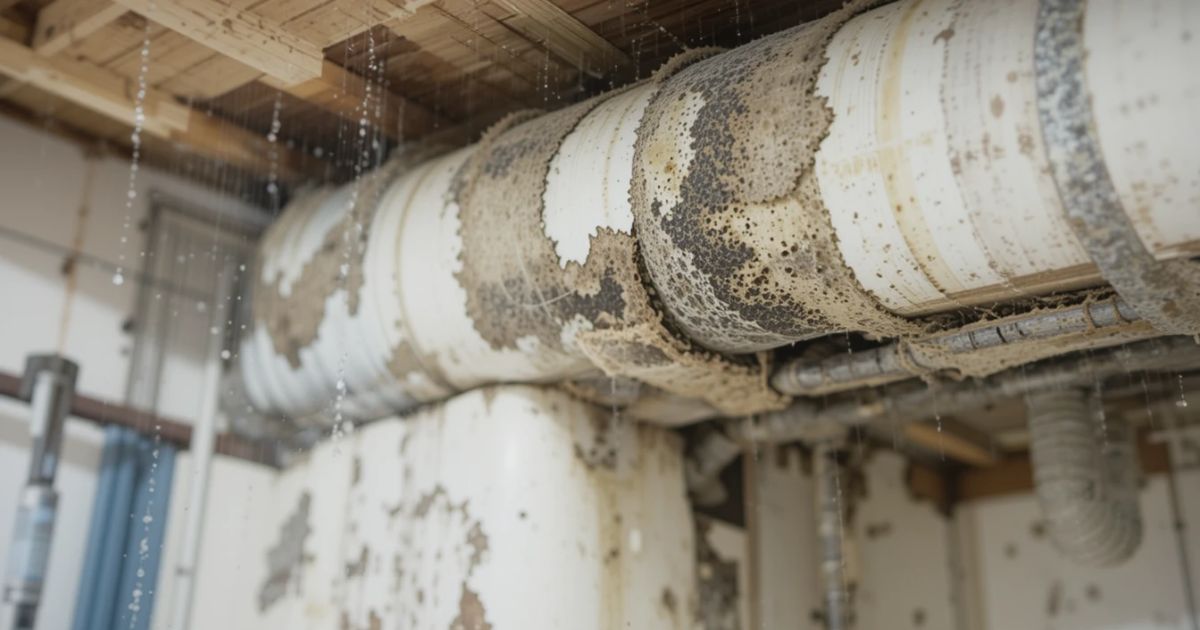
One of the first concerns homeowners have when they discover mold in their HVAC system is the cost of remediation. Mold removal can feel like an unexpected expense, and without a clear understanding of the process, estimates may seem confusing. Breaking down the costs helps you understand where your money goes, why professional services vary in price, and how you can budget effectively.
Average Cost Range
On average, HVAC mold remediation costs between $600 and $6,000, depending on the size of the system and the severity of the infestation. Minor issues limited to a small section of ductwork may fall at the lower end of the spectrum, while extensive contamination across multiple system components can push costs higher.
This wide range reflects the fact that no two mold problems are exactly alike. A simple cleaning of surface mold is far less expensive than a full remediation involving air handlers, coils, and repairs to damaged ducts.
Factors That Influence the Cost
Several factors affect the total cost of HVAC mold remediation. Understanding them ensures you know what you are paying for and why.
1. Size of the HVAC System
Larger systems with more ductwork naturally require more time and labor to clean. For example, a small single-zone residential system will be much cheaper to treat than a large multi-zone system in a spacious home.
2. Severity of Mold Growth
If mold is limited to a few vents or a small duct section, the job is simpler and less expensive. However, when colonies have spread throughout ducts, coils, and blowers, the process becomes more labor-intensive and costly.
3. Type of Mold Present
While all mold requires careful treatment, some species, such as Stachybotrys chartarum (black mold), require extra safety measures. If toxic mold is confirmed, costs may rise due to additional containment procedures and protective equipment.
4. Accessibility of the System
Ducts that are difficult to reach, such as those hidden behind walls or in tight crawl spaces, require more time and specialized tools. This increases labor costs.
5. Moisture Repairs and Upgrades
If the source of moisture is not addressed, mold will return. Technicians may recommend repairing insulation, unclogging drain pans, sealing duct joints, or even installing dehumidifiers. These additional fixes add to the overall expense but are essential for long-term prevention.
Cost Breakdown by Service
To give homeowners a clearer picture, here’s how costs are typically distributed:
- Inspection and Testing: $200 – $600. Some companies include a basic inspection in their service fee, while advanced testing (air samples, lab analysis) may cost extra.
- Duct Cleaning and Mold Removal: $400 – $2,500. This covers HEPA vacuuming, brushing, and applying antimicrobial treatments to ductwork.
- Coil and Drip Pan Cleaning: $200 – $800. Since these are prime mold hotspots, they often require separate attention.
- Full-System Sanitization: $500 – $1,500. This involves fogging or spraying antimicrobial agents throughout the HVAC system.
- Moisture Control Repairs: $300 – $2,000. Costs vary depending on whether it’s a simple condensate line fix or a larger upgrade like a dehumidifier installation.
Cost of Ignoring the Problem
While the price of remediation may feel high, ignoring mold in your HVAC system is far more expensive in the long run. Left untreated, mold can cause:
- Health Costs: Allergies, asthma, and respiratory issues that result in doctor visits or hospital bills.
- Property Damage: Mold can damage insulation, corrode duct materials, and lower property value.
- Energy Waste: A clogged and contaminated system runs less efficiently, leading to higher utility bills.
When compared with these ongoing expenses, investing in professional HVAC mold remediation is a cost-effective decision.
Long-Term Value of Professional Remediation
Although hiring professional HVAC mold cleaning services may feel like a large upfront cost, the long-term benefits often outweigh the expense. A properly cleaned and maintained HVAC system runs more efficiently, lasts longer, and most importantly, provides clean and healthy air for your family.
Investing in remediation is not just about fixing today’s problem, it’s about preventing tomorrow’s.
Preventing Mold in HVAC Systems
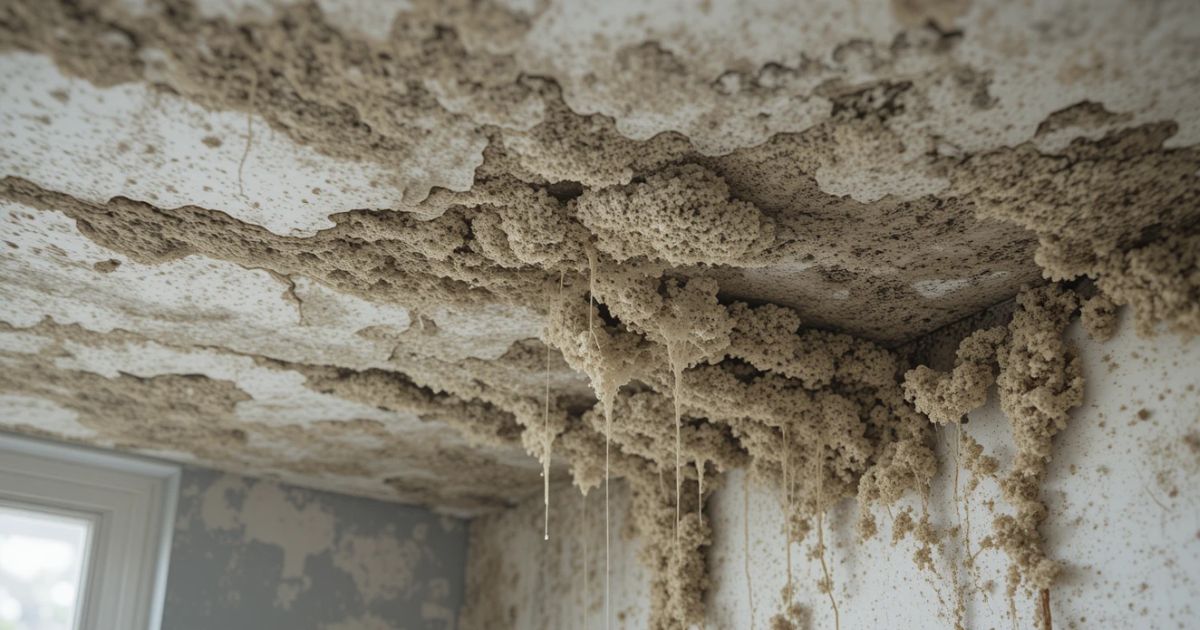
Once you’ve gone through the time and expense of HVAC mold remediation, the last thing you want is for mold to come back. Prevention is the key to long-term success. By controlling moisture, maintaining your system regularly, and staying vigilant, you can drastically reduce the chances of mold growing inside your HVAC system again.
The Importance of Prevention
Mold spores are everywhere, they float in the air, settle on surfaces, and constantly try to find new places to grow. Since you cannot eliminate spores entirely, the only effective strategy is to deny them the conditions they need: moisture, warmth, and food sources. HVAC systems naturally produce condensation and collect dust, making them vulnerable to mold growth.
Preventive care, such as regular HVAC mold cleaning, interrupts this cycle and keeps the system clean, reducing the risk of mold in HVAC ductwork. Regular inspections, filter changes, and the use of dehumidifiers can ensure that your HVAC system remains mold-free and operates efficiently, reducing the need for expensive HVAC mold remediation or mold damage HVAC repair down the line.
Regular HVAC Maintenance
Routine maintenance is the foundation of mold prevention. Just like you wouldn’t skip oil changes for your car, your HVAC system needs scheduled attention.
- Seasonal Inspections: Schedule professional inspections at least once or twice a year, typically before summer and winter. This ensures coils, pans, and ducts are clean before heavy system use.
- Professional Duct Cleaning: Even if no mold is visible, ducts collect dust and debris over time. Having them cleaned every few years reduces the food sources that mold feeds on.
- System Tune-Ups: Technicians can spot early signs of leaks, insulation damage, or clogged drain lines before they turn into bigger problems.
Homeowners who commit to regular maintenance find that not only does their HVAC system stay mold-free, but it also operates more efficiently and lasts longer.
Filter Replacement and Upgrades
One of the simplest yet most effective ways to keep mold out of your HVAC system is to change filters regularly. Filters trap dust, pollen, and other organic matter that mold would otherwise feed on inside the ducts.
- Frequency: Standard filters should be replaced every 1–3 months. If you have pets, allergies, or live in a humid area, replace them more frequently.
- Upgraded Filters: Consider HEPA filters or high-MERV-rated filters for added protection. These trap smaller particles, reducing debris buildup in the system.
A clean filter not only prevents mold but also improves indoor air quality and lowers energy costs.
Controlling Indoor Humidity
Humidity is one of the biggest culprits behind mold growth. Keeping indoor humidity between 30% and 50% makes your home much less welcoming to spores.
- Dehumidifiers: In humid climates, a whole-house dehumidifier connected to your HVAC system can maintain ideal humidity levels year-round.
- Bathroom and Kitchen Exhaust Fans: Running exhaust fans during and after showers or cooking removes excess moisture.
- Proper Ventilation: Ensure your home is ventilated well, especially in basements and attics where moisture tends to linger.
A small investment in humidity control pays off by protecting your HVAC system, your home, and your health.
Keeping Drain Pans and Condensate Lines Clear
The cooling process in air conditioners naturally produces water. This condensation collects in drip pans and drains away through condensate lines. When these get clogged, water pools inside the system, creating the perfect environment for mold.
Homeowners should:
- Check drain pans periodically for standing water.
- Ensure condensate lines are unclogged and flowing properly.
- Have technicians flush the line during seasonal tune-ups.
A clear drainage system keeps moisture from lingering inside the HVAC unit.
Sealing and Insulating Ductwork
Leaky or poorly insulated ducts often cause temperature imbalances that lead to condensation. When warm, humid air seeps into cold ducts, droplets form on the inner walls, creating mold-friendly surfaces.
- Duct Sealing: Professionals can seal small leaks in duct joints with mastic or metal tape. This not only prevents condensation but also improves energy efficiency.
- Proper Insulation: Insulating ducts in unconditioned spaces like attics and crawl spaces reduces temperature fluctuations and lowers condensation risk.
By strengthening ductwork, you create a system that is both mold-resistant and energy-saving.
Using UV Lights for Mold Prevention
Many modern HVAC systems now incorporate UV-C lights as a preventive measure. These lights are installed near coils and drip pans, the areas most prone to mold. UV-C light damages the DNA of mold spores, bacteria, and viruses, preventing them from reproducing.
Although UV lights involve an upfront cost, they provide continuous, chemical-free protection against microbial growth inside your system.
Seasonal Mold Prevention Tips
Different seasons present unique risks for mold in HVAC systems. Being proactive throughout the year keeps mold under control.
- Summer: High humidity and condensation make this the riskiest season. Run dehumidifiers, clean coils, and set thermostats at moderate levels to reduce excess condensation.
- Winter: Even though the air is drier, uneven heating can cause condensation in ducts. Inspect insulation and keep vents clear.
- Spring and Fall: These transitional seasons are the best times for inspections and cleanings, as the system is less heavily used.
Adjusting your maintenance habits with the seasons ensures year-round protection.
Homeowner Habits That Make a Difference
Beyond technical solutions, small daily habits can significantly reduce mold risks:
- Avoid blocking vents and registers with furniture or rugs.
- Keep indoor plants to a manageable number, as overwatering can increase humidity.
- Wipe down visible condensation on windows or vents quickly.
- Use ceiling fans to improve airflow and prevent stagnant air pockets.
These small actions, when combined with professional care, create a home environment that mold struggles to survive in.
Prevention as Long-Term Savings
Many homeowners hesitate to invest in preventive measures like dehumidifiers or UV lights, thinking of them as unnecessary expenses. However, these upgrades often cost less than a single round of full-scale HVAC mold remediation. Preventive care not only saves money but also spares you the stress, inconvenience, and health risks of recurring mold problems in HVAC systems.
By focusing on prevention, you take control of your home’s air quality and ensure your HVAC system delivers comfort, not contamination. Regular HVAC mold cleaning services and moisture control can help you avoid costly mold damage HVAC repair and reduce the need for mold in HVAC ductwork treatments.
The Importance of Professional HVAC Mold Treatment
Discovering mold inside an HVAC system often triggers an important question: Should I try to handle this myself, or should I call in professionals? While DIY cleaning might seem like a cheaper and quicker option, HVAC mold remediation is far more complex than wiping down a surface or spraying household cleaners. Professional HVAC mold cleaning experts not only remove the mold but also ensure it does not come back, protecting both your home and your health.
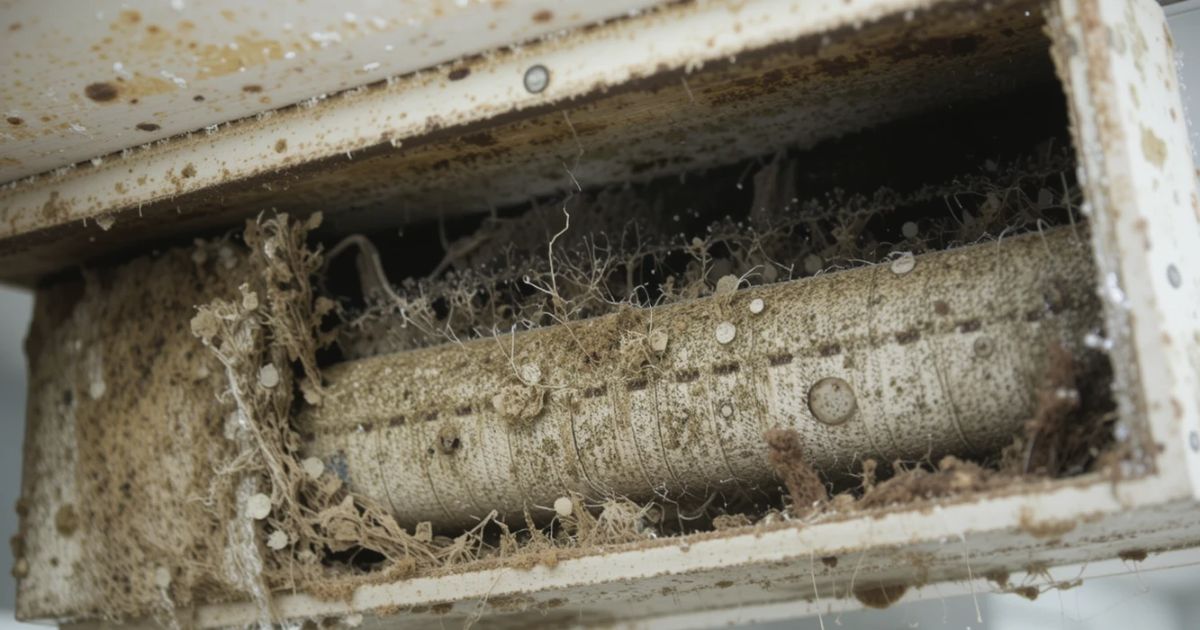
HVAC mold removal professionals address hidden mold colonies, sanitize the entire system, and correct moisture issues that are allowing mold to thrive. Without proper treatment, mold can return, leading to higher costs for HVAC mold removal and mold damage HVAC repair in the future.
Why DIY Mold Removal Is Risky
Many homeowners are tempted to tackle mold themselves using bleach, vinegar, or over-the-counter sprays. While these methods may provide temporary relief on visible surfaces, they are not effective inside an HVAC system.
- Incomplete Removal: Mold often grows deep within ducts, coils, and blower components where DIY tools cannot reach. Even if the surface looks clean, spores remain hidden and quickly regrow.
- Spore Spread: Disturbing mold without proper containment causes spores to scatter through the airflow, spreading contamination throughout the house.
- Health Hazards: Without protective gear, homeowners risk inhaling spores during cleaning. This can trigger respiratory issues, allergic reactions, or even severe infections in vulnerable individuals.
- Potential Damage: HVAC systems are delicate. Using the wrong cleaning agents or tools can damage coils, ducts, or insulation, leading to costly repairs.
DIY might seem cost-effective, but it usually results in recurring mold problems and higher expenses down the line.
The Advantages of Professional HVAC Mold Remediation
Certified HVAC mold remediation specialists bring expertise, equipment, and industry-approved methods that homeowners cannot replicate on their own.
Thorough Cleaning and Sanitization
Professionals use HEPA vacuums, rotary brushes, and EPA-approved antimicrobial solutions that reach every part of the system. Unlike surface cleaning, this process eliminates spores at the source and prevents regrowth.
Safety and Containment
Experts follow strict containment protocols to prevent spores from spreading into your living space. With protective suits, respirators, and negative air machines, they ensure both your family’s health and their own safety.
Identifying the Root Cause
A professional doesn’t just remove mold; they also investigate why it formed in the first place. Whether it’s poor ventilation, high humidity, or clogged condensate lines, addressing these root causes prevents future infestations.
Specialized Tools and Technology
From moisture meters and infrared cameras to UV-C sterilizers, professionals use advanced tools that homeowners simply don’t have access to. These technologies allow for accurate diagnosis and long-lasting solutions.
Guaranteed Results
Most reputable companies provide warranties or guarantees for their work. This means if mold returns within a certain timeframe, they will address it without extra cost, something DIY efforts can never promise.
Real-Life Example: When DIY Goes Wrong
Consider the case of a homeowner in Hartford County who noticed musty odors coming from their vents. Believing it was a minor problem, they sprayed store-bought mold cleaner into the duct openings and wiped visible spots around the vents. Within a few weeks, the odor grew worse, and family members developed persistent coughs.
When HVAC mold remediation professionals were finally called, they discovered extensive mold inside the duct lining and on the coils, areas untouched by the DIY cleaning. The total cost of HVAC mold removal was much higher than it would have been had professionals been called from the beginning.
This example shows how cutting corners with DIY solutions often results in higher long-term expenses for mold damage, HVAC repair and increased health risks. Proper HVAC mold cleaning services not only save money in the long run but also protect the health of your family by ensuring thorough, lasting results.
Long-Term Value of Professional Services
Professional HVAC mold treatment is not just about solving today’s problem, it’s about protecting your home for years to come. A properly cleaned and treated system:
- Improves indoor air quality.
- Reduces allergy and asthma triggers.
- Restores HVAC efficiency, lowering energy bills.
- Preserves the value of your home by preventing mold damage.
When you weigh the upfront cost against these long-term benefits, the value of professional services becomes clear.
Why Hiring Experts Is a Smarter Investment
Mold in HVAC systems is not just another cleaning task, it’s a complex issue that impacts health, comfort, and property value. Experts in HVAC mold remediation bring the knowledge, tools, and solutions needed to eliminate mold safely and effectively. Whether it’s mold in HVAC ductwork or on the coils, professional HVAC mold cleaning ensures every area is treated and sanitized properly.
By investing in professional HVAC mold removal, you gain peace of mind knowing the job is done right, and your family can breathe easier. Avoiding DIY mold treatment and opting for expert HVAC mold treatment not only protects your health but also prevents costly future repairs, such as mold damage HVAC repair.
Conclusion
Mold in HVAC systems is a hidden but serious problem that affects air quality, health, and property value. It often develops quietly due to moisture, dust, and poor ventilation, spreading quickly through ductwork until the entire system is compromised. While DIY solutions may seem tempting, they rarely address the root cause and often make the situation worse by spreading spores further.
Professional HVAC mold remediation offers the safest, most effective way to eliminate mold and prevent it from returning. With advanced tools, EPA-approved treatments, and expert knowledge, specialists ensure your HVAC system is fully cleaned, sanitized, and restored to optimal efficiency. Whether it’s mold in HVAC ductwork or on the coils, a professional HVAC mold cleaner will ensure thorough treatment.
Investing in professional mold removal is not just about fixing today’s problem, it’s about protecting your family’s health, preserving your property, and improving your home’s air quality for years to come. HVAC mold treatment and regular HVAC mold cleaning services can prevent future issues and enhance your home’s overall comfort.
If you notice musty odors, visible mold, or unexplained allergy symptoms in your home, don’t wait. Call an experienced HVAC mold remediation service today and take the first step toward a healthier, safer living environment.
Frequently Asked Questions
1. How can I tell if there is mold in my HVAC system?
Signs include a persistent musty odor coming from vents, visible mold growth around registers or drip pans, and worsening allergy or respiratory symptoms when the system is running. If you suspect mold, a professional inspection is the best way to confirm it.
2. Is HVAC mold removal covered by homeowners insurance?
It depends on the cause. If mold is the result of a sudden, covered event such as a burst pipe, your insurance may cover remediation costs. However, if mold is due to neglect, high humidity, or poor maintenance, coverage is less likely. Always review your policy and speak with your insurance provider.
3. How long does HVAC mold remediation take?
The timeline varies depending on the severity of the infestation and the size of the system. Minor cases may take a day or two, while severe infestations that require duct replacement can take several days. A professional inspection provides a clearer estimate.
4. Can mold return after professional cleaning?
If the root cause, such as excess moisture, leaks, or poor ventilation, is not addressed, mold can return. That’s why professional services not only remove mold but also identify and correct underlying issues to prevent future growth.
5. How much does HVAC mold remediation cost?
Costs vary widely depending on system size, level of contamination, and whether ductwork needs replacement. On average, homeowners spend anywhere from a few hundred to several thousand dollars. While it may feel expensive, professional treatment saves money in the long run by preventing damage and protecting your health.
6. What can I do to prevent mold in my HVAC system?
Regular maintenance is key. Change filters on schedule, clean condensate drain pans, ensure proper ventilation, and schedule professional inspections at least once a year. In humid climates, using a dehumidifier can also reduce the risk of mold growth.