
That faint, musty smell you notice when you walk into your basement isn’t just a sign of an old house; it’s a potential warning. For many homeowners in Connecticut, the battle against dampness is constant. From humid summers that leave the air feeling thick to spring thaws that saturate the ground, our homes are often ground zero for a persistent problem: mold moisture. This seemingly minor issue can quickly escalate, leading to significant property damage and potential health concerns for your family. Understanding the link between mold and moisture is the first step toward protecting your home and ensuring the air you breathe is clean and safe. This guide will walk you through everything you need to know about mold moisture, from identifying the signs to implementing effective, long-term solutions tailored for Connecticut living.
Understanding Mold Moisture: The Silent Threat in Your Home

So, what exactly is “mold moisture”? The term refers to the conditions of dampness or excess humidity that create a perfect breeding ground for mold spores to colonize and grow. Mold is a type of fungus that exists everywhere in our environment, but it only becomes a problem when it finds a damp spot to land and multiply. In Connecticut homes, this can happen more easily than you might think. Our state’s climate, characterized by humid summers and wet seasons, means that moisture can easily accumulate in poorly ventilated areas.
When warm, moist air comes into contact with a cooler surface—like a basement wall or a window pane—it condenses, creating water droplets. This process, combined with high indoor humidity, provides the perfect recipe for mold growth. Think about how your windows fog up on a humid day; that same process is happening on other surfaces throughout your home. This persistent dampness allows mold spores, which are always present in the air, to settle and flourish. This is how mold moisture begins its silent takeover, often starting in unseen places before becoming a visible and odorous problem. The key to preventing mold is controlling moisture.
Signs of Mold Moisture in Your Home
Detecting a mold moisture problem early is crucial to preventing it from spreading. Often, your senses will be the first to alert you to an issue. Are you noticing any musty smells, especially in certain rooms or areas? This earthy odor, often likened to damp soil or rotting leaves, is a telltale sign that mold is growing somewhere nearby. Don’t ignore it, even if you can’t see anything.
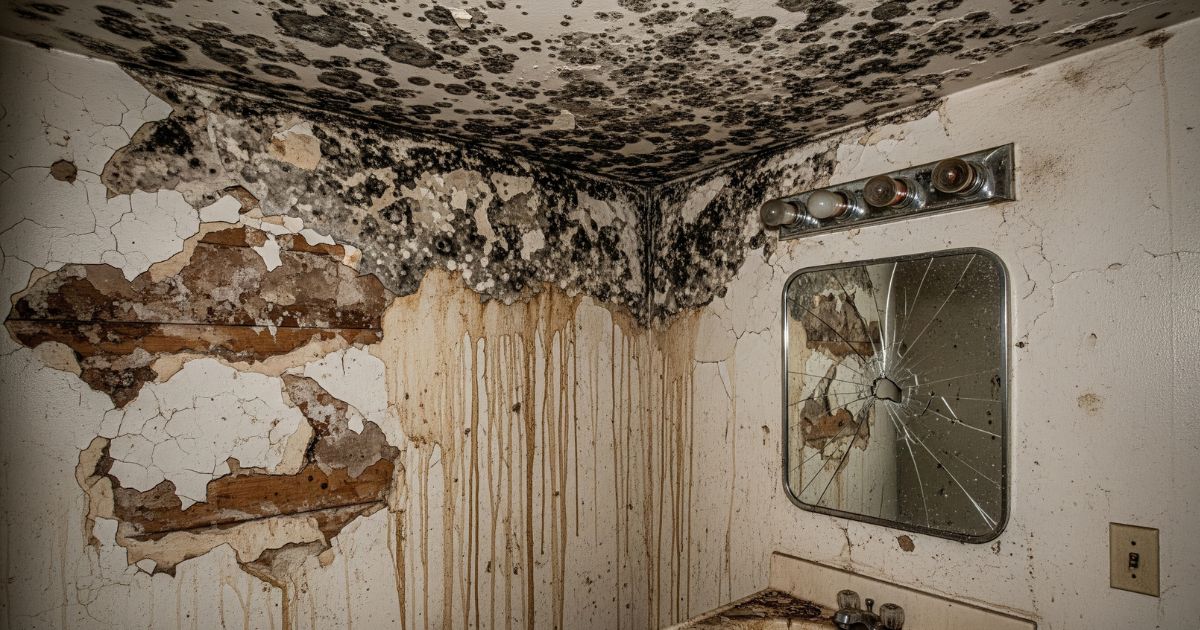
Visual signs are another clear indicator. Keep an eye out for:
- Discoloration: Look for black, green, white, or even pinkish spots and patches on walls, ceilings, floors, and fabrics. This is often the visible part of a larger mold colony. White mold can look fuzzy, while black mold might appear slimy.
- Water Stains: Yellowish or brownish stains on ceilings or walls are a sign of a current or past water leak. Even if the area feels dry, it is important to note that the moisture which caused the stain could have been enough to kickstart mold growth within the wall cavity. Therefore, it’s crucial to inspect hidden areas for potential mold buildup.
- Peeling or Bubbling Paint: When moisture gets trapped behind a layer of paint, it can cause it to bubble, crack, or peel away from the surface. This is a strong indicator of underlying dampness.
- Warped Wood: Moisture can cause wood floors, baseboards, and structural beams to swell and warp. This is a serious sign of a significant moisture problem.
- Condensation: Persistent condensation on windows, pipes, or metal surfaces shows that the humidity level in your home is too high, creating the ideal environment for mold.
Common areas in Connecticut homes prone to mold moisture include basements, crawl spaces, attics, bathrooms, and laundry rooms. Statistics show that over 60% of basements in humid climates experience moisture issues, making them a primary hotspot for mold growth. Checking these areas regularly can help you catch a problem before it gets out of hand.
How Mold and Moisture Relate: The Connection You Need to Know
Mold and moisture have a symbiotic relationship; one cannot thrive without the other. Mold spores are microscopic and float harmlessly in the air, both indoors and outdoors. They are essentially dormant seeds waiting for the right conditions to sprout. The single most important ingredient they need is moisture. Without it, mold simply cannot grow.
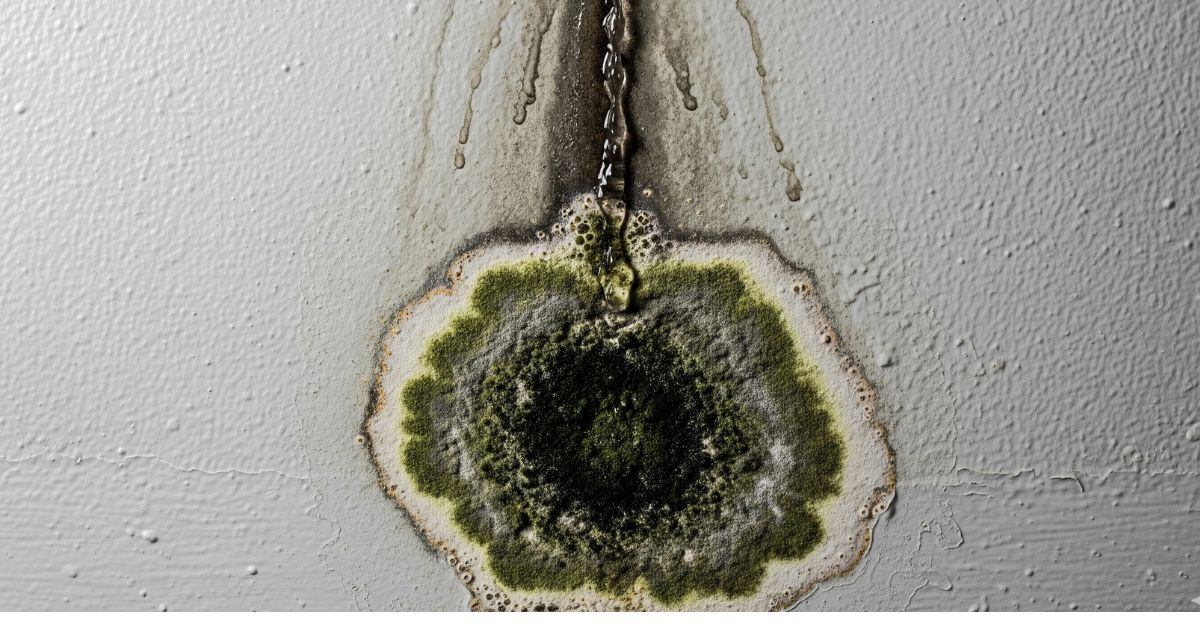
Several factors contribute to the kind of damp environments where mold flourishes:
- Condensation: As mentioned, this occurs when warm, moist air hits a cold surface. It’s common on basement walls, single-pane windows, and uninsulated pipes. This consistent source of water is a magnet for mold.
- Leaks: A leaky roof, a dripping pipe under the sink, or a cracked foundation can introduce a steady supply of water into your home. These leaks are often hidden, allowing mold to grow undetected for months or even years.
- Poor Ventilation: Areas like bathrooms and kitchens produce a lot of steam. Without proper ventilation (like an exhaust fan), this humid air gets trapped, leading to condensation and mold growth on walls and ceilings. Attics without proper airflow can also trap heat and moisture, especially during Connecticut’s humid summers.
- High Humidity: Our state’s climate often brings high outdoor humidity, which can easily seep into our homes. An indoor humidity level above 60% creates a prime environment for mold growth.
Controlling moisture is therefore the most critical aspect of preventing mold. By eliminating water sources and reducing indoor humidity, you are effectively cutting off the life support for mold. This is why addressing mold moisture is not just about cleaning what you see; it’s about fixing the underlying water problem to ensure it doesn’t come back.
Effective Mold Moisture Control Solutions
Taking proactive steps to control moisture is the best defense against mold. Fortunately, there are many actionable solutions Connecticut homeowners can implement to keep their homes dry and mold-free. For instance, installing dehumidifiers, sealing leaks, and improving ventilation can significantly reduce the risk of mold growth. As a result, these measures help maintain a healthier home environment.
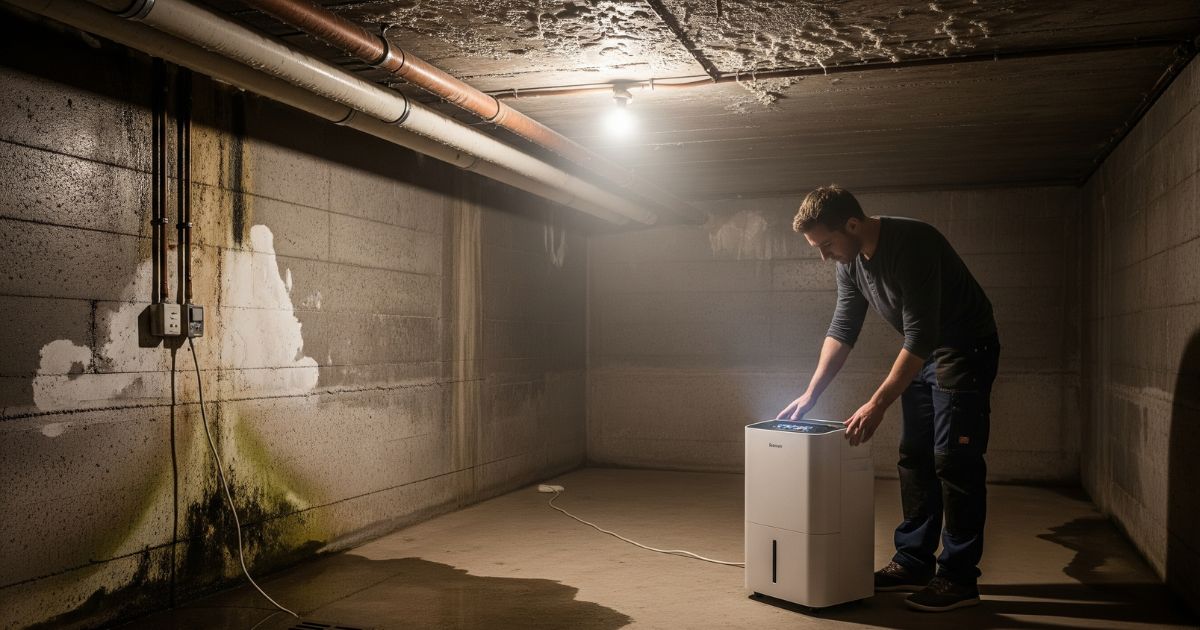
Here are some effective strategies for controlling mold moisture:
- Use Dehumidifiers: In damp areas like basements and crawl spaces, a high-quality dehumidifier is your best friend. Aim to keep the indoor humidity level between 30% and 50%. A dehumidifier for black mold prevention is particularly effective, as this type of mold thrives in very damp conditions.
- Improve Ventilation: Ensure your home has adequate airflow. Use exhaust fans in bathrooms and kitchens to vent moisture outside. Make sure your attic has proper soffit and ridge vents to prevent moisture buildup. In stuffy rooms, simply opening a window or using a fan can make a big difference.
- Seal Cracks and Leaks: Regularly inspect your home’s foundation, roof, windows, and plumbing for any signs of leaks or cracks. Seal foundation cracks with epoxy or polyurethane foam. Fix leaky faucets and pipes immediately. Ensure your gutters are clean and directing water away from your foundation.
- Proper Insulation: Insulating cold water pipes can prevent condensation from forming on them. Properly insulating exterior walls and your attic can also help maintain a consistent indoor temperature, reducing the chances of condensation.
- Maintain Your HVAC System: Your air conditioning system naturally removes some humidity from the air. Ensure it is serviced regularly and that the condensate drain line is clear and flowing properly.
- Grade Your Landscape: The ground around your house should slope away from the foundation. This ensures that rainwater flows away from your home rather than seeping into your basement or crawl space.
Routine maintenance is key. Make it a habit to check for signs of moisture and mold in high-risk areas. A small effort now can prevent a massive headache later. By managing mold moisture proactively, you protect your property and your peace of mind.
The Importance of Professional Mold Removal and Mitigation
While some minor surface mold can be handled with DIY methods, significant mold problems require professional intervention. Many homeowners underestimate the scope of a mold infestation and the dangers of improper removal. Trying to tackle a large mold problem yourself can often make things worse.
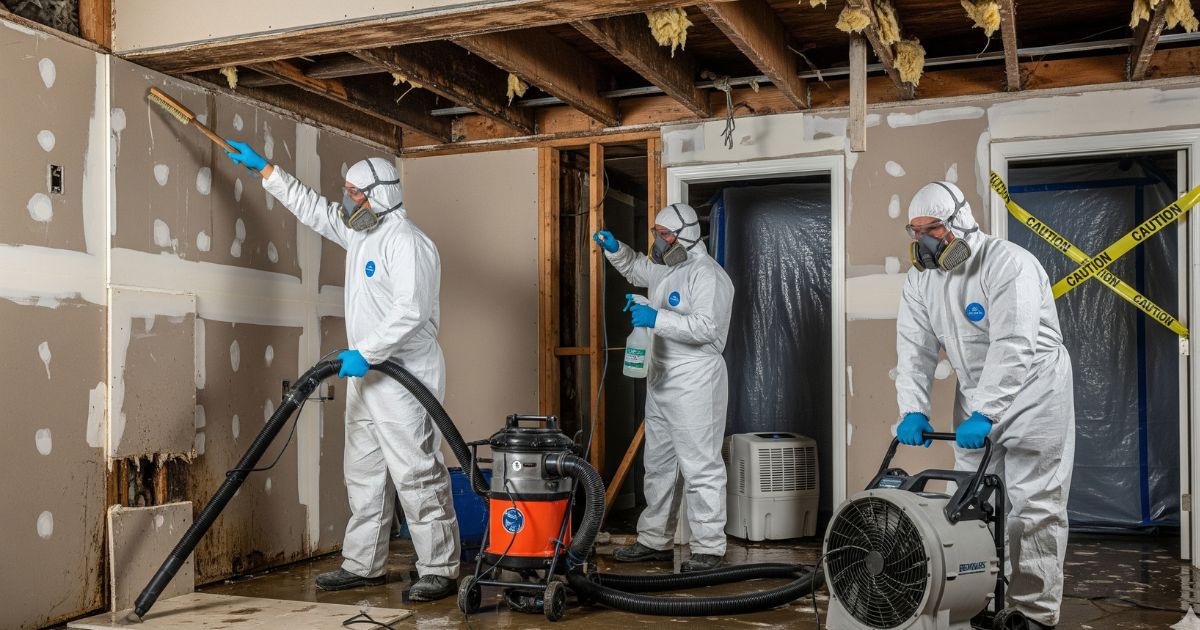
Here are common mistakes homeowners make:
- Disturbing the Mold: Scrubbing or sanding moldy areas without proper containment can release millions of mold spores into the air, spreading the contamination to other parts of your home.
- Using Bleach Incorrectly: While bleach can kill surface mold on non-porous surfaces, it is ineffective on porous materials like drywall and wood. The chlorine does not penetrate the surface, leaving the mold’s “roots” intact to regrow. Furthermore, bleach can be a harsh chemical to introduce into your home’s air. In addition, prolonged exposure to its fumes can cause respiratory irritation, making it an undesirable choice for mold removal.
- Not Addressing the Source: Simply cleaning the visible mold without fixing the underlying moisture problem is a temporary fix. The mold will almost certainly return.
- Lacking Proper Protection: Professionals use personal protective equipment (PPE), including respirators, goggles, and full-body suits, to protect themselves from inhaling dangerous mold spores. Homeowners often lack this crucial gear.
Professional mold removal, also known as mold mitigation or remediation, is a comprehensive process. Certified technicians use specialized equipment like air scrubbers and HEPA vacuums to contain and remove mold spores from the air. They identify and address the source of the mold moisture, remove contaminated materials safely, and clean and treat the affected areas to prevent future growth. They can also perform air quality testing to ensure the mold has been completely eradicated. This professional approach is essential for ensuring the long-term health and safety of your home.
DIY Mold Removal vs. Professional Services: What’s the Best Option for You?
Deciding between a DIY approach and hiring a professional comes down to the size of the problem and your comfort level.
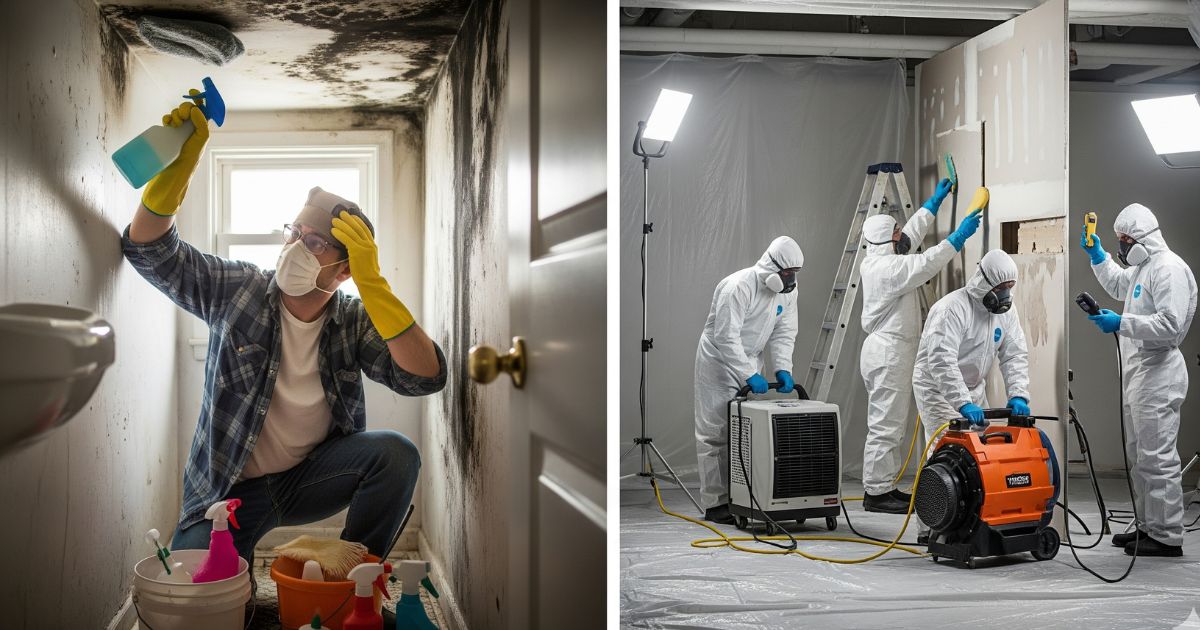
DIY Mold Removal:
This option is only suitable for very small, isolated patches of surface mold (generally less than 10 square feet) on non-porous surfaces like tile or glass.
- Advantages: It’s inexpensive, and you can address the issue immediately.
- Disadvantages: It’s often ineffective on porous materials. There’s a high risk of spreading mold spores if not done correctly. You may not have the right safety gear. Crucially, you might miss the hidden source of the moisture, leading to regrowth. For example, a homeowner in Hartford County might clean a small patch of mildew in their bathroom, not realizing a slow leak behind the wall is fostering a much larger, hidden black mold colony. The time and effort spent on ineffective DIY cleaning can be costly in the long run.
Professional Mold Removal:
This is the recommended option for any mold problem larger than a few square feet, if mold is suspected inside walls, or if you have family members with respiratory issues.
- Advantages: Professionals have the training, experience, and specialized equipment to handle the job safely and effectively. They eliminate the mold at its source and address the moisture problem. They guarantee their work, providing peace of mind that the issue is resolved. This is the only way to be certain that all mold, including dangerous black mold, is properly removed.
- Disadvantages: It is more expensive upfront than a DIY solution.
When considering the cost, remember that professional remediation is an investment in your property’s value and your family’s health. The cost of failing to properly address a mold moisture problem—including potential health bills and decreased property value—can far exceed the price of professional mold removal.
How Mold Exposure Can Affect Your Health
The reason we are so concerned about mold moisture is not just because it’s unsightly; on the contrary, it’s because it can be hazardous to your health. Indeed, prolonged mold exposure can trigger a range of health issues, particularly for children, the elderly, and individuals with asthma, allergies, or compromised immune systems.

Common symptoms associated with mold exposure include:
- Respiratory Issues: Persistent coughing, wheezing, shortness of breath, and asthma-like symptoms are common. Mold is a known allergen and irritant.
- Allergic Reactions: Sneezing, runny or stuffy nose, itchy eyes, and skin rashes are typical allergic responses to mold spores.
- Headaches and Fatigue: Many people report chronic headaches, migraines, and a persistent feeling of tiredness or lethargy when living in a mold-infested environment.
- Neurological Symptoms: Some individuals experience “brain fog,” memory problems, and difficulty concentrating.
Certain types of mold, such as Stachybotrys chartarum (commonly known as black mold), produce mycotoxins, which can be particularly dangerous. Although the term “toxic mold” is often used, it’s the mycotoxins that are the true source of mold toxicity. Moreover, while rare, long-term exposure to high levels of these mycotoxins can lead to more severe health problems. The connection between black mold and dangerous health outcomes underscores the importance of professional mold removal. If you or your family members are experiencing unexplained health issues and you suspect mold in your house, it’s crucial to address the mold moisture problem and consult with a healthcare professional. An effective mold exposure treatment plan begins with removing the source from your home.
Mold and Moisture Prevention Tips for Connecticut Homeowners
Prevention is always the best strategy. For Connecticut homeowners, this means being vigilant about controlling moisture, especially given our climate.

Here are some season-specific prevention tips:
- Year-Round:
- Keep indoor humidity below 50% using dehumidifiers, especially in the basement.
- Use exhaust fans in bathrooms and kitchens every time you cook or shower.
- Regularly check under sinks and around appliances for any signs of leaks.
- Ensure your clothes dryer vents directly outside and the vent line is clean.
- Spring:
- As the snow melts, check your foundation for cracks and ensure your sump pump is working correctly.
- Inspect your roof for any damage sustained over the winter that could lead to leaks.
- This is a great time for a professional mold inspection to catch any issues that developed over the winter.
- Summer:
- Run your air conditioner to help dehumidify the air.
- Be extra vigilant about basement and crawl space humidity, as the warm, humid air can lead to rapid mold growth.
- Fall:
- Clean your gutters and downspouts to ensure water is directed away from your home’s foundation before the winter freezes.
- Check window and door seals to prevent drafts that can cause condensation.
By incorporating these checks into your regular home maintenance routine, you can significantly reduce the risk of a mold moisture problem. Encouraging regular checks in high-risk areas like attics and basements will help you stay ahead of any potential issues and keep your home a healthy place to live.
Conclusion
The connection between mold and moisture is undeniable, and for Connecticut homeowners, managing moisture is a critical part of homeownership. For example, from the telltale musty odor to visible discoloration, the signs of a mold moisture problem should never be ignored. By understanding how humidity, leaks, and poor ventilation contribute to mold growth, you can take effective steps to prevent it. In particular, using dehumidifiers, improving ventilation, and performing regular maintenance are your first lines of defense. Consequently, addressing these factors promptly can help protect both your home and your health.
However, when a mold problem does arise, especially one involving black mold, the risks to your property and health are too significant to leave to chance. Therefore, it’s crucial to address the issue promptly. Professional mold removal and mitigation services offer the expertise, equipment, and comprehensive solutions needed to safely eradicate mold and address the root cause of the moisture. Protecting your home from mold moisture is an investment in your family’s health and the longevity of your property. If you suspect you have a mold problem, don’t wait. Consult with a professional mold remediation service to ensure your home is safe, dry, and healthy for years to come.
Frequently Asked Questions
What is the best way to get rid of mold moisture in my home?
The best way is a two-pronged approach: first, address the existing mold, and second, eliminate the source of moisture. For instance, for small areas, this might involve cleaning with a specialized mold cleaner and running a dehumidifier. However, for larger problems, professional mold removal is recommended. Ultimately, the key is to fix any leaks, improve ventilation, and keep indoor humidity levels between 30-50%.
How do I know if the mold in my house is dangerous?
All molds can cause health issues, but some, like black mold (Stachybotrys chartarum), produce harmful mycotoxins. Black mold often appears slimy and dark green or black, but it’s impossible to identify mold type by sight alone. Therefore, if you have a large amount of mold or unexplained health symptoms, it’s best to assume it’s dangerous and have it tested and removed by a professional. In any case, addressing the issue promptly is crucial to protect your health and prevent further damage to your home.
Can bleach kill black mold or mildew effectively?
This is a common misconception. Bleach can kill surface mold on non-porous surfaces like tile or glass. However, it is not effective on porous materials like drywall, wood, or grout because the chlorine cannot penetrate the surface to kill the mold’s roots. The mold will often grow back. Furthermore, bleach is a harsh chemical and can release harmful fumes. Professional mold remediation specialists use EPA-approved antimicrobial agents that are designed to kill mold safely and effectively.
What are the signs of mold exposure, and should I be worried?
Signs of mold exposure often mimic allergy or cold symptoms: sneezing, runny nose, coughing, wheezing, itchy eyes, and skin rashes. More severe reactions can include headaches, fatigue, and shortness of breath. You should be concerned if these symptoms are persistent, especially if they worsen when you are at home and improve when you leave. In such cases, if you suspect mold exposure is affecting your health, it is wise to see a doctor and have your home inspected for mold.
How does mold moisture affect my health, and what are the symptoms?
Mold moisture creates an environment where mold can release spores and mycotoxins into the air you breathe. Inhaling these particles can lead to a variety of health problems. Common symptoms may include, for example, allergic reactions and respiratory issues, such as asthma attacks and sinus congestion. Moreover, long-term exposure, especially to toxigenic molds, can lead to more chronic conditions, including fatigue, headaches, and even neurological problems. The health risks associated with mold moisture are significant, making it crucial to maintain a dry, mold-free home.