Learning how to get rid of mold in a house naturally is essential for maintaining a healthy indoor environment. Mold growth is a common household issue caused by moisture buildup, poor ventilation and organic surfaces. When ignored, mold clean up becomes difficult and expensive. Therefore understanding natural mold removal methods helps homeowners take control early and avoid toxic chemicals while protecting their families.
First of all mold is not just an appearance problem. It spreads quietly and affects air quality surfaces and health. Home mold removal using natural solutions focuses on eliminating mold at its source. By using safe mold cleaner options you can clean mold effectively without exposing yourself to harsh substances. Many people ask how can I remove mold safely and naturally. The answer lies in proper mold treatment techniques and consistent mold cleanup routines.
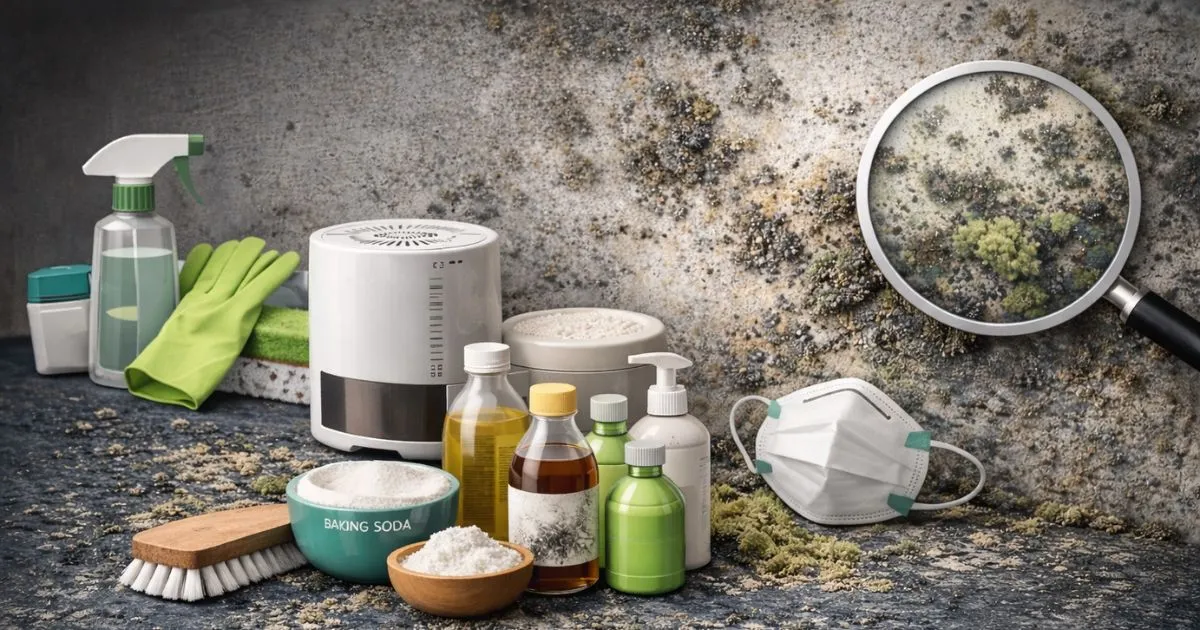
Moreover natural mold removal is cost effective and accessible. Items like white vinegar baking soda and household mold killers are already available in most homes. These solutions help in black mold removal mold cleaning and eliminating mold from walls floors bathrooms and wood. When applied correctly they act as effective mold killers and reduce the chances of mold regrowth.
In addition understanding what kills mold permanently helps in long term prevention. Mold thrives in damp spaces such as bathrooms kitchens basements and under floors. Therefore mold clean up is not complete unless moisture control is addressed. Natural mold treatment focuses on drying affected areas and improving airflow. This approach supports cleaning up mold without repeated outbreaks.
Another important point is safety. Toxic mold treatment often requires caution however many natural methods allow safe mold removal without professional intervention. People frequently search how do you get rid of black mold naturally or how to kill mold at home. Natural mold killer solutions provide reliable answers when used consistently. They help clean black mold disinfect mold and stop mold from spreading further.
Additionally natural mold removal supports environmentally friendly living. Commercial products for mold remediation may contain chemicals that irritate lungs and skin. In contrast natural mold cleaners work gently while remaining effective. For example does white vinegar kill mold is a common question and the answer is yes when applied correctly. Baking soda mold treatment also helps absorb moisture and neutralize mold odors.
Furthermore natural solutions can be used across different surfaces. Floor mold cleaner techniques bathroom mold cleaner solutions and wood mold treatment methods all exist naturally. Learning how to remove mold from bathroom surfaces how to clean mold from floors and how to eliminate mold from wood allows complete home mold removal. Each surface requires a specific mold cleaning approach to avoid damage.
Another benefit of natural mold removal is prevention. Eliminating mold is only half the task. Preventing mold regrowth is equally important. Natural mold treatment encourages habits such as reducing humidity fixing leaks and maintaining cleanliness. These steps help homeowners understand how can you get rid of mold in a house permanently.
Many homeowners worry about mold poisoning treatment and long term exposure. Early mold cleanup reduces these risks. By learning how to disinfect mold naturally and choosing the best mold remover methods you protect both property and health. Natural mold removal focuses on consistent action rather than temporary fixes.
knowing how to get rid of mold naturally empowers homeowners. It allows safe mold cleaning, effective mold cleanup and long term mold prevention. By using natural mold killer methods you can treat mold clean mold and eliminate mold without relying on harsh chemicals. This guide will walk you through each step of mold removal using proven natural solutions for a healthier mold free home.
What Is Mold and Why Mold Grows Inside Homes
Understanding what mold is and why mold grows inside homes is the foundation of effective mold clean up and long term mold treatment. Mold is a type of fungus that survives by feeding on organic material and moisture. Indoors it commonly appears on walls ceilings floors wood and bathroom surfaces. Once mold growth begins it spreads quickly which makes early mold removal extremely important.
Mold spores are always present in the air. However mold only becomes a problem when these spores land on damp surfaces. When moisture remains uncontrolled mold cleaning becomes harder over time. Home mold removal works best when homeowners understand how mold forms spreads and survives. This knowledge helps people learn how to get rid of mold naturally and safely.
Indoor mold growth is not limited to old houses. Even newly built homes can face mold issues due to humidity leaks or poor airflow. Mold cleanup should never be delayed because mold colonies grow silently. Over time they cause surface damage bad odors and health risks. Therefore understanding mold behavior supports better mold cleaning decisions.
Understanding Household Mold and Fungal Growth
Household mold is a living organism that thrives in dark moist environments. It grows by releasing spores that attach to surfaces and multiply rapidly. These spores feed on materials like drywall wood fabric and dust. As a result mold treatment often requires cleaning more than just visible mold.
Black mold is one of the most concerning types of household mold. Black mold removal becomes necessary when colonies grow thick and dark. Many people ask how to remove black mold naturally without chemicals. The first step is understanding that mold grows deeper than the surface. Cleaning black mold requires proper mold cleaner application and moisture control.
Mold cleaning should focus on removing spores not just stains. When mold spores remain active they continue spreading. That is why mold killer solutions must penetrate porous surfaces. Knowing how to kill mold at its root helps prevent repeated mold cleanup.
Environmental Reasons Behind Indoor Mold Formation
Indoor mold formation is strongly influenced by environmental conditions. Warm temperatures combined with high humidity create ideal mold growth environments. Bathrooms kitchens basements and laundry rooms are common problem areas. Without proper ventilation mold clean up becomes a regular struggle.
Poor airflow traps moisture which allows mold spores to settle and grow. Homes with closed windows blocked vents or poor exhaust systems face higher mold risks. As a result learning how can you remove mold involves improving indoor air movement. Mold removal is not just about cleaning but also about correcting environmental conditions.
Climate also plays a role in mold growth. Humid regions experience higher mold issues indoors. In such areas mold treatment must be consistent. Understanding environmental causes allows homeowners to choose the best mold remover and long term mold prevention methods.
Moisture Sources That Create Mold Problems
Moisture is the main cause behind almost every mold issue. Common sources include leaking pipes roof leaks condensation and flooding. Even small unnoticed leaks can lead to severe mold cleanup problems. When water sits for more than a short time mold growth begins quickly.
Bathrooms are a major moisture source which makes bathroom mold cleaner solutions essential. Steam from showers creates damp surfaces where mold thrives. Learning how to get rid of mold in a bathroom requires controlling moisture as much as cleaning mold itself.
Basements often face mold problems due to groundwater seepage. Floors and walls absorb moisture which encourages mold growth. Floor mold cleaner methods become necessary when moisture is not managed. Eliminating mold requires fixing moisture sources first before applying mold killer solutions.
How Mold Spreads Through Living Spaces
Mold spreads through microscopic spores that move easily through the air. Once airborne these spores settle on new surfaces and begin growing if moisture is present. This explains why mold can appear in multiple rooms even if only one area is visibly affected.
Cleaning up mold incorrectly can make the problem worse. Scrubbing dry mold releases spores into the air. Proper mold cleanup involves damp cleaning methods and containment. Learning how to disinfect mold properly helps stop spores from spreading.
Air conditioning systems can also distribute mold spores. When vents are contaminated mold spreads throughout the house. This makes whole house mold removal necessary in severe cases. Understanding mold spread helps homeowners apply mold treatment strategies more effectively.
Mold grows inside homes because of moisture warmth and poor airflow. Mold clean up becomes manageable when these factors are controlled. Understanding mold growth patterns supports effective mold removal and long term elimination of mold. This knowledge prepares homeowners to take the next step toward safe natural mold treatment.
Health Problems Caused by Mold Exposure in Houses
Mold exposure inside houses affects health in ways that many people ignore until symptoms become severe. Mold releases spores and microscopic particles into the air which enter the body through breathing skin contact and sometimes ingestion. When mold clean up is delayed these particles remain active indoors. Over time they impact daily health and comfort which makes mold removal a priority for safe living.
People living in mold affected homes often experience unexplained health issues. These problems increase when black mold removal is ignored or done incorrectly. Mold treatment is not only about protecting property but also about protecting physical wellbeing. Understanding how mold affects the human body helps homeowners take mold cleanup seriously and act early.
Health risks vary depending on mold type exposure duration and individual sensitivity. Children elderly people and those with weak immune systems are at higher risk. Toxic mold treatment becomes important when symptoms persist. Learning how to get rid of mold naturally also reduces exposure to chemical based mold cleaners that may worsen health conditions.
Respiratory Issues Linked With Mold Growth
Breathing problems are among the most common effects of mold exposure. Mold spores irritate the respiratory system when inhaled. This often leads to coughing wheezing chest tightness and shortness of breath. People with asthma experience more frequent and severe attacks when mold growth exists indoors.
Mold cleaning helps reduce airborne spores that trigger respiratory discomfort. Without proper mold cleanup spores remain active and circulate through the home. Learning how to kill mold at its source improves air quality significantly. Many homeowners notice breathing improvement after home mold removal is completed properly.
Long term exposure may lead to chronic respiratory conditions. This is why mold clean up should never be postponed. Removing mold reduces strain on lungs and supports better overall breathing health.
Skin Allergies and Eye Irritation From Mold
Skin reactions are another common response to mold exposure. Mold spores landing on skin may cause rashes itching redness and dryness. Sensitive individuals experience flare ups when mold growth remains untreated. Mold cleaner use on affected surfaces helps reduce contact exposure.
Eye irritation often occurs alongside skin symptoms. Mold spores irritate eyes causing redness watering and burning sensations. These symptoms worsen in rooms with high humidity like bathrooms and kitchens. Bathroom mold cleaner solutions help reduce these irritants.
Cleaning up mold properly limits spore contact with skin and eyes. Learning how to clean mold safely reduces the risk of allergic reactions. Proper mold removal improves indoor comfort and prevents recurring irritation.
Recognizing Mold Poisoning Symptoms
Mold poisoning occurs when prolonged exposure leads to systemic health effects. Symptoms include headaches fatigue dizziness memory issues and difficulty concentrating. Some people also experience nausea and digestive discomfort. Mold poisoning treatment starts with removing the source of exposure.
Toxic mold treatment becomes necessary when symptoms do not improve. Black mold removal is especially important since certain mold types release harmful mycotoxins. Learning how to treat black mold naturally helps limit toxin exposure while avoiding harsh chemicals.
Early mold cleanup reduces the risk of mold poisoning. Home mold removal combined with proper ventilation supports recovery and prevents further health decline.
Health Risks of Long Term Mold Presence
Long term mold exposure weakens the immune system over time. This increases vulnerability to infections and allergies. People living in mold affected homes often experience frequent illnesses without clear causes. Mold treatment plays a key role in restoring immune balance.
Mental health can also be affected. Constant exposure contributes to stress sleep disruption and mood changes. Mold cleanup improves both physical and mental wellbeing by restoring a healthier environment.
Understanding health risks reinforces the importance of consistent mold cleaning and prevention. Eliminating mold reduces ongoing exposure and supports long term wellness. Removing mold from living spaces protects everyone in the household and improves overall quality of life.
How to Identify Mold Before Mold Cleanup Is Needed
Identifying mold early helps reduce damage health risks and cleanup costs. Mold often starts small and remains unnoticed until it spreads. By learning how to identify mold before mold cleanup is needed homeowners gain control over the situation. Early detection allows faster mold removal and prevents mold from spreading into walls floors and air systems.
Mold does not always appear as large dark patches. Sometimes it hides behind furniture under flooring or inside walls. Knowing what signs to watch for makes mold cleaning easier and safer. Home mold removal becomes more effective when mold is identified at the earliest stage.
Timely mold cleanup reduces exposure to mold spores. It also limits the need for aggressive mold treatment later. People who understand how to get rid of mold naturally usually start by identifying mold correctly. This approach protects health and property at the same time.
Visible Signs That Indicate Mold Growth
Visible mold is the easiest form to detect. It often appears as black green white or gray spots on walls ceilings tiles and wood. These patches may look fuzzy slimy or powdery. Black mold removal becomes necessary when dark patches appear repeatedly in the same area.
Paint peeling bubbling or discoloration can also signal mold growth underneath. Even if mold is not visible on the surface it may be growing behind it. Mold cleaner should never be applied without confirming the affected area. Cleaning mold correctly requires understanding what lies beneath the surface.
Floors may also show mold signs. Warped flooring dark stains or soft spots indicate moisture damage. Floor mold cleaner solutions are needed when these signs appear. Visible indicators should never be ignored during routine home inspections.
Hidden Mold Detection Inside Walls and Floors
Hidden mold is more dangerous because it spreads silently. It often develops behind drywall under carpets and inside cabinets. Homeowners may not see mold but still experience symptoms. Learning how can you remove mold includes knowing how to detect hidden growth.
Water damage history increases the risk of hidden mold. Past leaks floods or plumbing issues often leave moisture trapped inside structures. Mold cleanup becomes necessary even when surfaces look clean. Moisture meters and infrared cameras help detect hidden mold areas.
Basements are common locations for hidden mold. Poor ventilation and damp conditions allow mold to thrive unseen. Identifying hidden mold early reduces the need for extensive mold treatment later.
Smell Based Mold Identification Methods
Musty odors are a strong indicator of mold presence. Mold releases gases during growth which cause a damp earthy smell. Even when mold is hidden these odors remain noticeable. Bathroom mold cleaner solutions are often needed when persistent smells remain after cleaning.
Smells are usually stronger in enclosed spaces like closets bathrooms and basements. Learning how to clean mold properly includes investigating odor sources. Air fresheners only mask smells and do not solve mold problems.
If musty odors increase during humid weather mold growth is likely active. Mold removal should be planned immediately when odor based signs appear. Eliminating mold at this stage prevents further spread.
When Mold Cleaning Should Not Be Delayed
Mold cleaning should not be delayed when signs become consistent or worsen. Repeated symptoms visible patches or strong odors indicate active mold growth. Waiting allows mold to spread deeper into structures. Mold cleanup becomes more complex and costly over time.
Health symptoms like coughing headaches or skin irritation often worsen with continued exposure. Mold poisoning treatment may be required if exposure continues. Early mold removal prevents these outcomes and improves indoor air quality.
Understanding when to act is critical. Identifying mold early allows natural mold treatment to work effectively. Prompt mold cleanup protects living spaces and reduces long term risks associated with untreated mold.
Preparing Your House for Safe Mold Clean Up
Preparing your house properly before starting mold clean up is a critical step that many homeowners overlook. Mold removal without preparation can spread spores to clean areas and make the problem worse. Safe preparation supports effective mold treatment and protects everyone inside the home. When you understand how to prepare correctly mold cleaning becomes more controlled and successful.
Before starting home mold removal it is important to slow down and plan. Mold spores are light and travel easily through air movement. If preparation is ignored cleaning up mold may increase exposure risks. Proper preparation allows mold cleaner and mold killer solutions to work only where needed.
A well prepared space reduces health risks and improves mold cleanup results. It also helps people who want to know how can I remove mold safely without professional help. Preparation sets the foundation for successful natural mold removal.
Safety Steps Before Starting Mold Removal
Safety always comes first during mold cleanup. Mold spores can irritate lungs eyes and skin during cleaning. Before beginning mold removal turn off fans and air circulation to prevent spores from spreading. Close doors and seal vents in the affected area.
Remove people pets and unnecessary items from the space. This limits exposure and keeps clean items safe. Mold cleaning should always happen in a controlled environment. These safety steps support cleaner and more effective mold treatment.
Proper planning also includes choosing the right time. Dry weather helps mold cleanup by reducing moisture. Preparing correctly improves how to kill mold naturally and safely.
Protective Gear for Home Mold Removal
Protective gear is essential during home mold removal. Wearing gloves prevents skin contact with mold spores. Masks reduce inhalation of airborne particles during cleaning mold tasks. Eye protection helps avoid irritation when scrubbing surfaces.
Clothing should cover exposed skin and be washable. After mold cleanup clothes should be cleaned separately. This reduces the risk of spreading spores to other areas. Using protective gear makes mold clean up safer and more controlled.
People often ask how can you kill mold safely at home. Protective gear is a key part of that answer. It allows mold treatment without unnecessary health risks.
Containing Mold Spores During Mold Cleanup
Containment prevents mold spores from traveling to clean parts of the house. Plastic sheets can be used to seal doorways and isolate the work area. This keeps spores confined during mold cleaning.
Lightly misting surfaces before cleaning helps reduce airborne spores. Dry scrubbing releases spores into the air. Controlled moisture improves how to clean mold safely and effectively.
Containment is especially important during black mold clean up. Black mold removal requires extra care because spores spread easily. Proper containment supports successful mold cleanup.
Preventing Cross Contamination While Cleaning Mold
Cross contamination happens when mold spores move from dirty areas to clean ones. Using separate cleaning tools for each area helps prevent this. Sponges cloths and brushes should not be reused in clean spaces.
After mold removal tools should be cleaned or disposed of properly. Hands and protective gear should be washed after each session. These steps support effective mold treatment and prevent reinfestation.
Preparing your house properly creates a safer environment for mold cleaning. It allows natural mold killer methods to work efficiently while limiting health risks and preventing mold spread throughout the home.
How to Remove Black Mold Naturally Without Chemicals
Removing black mold naturally without chemicals is possible when the right approach is used. Black mold develops in damp areas and feeds on organic material. When moisture stays uncontrolled black mold spreads deeper into surfaces. Learning how to remove black mold naturally helps reduce health risks while avoiding harsh chemical exposure during mold clean up.
Black mold removal should always start with understanding the surface affected. Natural mold treatment focuses on killing mold at its root rather than hiding stains. Home mold removal works best when moisture control and proper cleaning techniques are combined. This approach supports long term mold cleanup without relying on toxic solutions.
People often ask how do you get rid of black mold safely. The answer depends on consistency preparation and correct mold cleaner use. Natural mold killer methods work effectively when applied patiently and correctly. These methods help clean black mold and reduce regrowth.
Why Natural Black Mold Removal Is Effective
Natural black mold removal works because mold depends on moisture and organic material to survive. Natural mold killers target these conditions instead of masking mold appearance. By drying surfaces and disrupting mold growth black mold treatment becomes more sustainable.
Natural mold treatment also avoids harmful fumes. Many chemical products for mold remediation release strong odors that irritate lungs. Natural methods allow safer mold cleaning especially in living spaces. This makes home mold removal more comfortable and accessible.
Another reason natural methods succeed is surface penetration. Ingredients like vinegar and baking soda reach porous materials. This helps kill mold beneath the surface and supports deeper mold cleanup.
What Kills Black Mold Permanently at Home
Permanent black mold removal requires removing moisture along with mold colonies. Natural mold killers work best when combined with airflow and drying. Vinegar is known to kill mold spores while baking soda absorbs moisture.
Many people search what kills black mold permanently. The answer lies in repeated treatment and prevention. Mold killer solutions must be applied more than once to fully eliminate mold. Mold cleaning should continue until surfaces remain dry and odor free.
Using natural mold cleaner methods consistently reduces mold survival. This approach helps prevent mold from returning after initial cleanup.
How Do You Get Rid of Black Mold Safely
Safe black mold removal begins with preparation. Protective gear reduces exposure during mold cleanup. Natural methods allow safer handling compared to chemical based products. Damp cleaning prevents spores from becoming airborne.
Scrubbing should be gentle but thorough. Aggressive scrubbing damages surfaces and spreads spores. Learning how to clean black mold properly helps limit spread. Natural mold cleaning focuses on controlled removal rather than force.
After cleaning surfaces should be dried completely. Airflow plays a major role in safe mold treatment. Fans and open windows help prevent moisture buildup after mold removal.
Limitations of Natural Black Mold Treatment
Natural mold removal works well for small to moderate infestations. However severe black mold growth may require professional help. Natural methods take time and patience. They are not instant solutions.
Some surfaces like heavily damaged drywall may not respond fully to natural treatment. In such cases replacement is necessary. Knowing when natural mold treatment is not enough prevents prolonged exposure.
Understanding limitations helps homeowners make informed decisions. Natural black mold removal remains a powerful option when used early and consistently. It supports safer mold cleanup and healthier living spaces.
Does White Vinegar Kill Mold and How to Use It
White vinegar is widely used in home mold removal because it is simple effective and easy to access. Many homeowners ask does white vinegar kill mold and the answer is yes when used correctly. Vinegar contains acetic acid which helps break down mold structure and stop further growth. It works well for mold clean up on many household surfaces without introducing harsh chemicals.
Using vinegar as a mold cleaner fits well into natural mold treatment routines. It supports cleaning mold while keeping indoor air safer. When applied with the right technique vinegar helps kill mold spores and reduce odors. This makes it a popular choice for people learning how to get rid of mold naturally.
Vinegar works best on non porous and lightly porous surfaces. It can be used in kitchens bathrooms floors and on certain wood areas. Understanding proper use improves mold cleanup results and prevents repeated mold growth.
Why Vinegar Works as a Mold Killer
Vinegar works as a mold killer because of its acidic nature. The acid penetrates mold colonies and disrupts their ability to survive. Unlike bleach vinegar does not just remove surface stains. It targets mold at a deeper level which supports better mold removal.
Another benefit is safety. Vinegar does not release harmful fumes during mold cleaning. This allows longer cleaning sessions without discomfort. For families concerned about toxic mold treatment vinegar offers a gentler option.
Vinegar also helps neutralize musty odors. This improves indoor comfort after mold cleanup. By reducing mold spores and odors vinegar supports healthier air quality.
Killing Mold With Vinegar Step by Step
To kill mold with vinegar start by pouring white vinegar into a spray bottle without dilution. Spray the affected area generously so the surface stays wet. Let the vinegar sit for at least one hour. This allows the acid to break down mold effectively.
After waiting scrub the area gently using a soft brush or cloth. This helps remove loosened mold. Wipe away residue using clean water and dry the surface completely. Drying is essential to prevent mold from returning.
Repeat the process if mold remains visible. Consistent application improves mold treatment results. Vinegar works best when used regularly during mold clean up.
Effectiveness of Vinegar on Black Mold
Vinegar is effective against many types of black mold especially in early stages. It helps weaken mold colonies and reduce spore activity. For homeowners asking how to remove black mold naturally vinegar offers a reliable starting point.
However thick black mold growth may require repeated treatments. Vinegar kills many mold spores but may not fully eliminate deeply rooted colonies in one application. Combining vinegar with moisture control improves black mold removal success.
Using vinegar regularly helps prevent mold regrowth. It supports ongoing mold cleanup efforts when used alongside ventilation and drying.
Surfaces Where Vinegar Mold Cleaning Works Best
Vinegar mold cleaning works best on tiles countertops glass sealed floors and bathroom surfaces. Bathroom mold cleaner routines often include vinegar because it handles moisture related mold well.
Vinegar can also be used on floors with caution. Floor mold cleaner methods using vinegar should avoid over soaking wood or laminate. Light application followed by drying works best.
On wood vinegar should be tested on a small area first. Some finishes may react to acid. Understanding surface compatibility improves how to clean mold safely and prevents damage during mold treatment.
Using vinegar correctly supports effective mold removal without chemicals. It helps homeowners manage mold clean up naturally while maintaining a healthier living space.
Baking Soda Mold Treatment for Home Mold Removal
Baking soda mold treatment is one of the safest and most effective options for home mold removal. It is non toxic odorless and gentle on surfaces which makes it ideal for regular mold cleaning. Many homeowners prefer it because it supports mold cleanup without introducing harsh chemicals into living spaces. When used correctly baking soda helps kill mold absorb moisture and prevent mold from returning.
Baking soda works differently from liquid mold cleaners. It does not rely on strong reactions. Instead it changes surface conditions that mold needs to survive. This makes it useful for long term mold treatment rather than quick surface cleaning only. People often ask how can I remove mold naturally and baking soda is one of the best answers.
Another advantage of baking soda is versatility. It can be used in bathrooms kitchens floors and even on some wooden surfaces. When combined with proper drying it supports complete mold cleanup and improves indoor air quality.
How Baking Soda Acts as a Mold Cleaner
Baking soda acts as a mold cleaner by creating an environment where mold cannot thrive. Mold prefers acidic damp conditions. Baking soda is alkaline and absorbs moisture. This combination weakens mold growth and slows its spread.
When applied to mold affected surfaces baking soda penetrates porous materials. It reaches mold roots that surface cleaners may miss. This helps kill mold more effectively over time. Baking soda also neutralizes musty odors caused by mold growth.
Unlike some mold killer products baking soda does not damage surfaces. This makes it suitable for repeated use during ongoing mold cleaning routines.
Using Baking Soda to Clean Mold Safely
To clean mold using baking soda start by mixing one tablespoon of baking soda with water in a spray bottle. Shake well and spray directly onto the mold affected area. Scrub gently with a brush or sponge to loosen mold buildup.
After scrubbing rinse the surface with clean water and dry it completely. Drying is essential because moisture allows mold to return. For stronger treatment baking soda can be applied as a paste by mixing it with a small amount of water.
Repeat the process if mold remains visible. Consistent application improves mold removal results. Baking soda supports safe mold cleanup when used patiently.
Baking Soda Mold Cleaning for Bathrooms
Bathrooms are high moisture areas where mold grows quickly. Baking soda mold cleaning works well on tiles grout sinks and shower surfaces. It helps clean mold while controlling moisture that fuels mold growth.
Bathroom mold cleaner routines using baking soda reduce reliance on chemical sprays. Baking soda also helps remove soap residue which mold feeds on. Scrubbing grout regularly prevents black mold buildup.
Ventilation plays a key role in bathroom mold treatment. Baking soda works best when surfaces are allowed to dry fully after cleaning. This combination supports long lasting mold removal.
Preventing Mold Regrowth After Baking Soda Use
Preventing mold regrowth is just as important as cleaning mold itself. Baking soda leaves a residue that continues absorbing moisture. This helps prevent mold spores from settling again.
Regular use of baking soda in damp areas supports ongoing mold prevention. Sprinkling dry baking soda in corners or under sinks helps control humidity. Vacuuming after absorption removes trapped moisture.
Combining baking soda mold treatment with airflow and leak repair strengthens mold cleanup efforts. These habits help eliminate mold and reduce the need for repeated deep cleaning. Baking soda remains a reliable tool for maintaining a mold free home.
Bathroom Mold Cleaner Methods for Heavy Moisture Areas
Bathrooms are one of the most common places where mold develops due to constant moisture heat and limited airflow. Steam from showers wet surfaces and poor ventilation create ideal conditions for mold growth. Learning proper bathroom mold cleaner methods helps control mold early and reduces the need for aggressive mold clean up later. Effective bathroom mold removal focuses on moisture control surface cleaning and consistent maintenance.
Mold in bathrooms often appears on tiles grout ceilings curtains and around sinks. When ignored mold spreads quickly and becomes harder to remove. Home mold removal in bathrooms requires regular mold cleaning routines combined with drying practices. Understanding how to get rid of mold in a bathroom naturally helps protect health and keeps surfaces in good condition.
Bathroom mold cleaner methods should be gentle yet effective. Harsh chemicals may damage tiles grout and fixtures. Natural mold treatment offers safer alternatives that still work well in high moisture areas.
Why Bathroom Mold Develops Quickly
Bathrooms provide everything mold needs to survive. Warm temperatures moisture and organic residue from soap and skin cells support mold growth. Without proper airflow moisture remains trapped on surfaces which allows mold spores to activate.
Grout lines and caulking are especially vulnerable because they absorb moisture. Once mold settles in these areas cleaning mold becomes more difficult. Regular bathroom mold cleaning helps stop mold before it spreads.
Poor ventilation increases mold risk significantly. Bathrooms without exhaust fans or open windows stay damp longer. Improving airflow is an important part of mold treatment in bathrooms.
How to Remove Mold From Bathroom Tiles
Removing mold from bathroom tiles starts with gentle surface cleaning. Natural mold cleaner solutions like vinegar or baking soda work well on tiles. Spray the solution onto affected areas and allow it to sit before scrubbing lightly.
Grout requires extra attention because mold grows deeper inside it. Scrubbing with a soft brush helps remove mold buildup. Rinsing and drying tiles thoroughly prevents mold from returning.
Regular tile maintenance supports long term mold cleanup. Cleaning tiles weekly reduces moisture buildup and limits mold growth.
Best Mold Remover for Shower and Grout
Showers experience constant water exposure which makes them high risk areas for mold. The best mold remover for shower areas focuses on removing mold while protecting grout and seals. Baking soda paste works well for scrubbing grout gently.
Vinegar spray helps disinfect mold on shower walls and doors. Allowing it to sit improves effectiveness. Rinse thoroughly and dry surfaces after cleaning.
Keeping shower surfaces dry after use is essential. Wiping down walls and doors reduces moisture that feeds mold growth. This practice supports effective mold removal.
How to Get Rid of Fungus in Bathroom Naturally
Fungus in bathrooms behaves similarly to mold and thrives in damp areas. Natural methods help eliminate fungus without harsh chemicals. Baking soda absorbs moisture and disrupts fungal growth. Vinegar helps kill fungus spores and clean surfaces.
Regular cleaning combined with ventilation prevents fungus buildup. Open windows or run exhaust fans after showers to reduce humidity. These habits support natural mold treatment.
Controlling moisture remains the most important factor. Fixing leaks drying surfaces and improving airflow help eliminate fungus and prevent mold regrowth. Bathroom mold cleaner methods work best when combined with consistent moisture management.
What Kills Mold on Wood and Furniture Surfaces
Wood and furniture surfaces are highly vulnerable to mold because they are porous and absorb moisture easily. When moisture remains trapped mold spores settle deep inside the material. This makes mold removal on wood more challenging than on tiles or glass. Learning what kills mold on wood helps homeowners protect furniture floors and structural elements effectively.
Mold on wood often appears as dark stains fuzzy patches or discoloration. If ignored it weakens the material and spreads further. Proper mold clean up on wood requires gentle but consistent methods. Using the wrong mold cleaner may damage finishes or push mold deeper into the surface. Natural mold treatment offers safer options for wood preservation.
Home mold removal on wooden surfaces focuses on drying cleaning and sealing. When moisture is controlled mold growth slows down. Understanding how to remove mold from wood safely helps maintain furniture quality and indoor air health.
Why Mold Attacks Wooden Materials
Wood contains organic material that mold feeds on. When exposed to humidity leaks or condensation wood becomes an ideal environment for mold growth. Basements bathrooms and poorly ventilated rooms often expose wood to constant moisture.
Mold attacks wood slowly but steadily. At first it may only affect the surface. Over time mold penetrates deeper causing structural damage. This is why early mold cleanup is essential. Learning how to clean mold from wood early reduces long term repair costs.
Dust and dirt on wood also contribute to mold growth. Mold feeds on organic debris which makes regular cleaning important for mold prevention.
Safe Mold Cleaner for Wood Furniture
Choosing a safe mold cleaner for wood furniture is critical. Harsh chemicals may strip finishes discolor wood or weaken fibers. Natural mold cleaners like vinegar and baking soda work well when used carefully.
For light mold growth vinegar can be sprayed lightly and wiped after sitting briefly. Baking soda paste helps absorb moisture and loosen mold gently. Scrubbing should be soft to avoid damaging wood grain.
Always test mold cleaner on a small hidden area first. This prevents unwanted damage. Safe mold cleaning protects furniture while removing mold effectively.
How to Remove Mold From Wooden Floors
Wooden floors require special attention during mold cleanup. Excess water can cause warping or swelling. Floor mold cleaner methods for wood focus on minimal moisture and thorough drying.
Start by vacuuming loose mold spores using a vacuum with a filter. Apply a light mold cleaner solution and wipe gently. Avoid soaking the floor. Dry immediately using fans or airflow.
Repeated light cleaning works better than aggressive scrubbing. Consistent mold treatment helps eliminate mold without harming floors.
Protecting Wood After Mold Treatment
After mold removal protecting wood is essential to prevent regrowth. Sealing wood surfaces helps block moisture absorption. Using dehumidifiers maintains balanced humidity levels.
Furniture should be placed away from damp walls and floors. Good airflow around wood reduces mold risk. Regular inspections help catch mold early before it spreads.
Protecting wood after mold treatment ensures long term results. When moisture is controlled and surfaces are sealed mold struggles to return. These steps support lasting mold cleanup and healthier living spaces.
Floor Mold Cleaner Solutions for Homes and Basements
Floor mold problems are common in homes and basements where moisture collects and airflow remains limited. Floors absorb humidity from spills leaks condensation and ground moisture. When dampness stays trapped mold begins to grow beneath and on the surface. Learning effective floor mold cleaner solutions helps stop mold early and prevents structural damage.
Mold on floors often goes unnoticed until odors stains or warping appear. By then mold cleanup becomes more involved. Home mold removal for floors focuses on identifying moisture sources choosing the right mold cleaner and drying surfaces completely. This approach supports long lasting mold treatment without damaging flooring materials.
Different floor types require different mold cleaning methods. Wood tile concrete and carpet respond differently to moisture and cleaners. Understanding these differences improves how to remove mold safely and effectively from floors.
Why Mold Grows on Floors and Carpets
Mold grows on floors because moisture settles downward and remains trapped. Basements are especially vulnerable due to ground moisture and limited ventilation. Flooding plumbing leaks and condensation from cold surfaces also contribute to floor mold growth.
Carpets trap moisture deep within fibers which makes them ideal for mold growth. Spills that are not dried quickly allow mold spores to activate. Mold cleanup becomes difficult once mold reaches carpet padding.
Dust dirt and organic debris on floors provide food for mold. Regular cleaning reduces this food source. Learning how to clean mold from floors starts with keeping them dry and clean.
Best Floor Mold Cleaner Options
Choosing the best floor mold cleaner depends on the floor type and mold severity. For hard surfaces like tile and sealed concrete vinegar and baking soda work well as natural mold cleaners. They help kill mold and reduce odors.
For wood floors mold cleaner application must be minimal. Light solutions applied with cloths prevent excess moisture. Baking soda absorbs dampness without soaking the wood.
Carpet mold requires special care. Surface mold can be treated with baking soda followed by vacuuming. Deep mold may require removal of affected carpet sections. Selecting the right mold cleaner protects flooring while supporting mold removal.
How to Clean Mold From Concrete Floors
Concrete floors are porous and absorb moisture easily. Mold often grows in basements garages and laundry areas with concrete flooring. Cleaning mold from concrete requires patience and repeated treatment.
Start by removing loose mold using a brush or vacuum. Apply a vinegar solution to the surface and allow it to sit. Scrub gently and rinse with minimal water. Dry the area thoroughly using airflow or dehumidifiers.
Repeated cleaning may be necessary for deep mold stains. Consistent mold treatment combined with moisture control helps eliminate mold from concrete floors effectively.
Stopping Mold Under Flooring Layers
Mold under flooring layers is harder to detect and remove. It often develops beneath tiles laminate or carpet due to trapped moisture. Signs include persistent odors soft spots and discoloration.
Stopping mold under floors begins with identifying moisture sources. Leaks condensation and poor drainage must be fixed. Mold cleanup without moisture control will fail.
In some cases flooring must be lifted to access mold underneath. While this requires effort it prevents further spread. Drying the subfloor completely before reinstalling flooring is essential. These steps help eliminate mold and prevent future growth.
Managing floor mold requires attention to moisture cleaning and ventilation. With proper floor mold cleaner solutions homeowners can protect floors basements and overall indoor health. Consistent care keeps mold from returning and supports a cleaner safer living environment.
What Kills Mold Instantly Using Natural Mold Killers
Many homeowners search for fast acting solutions when mold suddenly appears. Understanding what kills mold instantly using natural mold killers helps control outbreaks before they spread. Natural mold killers focus on disrupting mold structure and removing moisture which allows quick results without harsh chemicals. While instant results depend on surface type and mold severity natural methods can still act quickly when used correctly.
Instant mold killing does not mean permanent removal in one step. Mold cleanup requires repeated treatment and drying. However certain natural ingredients begin killing mold spores immediately upon contact. Knowing how to kill mold quickly reduces exposure and limits damage during early mold removal.
Natural mold killer solutions work best when applied to active mold growth. Acting fast prevents mold from spreading to other areas. Home mold removal becomes easier when mold is addressed as soon as it appears.
Fast Acting Natural Mold Killer Ingredients
Some natural ingredients react quickly with mold colonies. White vinegar begins breaking down mold structure as soon as it touches the surface. Its acidity interferes with mold survival and slows growth immediately.
Hydrogen peroxide is another fast acting option. It releases oxygen that penetrates mold cells and weakens them. Baking soda also works quickly by absorbing moisture which mold needs to survive.
These ingredients are commonly available and easy to apply. When combined with scrubbing and drying they support effective mold clean up without toxic fumes.
What Kills Black Mold Instantly at Home
Black mold requires special attention because it spreads aggressively. Vinegar is one of the most effective natural options that begins killing black mold on contact. Spraying undiluted vinegar directly onto black mold weakens spores quickly.
Hydrogen peroxide also works fast on black mold especially on non porous surfaces. It helps lighten stains while killing mold cells. Baking soda paste adds moisture control which supports continued mold treatment.
Instant results improve when surfaces are cleaned gently and allowed to dry fully. This combination helps stop black mold growth early.
Does Ammonia Kill Mold and Safety Concerns
Ammonia kills mold quickly on hard non porous surfaces. It reacts strongly with mold and destroys surface colonies. However ammonia releases strong fumes that irritate lungs and eyes. It should be used with caution and never mixed with other cleaners.
Ammonia is not suitable for porous surfaces like wood or drywall. It only kills surface mold and does not penetrate deeply. Using ammonia incorrectly may worsen mold problems.
Because of safety concerns many homeowners prefer natural alternatives like vinegar and baking soda. These options support safer mold cleaning while still acting quickly.
Choosing the Best Mold Killer for Each Surface
Choosing the best mold killer depends on surface type and mold severity. For tiles glass and sealed floors vinegar or hydrogen peroxide works quickly. For wood and porous surfaces baking soda combined with drying is safer.
Bathroom mold cleaner routines often use vinegar for fast results. Floor mold cleaner solutions vary based on material and moisture exposure. Matching the mold killer to the surface prevents damage and improves mold removal success.
Fast action combined with proper drying leads to better results. Natural mold killers provide effective immediate response while supporting long term mold cleanup and prevention.
Best Mold Remover Products for Mold Remediation
Choosing the best mold remover products for mold remediation is important when natural methods need additional support. While home remedies work well in many situations certain mold problems require specialized products for mold removal. These products are designed to clean mold thoroughly disinfect surfaces and reduce the chance of mold returning. Understanding how these products work helps homeowners make informed buying decisions.
Mold remediation products vary in strength and purpose. Some focus on surface mold cleaning while others target deep mold growth. Selecting the right mold cleaner depends on the affected area mold severity and surface material. Using appropriate products improves mold cleanup efficiency and saves time.
People searching for products for mold remediation often want solutions that are effective but safe. Many modern mold remover products balance power with reduced toxicity. Knowing what to look for ensures better mold treatment results.
Top Products for Mold Removal in Homes
Top products for mold removal include sprays foams and concentrates designed for different surfaces. Mold cleaner sprays are popular for bathrooms kitchens and walls. They are easy to apply and work well on visible mold growth.
Foam based mold removers cling to vertical surfaces which improves contact time. This helps kill mold more effectively. Concentrated solutions are used for larger mold cleanup projects and can be diluted for various applications.
Many homeowners prefer products labeled for home mold removal because they are designed for indoor use. These products support cleaning mold without overwhelming odors or fumes.
How to Choose Products for Mold Remediation
Choosing products for mold remediation requires understanding the problem area. Porous surfaces like wood drywall and fabric need mold removers that penetrate deeply. Non porous surfaces like tiles and glass can use surface cleaners.
Reading product instructions helps avoid misuse. Some mold killer products require protective gear while others are safer for everyday use. Buyers should consider ventilation needs during application.
Products that also prevent mold regrowth provide added value. These help reduce future mold cleanup needs. Selecting the right product improves long term mold removal success.
Best Mold and Mildew Remover Buying Guide
The best mold and mildew remover should address both mold growth and mildew stains. Mildew cleaners often focus on surface discoloration while mold removers target deeper growth. Products that handle both save time and effort.
Look for products that specify bathroom mold cleaner or floor mold cleaner if those areas are affected. This ensures compatibility with surfaces. Products with clear usage guidelines support safer mold cleaning.
Price should not be the only factor. Effectiveness surface safety and prevention features matter more. Investing in quality mold treatment products leads to better results.
When Commercial Mold Cleaners Are Necessary
Commercial mold cleaners become necessary when mold covers large areas or returns repeatedly. Natural methods may struggle with heavy infestations. In such cases stronger mold killer products provide quicker control.
Commercial products are also useful after water damage or flooding. These situations often require thorough mold cleanup. Using professional grade products helps eliminate mold more completely.
Knowing when to use commercial mold cleaners prevents wasted effort. Combining these products with moisture control improves mold remediation outcomes and supports healthier indoor environments.
Complete Home Mold Removal and Mold Treatment Plan
A complete home mold removal and mold treatment plan focuses on eliminating mold from every affected area while preventing future growth. Mold rarely stays limited to one spot. It spreads through air moisture and surfaces which makes a structured approach essential. Home mold removal works best when cleaning up mold follows a clear plan instead of random actions.
Planning helps homeowners understand how to get rid of mold in a house fully. It ensures that no area is missed and mold does not return. Mold cleanup becomes more effective when each room is treated based on its specific conditions. This approach supports long term mold treatment and healthier indoor living.
A proper mold removal plan includes inspection cleaning drying and prevention. Each step supports the next and creates lasting results. Following a structured plan reduces repeated mold problems and unnecessary expenses.
Room by Room Mold Cleanup Strategy
A room by room strategy ensures complete mold cleanup. Each space in the house has different moisture levels and materials. Bathrooms kitchens basements and bedrooms should be inspected individually. This helps identify mold growth patterns and choose suitable mold cleaner solutions.
Start with high moisture rooms where mold appears most often. Bathroom mold cleaner methods should be applied first. Kitchens may require mold cleaning near sinks and cabinets. Bedrooms may show mold near windows or walls.
Cleaning one room at a time prevents cross contamination. It allows focused mold removal and proper drying before moving to the next area. This organized method improves overall mold treatment results.
Eliminating Mold From Hidden Home Areas
Hidden mold often causes recurring problems. It grows behind walls under floors and inside ventilation systems. Eliminating mold from hidden areas requires careful inspection and moisture control. Ignoring these areas leads to repeated mold cleanup efforts.
Signs of hidden mold include persistent odors discoloration and unexplained health symptoms. Removing mold from hidden spaces may require opening panels or lifting flooring. While this takes effort it prevents further spread.
Drying hidden areas thoroughly after cleaning is essential. Fans dehumidifiers and airflow help remove trapped moisture. This step supports complete home mold removal and prevents mold regrowth.
How Can You Get Rid of Mold in a House Fully
Getting rid of mold fully requires addressing both visible and invisible mold. Mold treatment should include cleaning surfaces disinfecting affected areas and controlling moisture. Simply cleaning visible mold is not enough for long term results.
Humidity control plays a major role. Using dehumidifiers and fixing leaks reduces mold friendly conditions. Ventilation improvements help remove excess moisture from indoor air.
Consistent monitoring after mold removal helps catch early signs of return. This proactive approach supports full mold elimination and protects indoor health.
Maintaining Long Term Mold Free Conditions
Maintaining mold free conditions requires daily habits and regular inspections. Wiping damp surfaces drying wet areas and improving airflow reduce mold risks. Mold prevention is an ongoing process rather than a one time task.
Routine cleaning helps limit mold food sources. Regular mold cleaning with natural solutions supports long term success. Checking moisture prone areas weekly prevents mold buildup.
A complete mold treatment plan combines cleaning prevention and monitoring. This structured approach ensures mold does not return and helps maintain a healthier living environment for the entire household.
How to Get Rid of Mildew Using Natural Cleaners
Mildew is a surface level fungal growth that appears in damp and poorly ventilated areas. Although mildew is less aggressive than mold it still affects indoor air quality and surface appearance. Learning how to get rid of mildew using natural cleaners helps maintain cleanliness and prevents mildew from turning into deeper mold problems. Natural mildew cleaners work well when applied consistently and combined with moisture control.
Mildew commonly develops in bathrooms kitchens laundry rooms and around windows. It feeds on soap residue dust and moisture. When mildew is ignored it spreads quickly and leaves stains and odors. Mold cleaning routines that include mildew control reduce overall fungal growth inside the home.
Natural mildew removal is safer for daily use. It avoids harsh chemicals and supports regular maintenance. Understanding how to remove mildew naturally helps homeowners keep surfaces clean and dry without damaging materials.
Difference Between Mold and Mildew Growth
Mildew and mold are both types of fungi but they behave differently. Mildew usually grows on the surface and appears as white gray or light black patches. Mold grows deeper into materials and causes more damage.
Mildew is easier to remove than mold. Simple mildew cleaners often work well on early growth. Mold treatment requires deeper cleaning and moisture correction. Knowing the difference helps choose the right cleaning approach.
Because mildew is a warning sign of moisture problems addressing it early prevents future mold cleanup. Regular mildew cleaning supports long term mold prevention.
Best Mildew Cleaners for Home Use
Natural mildew cleaners are effective for routine cleaning. White vinegar works well by breaking down mildew structure and killing spores. Baking soda helps absorb moisture and remove stains gently.
Hydrogen peroxide is another option for mildew cleaning on tiles and grout. It helps lighten discoloration and disinfect surfaces. These cleaners are easy to use and safe for frequent application.
Choosing the right mildew cleaner depends on the surface. Tiles glass and sealed surfaces respond well to vinegar. Fabric and curtains may need baking soda treatment. Selecting the correct cleaner improves results.
How to Get Rid of Mildew in Damp Areas
Damp areas encourage mildew growth. Removing mildew from these spaces requires both cleaning and drying. Start by cleaning visible mildew using a natural cleaner. Scrub lightly and wipe clean.
After cleaning reduce moisture by improving ventilation. Open windows use exhaust fans or add dehumidifiers. Drying surfaces fully prevents mildew from returning.
Regular inspections of damp areas help catch mildew early. Consistent care supports mildew control and reduces the need for deeper mold removal later.
Preventing Mildew After Mold Cleaning
Preventing mildew is easier than removing it repeatedly. Moisture control is the most important factor. Fix leaks dry wet surfaces and maintain airflow to keep humidity low.
Routine cleaning removes mildew food sources like soap residue and dust. Using natural cleaners weekly helps prevent buildup. Placing moisture absorbers in closets and bathrooms adds extra protection.
Preventing mildew supports overall mold prevention. When mildew is controlled mold growth becomes less likely. These habits help maintain a cleaner healthier indoor environment.
Toxic Mold Treatment and Safe Home Mold Removal
Toxic mold treatment requires careful handling because certain mold types release substances that can negatively affect health. These molds grow in damp dark environments and spread quickly when moisture remains uncontrolled. Safe home mold removal focuses on reducing exposure while eliminating mold from affected areas. Understanding toxic mold behavior helps homeowners take correct action without increasing risks.
Toxic mold often develops after long term water damage leaks or flooding. It thrives on organic materials like drywall wood and fabric. Mold cleanup in these situations must be planned carefully. Rushing the process or using incorrect methods can release more spores into the air. Safe mold treatment protects both the person cleaning and the living space.
Home mold removal for toxic mold combines containment proper cleaning and moisture control. Natural methods can be effective for small areas but awareness is key. Knowing when mold becomes a safety concern helps prevent serious health issues.
Identifying Toxic Mold Inside Homes
Identifying toxic mold is the first step toward safe treatment. Toxic mold often appears dark green or black and may look slimy or fuzzy. It commonly grows in hidden areas such as behind walls under floors or inside cabinets.
Strong musty odors often accompany toxic mold growth. Health symptoms like headaches fatigue breathing difficulty and skin irritation may also appear. These signs suggest mold exposure beyond surface level.
Professional testing is sometimes required to confirm toxic mold presence. However visible growth combined with persistent symptoms indicates the need for immediate mold cleanup. Early identification supports safer mold removal decisions.
Safety Measures for Toxic Mold Cleanup
Safety measures are essential during toxic mold cleanup. Protective gear including gloves masks and eye protection reduces exposure to spores. Sealing off the affected area helps prevent mold spread to clean spaces.
Air movement should be controlled. Fans should not blow directly on mold because this spreads spores. Damp cleaning methods help keep spores from becoming airborne. Using proper containment supports safer mold treatment.
Limiting time spent in affected areas also reduces exposure. Taking breaks and ventilating after cleaning improves safety. These measures allow mold cleanup to proceed with reduced health risks.
Natural Methods to Disinfect Mold
Natural methods can help disinfect mold when used correctly. Vinegar works well on many surfaces by breaking down mold structure. Hydrogen peroxide helps disinfect and reduce mold stains. Baking soda absorbs moisture and supports ongoing mold control.
These methods are best for small areas and early growth. Natural mold treatment avoids harsh fumes and supports safer indoor air quality. Repeated application improves effectiveness.
Disinfecting mold naturally also includes drying surfaces thoroughly. Moisture control is essential for preventing mold return. Natural solutions work best when combined with airflow and humidity reduction.
When Professional Toxic Mold Treatment Is Required
Professional toxic mold treatment becomes necessary when mold covers large areas or causes severe health symptoms. Mold that spreads through walls ventilation systems or structural elements requires specialized equipment.
Professionals use containment systems filtration and protective gear to remove mold safely. This prevents widespread contamination and ensures thorough cleanup. Attempting large scale toxic mold removal without expertise increases risk.
Knowing when to seek professional help protects health and property. Safe home mold removal includes recognizing limits and choosing the right solution. Proper treatment prevents mold recurrence and supports long term indoor safety.
DIY Mold Removal Mistakes That Cause Mold Return
DIY mold removal is popular because it saves money and feels manageable. However many homeowners make mistakes that cause mold to return even stronger. Mold clean up requires more than wiping visible spots. When steps are skipped or done incorrectly mold survives beneath surfaces and spreads again. Understanding common DIY mold removal mistakes helps prevent repeated mold problems and protects indoor health.
Most mold return issues happen because the root cause is ignored. Mold grows due to moisture not dirt. Cleaning mold without fixing moisture allows spores to reactivate. Home mold removal works only when cleaning mold and controlling conditions happen together. Learning what mistakes to avoid improves long term mold treatment success.
DIY mold removal should be careful planned and complete. Rushed cleaning often leads to temporary results. Knowing these mistakes helps homeowners apply mold cleanup methods correctly and avoid wasted effort.
Common DIY Mold Removal Errors
One of the most common DIY mold removal errors is cleaning only what is visible. Mold often grows deeper inside walls wood floors and grout. Surface cleaning hides mold temporarily but does not kill mold completely. This mistake leads to mold returning within weeks.
Another error is dry scrubbing mold. Scrubbing without moisture releases spores into the air. These spores spread to other rooms and create new mold growth areas. Mold cleaning should always involve damp methods to control spore movement.
Using random household cleaners without understanding their purpose is also common. Not all cleaners act as mold killers. Choosing the wrong mold cleaner reduces effectiveness and allows mold to survive.
Why Incomplete Mold Cleanup Fails
Incomplete mold cleanup fails because mold spores remain active. Mold spreads through microscopic spores that survive even after partial cleaning. If spores are left behind they quickly grow when moisture returns.
Ignoring hidden mold is another reason cleanup fails. Mold often grows behind furniture under flooring and inside walls. Cleaning visible mold without inspecting hidden areas leaves the problem unresolved. Mold treatment must include inspection and targeted cleaning.
Moisture control is often overlooked. Even after cleaning mold moisture sources like leaks humidity and condensation continue feeding mold. Without fixing these issues mold removal efforts will not last.
Overuse of Mold Cleaner Products
Overusing mold cleaner products is a common mistake that backfires. Applying excessive chemicals does not improve results and may damage surfaces. Some cleaners bleach stains but do not kill mold spores.
Using too many products together is also dangerous. Mixing cleaners can create harmful fumes and health risks. Overuse may irritate lungs skin and eyes which makes mold cleanup unsafe.
Natural mold treatment works best with proper technique not excessive quantity. Controlled application combined with drying is more effective than repeated heavy spraying. Understanding correct use improves mold cleaning results.
Signs That DIY Mold Removal Did Not Work
There are clear signs that DIY mold removal did not work. Mold returning in the same area is the most obvious sign. Reappearing stains odors or patches indicate incomplete cleanup.
Persistent musty smells suggest hidden mold remains active. Health symptoms like coughing headaches or allergies returning also signal ongoing mold exposure. These signs mean mold cleanup needs reassessment.
Another sign is spreading mold. If mold appears in new locations after cleaning spores were likely spread during removal. This indicates improper containment during mold cleaning.
Recognizing these signs early helps prevent larger infestations. Correcting mistakes and applying proper mold treatment methods stops mold from returning and supports healthier indoor living.
Preventing Mold Regrowth After Mold Cleanup
Preventing mold regrowth after mold cleanup is just as important as removing mold in the first place. Many homes experience repeated mold problems because prevention steps are ignored once cleaning mold is complete. Mold spores are always present in the air and they only need moisture and poor airflow to grow again. Long term mold treatment focuses on controlling these conditions rather than repeated mold clean up.
After successful mold removal surfaces may look clean but the environment may still support mold growth. Home mold removal only lasts when humidity ventilation and daily habits are managed properly. Understanding how to eliminate mold permanently requires consistent prevention efforts. Mold cleanup without prevention leads to wasted time and recurring issues.
Preventing mold regrowth protects health property and indoor air quality. It also reduces reliance on mold cleaner products and repeated cleaning. A prevention focused approach keeps homes mold free for longer periods.
Humidity Control to Stop Mold Growth
Humidity control is the most effective way to stop mold growth. Mold thrives when indoor humidity levels remain high especially above moderate ranges. Bathrooms kitchens basements and laundry rooms are the most affected areas. Using dehumidifiers helps reduce excess moisture and supports long term mold prevention.
Monitoring humidity levels allows homeowners to take action early. Simple humidity meters provide accurate readings. When moisture is controlled mold spores struggle to activate. This reduces the need for frequent mold cleaning and mold treatment.
Fixing leaks also plays a major role in humidity control. Dripping pipes roof leaks and condensation must be addressed immediately. Mold cleanup will not last if moisture sources remain active.
Ventilation Improvements for Mold Prevention
Ventilation improvements significantly reduce mold regrowth risk. Proper airflow removes moisture before it settles on surfaces. Bathrooms should have working exhaust fans that remove steam after showers. Kitchens also need ventilation to reduce cooking related moisture.
Opening windows regularly improves air circulation. Fresh air helps dry damp areas and prevents stagnant conditions. Basements benefit from fans and ventilation systems that move air consistently.
Ventilation should reach hidden spaces as well. Closets cabinets and storage rooms often trap moisture. Improving airflow in these areas prevents hidden mold growth. Effective ventilation supports mold removal efforts and prevents future outbreaks.
Daily Habits That Help Eliminate Mold
Daily habits play a powerful role in eliminating mold long term. Wiping wet surfaces after use prevents moisture buildup. Drying shower walls sinks and floors reduces mold friendly conditions.
Laundry habits also matter. Wet clothes should not be left in machines. Drying them promptly prevents mold growth. Kitchens should be kept clean and dry especially around sinks and dishwashers.
Regular inspections help catch mold early. Checking corners windowsills and damp areas weekly allows quick action. These habits reduce the need for major mold cleanup and support consistent mold prevention.
Products That Help Prevent Mold Long Term
Certain products help prevent mold regrowth when used correctly. Moisture absorbers placed in closets bathrooms and basements reduce humidity. These products support mold prevention in small enclosed spaces.
Sealants and mold resistant coatings protect surfaces after mold cleanup. Applying these products to walls grout and wood helps block moisture penetration. This adds an extra layer of protection against mold growth.
Dehumidifiers and air purifiers also support long term prevention. They reduce airborne moisture and spores. Using the right products alongside daily habits strengthens mold treatment efforts and helps maintain a mold free home.
Preventing mold regrowth requires consistency rather than one time effort. By controlling humidity improving ventilation maintaining daily habits and using prevention products homeowners can protect their homes effectively. These steps ensure that mold removal efforts last and indoor environments remain healthy and comfortable.
Frequently Asked Questions
How to Get Rid of Mold Naturally in a House
To get rid of mold naturally in a house you must focus on moisture control and proper mold cleaning. Mold grows where dampness stays for long periods. Start by identifying moisture sources such as leaks humidity or poor ventilation. Once moisture is controlled use natural mold cleaner options like white vinegar and baking soda. These help kill mold spores and clean mold without harsh chemicals. Natural mold removal works best when cleaning is repeated and surfaces are dried fully. Consistency is the key to eliminating mold naturally from living spaces.
How Can You Get Rid of Mold in a House Permanently
Permanent mold removal requires more than surface cleaning. You must remove mold and stop the conditions that allow it to grow. Mold cleanup should include fixing leaks improving ventilation and lowering indoor humidity. Use mold treatment methods that kill mold at the root. Natural mold killers combined with airflow and drying reduce regrowth. Monitoring moisture levels and regular inspections help ensure mold does not return. This approach supports long term home mold removal.
How Do You Get Rid of Black Mold Safely at Home
Getting rid of black mold safely requires preparation and correct technique. Wear protective gear and isolate the affected area before starting black mold removal. Use natural mold cleaner options such as vinegar or baking soda to clean black mold gently. Avoid dry scrubbing because it spreads spores. Damp cleaning and thorough drying reduce risks. Black mold treatment works best when moisture is controlled and cleaning is repeated until mold is fully removed.
What Kills Mold Permanently on Household Surfaces
Mold is killed permanently when both mold spores and moisture are removed. Vinegar kills many mold spores while baking soda absorbs moisture. Hydrogen peroxide also works on non porous surfaces. However no mold killer works permanently if moisture remains. Mold treatment must include drying surfaces and preventing humidity buildup. Combining mold cleaning with moisture control is what truly eliminates mold long term.
Does White Vinegar Kill Mold Effectively
Yes white vinegar kills mold effectively when used correctly. Vinegar penetrates mold colonies and disrupts their structure. It works well on tiles floors bathroom surfaces and some wood areas. Spray undiluted vinegar on mold let it sit and then scrub gently. Vinegar mold cleaning is safe and reduces airborne mold spores. Repeated application improves results especially for black mold removal.
How to Clean Mold From Bathroom Surfaces
To clean mold from bathroom surfaces start by addressing moisture. Use bathroom mold cleaner methods like vinegar or baking soda on tiles grout and fixtures. Scrub gently and rinse well. Dry surfaces completely after cleaning. Ventilation is essential to prevent mold from returning. Regular bathroom mold cleaning keeps surfaces clean and reduces black mold growth in high moisture areas.
What Kills Black Mold Instantly at Home
Some natural mold killers begin working instantly on black mold. Vinegar starts breaking down mold spores upon contact. Hydrogen peroxide also reacts quickly on hard surfaces. Baking soda works by absorbing moisture which weakens mold growth. Instant results improve when cleaning is followed by drying. While mold may not disappear instantly permanent removal requires repeated treatment and moisture control.
How to Remove Mold From Wooden Furniture
Removing mold from wooden furniture requires gentle methods. Use a light vinegar solution or baking soda paste to clean mold without damaging wood. Scrub softly and wipe clean. Dry the furniture completely to prevent mold regrowth. Avoid soaking wood because excess moisture causes damage. Protecting wood after mold treatment helps maintain furniture quality and prevents future mold problems.
What Is the Best Mold Remover for Showers
The best mold remover for showers is one that removes mold while protecting grout and seals. Baking soda paste works well for scrubbing grout. Vinegar spray disinfects shower walls and doors. These natural mold cleaners reduce mold buildup without harsh chemicals. Drying shower surfaces after use improves mold removal results and prevents regrowth.
How to Get Rid of Fungus in Bathroom Naturally
Bathroom fungus grows due to moisture and organic residue. To remove it naturally use vinegar to kill fungus spores and baking soda to absorb moisture. Clean affected areas regularly and improve ventilation. Drying surfaces after showers reduces fungal growth. Natural fungus removal works best when moisture is controlled and cleaning is consistent.
How to Clean Mold From Floors and Basements
Cleaning mold from floors starts with identifying moisture sources. Use floor mold cleaner methods suitable for the material. Vinegar works on tile and concrete while baking soda is safer for wood. Scrub gently and dry completely. Basements require extra ventilation and dehumidification. Floor mold cleanup must always include moisture control for lasting results.
What Is Mold Poisoning Treatment
Mold poisoning treatment begins with removing mold exposure. Mold cleanup and home mold removal reduce ongoing contact with mold spores. Symptoms may include headaches fatigue and breathing issues. Improving air quality and reducing humidity support recovery. Severe cases may require medical advice. Early mold removal helps prevent mold poisoning and protects long term health.
How Can I Remove Mold Without Chemicals
You can remove mold without chemicals by using natural mold killers. Vinegar baking soda and hydrogen peroxide work effectively on many surfaces. These options allow safe mold cleaning without toxic fumes. Proper ventilation and drying are essential. Natural mold removal supports healthier indoor environments when used consistently.
Why Does Mold Keep Coming Back After Cleanup
Mold keeps coming back because moisture problems remain unresolved. Cleaning mold without fixing humidity leaks or airflow allows spores to reactivate. Incomplete mold cleanup also leaves hidden mold behind. Preventing mold regrowth requires moisture control ventilation and regular inspections. Addressing root causes ensures mold removal efforts last.
What Products Help Prevent Mold Long Term
Products that help prevent mold long term include dehumidifiers moisture absorbers and mold resistant coatings. Air purifiers reduce airborne spores. Sealants protect surfaces from moisture penetration. Using these products alongside daily habits strengthens mold prevention. Long term mold control relies on combining products with proper ventilation and cleaning routines.