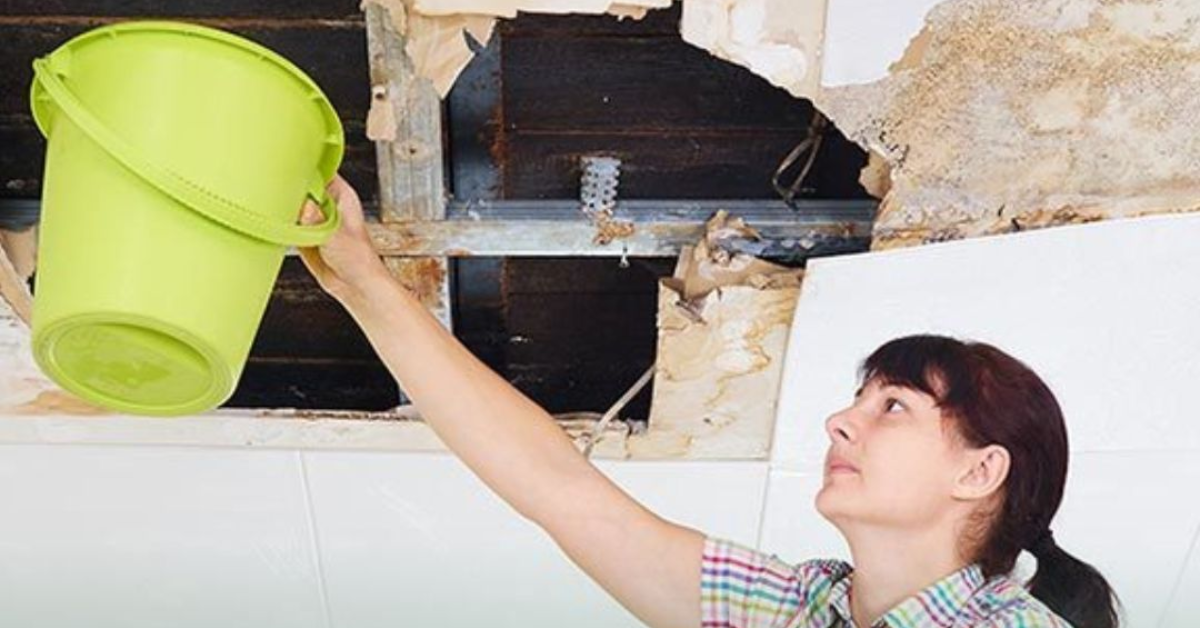
Water damage in homes is an issue that no homeowner can afford to ignore. Whether it’s caused by a heavy rainstorm, plumbing leaks, or natural disasters like floods, the aftermath can be devastating. When water infiltrates your home’s structure, it not only damages materials but also creates a perfect breeding ground for mold growth. This mold can spread quickly, leading to further damage and health risks.
In this section, we’ll explore how mold grows after water damage and how understanding this process is crucial in preventing it. Mold Master Pro LLC offers reliable solutions that tackle mold growth at its source, helping to protect your home and family.
How Mold Grows in Damp Environments
Mold, a type of fungus, thrives in moist, humid conditions. In the natural world, it plays an essential role in breaking down organic material like dead plants and trees. However, in your home, mold growth after water damage can be problematic. Mold begins as microscopic spores that are often already present in the air around us. Under normal conditions, these spores remain dormant and harmless.
When water damage occurs, moisture seeps into materials that were once dry, providing the perfect environment for these spores to activate and grow. Common building materials such as wood, drywall, carpet, and insulation absorb water, and when these materials stay damp for extended periods, they offer mold the ideal food source it needs to thrive.
Mold can start growing as quickly as 24 to 48 hours after water damage. This rapid growth is why it’s crucial to act fast when water damage occurs. The longer moisture sits in a home, the greater the likelihood that mold will begin to take root, creating both immediate and long-term problems.
The Role of Humidity and Temperature in Mold Formation
While moisture is the key factor in mold growth, humidity levels and temperature also play significant roles. Mold generally thrives in environments with humidity levels above 60%, and the temperature of the space affects how quickly mold will grow. In homes, areas like basements, attics, and bathrooms are more likely to harbor the moisture needed for mold to thrive.
This means that controlling the humidity and temperature in your home is essential in preventing mold growth. A combination of dehumidifiers, air movers, and proper ventilation can reduce humidity and create an environment that’s less hospitable to mold spores.
Common Water Damage Sources That Lead to Mold Growth
Water damage can happen in many ways, but the most common sources include:
-
Plumbing Leaks: Small leaks can often go unnoticed until they result in significant water damage. Over time, they can soak into walls, floors, and ceilings, providing a perfect environment for mold to grow.
-
Roof Leaks: Water seeping through the roof can damage insulation, walls, and ceilings, creating the conditions for mold to thrive.
-
Flooding: A major flood can cause widespread water damage, leaving large areas of a home soaked for days, allowing mold to spread rapidly.
-
Condensation: Areas with high humidity levels, like kitchens and bathrooms, can experience condensation on windows, walls, and ceilings. This moisture can slowly accumulate, leading to mold growth if not properly addressed.
-
Appliance Malfunctions: Broken washing machines, dishwashers, or water heaters can leak water into surrounding areas, which, if left unchecked, can result in water damage and mold growth.
Signs of Water Damage and Mold Presence
Detecting water damage early is key to preventing mold. Here are some signs to look out for:
-
Discoloration of Walls and Ceilings: Stains or discoloration on walls and ceilings often indicate water damage. If the discoloration is dark and expanding, mold could already be present.
-
Musty Odor: A musty smell is one of the first signs of mold growth. If you smell this in areas like your basement or attic, it’s a red flag that mold may be developing.
-
Warped or Bubbling Surfaces: When drywall, wood, or flooring becomes wet, it can warp or bubble. If these materials remain wet for too long, mold will begin to grow on them.
-
Visible Mold: If you spot black or green patches on walls, floors, or ceilings, it’s an obvious sign that mold has begun to grow.
How Mold Master Pro Helps Prevent Mold Growth After Water Damage
At Mold Master Pro LLC, we specialize in preventing mold growth after water damage occurs. Our goal is to stop mold in its tracks, ensuring that your home is safe, dry, and mold-free.
The Importance of Rapid Water Removal
The first step in preventing mold growth after water damage is to remove the excess water as quickly as possible. Mold growth is directly tied to the duration that water is left in contact with materials in your home. The faster you can remove the water, the less chance there is for mold to form.
Mold Master Pro uses high-powered water extraction equipment to remove standing water efficiently. Our specialists also use industrial-grade dehumidifiers to eliminate moisture from walls, floors, and furniture, preventing mold spores from settling in damp areas.
Advanced Moisture Detection Tools
Sometimes water damage is hidden behind walls or under floors. At Mold Master Pro, we use advanced moisture detection tools, such as thermal imaging cameras and hygrometers, to find hidden moisture. By locating all water sources, we can ensure that no area is left untreated, preventing mold from starting in the unseen parts of your home.
Thorough Drying and Dehumidification Process
Even after the visible water has been removed, the air in your home can still be humid, which can lead to mold growth. Mold Master Pro employs a combination of air movers and industrial dehumidifiers to dry your home thoroughly. This is especially important for areas like basements and attics, which are more prone to retaining moisture.
Mold Remediation and Prevention Treatments
Once the area is dry, Mold Master Pro applies antimicrobial treatments to kill any existing mold spores and prevent future growth. These treatments are crucial in ensuring that mold doesn’t resurface and that your home remains safe and healthy.
Our experts also clean and disinfect the affected areas, removing any remnants of mold and ensuring that the home is ready for restoration. This thorough process eliminates the risks associated with mold growth, creating a healthier living environment for you and your family.
Different Types of Mold Found After Water Damage
Water damage doesn’t just create a temporary inconvenience; it can also lead to serious mold infestations. Depending on the source of water damage and the environment, various types of mold can develop, each presenting its own set of risks. Understanding the different types of mold that can grow in your home is essential for effective treatment and prevention. In this section, we will explore the most common types of mold found after water damage, their risks, and how to handle them.
1. Black Mold (Stachybotrys chartarum)
Black mold, also known as Stachybotrys chartarum, is one of the most feared types of mold due to its potential health risks. It thrives in areas with high moisture content, such as water-damaged drywall, insulation, and wood. Black mold is often dark green or black in color and tends to have a slimy appearance.
Health Risks of Black Mold
The biggest concern with black mold is its ability to produce mycotoxins, which are toxic chemicals that can cause severe health problems when inhaled. Symptoms of exposure to black mold may include:
-
Respiratory issues such as coughing, wheezing, and shortness of breath
-
Skin rashes and irritation
-
Neurological symptoms like headaches, memory loss, and fatigue
-
Allergic reactions, particularly in people with pre-existing respiratory conditions like asthma
Black mold is most commonly found in homes that have experienced significant water damage, such as from flooding or a leaking roof. It grows best on organic materials like wood, drywall, and insulation, making it a serious concern for homeowners. If you suspect black mold in your home, it’s crucial to call a professional mold remediation service, like Mold Master Pro, to handle the removal safely.
2. Aspergillus
Aspergillus is a type of mold commonly found in homes following water damage. This mold thrives in areas with high humidity and poor ventilation, such as basements, bathrooms, and kitchens. It typically appears in shades of yellow, green, or brown and can grow on various surfaces, including wood, carpet, and insulation.
Health Risks of Aspergillus
While not as dangerous as black mold, Aspergillus can still cause health problems, particularly for individuals with weakened immune systems. Common health issues related to Aspergillus exposure include:
-
Respiratory problems such as asthma, wheezing, and coughing
-
Allergic reactions like sneezing, runny nose, and sinus congestion
-
Lung infections in individuals with compromised immune systems
If you notice Aspergillus growth in your home, it’s important to address the moisture source and seek professional mold removal services to prevent further health complications and structural damage.
3. Penicillium
Penicillium is a mold species that often appears after water damage. It is typically blue, green, or yellow in color and can grow on materials such as wet carpet, wallpaper, and insulation. Like Aspergillus, Penicillium thrives in damp environments, especially in areas with poor ventilation.
Health Risks of Penicillium
Penicillium mold can be less harmful than black mold, but it still poses health risks. People exposed to Penicillium may experience:
-
Allergic reactions, such as sneezing, coughing, and eye irritation
-
Respiratory issues, especially for those with asthma or allergies
-
Skin rashes and irritation upon contact with the mold
Although less toxic than other types of mold, Penicillium can still cause significant damage to your home if left untreated. It can weaken structural materials and cause unpleasant odors, making prompt action essential.
4. Cladosporium
Cladosporium is another common mold type found in water-damaged homes. It can appear as black, green, or olive-colored patches on surfaces such as wood, carpet, or wallpaper. Cladosporium is especially prevalent in areas with high humidity and poor ventilation, such as basements and crawl spaces.
Health Risks of Cladosporium
Exposure to Cladosporium can lead to allergic reactions, particularly in individuals with asthma or other respiratory conditions. Health issues include:
-
Sneezing, runny nose, and nasal congestion
-
Coughing and wheezing
-
Skin rashes in some cases
Cladosporium can spread quickly through air ducts, making it a concern for homeowners who have poor ventilation systems. If it is detected, it is essential to address both the mold and the underlying moisture issue to prevent further growth.
Health Hazards of Mold Exposure
The primary concern after water damage and mold growth is the health risks posed by mold exposure. Mold spores and mycotoxins can significantly affect the well-being of individuals, especially those with pre-existing health conditions or weakened immune systems.
In this section, we will discuss the potential health hazards of mold exposure, emphasizing why prompt mold removal and prevention are essential for protecting both your home and your family’s health.
Respiratory Problems
Mold spores are tiny and lightweight, allowing them to travel through the air and be inhaled by people in the affected space. Once inhaled, mold spores can cause a range of respiratory issues, including:
-
Asthma: Mold exposure can trigger asthma attacks, especially in individuals who are already sensitive to allergens. Symptoms may include shortness of breath, coughing, wheezing, and chest tightness.
-
Allergic Rhinitis: Commonly known as hay fever, allergic rhinitis can result from mold exposure. Symptoms include sneezing, nasal congestion, itching, and a runny nose.
-
Sinus Infections: Prolonged exposure to mold can lead to sinus infections or exacerbate existing sinus problems, causing pain, congestion, and difficulty breathing.
Skin Irritation
Direct contact with mold can lead to skin rashes, itching, and irritation. This is especially common for individuals who work in areas with heavy mold contamination, like mold remediation professionals. If mold spores are released into the air, they can also settle on the skin, leading to rashes or other allergic skin reactions.
Neurological and Cognitive Issues
One of the most concerning risks of mold exposure is its potential impact on the nervous system. Mycotoxins, which are toxic compounds produced by some mold species like black mold, can affect the brain and nervous system. Symptoms may include:
-
Headaches
-
Memory problems
-
Fatigue
-
Difficulty concentrating
-
Mood changes such as irritability or anxiety
These symptoms are often associated with long-term exposure to mold, which is why early detection and prompt remediation are crucial to preventing severe health consequences.
Infections in Vulnerable Individuals
For individuals with compromised immune systems, such as the elderly, young children, or those undergoing chemotherapy, mold can lead to more severe infections. In rare cases, mold exposure can cause fungal infections in the lungs or other organs, requiring extensive medical treatment.
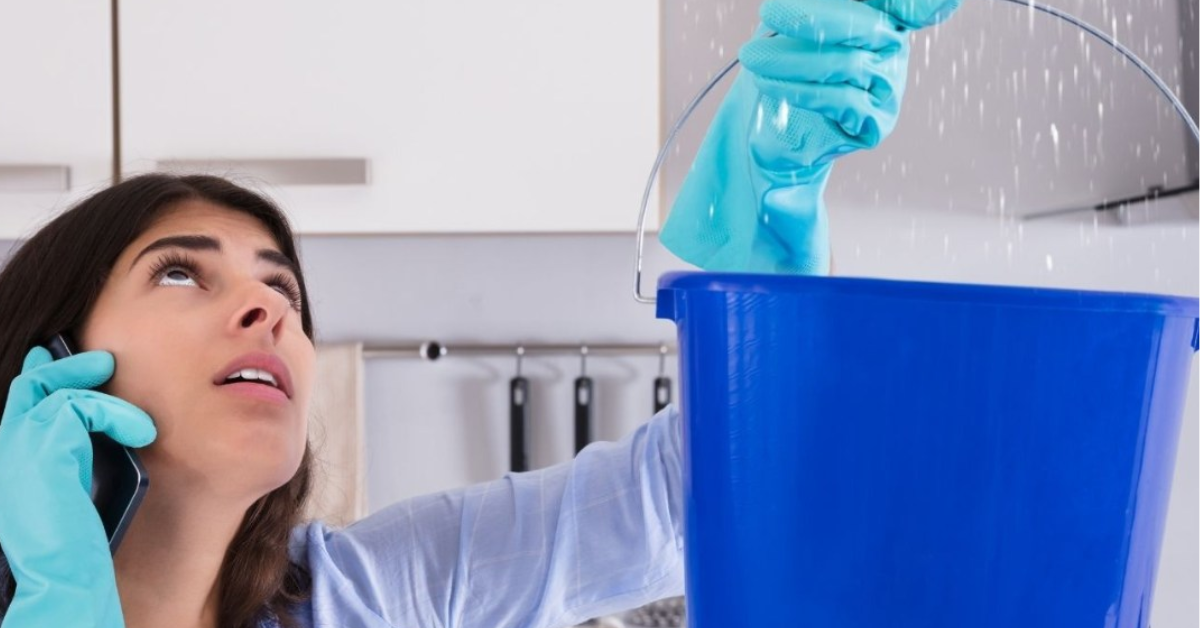
Structural and Property Damage from Mold
Mold is not just a health hazard — it can also cause significant and costly damage to your home’s structure and property. While mold may appear as a surface issue at first, it can quickly infiltrate deeper layers of your home’s materials, weakening walls, ceilings, floors, and furniture. Over time, this can compromise the structural integrity of your home, leading to expensive repairs.
In this section, we’ll explore the types of property damage caused by mold growth and why it’s essential to act quickly after water damage occurs to prevent long-term harm.
The Hidden Impact of Mold on Building Materials
Mold growth typically occurs on organic materials such as wood, drywall, carpet, and insulation, all of which are common in most homes. Once mold begins to spread, it starts breaking down the organic matter it grows on, feeding on the materials and causing them to weaken. Here’s a closer look at how mold affects some key building materials:
Wood and Wooden Structures
Wood is an ideal food source for mold because it contains cellulose, a compound that mold uses for nourishment. Once mold takes hold on wooden beams, floors, or furniture, it starts to break down the wood fibers. Over time, this results in:
-
Weakening of structural integrity: Wooden beams and floors can become so damaged by mold that they begin to sag or even collapse in extreme cases. The longer mold is left unchecked, the more damage it can do to your home’s structure.
-
Warping and rotting: Mold causes wood to warp and rot, making it structurally unsound. This can lead to expensive repairs, including the need to replace entire sections of wooden flooring or wall framing.
Drywall and Insulation
Drywall is another material that is highly susceptible to mold after water damage. Once drywall gets wet, mold can quickly start to grow on the paper backing. The consequences of mold growth on drywall and insulation are:
-
Crumbling and deterioration: Mold weakens drywall to the point where it can begin to crumble and fall apart. This can create holes in your walls, leading to drafts, poor insulation, and significant repairs.
-
Loss of insulation: If mold develops on insulation, it can destroy its effectiveness. Mold-infested insulation no longer provides proper temperature control, leading to higher energy bills and an uncomfortable living environment.
Carpeting and Upholstery
Wet carpets and upholstered furniture can quickly become breeding grounds for mold after water damage. Since these materials often trap moisture, mold can begin to spread through them rapidly. Mold damage to carpets and furniture can result in:
-
Permanent staining: Mold can leave behind unsightly stains that are difficult or impossible to remove, especially on fabrics and carpets.
-
Foul odors: Mold growth on carpet and upholstery often leads to a musty smell that lingers even after cleaning. This odor is a sign that mold has penetrated deeply into the fibers, making removal more challenging.
The Cost of Mold-Related Property Damage
The cost of repairing mold-related damage can add up quickly. Once mold infiltrates the structure of your home, it can lead to costly repairs, including:
-
Structural repairs: Replacing mold-damaged wood, drywall, and insulation can be expensive. Depending on the extent of the damage, it may require extensive labor and materials to restore the structural integrity of your home.
-
Carpet and furniture replacement: Mold-damaged carpeting and furniture often need to be replaced, as cleaning may not fully remove the mold or its accompanying odors.
-
Restoration of appliances: In cases where mold affects household appliances like HVAC systems, refrigerators, or dishwashers, restoration may require professional intervention and costly repairs.
The Risk of Mold Spreading to Other Areas
If mold growth is not addressed promptly, it can spread quickly throughout your home. Mold spores are lightweight and can travel through the air, settling on new surfaces and causing widespread contamination. For example:
-
Air ducts and HVAC systems: Mold can grow in air ducts or HVAC systems, allowing it to spread throughout your home via the ventilation system. This can affect air quality and lead to health problems for the residents.
-
Attics and Basements: Mold thrives in areas with poor ventilation and high humidity, such as basements and attics. Once mold takes hold in these areas, it can spread to the rest of the house if not addressed.
How Mold Master Pro Prevents Structural Damage from Mold
At Mold Master Pro LLC, we understand the extensive damage that mold can cause to your home. That’s why our comprehensive approach not only focuses on removing mold but also on preventing it from spreading and causing further harm to your property.
1. Prompt Action to Stop Mold Growth
The first step in preventing significant property damage is acting fast. Mold begins to grow within 24 to 48 hours after water damage occurs, and the longer it is allowed to spread, the more damage it will cause. Mold Master Pro uses advanced tools and techniques to detect moisture and assess water damage, ensuring that we catch potential mold growth early.
2. Thorough Mold Remediation and Restoration
Our team employs a multi-step remediation process to ensure that all traces of mold are removed safely and completely. This includes:
-
Removing and replacing affected materials: If drywall, insulation, or carpeting has been heavily damaged by mold, we will remove and replace it to ensure that the issue is fully addressed.
-
Restoring structural integrity: Mold Master Pro uses advanced drying and dehumidifying techniques to ensure that your home’s structure is thoroughly dried and protected from future water damage.
-
Sealing and restoring the property: After mold removal, we will repair any damage caused by water, sealing leaks and replacing materials as necessary to prevent further mold growth.
3. Prevention and Long-Term Solutions
We don’t just focus on removing mold — we aim to prevent it from returning. Mold Master Pro will provide your home with long-term solutions by:
-
Sealing moisture entry points: We’ll repair any leaks or cracks that may have contributed to water damage, ensuring that your home is less prone to future mold issues.
-
Installing moisture barriers: In areas with high humidity, such as basements and attics, we install moisture barriers to reduce the risk of mold growth.
By addressing both the root cause and the effects of water damage, Mold Master Pro ensures that your home is safe, dry, and protected from mold damage long-term.
Preventing Mold Growth: Tips for Homeowners
While Mold Master Pro LLC offers expert mold prevention and remediation services, homeowners can also take steps to prevent mold growth in their homes. Implementing some of these strategies can reduce the chances of mold becoming a problem, saving you time, money, and stress in the long run.
1. Act Quickly After Water Damage
The most important factor in preventing mold is to act quickly. The sooner you address water damage, the less chance mold has to develop. Remove water from affected areas as quickly as possible, and use fans or dehumidifiers to dry out the space. Even if water damage seems minor, don’t wait — mold can grow within 24 to 48 hours.
2. Keep Your Home Dry
Moisture is the primary cause of mold growth, so it’s essential to keep your home dry. Use dehumidifiers in areas with high humidity levels, such as basements and bathrooms. Additionally, ensure that your home is well-ventilated, and use exhaust fans to reduce humidity.
3. Regularly Inspect for Leaks and Water Damage
Leaks are one of the most common causes of mold growth. Regularly inspect your home for any leaks, particularly in areas like the roof, plumbing, and basement. If you find any leaks, repair them immediately to prevent water from accumulating and creating a breeding ground for mold.
How Mold Master Pro Prevents Mold After Water Damage
Water damage is not just an inconvenience – it’s a potential breeding ground for mold. The faster water is removed and moisture levels are reduced, the less likely it is that mold will take hold. Mold Master Pro LLC understands the importance of acting quickly and thoroughly when it comes to mold prevention and remediation after water damage.
In this section, we will walk you through the steps Mold Master Pro takes to prevent mold growth, restore your home, and ensure it remains safe, dry, and free from mold-related health hazards.
1. Water Damage Assessment: Thorough Inspection to Locate Hidden Moisture
The first step in Mold Master Pro’s process is conducting a detailed water damage assessment. Often, water damage isn’t immediately visible, especially in hidden areas like walls, attics, or beneath flooring. Mold Master Pro uses advanced moisture detection technology to locate areas of your home that may be harboring moisture.
Our Tools and Techniques for Effective Assessment:
-
Thermal imaging cameras: These cameras can detect temperature changes in building materials, identifying areas with hidden moisture that may not be immediately visible to the naked eye.
-
Hygrometers: Hygrometers measure the humidity in the air and in various materials, helping Mold Master Pro pinpoint areas at high risk for mold growth.
-
Moisture meters: These meters allow us to assess the moisture content in wood, drywall, insulation, and other building materials, helping us determine which areas need immediate attention.
With these tools, we can quickly and accurately assess the extent of the water damage, locate any hidden moisture, and begin the necessary steps to prevent mold growth before it even starts.
2. Prompt Water Removal: The Key to Stopping Mold Before It Starts
Once we’ve identified the areas of water damage, the next step is immediate water removal. The quicker water is extracted, the less chance there is for mold to begin growing. Mold Master Pro LLC uses industrial-grade equipment to remove standing water and dry out your home effectively.
Our Water Removal Process Includes:
-
High-powered water extraction: Mold Master Pro uses powerful vacuums and water extraction equipment to remove large amounts of standing water. This is especially crucial in flooded areas or rooms with heavy water accumulation.
-
Industrial dehumidifiers: After the initial water extraction, we use industrial dehumidifiers to reduce humidity levels and remove excess moisture from materials like carpets, furniture, and walls.
-
Air movers and fans: These devices are strategically placed in affected areas to promote airflow and speed up the drying process, ensuring that every inch of your home is thoroughly dried.
The faster we remove the water, the less likely it is that mold will develop, so we prioritize this step to mitigate long-term damage and prevent a mold infestation.
3. Advanced Drying Techniques: Thorough Drying for Mold Prevention
Even if there’s no standing water left, moisture can still be present in building materials. In order to fully prevent mold, every part of your home needs to be thoroughly dried. Mold Master Pro uses a combination of advanced drying equipment and techniques to ensure that all areas are dried to safe moisture levels.
Our Drying Process Includes:
-
Desiccant dehumidifiers: These heavy-duty dehumidifiers pull moisture from the air and materials, preventing mold from developing in areas with high humidity.
-
Moisture barrier installation: In areas like basements, crawl spaces, or attics, we may install moisture barriers to prevent humidity from reaching surfaces that are vulnerable to mold growth.
-
Targeted drying: For materials like hardwood floors or drywall, we use specialized equipment that dries those surfaces quickly while preserving the integrity of the material.
By controlling the humidity and moisture levels in your home, Mold Master Pro ensures that the environment remains inhospitable to mold growth, even in areas that are more susceptible, such as basements, attics, and kitchens.
4. Mold Treatment and Remediation: Preventing Future Growth
Once we’ve thoroughly dried your home, the next step is mold treatment and remediation. This is where Mold Master Pro goes beyond simply removing water and ensuring your home is dry. We also use antimicrobial agents and other mold prevention techniques to eliminate any remaining mold spores and prevent future mold growth.
Steps in Our Mold Remediation Process Include:
-
Antimicrobial treatments: We apply antimicrobial agents to any surfaces that may have come into contact with mold, killing any remaining spores and preventing them from spreading.
-
Surface cleaning and disinfecting: Mold spores often settle on surfaces that are not visibly affected by the water damage. Mold Master Pro takes extra care to clean and disinfect all affected surfaces, ensuring that no mold spores remain to cause future problems.
-
Air filtration: Using HEPA air scrubbers and filtration systems, we remove any mold spores from the air to ensure that the environment is safe to breathe. This is especially important in areas with poor ventilation, such as basements or crawl spaces.
Our comprehensive mold remediation approach ensures that we not only address existing mold growth but also create an environment where future growth is less likely.
5. Sealing and Restoration: Addressing the Source of Water Damage
One of the most crucial steps in preventing future mold growth is addressing the root cause of the water damage. Mold Master Pro LLC doesn’t just clean up after water damage; we ensure that your home is fully restored to prevent any recurring issues.
Our Sealing and Restoration Services Include:
-
Leak repairs: If the water damage was caused by a leak in your plumbing, roof, or windows, we’ll fix these issues to stop water from entering your home. Proper sealing ensures that water doesn’t infiltrate your home again, reducing the risk of mold growth.
-
Replacement of damaged materials: In some cases, we may need to replace water-damaged drywall, insulation, or carpeting to restore your home to its original condition. Mold Master Pro ensures that any structural damage caused by water is repaired before we leave your home.
-
Waterproofing: For areas prone to high moisture levels, such as basements or crawl spaces, we offer waterproofing services to create a more permanent barrier against future water damage.
By addressing the source of the water damage and ensuring that your home is restored properly, Mold Master Pro helps to safeguard your home from future mold problems.
Why Choose Mold Master Pro for Mold Prevention and Remediation?
Mold Master Pro LLC offers comprehensive and expert mold prevention and remediation services designed to protect your home from the harmful effects of water damage and mold growth. Here’s why homeowners choose Mold Master Pro for their mold remediation needs:
1. Certified and Experienced Professionals
Our team is made up of highly trained and certified mold remediation specialists. We use the latest techniques and equipment to provide thorough, effective mold prevention and remediation services. With years of experience, we understand the complexities of mold growth and water damage, and we know how to handle it effectively.
2. Advanced Technology
Mold Master Pro uses state-of-the-art technology to assess, treat, and prevent mold. From moisture detection tools to high-powered drying equipment, we have the resources to ensure that your home is protected from mold growth.
3. Comprehensive Services
We offer a complete range of services, from water damage assessment and extraction to full mold remediation and restoration. Our approach ensures that your home is not only mold-free but also fully restored to its pre-damage condition.
4. 24/7 Emergency Services
Water damage and mold can occur at any time, which is why Mold Master Pro offers 24/7 emergency services. If you experience sudden water damage, we’re ready to respond quickly, minimizing the risk of mold and ensuring that your home is restored as soon as possible.
5. Commitment to Customer Satisfaction
At Mold Master Pro, our priority is your safety and satisfaction. We work closely with homeowners throughout the remediation process, ensuring that your home is not only safe but also restored to its best condition. Our transparent communication and dedication to excellence make us a trusted partner in mold prevention and remediation.
Practical Tips for Homeowners to Prevent Mold Growth
While Mold Master Pro LLC provides expert mold remediation services, homeowners also play a critical role in preventing mold growth after water damage. Implementing preventative measures and addressing potential moisture issues proactively can save you time, money, and stress down the road. Below are practical tips that homeowners can follow to reduce the risk of mold growth and keep their homes safe.
1. Act Quickly After Water Damage
The sooner you act after water damage, the less likely it is that mold will take hold. If you notice flooding, leaks, or other water-related issues in your home, it’s crucial to address them immediately. Whether it’s water from a burst pipe, a leaking roof, or an appliance malfunction, acting fast can reduce the moisture levels in your home and prevent mold from forming.
Immediate Actions to Take:
-
Remove excess water: If possible, use towels, mops, or a wet/dry vacuum to remove as much standing water as you can. The faster you get rid of the water, the less time mold spores have to colonize.
-
Use fans and dehumidifiers: If it’s safe to do so, set up fans or industrial dehumidifiers to dry out the area. These tools can help reduce humidity levels and speed up the drying process.
-
Call for professional help: For larger water damage, or if you’re unsure how to handle the situation, contact a professional mold remediation company like Mold Master Pro. We can assess the damage, extract water, and prevent mold growth.
2. Keep Your Home Dry and Well-Ventilated
Mold thrives in humid, damp conditions, so it’s important to keep your home dry, especially in areas prone to moisture like basements, bathrooms, and kitchens. Maintaining a dry environment is one of the most effective ways to prevent mold growth.
Tips for Drying and Ventilating Your Home:
-
Use dehumidifiers: Consider placing dehumidifiers in areas with high humidity, like basements or crawl spaces. Dehumidifiers help to pull excess moisture out of the air, which lowers the risk of mold.
-
Improve ventilation: Open windows when possible to allow fresh air to circulate and reduce moisture buildup. Install exhaust fans in kitchens and bathrooms to remove humidity after cooking or showering.
-
Airflow: In areas like attics, ensure there is proper ventilation to allow moisture to escape. Use vents and fans to keep the air moving and prevent condensation buildup.
3. Regularly Inspect for Leaks and Water Damage
Leaks can be sneaky, and often, water damage occurs in hidden areas that homeowners might not notice right away. Conducting regular inspections of your home can help you catch potential issues before they turn into bigger problems.
What to Inspect:
-
Plumbing: Check pipes under sinks, around water heaters, and behind walls for signs of leaks or condensation. Even small leaks can lead to significant water damage over time.
-
Roof and Gutters: Inspect your roof for any damaged shingles, cracks, or areas where water might be entering. Clean out gutters regularly to ensure they are draining properly, as clogged gutters can lead to water spilling over into your home’s foundation.
-
Windows and Doors: Check for drafts or moisture around windows and doors, especially after heavy rain. Sealing any gaps or cracks can prevent water from entering your home.
By staying on top of routine maintenance and repairs, you can reduce the chances of water damage and mold growth.
4. Install a Moisture Barrier in High-Risk Areas
Certain areas of your home, such as basements and crawl spaces, are more prone to high humidity and water accumulation. Installing a moisture barrier can help prevent moisture from infiltrating these areas and reduce the likelihood of mold growth.
Where to Install Moisture Barriers:
-
Basements and crawl spaces: These areas are often damp due to the surrounding soil and groundwater. A moisture barrier can be installed on the walls or floor to keep the area dry.
-
Bathrooms: Bathrooms, especially those without proper ventilation, can be hotspots for mold. Use moisture-resistant materials like mold-resistant drywall, and apply sealants around the base of sinks and tubs to prevent water from leaking into the walls.
Moisture barriers can significantly reduce the chances of mold growth by keeping the environment drier and less conducive to mold formation.
5. Maintain Proper Drainage Around Your Home
Proper drainage around your home is critical in preventing water from accumulating near your foundation. Water that pools around the base of your home can seep into your walls and basement, leading to moisture buildup and mold growth.
Drainage Maintenance Tips:
-
Clean gutters regularly: Ensure that gutters and downspouts are clean and free of debris. This allows water to flow away from your home rather than pooling near the foundation.
-
Check grading: Make sure that the ground slopes away from your home’s foundation. If the ground around your house is flat or slopes inward, it can cause water to collect near your foundation, leading to leaks.
-
Install sump pumps: For homes with basements, sump pumps are an effective way to keep water from accumulating in your basement. These pumps automatically remove excess water and keep your home dry.
Proper drainage is one of the easiest and most effective ways to prevent long-term water damage and mold problems.
Why Choose Mold Master Pro?
-
Expert Technicians: Our certified professionals are trained to handle any mold-related issue, using the latest tools and techniques to ensure a mold-free environment.
-
Comprehensive Services: From assessment to remediation, we offer end-to-end services to address water damage and prevent mold growth.
-
24/7 Availability: Water damage doesn’t wait for business hours, and neither do we. Mold Master Pro offers 24/7 emergency services to ensure your home is protected at all times.
-
Customer Satisfaction: We prioritize your safety and peace of mind. Our team works closely with you throughout the process to ensure that your home is fully restored and protected.
If you’ve experienced water damage or are concerned about mold growth in your home, don’t wait. Contact Mold Master Pro LLC today for a professional, comprehensive solution to prevent mold and restore your home.
Conclusion: Why Mold Master Pro is Your Go-To Solution for Mold Prevention and Remediation
Mold growth after water damage is a serious concern that can lead to significant health and property damage if not addressed quickly and properly. Thankfully, Mold Master Pro LLC offers comprehensive mold prevention and remediation services designed to safeguard your home from mold-related issues.
From thorough water damage assessments and rapid water removal to advanced drying techniques and mold remediation treatments, Mold Master Pro ensures your home is dry, safe, and mold-free. With years of experience, advanced technology, and a dedicated team of professionals, Mold Master Pro is the trusted choice for homeowners seeking fast, effective mold prevention and remediation.
Frequently Asked Questions (FAQs)
1. How long does it take for mold to grow after water damage?
Mold can begin to grow as soon as 24 to 48 hours after water exposure. The longer the moisture remains in your home, the more likely it is that mold will develop. This is why it’s crucial to address water damage immediately by removing excess water and drying affected areas as quickly as possible. Mold Master Pro LLC recommends swift action to prevent mold growth and minimize damage.
2. Can I remove mold myself, or should I hire a professional?
While small mold infestations may seem manageable, it’s always best to hire a professional mold remediation company like Mold Master Pro LLC to handle the issue. Mold can be hazardous to health, especially if it spreads behind walls or in hidden areas. Professionals have the tools, expertise, and protective equipment to safely remove mold and ensure it doesn’t return.
3. What are the health risks associated with mold exposure?
Mold exposure can cause a range of health problems, especially for individuals with allergies, asthma, or weakened immune systems. Common symptoms include:
-
Respiratory issues (coughing, wheezing, shortness of breath)
-
Skin irritation
-
Nasal and sinus congestion
-
Eye irritation
-
Fatigue or headaches
In more severe cases, exposure to certain types of mold, such as black mold (Stachybotrys chartarum), can cause more serious health issues, including neurological symptoms. It is crucial to address mold growth promptly to minimize health risks.
4. How can I tell if I have mold in my home?
Mold is often visible in damp or humid areas. However, it can also grow in hidden spaces, like behind walls or under carpets. Signs that mold might be present include:
-
A musty odor
-
Visible black, green, or white spots on walls, ceilings, or floors
-
Water stains or discoloration on surfaces
-
Persistent dampness or condensation in certain areas
If you notice any of these signs or have concerns about hidden mold, Mold Master Pro LLC can perform a thorough inspection and mold assessment to identify and address the issue.
5. Will water damage automatically lead to mold growth?
Not all water damage results in mold growth, but it does create favorable conditions for mold to develop. Mold needs moisture, a food source (like wood, drywall, or carpet), and a warm environment to grow. If water is quickly removed and affected areas are dried thoroughly, the risk of mold growth is significantly reduced. Mold Master Pro LLC uses industrial-grade dehumidifiers and air movers to ensure fast drying and minimize the chances of mold taking hold.
6. How can I prevent mold from growing in my basement or crawl space?
Basements and crawl spaces are particularly prone to moisture buildup, making them ideal places for mold to grow. Here are some tips to prevent mold growth:
-
Use a dehumidifier: Keep humidity levels in check with a dehumidifier.
-
Install a moisture barrier: Moisture barriers on walls and floors can help prevent water from entering.
-
Ensure proper ventilation: Make sure there’s adequate airflow in these areas to prevent dampness from lingering.
-
Regularly check for leaks: Look for any signs of leaks in pipes, walls, or the foundation, and address them promptly.
Mold Master Pro LLC offers services to help prevent mold growth in these high-risk areas by sealing entry points and ensuring proper drainage and ventilation.
7. How does Mold Master Pro LLC handle mold removal?
Mold Master Pro LLC follows a systematic, step-by-step process to remove mold and prevent future growth. Here’s how we handle the mold removal process:
-
Assessment: We conduct a thorough inspection to identify all affected areas using advanced moisture detection tools.
-
Water Removal: We use high-powered extraction equipment to remove standing water and excess moisture.
-
Drying: We deploy industrial dehumidifiers and air movers to thoroughly dry the area.
-
Mold Remediation: We apply antimicrobial treatments to kill any remaining mold spores and prevent them from spreading.
-
Restoration: Once the mold is removed and the area is dry, we restore any structural damage caused by the water.
8. What should I do if I have a mold problem but can’t afford professional remediation?
If you’re concerned about the cost of professional mold removal, Mold Master Pro LLC offers a range of affordable solutions and can help you prioritize steps to reduce mold damage. We also offer free consultations and may be able to work with your insurance provider to cover the cost of mold remediation if water damage is covered under your policy.
9. How can I detect hidden mold in my home?
Hidden mold can be tricky to find, as it often grows behind walls, under carpets, or in areas with poor ventilation. If you suspect mold but can’t see it, Mold Master Pro LLC uses advanced tools such as thermal imaging cameras, moisture meters, and hygrometers to detect hidden moisture and mold. If we identify a problem, we can perform mold testing and provide a comprehensive mold removal plan.
10. How can I prevent mold after flooding?
Flooding presents a significant risk for mold growth, especially if water is left to sit for an extended period. To prevent mold after a flood:
-
Start cleanup as soon as possible: Remove water and dry affected areas within the first 24-48 hours.
-
Call professionals: Flooding can lead to widespread water damage, and it’s best to call a mold remediation company to assess and mitigate the risk of mold.
-
Dispose of materials that can’t be salvaged: Items like soaked carpeting, drywall, and insulation may need to be discarded, as they are prime mold-growing materials.
Mold Master Pro LLC specializes in handling flood-related water damage and can help ensure that your home is dried and treated to prevent mold.
11. Will insurance cover mold remediation?
In many cases, homeowner’s insurance can cover mold remediation if the mold is caused by a covered event, such as a burst pipe, storm damage, or a roof leak. However, policies vary, and it’s important to check with your insurance provider to understand your coverage. Mold Master Pro LLC can assist with the insurance claim process and provide the necessary documentation for the remediation work we perform.
12. What are the signs of toxic mold?
Toxic mold, such as black mold (Stachybotrys chartarum), can cause more serious health issues than other types of mold. If you experience any of the following symptoms after exposure, it could be a sign of toxic mold:
-
Severe respiratory problems (wheezing, coughing, difficulty breathing)
-
Headaches and dizziness
-
Memory loss or difficulty concentrating
-
Chronic fatigue
-
Skin rashes
If you suspect toxic mold, it’s essential to contact a professional remediation service immediately. Mold Master Pro LLC can identify and remove toxic mold to protect your health and property.