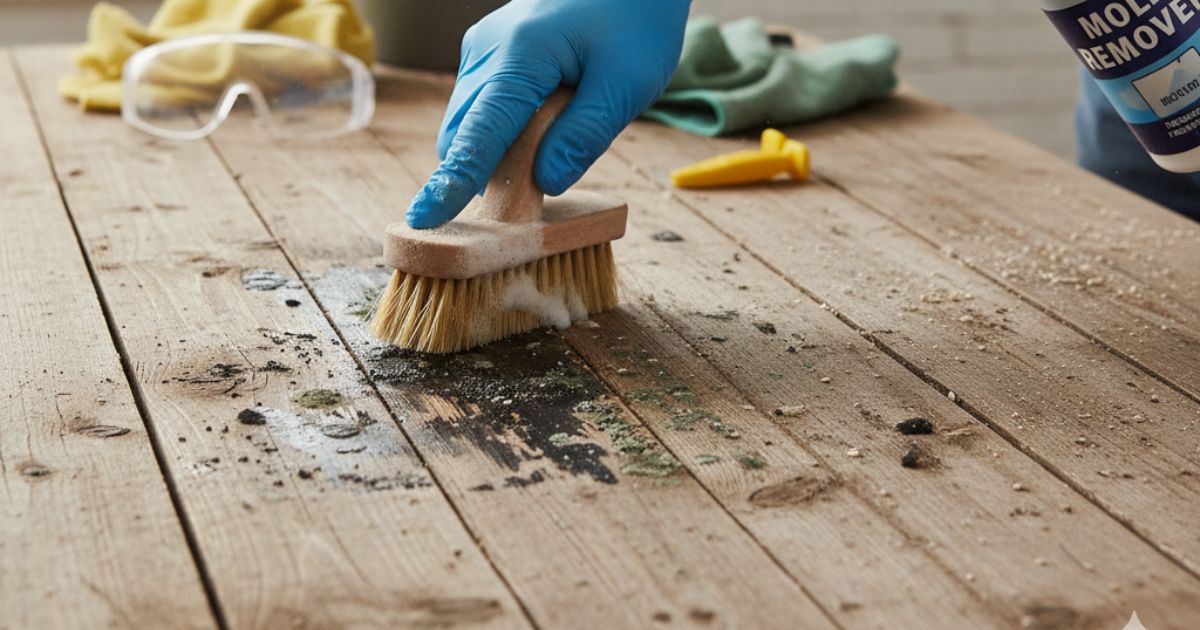
Mold on wood isn’t just an eyesore, it’s a warning sign of moisture damage that can compromise your home’s structure and air quality. Whether you’re dealing with black mold on wood, white mold on wood, or any other moldy wood, knowing how to remove mold from wood correctly prevents costly repairs and protects your family’s health.
This in-depth guide explains everything about cleaning mold from wood, from identifying mold types to applying the best mold remover for wood, and preventing regrowth. Use these expert-approved methods to treat furniture, floors, and ceilings safely and effectively.
What Is Mold and Why Is It a Problem for Wooden Surfaces?
Mold is a microscopic fungus that thrives on organic materials such as wood, drywall, or paper when moisture and warmth combine. Within 48 hours of a leak or high humidity, mold on wood can begin to spread. If ignored, it weakens surfaces, damages finishes, and contaminates indoor air.
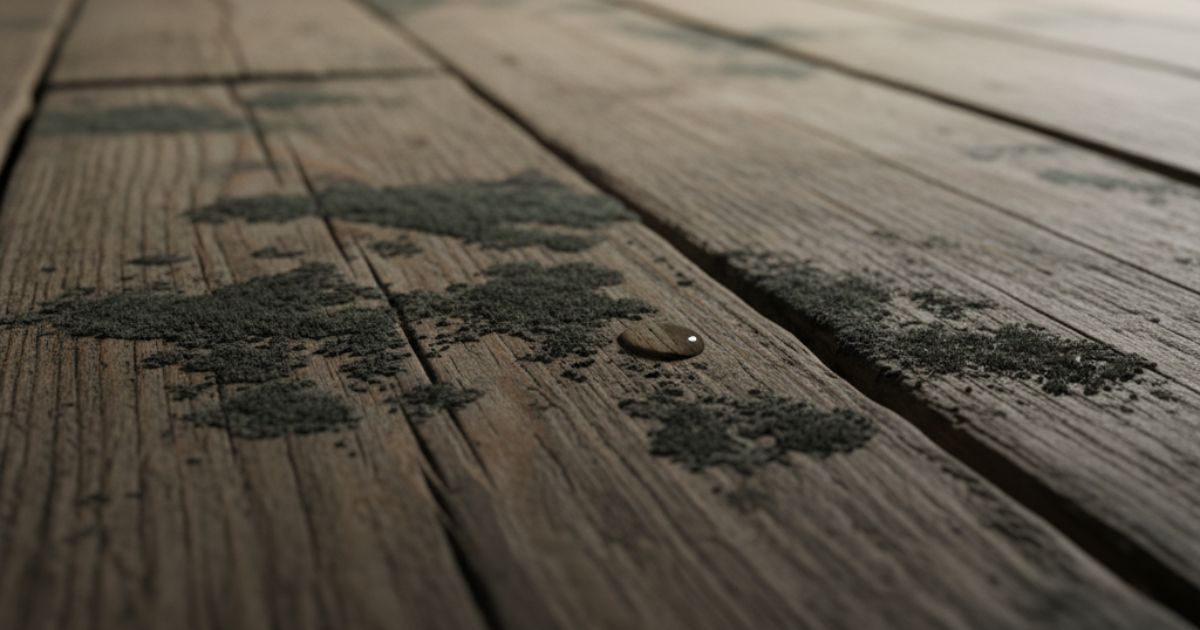
Understanding how to clean mold off wood promptly is the first step toward maintaining a healthier home and avoiding professional mold remediation on wood later.
Health Risks of Mold Exposure
Continuous exposure to black mold on wood or white mold on wood can trigger allergic and respiratory problems. Common symptoms include:
- Persistent coughing, sneezing, or nasal congestion
- Watery eyes and skin irritation
- Headaches or chronic fatigue
- Worsened asthma or bronchial inflammation
Infants, older adults, and anyone with compromised immunity are most at risk. If you notice these symptoms when near affected areas, professional mold treatment for wood may be necessary.
Related Article: How Mold Affects Your Health: Essential Tips for Hartford County Residents
Structural Damage From Mold
When left untreated, mold feeds on cellulose inside wood fibers. Over time this fungus on wood can lead to:
- Warped, soft, or cracked boards and beams
- Peeling paint or bubbling finishes
- Musty odors that persist after surface cleaning
- Structural instability requiring replacement
Learning to remove mold from wood early prevents costly restoration work and keeps your home safe.
Related Article: Simple 2025 Guide to Mold in Homes: Signs, Causes & Prevention
Types of Mold That Commonly Grow on Wood
Not all molds are the same, and knowing what type of mold on wood you’re dealing with helps determine the best cleaning or mold treatment for wood. Below are the four most common types found in homes and how they impact your health and property.
Aspergillus
The Most Common Indoor Mold on Wood That Thrives in Humid and Warm Environments. Aspergillus is one of the most frequent indoor molds, appearing in shades of green, yellow, or brown. It thrives in warm, damp places like basements, attics, or near leaking windows. While many strains are non-toxic, prolonged exposure can still cause allergic reactions or respiratory irritation.
How to remove it: Clean affected areas with a vinegar-based mold cleaner for wood, allow it to sit for 15 minutes, then scrub gently and dry thoroughly.
Penicillium
The Fast-Spreading Mold That Causes Blue or Green Patches on Damp Wood Surfaces. Penicillium is recognizable by its fuzzy blue or green appearance. It grows quickly on water-damaged wood, insulation, and fabrics. This mold type spreads fast, releasing airborne spores that can trigger asthma and allergic symptoms.
How to remove it: To remove mold from wood caused by Penicillium, use hydrogen peroxide or an eco-safe mold remover for wood, then ventilate the area well to stop regrowth.
Stachybotrys chartarum (Black Mold)
The Toxic Mold on Wood That Requires Immediate Professional Remediation. Also known as black mold, Stachybotrys chartarum is a highly toxic mold often found on wood continuously exposed to water. It appears slimy, dark green to black, and has a strong musty odor.
Black mold on wood can produce mycotoxins that cause neurological, respiratory, and immune-related health issues.
How to remove it: If you find this type of mold, avoid touching it and call a certified remediation team. DIY attempts can worsen contamination and spread spores.
Alternaria
The Airborne Mold That Spreads Quickly Across Wood, Walls, and Indoor Surfaces, Alternaria appears as dark brown or black spots that grow rapidly on damp surfaces, including wooden window frames and bathroom walls. It is often an indicator of high humidity or water intrusion.
How to clean it: Apply vinegar or a specialized mold spray for wood, scrub gently, and dry completely. Continuous ventilation helps stop reappearance.
Mold growth varies by environment, but any visible contamination should be treated quickly to prevent spread. Once you’ve identified the type, move on to proper cleaning and removal methods.
Common Signs of Mold on Wood That Indicate Early Contamination
Look for these telltale signs of moldy wood:
- Discoloration: Black, green, or white spots or streaks.
- Odor: Musty, earthy smell that worsens in humid conditions.
- Texture changes: Soft or crumbly wood indicates long-term growth.
- Air quality symptoms: Increased sneezing, coughing, or watery eyes when nearby.
If you notice any combination of these, it’s time to clean up mold on wood immediately to stop it from spreading deeper.
Tips for Distinguishing Mold From Wood Stains
Sometimes, mold on wood can look like simple dirt or staining. To confirm it’s mold:
- Dampen a small section with water.
- Lightly scrub with a soft brush.
- If the discoloration smears or releases an odor, it’s mold, not a natural mark.
If you’re unsure, testing kits or professional evaluations can identify mold species and determine the right mold cleaner for wood or treatment method.
Additional Considerations for Hidden Mold Growth
Mold doesn’t always grow where you can see it. Mold remediation on wood may be required if:
- Paint keeps peeling or bubbling.
- There’s a persistent odor after surface cleaning.
- Moisture or leaks exist behind walls or ceilings.
- You see condensation on window frames or beams.
Professional moisture meters can detect hidden moisture behind painted or sealed wooden structures. By doing so, addressing trapped humidity prevents ongoing contamination and thus ensures mold treatment for wood is long-lasting.
Safety Precautions
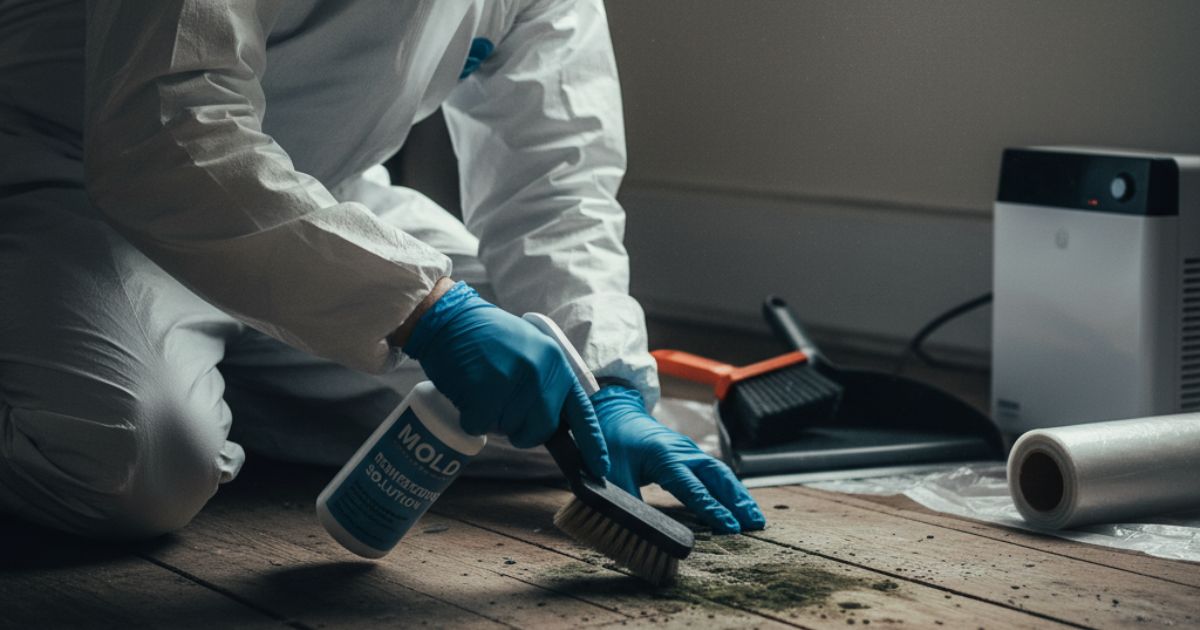
When learning how to remove mold from wood, safety must always come first. Mold spores can easily spread through the air during cleaning, contaminating nearby surfaces and posing health risks. Taking proper precautions before cleaning mold from wood prevents respiratory issues and cross-contamination.
Removing Mold from Wood
Before starting your DIY project, assume the area contains active mold spores and prepare accordingly. Below are essential safety measures every homeowner should follow to ensure effective and safe mold remediation on wood.
Use Proper Protective Gear to Prevent Skin Contact and Inhalation
Always wear personal protective equipment (PPE) before touching or disturbing any moldy wood. Mold spores can cling to clothing, hair, or skin, spreading to other rooms in your home. Essential PPE includes:
- N95 respirator mask: Prevents inhalation of airborne mold spores.
- Gloves: Use nitrile or rubber gloves to avoid direct skin contact.
- Goggles: Protect your eyes from irritants and cleaning sprays.
- Long sleeves and pants: Cover your skin completely to avoid exposure.
After cleaning mold from wood, wash clothing separately and sanitize all reusable gear.
Seal Off and Ventilate the Work Area to Contain Mold Spores
When you begin to remove mold from wood, spores can become airborne quickly. To contain them:
- Close interior doors and use plastic sheeting to seal off the affected area.
- Open windows and use box fans to push contaminated air outdoors.
- Turn off HVAC systems to prevent spores from circulating through vents.
This balance of isolation and ventilation is key to maintaining safe indoor air quality while performing mold remediation on wood.
Avoid Using Harsh or Mixed Chemicals
Homeowners often use strong chemicals like bleach to kill mold on wood, but mixing substances such as bleach and ammonia releases toxic gases. Always use one cleaning agent at a time and follow these tips:
- Prefer natural cleaners like vinegar or hydrogen peroxide.
- Use a commercial mold cleaner for wood that’s labeled safe for wooden surfaces.
- Avoid oversaturating wood, as excessive liquid encourages regrowth.
By choosing the right mold remover for wood, you not only kill existing spores but also protect the material’s finish and integrity.
Dispose of Contaminated Materials
After you’ve successfully cleaned up mold on wood, don’t overlook disposal safety. Use sealed plastic bags for paper towels, rags, and debris, then discard them outdoors.
Vacuum the area with a HEPA-filter vacuum to trap remaining spores and clean the filter afterward. Never sweep or dry-dust moldy surfaces, as this spreads spores.
Know When to Stop DIY Cleaning and Contact Professionals
If you’re working on an area larger than 10 square feet or suspect black mold on wood, stop immediately and call certified specialists. In fact, professional teams use containment barriers, air scrubbers, and advanced mold killer for wood products to eliminate spores completely and safely.
By taking these safety precautions, you ensure your cleaning mold from wood efforts are effective, healthy, and long-lasting. Otherwise, skipping protective steps can lead to mold spreading faster or recurring within days.
Supplies Needed
Having the right tools and products ready before you start helps you remove mold from wood more efficiently and safely. Without proper equipment, cleaning may spread spores instead of eliminating them. Below is a complete checklist of items every homeowner should prepare before cleaning mold from wood surfaces or furniture.
Mold Removal from Wood
Mold removal from wood involves safely cleaning affected surfaces without damaging the material. It requires using gentle cleaning agents and proper drying techniques to prevent future growth.
Essential Protective Gear and Safety Tools Required
Personal safety comes first when handling mold on wood. Equip yourself with:
- N95 respirator mask or higher: Prevents inhaling airborne mold spores.
- Rubber or nitrile gloves: Protects your hands from irritants.
- Protective goggles: Shields eyes from cleaning sprays and spores.
- Disposable coveralls or old clothing: Keeps spores off your body and laundry.
Always remove and seal contaminated clothing in plastic bags after finishing your mold remediation on wood project.
Cleaning Solutions and Mold Removers Designed Specifically
The choice of cleaner determines how successful your results will be. Safe and effective mold remover for wood options include:
- White vinegar: Natural acid that kills most mold species without damaging wood.
- Hydrogen peroxide (3%): Breaks down fungal structures and disinfects.
- Mild dish detergent: Useful for surface-level mildew or white mold on wood.
- Commercial mold cleaner for wood: Formulated to penetrate porous fibers.
Avoid chlorine bleach except in severe cases, as it may discolor or weaken wood grain. Always test cleaners on a small hidden area first.
Tools and Equipment to Apply Cleaners and Remove Mold Without Damaging
Using the proper tools makes cleaning mold from wood faster and more thorough. Prepare:
- Spray bottles: For even application of cleaning solutions.
- Soft-bristle brushes: To scrub mold gently without scratching.
- Buckets and microfiber cloths: For rinsing and wiping away residue.
- HEPA vacuum: Captures airborne spores and fine dust after sanding or scrubbing.
- Sandpaper (fine grit): Removes stubborn surface mold or stains safely.
These tools allow you to maintain wood quality while performing mold remediation on wood.
Drying and Dehumidifying Equipment to Prevent Mold Regrowth
Drying is one of the most critical parts of mold removal. Even the best mold killer for wood won’t work if moisture remains. Keep the following ready:
- Fans or air movers: Promote airflow and quicker drying.
- Dehumidifier: Keeps humidity between 30–50%.
- Moisture meter: Confirms that wood is fully dry before sealing or refinishing.
Thorough drying ensures mold treatment for wood lasts and prevents new colonies from forming.
Optional Supplies to Enhance Long-Term Mold Prevention from Mold
After you remove mold from wood, consider applying preventive coatings or treatments such as:
- Mold-resistant sealants or varnish: Adds a protective barrier against future moisture.
- Boric acid or antifungal sprays: Kill any remaining spores inside pores.
- Mold-resistant paint: Ideal for attics, basements, and wood trim in humid areas.
These preventive supplies are worth the investment, especially if your home is prone to high humidity or past water damage.
Proper preparation with these supplies ensures that when you begin the clean-up mold on wood process, you can complete it efficiently, safely, and with professional-quality results.
Steps to Remove Mold from Wood Safely
Knowing how to remove mold from wood correctly ensures you eliminate the source of contamination without harming the material. Whether you’re treating black mold on wood, white mold on wood, or general moldy wood, follow these professional-grade steps to restore your surfaces and prevent future outbreaks.
Protect Yourself and Your Environment
These methods apply to both unfinished and finished wood, from furniture to flooring, and are based on EPA-recommended mold remediation on wood best practices.
Ventilate the Area and Control Airflow Before You Begin Cleaning Mold on Wood Surfaces
Proper ventilation prevents mold spores from spreading during cleaning. Open all windows and doors, and place box fans facing outward to push air outdoors. Turn off HVAC systems to avoid contaminating ductwork.
Creating airflow while isolating the area with plastic sheeting helps keep spores contained. This step is crucial when cleaning mold from wood in basements, attics, or crawl spaces where air movement is limited.
Apply the Right Cleaning Solution or Mold Spray for Wood to Begin the Treatment Process
Spray a cleaning solution such as white vinegar, hydrogen peroxide, or a commercial mold spray for wood onto the affected surface. Allow it to sit for 10–15 minutes so the cleaner penetrates the mold colonies.
For heavy growth, mix one part vinegar with one part water in a spray bottle. If dealing with black mold on wood, use a professional mold killer for wood product for deeper disinfection.
Never mix cleaning agents like bleach and ammonia, as this produces toxic fumes.
Scrub the Mold-Affected Wooden Area Thoroughly to Remove Fungal Growth and Surface Stains
Use a soft-bristle brush or sponge to scrub gently in circular motions. Avoid harsh brushes that may scratch the wood grain. Continue scrubbing until visible mold disappears and the surface looks clean.
If cleaning furniture or trim, test the brush in a small hidden section first. Scrubbing is an essential step in effectively removing mold from wood, as it physically detaches spores from the fibers.
Wipe Away Remaining Mold Residue Using a Clean Damp Cloth or Paper Towels
After scrubbing, use a damp microfiber cloth to wipe away residue. Rinse the cloth often and replace it when dirty to avoid re-spreading spores.
Dispose of used towels immediately in sealed plastic bags. Once wiped clean, inspect for any lingering discoloration that may indicate embedded mold. This process ensures you’ve completely cleaned up mold on wood surfaces before drying.
Let the Wood Dry Completely to Prevent Mold Spores from Returning or Spreading
Drying is one of the most important steps in cleaning mold from wood. Moisture left behind can trigger regrowth within 24 hours. Use fans, dehumidifiers, or natural airflow to ensure full drying.
If you have a moisture meter, check that the wood’s moisture level is below 15%. Dry wood halts fungal activity and guarantees your mold treatment for wood is long-lasting.
Repeat the Cleaning Process with Stronger Solutions If Mold Spots Are Still Visible on Wood
If stains remain after drying, repeat the cleaning process using a more concentrated vinegar solution or hydrogen peroxide. Alternatively, for stubborn fungus on wood, apply a diluted bleach mixture (1 cup bleach per gallon of water).
Moreover, ensure proper ventilation while using bleach. Then, wipe and dry the area thoroughly after treatment. Ultimately, repeated cleaning ensures you completely kill mold on wood down to its roots.
Sand the Surface Lightly to Remove Embedded Mold and Restore the Wood’s Appearance
If discoloration or musty odor persists, light sanding may be required. Use fine-grit sandpaper or an orbital sander to remove the top layer of wood where spores might remain.
Vacuum dust with a HEPA filter immediately after sanding to prevent airborne spores. Sanding is especially effective for moldy wood furniture, beams, and flooring that has absorbed contamination deeply.
Clean the Surrounding Area and Dispose of Contaminated Materials to Prevent Reinfestation
After you remove mold from wood, focus on cleanup. Vacuum the entire area using a HEPA vacuum, including nearby carpets, vents, and baseboards.
Dispose of all cleaning materials, cloths, brushes, or gloves, in sealed plastic bags.
This final step ensures that loose spores don’t settle back onto your cleaned wood surfaces, thereby maintaining a safe and healthy environment.
By consistently applying the steps outlined in this guide, you can successfully remove mold from wood and protect your home from future infestations. However, for severe cases or persistent mold problems, always consult a professional mold remediation service to ensure thorough and safe removal.
Removing Mold on Wood Floors and Ceilings
Wood floors and ceilings are highly vulnerable to mold because they trap moisture in layers and seams. When mold on wood flooring or ceiling panels goes unnoticed, it can spread below the surface, causing both structural and air-quality problems.
Take Precautions to Protect Finishes
Learning how to remove mold from wood in these areas requires patience and precision. Otherwise, incorrect cleaning can trap moisture beneath the finish or drive spores deeper into cracks, ultimately leading to recurring mold remediation on wood problems later.
How to Remove Mold from Wooden Floors
If you notice white mold on wood floors or dark streaks between boards, begin by clearing the area and isolating it from the rest of the home. Then follow these steps:
- Vacuum with a HEPA filter to remove loose spores.
- Apply vinegar or a mild detergent solution using a spray bottle. Avoid soaking the wood.
- Scrub gently with a soft-bristle brush, focusing on crevices.
- Dry thoroughly using fans or a dehumidifier to prevent water from seeping beneath planks.
If discoloration remains, sand lightly and reseal the floor using a mold-resistant polyurethane coating. Proper sealing helps prevent moldy wood floors from reabsorbing moisture.
How to Clean Mold Off Wooden Ceilings
Ceilings often develop mold on wood beams due to roof leaks or trapped attic humidity. Cleaning overhead surfaces requires extra caution to avoid spreading spores:
- Lay plastic sheeting or drop cloths over floors and furniture.
- Use a mold spray for wood or hydrogen peroxide solution and apply it with a sponge mop.
- Allow the cleaner to sit for 10–15 minutes.
- Gently scrub with an extendable soft brush.
- Wipe away residue and dry completely with airflow.
If mold stains remain, sanding followed by mold treatment for wood is recommended. For extensive ceiling damage or structural rot, contact professionals for safe mold remediation on wood beams.
When to Call Professional Mold Removal Experts
If the mold growth covers an area larger than 10 square feet or you suspect black mold on wood, stop all cleaning efforts and contact licensed remediation specialists. Professionals use infrared scanners to detect hidden colonies under paint or floorboards.
They also apply commercial-grade mold killer for wood and HEPA filtration systems to prevent airborne spread during cleanup. Attempting DIY removal in large areas can worsen contamination by releasing spores into your HVAC system.
Tips for Preventing Mold from Returning on Wood
After you successfully clean up mold on wood, maintaining a dry environment is essential. Follow these prevention practices:
- Use a dehumidifier in basements and upper floors.
- Fix leaky pipes and roofs promptly.
- Keep room humidity between 30–50%.
- Inspect subflooring and attic beams regularly.
- Reseal wood surfaces every 12–18 months with a mold-resistant finish.
These small steps can prevent expensive future mold remediation on wood.
Properly treating mold on wood floors and ceilings helps you protect both your investment and your indoor air quality. When handled with the right products, drying techniques, and preventive coatings, you can keep wooden structures mold-free for years to come.
How to Prevent Future Mold Growth on Wood
Once you’ve learned how to remove mold from wood, the next essential step is prevention. Mold spores are always present in the air, but they only grow when moisture and organic material meet. By managing humidity, fixing leaks, and improving ventilation, you can stop mold on wood from coming back.
Control Moisture to Prevent Mold
Preventive maintenance is always easier and cheaper than mold remediation on wood after an outbreak. Follow these key strategies to protect your furniture, floors, and ceilings for the long term.
Check Your Insulation Regularly to Prevent Condensation and Reduce Moisture Buildup on Wooden Surfaces
Poor insulation can cause temperature differences that create condensation, a perfect breeding ground for moldy wood. As such, inspect your attic, basement, and crawl spaces annually to ensure insulation is dry and intact.
In addition, if insulation is damp or discolored, it should be replaced immediately, and surrounding gaps must be sealed. Ultimately, a properly insulated home maintains stable humidity, significantly reducing the risk of white mold on wood and hidden fungus growth behind walls.
Control Moisture Levels Throughout Your Home to Stop Mold from Forming on Wood and Other Surfaces
Moisture is the leading cause of fungus on wood and must be managed proactively. For instance, fix leaky roofs, plumbing, or HVAC systems immediately. Additionally, after spills or flooding, dry all wooden surfaces within 24 hours.
Furthermore, using a dehumidifier in basements and bathrooms can maintain safe humidity levels year-round. As a result, this single step dramatically reduces the chance of needing mold treatment for wood later.
Improve Ventilation and Air Circulation to Prevent Mold on Wood and Maintain Balanced Indoor Humidity
Good ventilation is critical in preventing mold on wood because stagnant air traps moisture. Keep interior doors open to allow airflow, and install exhaust fans in bathrooms, kitchens, and laundry rooms.
If you live in a humid region, consider whole-house ventilation systems that exchange indoor and outdoor air. This helps prevent mold remediation on wood caused by long-term trapped humidity.
Keep Susceptible Areas Clean to Stop Mold Spores from Settling and Growing on Wooden Surfaces
Dust, grime, and organic particles feed mold spores. Regularly cleaning baseboards, window frames, and furniture can prevent future outbreaks. Use natural cleaners or mild detergents to wipe down surfaces weekly.
For homes that have experienced past infestations, applying a mold cleaner for wood once a month can act as a preventive shield.
Monitor Humidity Levels Inside Your Home to Maintain Ideal Conditions for Mold Prevention on Wood
Humidity control is one of the easiest yet most effective preventive actions. Keep indoor relative humidity between 30–50%. You can monitor this using an inexpensive hygrometer.
If levels rise above 55%, run a dehumidifier. In extremely dry conditions, avoid over-humidifying in winter, as this may also lead to condensation on wood. Balancing humidity ensures mold on wood doesn’t return after cleaning.
Use Mold-Resistant Products and Sealants to Protect Wood from Moisture and Fungal Growth Long-Term
After cleaning mold from wood, protect it with long-term coatings. Choose:
- Mold-resistant sealants: Prevent moisture absorption.
- Antifungal primers: Offer additional protection under paint.
- Boric acid treatments: Safe, natural deterrent for mold and mildew.
- Mold-resistant paints: Ideal for basements, attics, and bathrooms.
Regular sealing every 12–18 months reduces the chance of ever needing to remove mold from wood again.
Bonus Tip: Address Water Damage Immediately to Prevent Mold on Wood and Hidden Structural Issues
Never ignore leaks, flooding, or roof damage. Water intrusion is the leading cause of black mold on wood and subfloor infestations. Therefore, prompt water damage repair stops fungal growth before it begins.
Moreover, preventing future mold growth takes consistency, not constant effort. By following these steps and using mold-resistant products for wood, you can protect your home for years while maintaining cleaner, safer air.
When To Call a Professional Mold Removal for Wood
Even if you know how to remove mold from wood, some situations require professional expertise. When mold spreads behind walls, deep into beams, or covers large areas, DIY cleaning can’t fully resolve the issue. Certified specialists in mold remediation on wood have the right tools, safety protocols, and experience to remove contamination completely.
Signs You Should Seek Professional Help
Calling professionals ensures not only visible mold removal but also the elimination of hidden spores that could regrow. Here are situations when expert help becomes essential.
When Mold Covers More Than 10 Square Feet
If mold covers an area larger than ten square feet, the Environmental Protection Agency (EPA) recommends hiring professionals. Large-scale contamination usually indicates ongoing moisture problems or hidden leaks.
Attempting to clean mold off wood in such cases may release thousands of spores into the air, spreading the problem further. Certified technicians can isolate the affected area and apply industrial-grade mold killer for wood to ensure full containment and treatment.
When Mold Keeps Coming Back After Repeated DIY Cleaning
If you’ve tried removing mold from wood multiple times and it keeps returning, the root cause hasn’t been solved. This often points to hidden moisture trapped behind the surface or inside the structure.
Professionals use moisture detection equipment, infrared imaging, and specialized drying systems to eliminate deep-seated mold. Additionally, their advanced mold treatment for wood prevents future regrowth, thereby saving time and money in the long term.
When You Identify Black Mold
Black mold on wood (Stachybotrys chartarum) is highly toxic and can release mycotoxins that affect your nervous system and lungs. Never attempt to scrub or bleach black mold yourself, it requires professional containment and HEPA filtration.
Mold experts use negative air machines, antimicrobial fogging, and mold spray for wood specifically designed to neutralize toxins. They ensure your home is safe to occupy again after remediation.
When Mold Has Spread Behind Walls, Under Flooring
Hidden mold growth behind drywall, flooring, or insulation can weaken your home’s foundation. If you smell a persistent musty odor or see water stains, mold may be thriving behind the surface.
Professional mold remediation on wood services involve removing affected materials, treating framing, and sealing wood with protective coatings. This restores structural safety and prevents cross-contamination.
When Family Members Experience Health Symptoms
If anyone in your home develops unexplained allergies, respiratory problems, or fatigue, the cause might be mold on wood or hidden fungal contamination. In these cases, professionals perform air quality testing and targeted remediation to protect your health.
Ignoring health-related mold symptoms can lead to chronic respiratory illness, especially with black mold on wood. A certified team ensures safe removal and air purification.
Benefits of Hiring Professional Mold Remediation Experts
Professional remediation ensures:
- Complete mold removal from all surfaces and air ducts
- Use of EPA-approved mold cleaner for wood and advanced drying equipment
- Thorough disinfection with long-term prevention strategies
- Documentation and moisture control recommendations
Hiring experts provides peace of mind and prevents costly structural repairs later.
How to Choose the Right Mold Removal Company
When selecting a mold remediation on wood company, ensure they are:
- Licensed and insured for environmental cleanup
- Experienced in wood treatment and structural drying
- Using HEPA-grade air filtration and mold-resistant coatings
- Providing inspection reports and post-remediation testing
Mold Master Pro LLC, for example, specializes in cleaning mold from wood safely and efficiently.
When in doubt, trust certified professionals. They combine science-based methods and advanced technology to ensure your home’s wooden structures remain mold-free, durable, and safe long-term.
Final Thoughts
Understanding how to remove mold from wood is the first step in protecting both your home’s structural integrity and your family’s health. By following the proper cleaning, safety precautions, and prevention steps, you can maintain a mold-free home environment. Whether you’re tackling small furniture, large wooden beams, or floors, a careful approach will help you succeed.
However, if mold spreads beyond visible surfaces, calls for regular maintenance, or returns after DIY cleaning, it’s time to call in professionals. Proper mold remediation on wood ensures lasting results, allowing you to enjoy a safe and comfortable living space without worrying about ongoing mold issues.
Frequently Asked Questions
Q1: Can mold ever be fully removed from wood?
Yes, with the right cleaning methods and preventive measures. While mold can be completely removed from wood, moisture control and regular maintenance are essential to prevent it from returning.
Q2: Is it safe to sleep in a house with black mold on wood?
No, black mold on wood can release mycotoxins that cause severe health issues. It’s important to handle black mold contamination immediately with professional assistance to prevent respiratory problems and other illnesses.
Q3: What is the best mold killer for wood?
White vinegar, hydrogen peroxide, and eco-friendly commercial mold spray for wood products are effective in killing most types of mold. Always choose a solution that is safe for wooden surfaces to prevent damage.
Q4: What health issues can mold cause on wood?
Mold exposure can lead to respiratory issues, skin rashes, sinus infections, headaches, and fatigue. Prolonged exposure to black mold on wood can cause even more severe neurological and immune system effects.
Q5: How does mold spread on wood and other surfaces?
Mold spreads via airborne spores that attach to damp, organic surfaces like wood. It grows where moisture and humidity are prevalent, thriving in areas like basements, bathrooms, and kitchens.
Q6: Can I paint over moldy wood?
No, you must remove all mold from wood before painting. Painting over mold will trap moisture beneath the surface, causing the mold to continue growing. Always clean, treat, and dry wood thoroughly before applying paint or finish.
Q7: How do I clean mold off wood furniture?
To clean mold from wood furniture, use a mixture of white vinegar and water, or hydrogen peroxide. Gently scrub the surface with a soft cloth or brush, wipe clean, and dry thoroughly to prevent further mold growth.
Q8: Is it possible to remove mold from wood floors without sanding?
Yes, if the mold has not deeply penetrated the wood. Using a mold cleaner for wood and scrubbing with a soft-bristle brush should suffice. If stains remain, light sanding may be needed to completely remove discoloration.
Q9: How do I stop mold from returning after cleaning wood?
To prevent mold from returning, control moisture levels by using dehumidifiers, fixing leaks immediately, and ensuring good ventilation in damp areas. Resealing wood with mold-resistant coatings also offers long-term protection.
Q10: Can mold grow on sealed wood?
Yes, mold can still grow on sealed wood if there is enough moisture present. Sealing wood prevents mold from accessing the wood’s fibers, but if the surface is consistently exposed to moisture, mold may still develop.