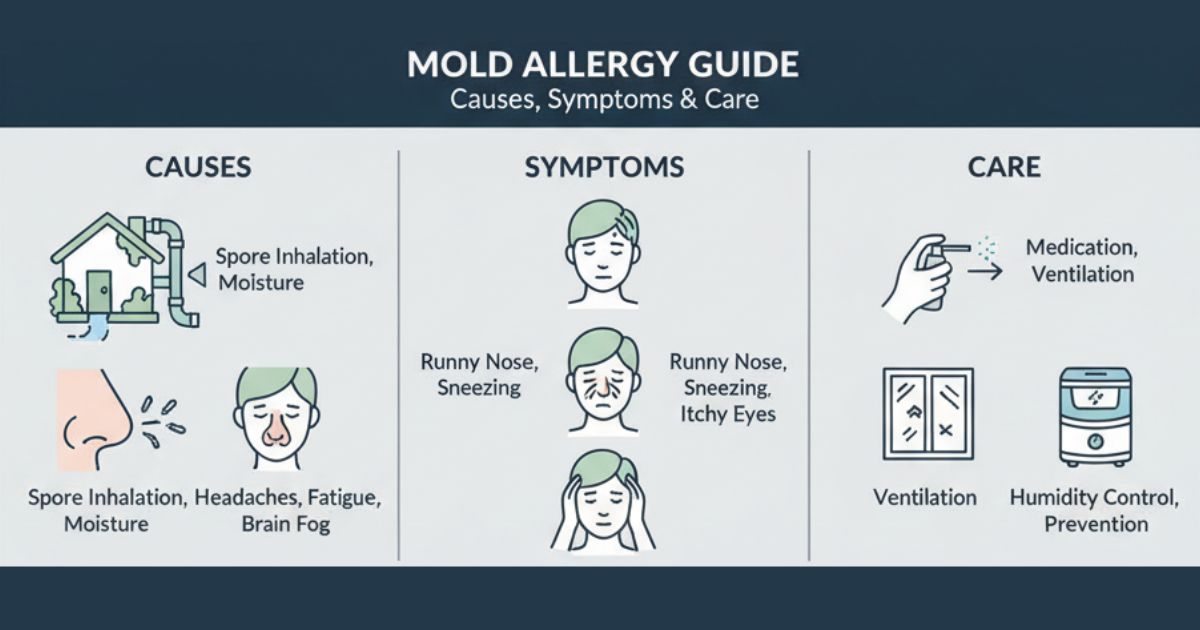
Welcome to your comprehensive guide to navigating the often-invisible world of mold allergies. If you’ve found your way here, you or someone you love is likely grappling with a frustrating set of symptoms that seem to appear out of nowhere—a persistent cough that won’t quit, a constant feeling of congestion, unexplained fatigue, or a mysterious skin rash that just won’t go away.
You might suspect your home, your workplace, or even the great outdoors is the culprit. You’re not alone. Mold allergies are a pervasive and frequently misunderstood health issue that affects millions of people, yet their elusive nature often leaves sufferers feeling confused and frustrated. This overview is designed to be your starting point, your foundational map for understanding what mold allergies are, why they happen, and most importantly, what you can do about them. We will demystify this complex condition, transforming anxiety and uncertainty into knowledge and empowerment.
What Exactly is a Mold Allergy?
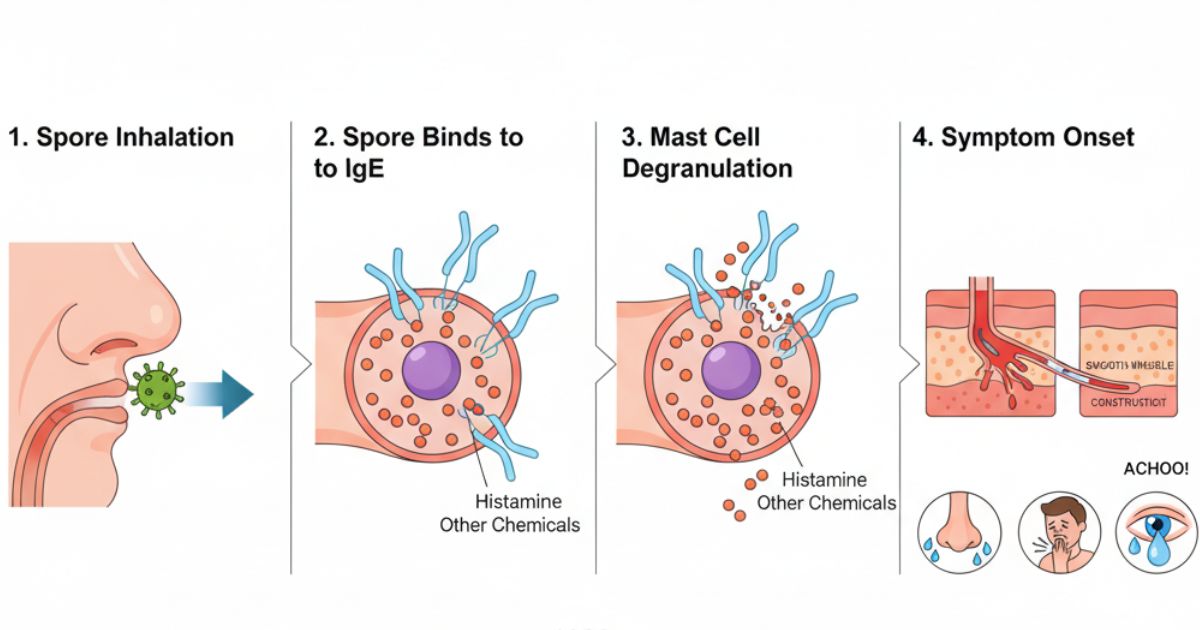
A mold allergy is a common yet often misunderstood condition that arises when your immune system overreacts to inhaling mold spores. Think of it as a case of mistaken identity: your body’s defense mechanism identifies these tiny, airborne particles as harmful invaders, even though they are generally harmless to most people. This immune system response to mold triggers the production of antibodies called Immunoglobulin E (IgE).
These antibodies travel to cells that release chemicals, such as histamine, causing the allergic reactions that can make you feel miserable. So, when we talk about an allergy to mold, we’re referring to this specific, hypersensitive reaction of the immune system. It’s not just a simple irritation; it’s a complex biological process that can affect various parts of the body, leading to a wide range of mold allergy symptoms. This reaction is your body’s way of trying to protect you, but in the case of allergies, it’s an overzealous and unnecessary response to a substance that isn’t actually a threat. This hypersensitivity is what separates a person with a mold allergy from someone who can inhale the same spores without any issue. The body’s alarm system is simply too sensitive, reacting with full force to a false alarm.
The Invisible Culprit: Mold Spores and How They Travel
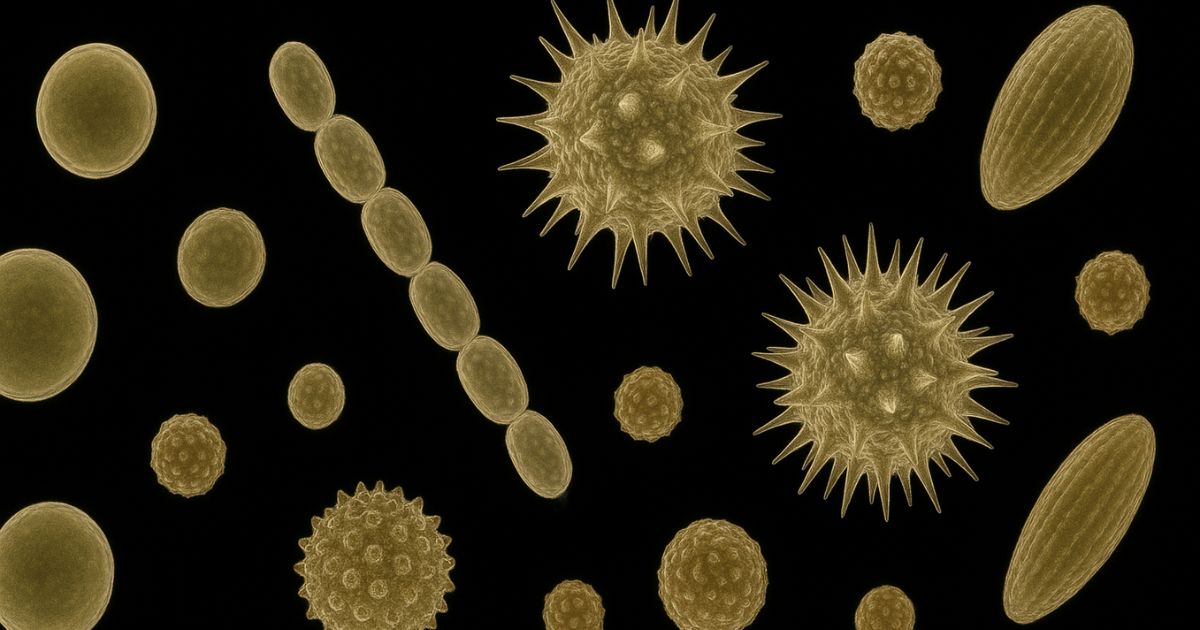
The primary trigger for a mold allergy is the mold spore. Mold spores are microscopic, lightweight, and incredibly resilient. They are the reproductive units of fungi, designed to travel through the air to find new places to grow. These airborne mold spores are virtually everywhere, both indoors and outdoors. They can easily enter your home through open windows, doors, ventilation systems, or by hitching a ride on your clothing, shoes, and even on pets. Once inside, they can settle on surfaces and, if conditions are right, begin to grow.
It’s important to understand that for someone with a mold allergy, it’s not the mold you can see on a wall that’s always the problem; it’s often the invisible spores circulating in the air that cause the allergic reaction. These spores are so small and light that they can remain airborne for long periods, making them easy to inhale deeply into the lungs, where they can trigger significant respiratory distress. The concentration of these spores can fluctuate dramatically based on the season, weather, and indoor conditions, which is why your symptoms might be worse on some days than others. On a windy day, for example, outdoor spore counts can skyrocket, while after a heavy rain, they might be temporarily washed from the air but will surge back as damp conditions promote new growth.
Is Mold a Fungus? The Basic Science
Yes, mold is a type of fungus, belonging to the same kingdom as mushrooms and yeast. Fungi play a crucial role in our ecosystem by breaking down dead organic material, but when they start growing in our living spaces, they can become a significant health problem. So, is mold a fungus? Absolutely. It thrives in damp, humid environments and reproduces by releasing spores. Understanding this fundamental fact is the first step in grasping why mold can be so pervasive and difficult to eliminate completely. It’s a natural part of our environment, but it becomes an issue when it colonizes our homes and workplaces in high concentrations.
Unlike plants, fungi don’t use photosynthesis; instead, they are heterotrophs, meaning they absorb nutrients from the organic materials they grow on. This is why they love to feast on things like wood, paper, fabric, and dust in our homes. Fungi are incredibly resilient organisms, capable of surviving in a wide range of temperatures and conditions, which is why mold can be so challenging to eradicate once it has established a foothold. They have been on Earth for millions of years, evolving to be masters of survival and decomposition, a role that is vital outdoors but problematic indoors.
What Does Mold Look Like? A Visual Guide
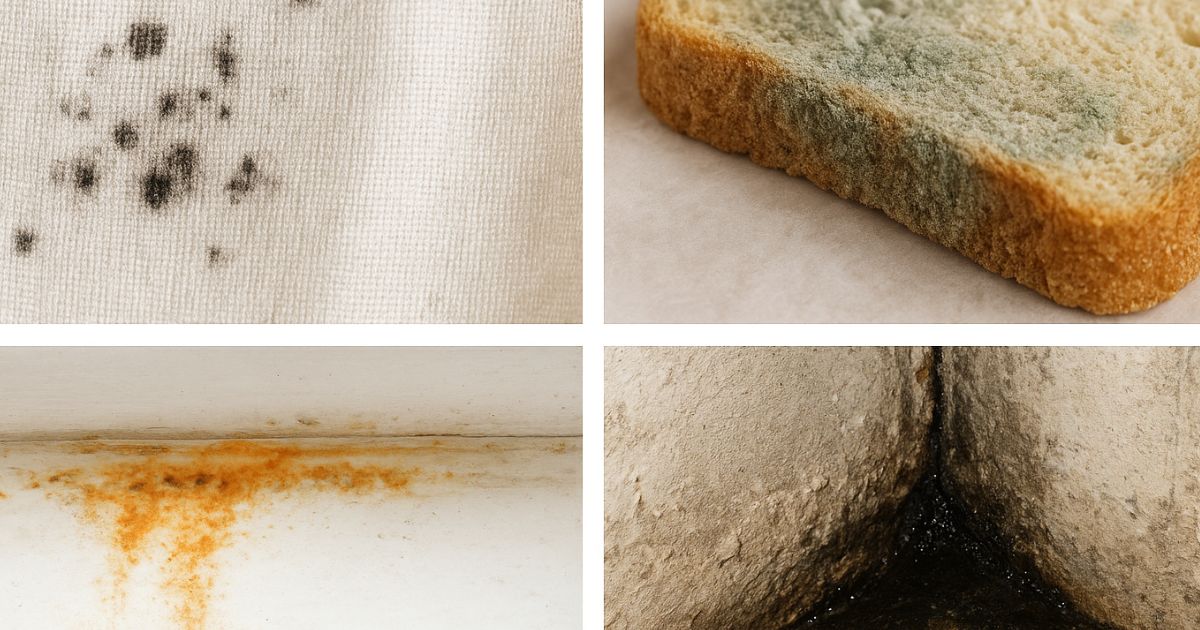
Identifying mold is key to mold detection and remediation. However, mold isn’t always the black, fuzzy growth you might imagine. It comes in a variety of colors, including green, white, orange, purple, and, of course, black. Its texture can be fuzzy, slimy, or powdery depending on the type and the surface it’s growing on.
What does mold look like on walls? It might appear as a discoloration, a stain, or a speckled pattern that looks like dirt. In bathrooms, it often shows up as black or pinkish spots in the grout between tiles. On ceilings, it might look like a water stain with a fuzzy border.
Sometimes, the first sign is a musty odor before any visible growth appears. Because it can be so varied, mold detection sometimes requires a professional eye, especially for hidden growth behind walls or under carpets, where it can cause significant damage and health issues before it’s even discovered.
Learning to recognize the subtle signs of mold growth is a critical skill for anyone with mold sensitivity. For instance, peeling or bubbling paint can be a sign that moisture is trapped underneath, creating a perfect breeding ground. Warped baseboards or a soft spot in the floor can also indicate hidden water damage and potential mold growth.
The Ubiquity of Mold: It’s Everywhere!
It’s a sobering thought, but there is no such thing as a mold-free environment. Mold spores are a natural component of the air we breathe, both outdoors and indoors. They are a crucial part of the ecosystem, helping to break down dead leaves, trees, and other organic matter. Without them, we’d be buried under a mountain of organic debris. The goal of mold allergy management, therefore, is not to create a sterile, bubble-like environment, which is impossible. Instead, the goal is to reduce your exposure to a level that doesn’t trigger your immune system.
This means focusing on controlling the conditions that allow mold to proliferate indoors to unnaturally high concentrations. Understanding this helps shift the perspective from “eliminating all mold” to “managing my environment.” This is a more achievable and less stressful goal. It’s about reducing the load on your immune system, not about waging an impossible war against nature.
Symptoms: Recognizing the Signs of Mold Allergies
Recognizing the symptoms of a mold allergy is the first critical step toward regaining control of your health. The challenge lies in the fact that these symptoms often masquerade as other common conditions, leading to misdiagnosis and frustration. A mold allergy is not just a simple sneeze; it’s a systemic reaction that can affect multiple parts of your body in ways that are both obvious and surprisingly subtle.
The symptoms can range from mildly annoying to completely debilitating, and their intensity can fluctuate based on your sensitivity, the type of mold, the concentration of spores in the air, and the duration of your exposure. Understanding the full spectrum of potential symptoms is like being given a map—it helps you navigate your health and identify the true source of your discomfort.
Respiratory Symptoms: From Sneezing to Wheezing
The symptoms of a mold allergy can range from mild to severe and often mimic those of other respiratory allergies. This can sometimes make diagnosis tricky. The most common mold allergy symptoms affect the respiratory system. When you inhale mold spores, your immune system releases histamine, leading to sneezing, a runny or stuffy nose, and itchy or watery eyes. You might also experience postnasal drip, which can cause a persistent sore throat or cough. These symptoms can be seasonal, worsening when outdoor mold spore counts are high in late summer and fall, or they can be year-round if you’re exposed to mold in your home.
For many, these symptoms are most noticeable in the morning or after spending time in a damp, musty environment like a basement. This is because mold spores often settle overnight, leading to a higher concentration in the air you breathe first thing in the morning. The cough can be particularly bothersome, often dry and persistent, and may worsen when lying down, disrupting sleep. Nasal congestion can feel like a constant stuffiness that over-the-counter decongestants only temporarily relieve.
Dermal Reactions: When Your Skin Sounds the Alarm
For some individuals, an allergic reaction to mold can manifest on the skin. This can result in a mold rash, which typically appears as red, itchy patches, sometimes with small bumps. Hives, which are raised, itchy welts that can appear and disappear quickly, are another possible skin reaction. In people predisposed to eczema, mold exposure can trigger flare-ups, causing dry, scaly, and inflamed skin.
These reactions can occur from direct contact with mold surfaces or simply from inhaling spores. It’s important not to scratch these rashes, as breaking the skin can lead to secondary bacterial infections that require additional treatment beyond the allergy management. The skin is the body’s largest organ, and it can be a significant indicator of internal allergic responses. A reaction from mold is a clear signal that your immune system is on high alert. The rash might be localized, for example, on the hands if you’ve been cleaning a moldy area, or it could be more generalized if the reaction is from inhaled spores circulating throughout your body.
Systemic Symptoms: The Hidden Impact on Your Body
Mold exposure symptoms are not always limited to the respiratory system and skin. Many people with mold sensitivities report systemic symptoms that can significantly impact their quality of life. Headaches and migraines are a frequent complaint. The exact mechanism isn’t fully understood, but it’s believed to be related to inflammation and the release of histamines, which can affect blood vessels in the brain.
Profound fatigue is another common but often overlooked symptom. This isn’t just normal tiredness; it’s a deep exhaustion that can interfere with daily activities and isn’t always relieved by sleep. Some people also experience what’s often called “brain fog,” which includes difficulty concentrating, memory problems, and a general feeling of being mentally sluggish. These warning signs of mold toxicity should not be ignored, as they indicate a more systemic reaction that goes beyond a simple allergic response. This feeling of being “unwell” can be hard to pinpoint but is a very real and debilitating symptom for many sufferers.

Differentiating Between Allergy, Illness, and Toxicity
It’s crucial to distinguish between a simple mold allergy, mold-induced illnesses, and mold toxicity. A mold allergy is an IgE-mediated immune response, causing typical allergy symptoms. Mold illnesses can include conditions like allergic fungal sinusitis or hypersensitivity pneumonitis, which involve more complex immune reactions. Mold toxicity, on the other hand, occurs when certain molds produce mycotoxins that can cause a range of symptoms, including neurological issues like dizziness, tremors, and mood changes.
Black mold poisoning symptoms often fall into this category, though it’s important to note that many types of mold can produce mycotoxins, not just the infamous “black mold.” If you experience severe or unusual symptoms beyond typical allergy signs, such as neurological issues or extreme fatigue that doesn’t improve, it’s essential to seek medical evaluation to determine the exact cause and get appropriate care. The line between these conditions can be blurry, and a specialist can help untangle them. For example, a person might have a mold allergy and be exposed to mycotoxins, leading to a complex combination of symptoms.
| Symptom | Common Cold | Seasonal Allergies (Pollen) | Mold Allergies |
| Onset | Gradual over a few days | Immediate after exposure | Can be immediate or delayed |
| Duration | 3-14 days | As long as allergen is present | As long as mold is present (can be year-round) |
| Itchy Eyes/Nose | Rare | Common | Common |
| Fever | Sometimes | No | No (unless secondary infection) |
| Aches & Pains | Common | No | Sometimes (fatigue, headaches) |
| Key Trigger | Virus exposure | Pollen season (spring/fall) | Damp/humid environments, indoors/outdoors |
Mold Allergy and Asthma: A Dangerous Combination
For anyone with asthma, the world is already filled with potential triggers—pollen, dust, cold air, and exercise. But for a significant number of asthmatics, mold is not just another trigger; it’s a primary adversary that can turn their manageable condition into a relentless and dangerous struggle.
The combination of a mold allergy and asthma is a particularly perilous partnership. It’s like adding fuel to a fire; the underlying inflammation of asthma creates a tinderbox of hyper-sensitive airways, and mold exposure is the spark that can ignite a severe, difficult-to-control flare-up. Understanding this dangerous synergy is not just about knowledge—it’s about survival and reclaiming control over your ability to breathe.
Coughing, Wheezing, and Shortness of Breath
For individuals with asthma, exposure to mold can be particularly dangerous. Mold is a well-known trigger for asthma attacks. When a person with mold-induced asthma inhales spores, it can cause severe inflammation and narrowing of the airways. This leads to classic asthma symptoms including persistent coughing (especially at night or early morning), wheezing (a high-pitched whistling sound when breathing out), shortness of breath, and chest tightness or pain. These symptoms can range from mild and manageable to severe and life-threatening.
For someone with asthma, recognizing mold as a trigger is a critical part of managing their condition and preventing serious attacks that may require emergency medical care. The reaction can be swift and frightening, as the airways can constrict dramatically, making it feel impossible to get enough air. This chest tightness can feel like a heavy band is wrapped around your chest, and the struggle for breath can induce panic, which in turn can worsen the asthma symptoms—a vicious cycle.
The Mechanism: How Mold Triggers Asthma
The connection between mold and asthma is rooted in the immune system’s overreaction. In a person with both conditions, the immune system’s response to mold spores is even more severe. The release of histamine and other chemicals causes the muscles around the airways to tighten (bronchospasm) and the lining of the airways to become inflamed and swollen.
The body also produces more mucus, further clogging the narrow airways. This combination of effects makes it extremely difficult to breathe. Certain types of mold, like Alternaria, have been strongly linked to severe asthma and an increased risk of asthma-related hospitalizations, making mold allergy management especially crucial for asthmatics. This condition, often called mold-induced asthma or allergic asthma, requires a dual approach to treatment: managing both the underlying asthma and the allergic trigger. It’s a vicious cycle where the allergic reaction fuels the asthma, and the inflamed asthmatic lungs are even more sensitive to mold spores. The airways become hyper-reactive, meaning it takes less and less exposure to trigger a severe reaction.
Allergic Bronchopulmonary Aspergillosis (ABPA)
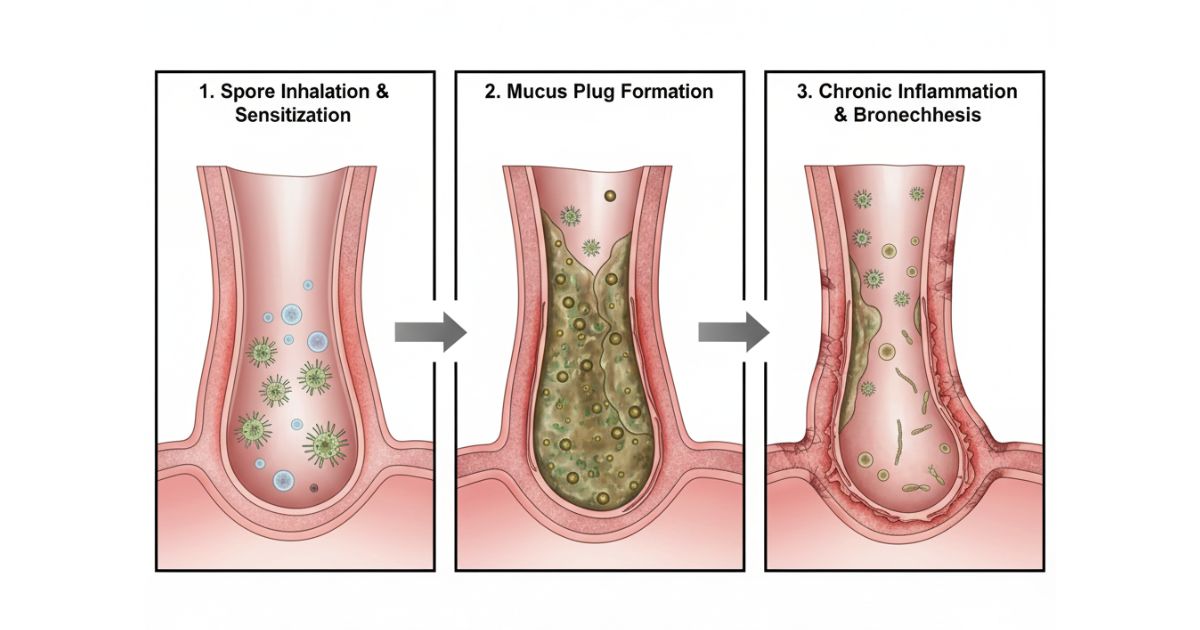
A more serious complication is Allergic Bronchopulmonary Aspergillosis (ABPA). This condition occurs when a person with asthma or cystic fibrosis develops an allergic reaction to Aspergillus mold that has colonized their airways. ABPA can cause severe asthma symptoms that are difficult to control with standard treatments. Symptoms can include severe asthma attacks, coughing up brown mucus plugs, fever, and general malaise. If left untreated,
ABPA can lead to permanent lung damage, including bronchiectasis (permanent widening of the airways) and pulmonary fibrosis (scarring of lung tissue). This highlights why anyone with asthma who suspects mold exposure should be evaluated by a specialist, as more aggressive treatments like systemic corticosteroids or antifungal medications may be necessary to manage this complex condition. ABPA is a serious lung disease that requires lifelong management to prevent irreversible damage. The coughing up of mucus plugs is a classic sign, as the body tries to clear the fungal debris from the airways.
Managing Asthma in a Moldy World
For asthmatics, managing mold allergies is non-negotiable. It’s about creating a safe breathing zone. This means being extra vigilant about environmental control. A HEPA air purifier in the bedroom is not just a luxury; it’s a necessity. Using a dehumidifier to keep indoor humidity below 50% is critical. It’s also about being proactive with medication.
Your doctor might recommend using a daily inhaled corticosteroid to keep inflammation down, even when you’re feeling well. Always have your rescue inhaler (like albuterol) with you. It’s also wise to wear an N95 mask when doing activities that might stir up mold, like raking leaves or cleaning a damp area. Communication is key: make sure your family, coworkers, and school staff know about your triggers so they can help you avoid them. Managing asthma in the context of mold allergies is a proactive, 24/7 commitment.
When to See a Doctor: Recognizing Red Flags
Living with mold allergies often becomes a delicate balancing act. You learn to manage the daily annoyances—the occasional sneeze, the stuffy nose, the itchy eyes—with over-the-counter medications and by avoiding damp places. But where is the line between a manageable symptom and a red flag that demands professional medical attention? Knowing when to escalate your self-care to a doctor’s visit is a critical skill. It’s not about overreacting; it’s about being a smart and proactive advocate for your own health. Ignoring warning signs can lead to worsening conditions, complications, and a significant decline in your quality of life. This section will help you recognize those red flags, understand what they might signify, and empower you to seek the right care at the right time.
Symptoms That Warrant Professional Medical Advice
While many mild mold allergy symptoms can be managed with over-the-counter medications and environmental control, certain situations demand professional medical attention. If your symptoms are persistent and don’t improve with standard treatments after a few weeks, it’s time to see a doctor. This is especially true if you experience chronic sinus infections, ongoing congestion that affects your sleep or daily life, or if your over-the-counter medication use is increasing.
Any signs of breathing difficulty, such as severe shortness of breath, wheezing that doesn’t respond to your usual medications, or chest pain, require immediate medical evaluation, as they could indicate a severe asthma attack or another serious respiratory issue. Don’t wait if you’re struggling to breathe; seek emergency care. Other red flags include a significant decrease in your quality of life, missing work or school frequently, or feeling like you’re constantly fighting off your symptoms. If your allergies are controlling your life, it’s time to see a professional who can help you take back control.
Differentiating from Other Conditions
Many symptoms of mold allergies overlap with other conditions like the common cold, flu, COVID-19, or non-allergic rhinitis. However, a key difference is that allergy symptoms persist as long as you’re exposed to the trigger and often include itchy eyes and nose, which are less common in colds. If you find yourself with a “cold” that lasts for weeks, or if your symptoms are consistently worse in certain environments (like a damp basement or specific room in your house), it’s a strong indicator that you should be tested for allergies.
A healthcare provider can help differentiate between these possibilities through a physical exam, a detailed history of your symptoms, and potentially, allergy testing, to ensure you get the right diagnosis and treatment. Misdiagnosis can lead to ineffective treatments and prolonged suffering. For example, treating a mold allergy as a recurrent sinus infection with antibiotics will do nothing to address the underlying cause of the inflammation.
Preparing for Your Doctor’s Appointment
To make the most of your appointment, it’s helpful to prepare in advance. Keep a symptom diary detailing when your symptoms occur, what makes them better or worse, and any potential mold exposures you’ve noticed at home or work. Documenting your environment—like musty smells, visible water damage, or areas of high humidity—is also valuable information. List all medications and supplements you’re taking.
This will help your provider make an accurate diagnosis and develop an effective mold allergy treatment plan. They may recommend a mold allergy test, such as a skin prick test or a blood test, to pinpoint your specific sensitivities. Being prepared ensures you leave with a clear plan for managing your health and not just another appointment on the calendar. Think of yourself as a detective gathering clues for your doctor. The more information you provide, the better they can solve the mystery of your symptoms.
Causes: Understanding the Root of Mold Allergies
The Immune System’s Mistaken Identity
At its core, a mold allergy is an inappropriate immune system response. In a person without allergies, mold spores are inhaled and cleared by the body’s defenses without any fuss. But in someone with a mold allergy, the immune system mistakenly identifies these harmless spores as a dangerous threat. It then produces IgE antibodies specifically designed to combat mold. These antibodies attach to mast cells, which are found in tissues throughout the body, particularly in the respiratory system, skin, and gut.
Upon subsequent exposure, the mold spores bind to these antibodies, triggering the mast cells to release a flood of histamine and other inflammatory chemicals, causing the allergic cascade that results in your symptoms. This is a classic example of the immune system’s powerful ability to protect going awry, targeting a harmless substance with a full-blown defensive response. It’s like having a hyper-sensitive security system that sets off the alarm for a cat walking by, not just a burglar.
The Process of Sensitization
This immune overreaction doesn’t happen overnight. It begins with a process called sensitization. The first time you’re exposed to a specific type of mold, your immune system may start producing these IgE antibodies. This initial exposure might not cause any noticeable symptoms. However, it has primed your immune system for future reactions. Once you are sensitized, even exposure to a small number of mold spores can trigger a full-blown allergic reaction.
This is why someone can suddenly develop mold allergies after years of no issues—their body has finally reached its sensitization threshold. This process can be influenced by genetics, the level of exposure, and the overall state of your immune system. It’s a cumulative process, and each exposure can add to the immune system’s “memory” of the allergen, making the next reaction potentially stronger. For example, a person might move into a home with a hidden mold problem. For the first few months, they feel fine. Then, one day, they start sneezing uncontrollably. Their immune system has finally been sensitized and is now reacting.
Common Culprits: Alternaria, Penicillium, and More
While there are thousands of mold species, a few are notorious for causing allergic reactions. Alternaria is a common outdoor mold that is also found indoors and is a major trigger for asthma. Cladosporium is another widespread mold, found both outdoors and on surfaces like window sills and textiles. Penicillium, famous for its role in producing penicillin (from Penicillium notatum), is a common indoor mold that grows on water-damaged materials like wallpaper, carpet, and decaying fabrics. Aspergillus is another group that can cause allergies and, in some cases, more serious infections.
Stachybotrys chartarum, often called “black mold,” has gained notoriety, though many other types can cause just as severe symptoms. Understanding the specific types of mold you’re allergic to can help with targeted avoidance and treatment, as different molds thrive in different conditions and may be present at different times of the year. For instance, knowing you’re allergic to Alternaria, which peaks in the summer, can help you plan your outdoor activities accordingly.
| Mold Type | Common Name | Where It Grows | Key Characteristics |
| Alternaria | — | Outdoors (soil, plants), Indoors (damp surfaces, window sills) | A major asthma trigger; spores are high in summer and fall. |
| Cladosporium | — | Outdoors (dead plants), Indoors (textiles, wood, window sills) | Can grow in cooler temperatures; very common both indoors and out. |
| Penicillium | — | Indoors (water-damaged materials, wallpaper, carpet, dust) | Famous for penicillin; blue or green in color with a velvety texture. |
| Aspergillus | — | Indoors (household dust, building materials), Outdoors (soil) | Some species can cause infections in immunocompromised people. |
| Stachybotrys | “Black Mold” | Indoors on materials with high cellulose content and constant moisture (drywall, paper) | Slimy texture; thrives in consistently wet conditions. |
The Role of Mycotoxins in Mold-Related Illness
While a classic allergy is an IgE-mediated response, some health problems from mold are attributed to mycotoxins. Mycotoxins are toxic secondary metabolites produced by certain species of mold. Not all molds produce mycotoxins, and those that do don’t produce them all the time. The presence of mycotoxins can lead to a condition often referred to as mold toxicity or sick building syndrome.
Symptoms can be much broader and more severe than typical allergy symptoms and can include neurological issues like tremors, cognitive impairment, and mood disorders, as well as immune suppression and chronic fatigue. It’s a controversial area in medicine, with debate about the levels of exposure needed to cause these effects. However, for those who suffer from it, the symptoms are very real. It’s important to distinguish this from a simple allergy, as the treatment approach may need to be different, focusing heavily on removal from the exposure source.
Risk Factors: Are You More Susceptible?
Why do some people can walk through a damp, musty basement without a second thought, while others begin to sneeze and wheeze almost instantly? The answer lies in a complex interplay of factors that create a unique susceptibility profile for each individual. Developing a mold allergy isn’t about a single cause; it’s about a “perfect storm” of genetics, environment, and personal health. Understanding these risk factors is not about assigning blame or living in fear.
It’s about empowerment. By identifying the elements that make you more vulnerable, you can take targeted, proactive steps to lower your risk, manage your environment, and protect your health. This section will unravel the blueprint of susceptibility, helping you understand if you are in a high-risk category and, more importantly, what you can do about it.
Genetic Predisposition and Family History
Your genetics play a significant role in determining whether you’ll develop allergies. If you have a family history of allergies, asthma, or eczema, your risk of developing a mold allergy is substantially higher. This genetic predisposition doesn’t guarantee you’ll have allergies, but it makes your immune system more likely to overreact to environmental triggers like mold spores.
This inherited tendency is often referred to as atopy, and it’s the reason why allergies often run in families. Scientists have identified several genes linked to an increased risk of allergies, which affect how the immune system regulates its response to foreign substances. If your parents have allergies, you have a higher chance of developing them, but it’s not a certainty. Your environment and exposure levels still play a crucial role. You might inherit the tendency for allergies, but you still need to be exposed to the allergen for the allergy to develop.
Environmental and Occupational Exposure
Your environment and job can dramatically increase your risk. Living in a home with high humidity, poor ventilation, or a history of water damage creates a breeding ground for mold and increases your exposure. Similarly, certain occupations put workers in direct, regular contact with mold. Farmers, mill workers, carpenters, HVAC technicians, winery workers, and even bakers are just a few examples of professions with high mold exposure.
Over time, this repeated contact can lead to sensitization and the development of a mold allergy. The more you are exposed, the higher the chance your immune system will start to see mold as a threat. This is why occupational allergies are so common in certain industries. A baker, for example, might develop an allergy to flour dust, which is often contaminated with mold spores like Aspergillus.
| Occupation | Source of Mold Exposure | Typical Symptoms |
| Farmers/Agricultural Workers | Soil, hay, grain silos, decaying vegetation | Respiratory issues, farmer’s lung (hypersensitivity pneumonitis) |
| Construction/Renovation Workers | Disturbing old materials, water-damaged buildings | Respiratory irritation, skin rashes, asthma |
| Brewery/Winery Workers | Fermentation processes, damp cellars | Respiratory symptoms, skin reactions |
| Bakers | Flour dust (can contain mold spores), yeast | Occupational asthma, allergic rhinitis |
| Greenhouse Workers | High humidity, soil, plant matter | Allergic rhinitis, asthma, skin irritation |
Living Conditions: Humidity, Ventilation, and Water Damage
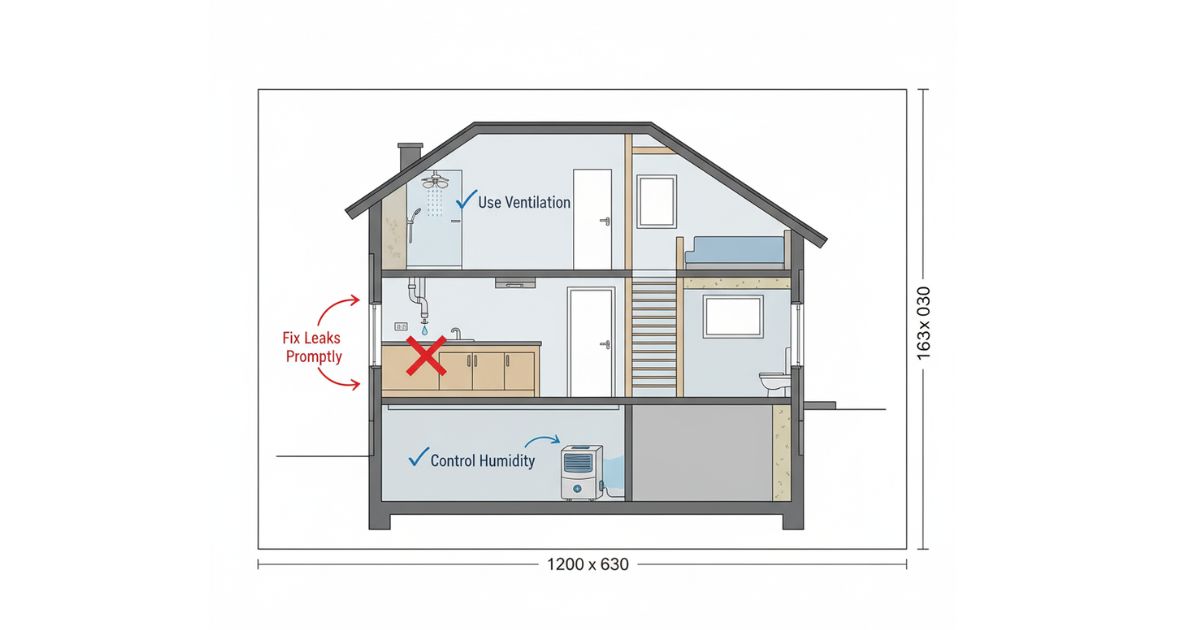
The conditions inside your home are perhaps the most controllable risk factors. Living in a home with high humidity (above 50%) provides the perfect environment for mold to thrive. Poor ventilation traps moisture indoors, while water damage from leaks, floods, or condensation can lead to hidden mold growth behind walls or under floors. Basements, bathrooms, closets, and laundry rooms are common problem areas.
By addressing these issues—using dehumidifiers, improving ventilation, and repairing water damage promptly—you can significantly reduce your risk of developing a mold allergy or manage existing symptoms more effectively. Your home should be your sanctuary, not a source of illness. Taking control of your indoor environment is one of the most powerful steps you can take for your health. A simple thing like using an exhaust fan can make a huge difference over time.
The Impact of Climate and Geography
Where you live also plays a role. People living in warm, humid climates, like the Southeastern United States, will face higher outdoor mold spore counts for more of the year than those living in arid, desert regions. Coastal areas also tend to have higher humidity levels. Seasonal variations are also a factor; mold spore counts typically peak in the late summer and fall when damp, decaying leaves are abundant.
However, in warm climates, mold can be a year-round problem. Understanding your local climate and seasonal patterns can help you anticipate when your symptoms might be worse and take extra precautions. For example, if you live in a humid area, investing in a good dehumidifier is not just a good idea—it’s essential for managing mold allergies.
Complications: When Mold Allergies Become Serious
For many, a mold allergy is a frustrating but manageable condition—a runny nose, some sneezing, and itchy eyes that can be kept in check with medication and avoidance. However, to view mold allergies as merely a nuisance is to underestimate their destructive potential. When left unmanaged, or when an individual is highly sensitized, mold allergies can evolve from a simple annoyance into a catalyst for serious, chronic, and sometimes irreversible health conditions.
These complications are not rare; they are the logical endpoint of a prolonged, uncontrolled inflammatory assault on the body. Understanding these potential outcomes is not meant to scare you, but to empower you with the knowledge to take your symptoms seriously and seek comprehensive care before permanent damage is done.
Mold-Induced Asthma
One of the most significant complications of a mold allergy is the development or worsening of asthma. For some, prolonged exposure to mold spores can lead to the development of new-onset asthma. For others who already have asthma, mold can be a potent trigger that makes their condition more difficult to control, leading to more frequent attacks and a greater need for medication.
This condition, known as mold-induced asthma, requires diligent management of both the asthma and the mold exposure to prevent long-term damage to the lungs. The chronic inflammation from repeated allergic reactions can lead to airway remodeling, where the airways become permanently thickened and narrowed, causing a persistent decline in lung function. This is why early and aggressive management of mold allergies in asthmatics is so critical. It’s about preventing permanent damage, not just treating acute symptoms.
Allergic Fungal Sinusitis
Chronic sinus issues are another common complication. Allergic fungal sinusitis occurs when fungal spores, including mold, become trapped in the sinuses and trigger an allergic reaction. This leads to persistent inflammation, the formation of nasal polyps (benign growths), and thick, fungal debris in the sinus cavities. Unlike a typical bacterial sinus infection, this condition doesn’t respond to antibiotics.
Symptoms include severe nasal congestion, facial pain, reduced sense of smell, and sometimes visible nasal polyps. It requires specialized treatment, often including corticosteroids to reduce inflammation and sometimes surgery to remove the fungal material and restore sinus drainage. This condition can be very debilitating and significantly impact a person’s quality of life, causing constant pressure and pain in the face.
Hypersensitivity Pneumonitis
A less common but more serious complication is Hypersensitivity Pneumonitis. This is an inflammation of the lungs’ air sacs (alveoli) caused by an immune reaction to inhaled organic dust, including mold spores. It’s different from a typical allergy as it involves a different part of the immune system and doesn’t typically cause IgE-mediated symptoms like hay fever. Instead, it can cause flu-like symptoms, cough, and shortness of breath hours after exposure. If exposure continues, it can lead to chronic, irreversible lung scarring (pulmonary fibrosis), which severely impacts lung function and can be life-threatening.
This condition is more often seen in occupational settings with high mold exposure, like farming or mold remediation work, but can also occur from home exposure. It highlights that mold can cause more than just allergies; it can cause serious inflammatory lung disease.
| Condition | Cause | Key Symptoms | Treatment |
| Mold Allergy | IgE immune response to mold spores | Sneezing, itchy eyes, runny nose, cough | Antihistamines, nasal steroids, avoidance |
| Allergic Fungal Sinusitis | Allergic reaction to fungus in sinuses | Chronic sinusitis, nasal polyps, facial pain | Steroids, sinus surgery |
| Hypersensitivity Pneumonitis | Immune reaction to inhaled mold spores | Flu-like symptoms, cough, shortness of breath | Avoidance, steroids (for severe cases) |
| ABPA | Allergic reaction to Aspergillus in lungs | Severe asthma, coughing up mucus plugs | Steroids, antifungal medication |
Other Problems Caused by Mold
Beyond these specific conditions, mold exposure can contribute to a general decline in health. Chronic sleep disruption from nighttime coughing and congestion can lead to fatigue, decreased cognitive function, and mood changes. The constant inflammation can also put a strain on the immune system, potentially making you more susceptible to other illnesses.
Furthermore, dealing with a chronic health condition can take a toll on mental health, leading to anxiety and depression. The financial burden of medical treatments, allergy medications, and home remediation can also be a significant source of stress. This is why addressing mold allergies comprehensively is so important for overall well-being, not just for managing physical symptoms. It’s about treating the whole person, not just a set of symptoms. The emotional and financial toll of a chronic illness is a real and often overlooked complication.
Prevention: Your First Line of Defense
When it comes to mold allergies, the old adage “an ounce of prevention is worth a pound of cure” is not just a saying—it’s the fundamental truth of effective management. While medications can treat the symptoms of a mold allergy, they don’t address the root cause. True, lasting relief comes from prevention. This isn’t about living in a sterile bubble or embarking on a futile quest to eliminate every single mold spore from your environment. Instead, prevention is a smart, proactive strategy.
It’s about understanding what mold needs to survive and systematically denying it those resources, thereby transforming your home from a source of illness into a sanctuary of health. Think of yourself as the guardian of your indoor environment. With the right knowledge and habits, you can build powerful defenses that dramatically reduce your exposure and allow you to breathe easier, quite literally.
Get Rid of Sources of Dampness in Basements
Basements are a prime location for mold growth due to their typical cool, damp conditions. The first step in mold allergy prevention is to eliminate moisture sources. Check your basement foundation for cracks and seal them with hydraulic cement. Ensure that gutters and downspouts direct water far away from your home’s foundation—at least 6-10 feet is ideal.
If your basement has water intrusion issues, consider installing a sump pump with a battery backup to handle power outages. For persistent dampness, applying a waterproof sealant to the interior walls and floors can create a barrier against moisture seepage. Don’t store items directly on concrete floors; use plastic shelving to keep them dry and allow for air circulation. A dry basement is a mold-free basement. This is a foundational step—literally. If you don’t address the water, you will forever be fighting a losing battle against mold.
Control Humidity with Dehumidifiers and Air Conditioning
Maintaining indoor humidity between 30% and 50% is crucial for mold prevention. A dehumidifier is your best friend in damp areas like basements, crawl spaces, and bathrooms. These devices pull excess moisture from the air, making it inhospitable for mold. Similarly, your air conditioner naturally dehumidifies the air as it cools, making it an excellent tool during humid months.
Use a hygrometer, an inexpensive device that measures humidity, to monitor the levels in your home and adjust your dehumidifier settings accordingly. Running your AC or dehumidifier consistently, even on days that don’t seem excessively humid, can prevent the moisture buildup that mold needs to grow. Consistency is key to humidity control. It’s better to run a dehumidifier on a low setting all the time than to have it cycle on and off at high settings.
Change Filters on Your Furnace and Use HEPA Technology
Your HVAC system is the lungs of your home. To keep it from circulating mold spores, change or clean the filters regularly—at least every three months, or more often if you have allergies or pets. For superior filtration, consider using high-efficiency filters with a MERV rating of 8-11. For even better protection, especially in bedrooms, use a portable air purifier equipped with a true HEPA filter.
HEPA filters are designed to capture particles as small as 0.3 microns, which includes most mold spores, effectively removing them from the air you breathe. This is one of the most effective investments you can make for managing indoor allergies. Clean air is critical for allergy sufferers. Think of a HEPA filter as a fine net for the air, catching the tiny particles that trigger your symptoms before they can reach your lungs.
Ensure Proper Ventilation in Bathrooms and Kitchens
Bathrooms and kitchens produce a lot of moisture. Ensure all bathrooms are properly ventilated with an exhaust fan that vents to the outdoors, not just into the attic. Run the fan during showers and for at least 20-30 minutes afterward to clear out excess moisture. In the kitchen, use your exhaust fan or range hood when cooking, boiling water, or running the dishwasher. Simply opening a window can also help improve air circulation and reduce humidity.
Good ventilation is one of the most effective and simple mold allergy prevention strategies, as it helps moisture evaporate before it can settle and allow mold to grow. Think of ventilation as the breath of your house. Without it, moisture gets trapped and stagnates, creating the perfect environment for mold to flourish.
Smart Home Choices: Flooring, Plants, and Storage
Your home decor choices can influence mold growth. Don’t carpet bathrooms and basements, as carpet traps moisture and provides an ideal food source for mold. Opt for hard surfaces like tile, vinyl, or laminate in these areas. If you have houseplants, be careful not to overwater them, and ensure the pots have good drainage to prevent mold growth in the soil. A thin layer of sand on top of the soil can help discourage mold.
When storing items, especially in basements or closets, avoid using cardboard boxes, which readily absorb moisture. Instead, use plastic bins with tight-fitting lids to keep your belongings dry and mold-free. Toss or recycle old books and newspapers that are stored in damp areas, as the paper is a prime food source for mold. These small choices can add up to a big difference in your home’s mold-friendliness.
| Season | Tasks |
| Spring | Clean gutters, check for winter damage, service AC unit, deep clean bathrooms. |
| Summer | Monitor humidity, run dehumidifier/AC, check for condensation, clean window sills. |
| Fall | Clean gutters again, check for leaks around windows/doors, seal any cracks, service heating system. |
| Winter | Monitor for condensation on windows, ensure proper ventilation even when it’s cold, check attic for ice dams. |
A Room-by-Room Guide to Mold Prevention
Let’s take a tour of your home from a mold-prevention perspective. In the bathroom, re-caulk around the tub and sink if you see any cracking or discoloration. Wipe down walls after a shower. In the kitchen, check for leaks under the sink and refrigerator, and empty the drip pan regularly. In the laundry room, never leave wet clothes in the washer for extended periods, and ensure the dryer is vented properly to the outside.
In the bedroom, wash bedding in hot water weekly to kill any dust mites (which can coexist with mold allergies) and consider allergen-proof covers. In the living room, vacuum regularly with a HEPA-filtered vacuum and dust with a damp cloth to trap spores instead of sending them into the air. This targeted approach ensures you don’t miss any hidden trouble spots.
Mold Allergy Treatments: Finding Relief
Finding relief from mold allergies is not about finding a single magic bullet. It’s about constructing a personalized, multi-layered management plan that attacks the problem from all angles. Effective treatment is a three-legged stool: medications to control your immediate symptoms, rigorous environmental control to reduce your exposure, and for some, immunotherapy to change your immune system’s long-term response.
Relying on just one leg of this stool will leave you wobbly and vulnerable to flare-ups. By understanding the full arsenal of treatments available—from over-the-counter remedies to long-term therapies—you can work in partnership with your allergist to build a robust plan that allows you to not just survive, but thrive, despite your mold allergies.
Allergy to Mold Medication: From Antihistamines to Nasal Sprays
A wide range of medications is available to manage mold allergy symptoms. Antihistamines are a first-line defense, working by blocking the histamine that your body releases during an allergic reaction. Second-generation antihistamines like cetirizine, loratadine, and fexofenadine are less likely to cause drowsiness than older ones. For nasal congestion and inflammation, nasal corticosteroid sprays like fluticasone or mometasone are highly effective and are considered the gold standard for allergic rhinitis.
They need to be used daily to be effective. Decongestants can provide temporary relief from stuffiness but should be used with caution, especially nasal sprays, which can cause rebound congestion if used for more than a few days. Your doctor can help you choose the right medication for your specific symptoms. It’s often a process of trial and error to find the combination that works best for you.
| Medication Type | Examples | How It Works | Best For |
| Antihistamines | Cetirizine, Loratadine, Fexofenadine | Blocks histamine, preventing allergy symptoms | Sneezing, itching, runny nose |
| Nasal Corticosteroids | Fluticasone, Mometasone, Budesonide | Reduces inflammation in nasal passages | Nasal congestion, sneezing, overall symptoms |
| Decongestants | Pseudoephedrine, Phenylephrine | Narrows blood vessels in the nose | Temporary relief of nasal stuffiness |
| Leukotriene Modifiers | Montelukast | Blocks leukotrienes, another inflammatory chemical | Both allergies and asthma |
Mold Allergy Remedies: Natural and Complementary Approaches
In addition to conventional medications, many people find relief with natural mold allergy remedies. Nasal irrigation using a saline solution, such as with a neti pot or squeeze bottle, can effectively rinse mold spores and irritants from your nasal passages. This can be especially helpful after spending time outdoors or in a musty environment. Some herbal supplements, like butterbur and stinging nettle, have shown promise in studies for reducing allergy symptoms. Quercetin, a flavonoid found in onions and apples, has natural antihistamine properties.
While these remedies can be helpful, it’s essential to discuss them with your healthcare provider before starting, as they can interact with other medications and aren’t regulated as strictly as pharmaceuticals. Natural doesn’t always mean safe, so professional guidance is key. These approaches can be a great complement to your primary treatment plan, helping to reduce your reliance on medications.
Allergy Shots (Immunotherapy) for Long-Term Relief
For individuals with severe or persistent mold allergies that don’t respond well to medications, allergy shots, or immunotherapy, may be an option. This long-term treatment involves regular injections of tiny amounts of the specific mold allergens you’re allergic to. Over time, this gradual exposure helps your immune system become less sensitive, reducing your allergic reactions. Immunotherapy is a significant commitment, often lasting three to five years, but it can provide lasting relief and may prevent the development of new allergies or asthma.
It is a highly effective mold allergy treatment for the right candidate, offering a chance to modify the underlying immune response rather than just treating the symptoms. It’s a long-term investment in your health. Think of it as retraining your immune system to be less reactive.
Mold Allergy Management: A Comprehensive Approach
The most effective approach to managing mold allergies is a comprehensive one that combines multiple strategies. This includes using medications as needed and prescribed, implementing rigorous environmental control measures to reduce exposure, and considering immunotherapy for long-term desensitization. It’s also about being proactive—monitoring local mold spore counts, taking medications preventively before anticipated exposure, and having an action plan for symptom flare-ups. Working closely with an allergist can help you develop a personalized management plan that addresses your specific triggers and lifestyle.
Remember, management is an ongoing process, not a one-time fix. It requires vigilance and adaptation, but a life with fewer symptoms is achievable. It’s about building a toolkit of strategies you can deploy to keep your allergies under control.
Frequently Asked Questions (FAQs)
What kills black mold?
Killing black mold, or any mold, requires addressing the source of the moisture first. Without fixing the water problem, the mold will just grow back. For small, non-porous surfaces like glass or tile, a solution of one cup of bleach to one gallon of water can be effective for surface cleaning. However, bleach doesn’t always penetrate porous surfaces like wood or drywall, where the roots of the mold may remain.
For porous materials, it’s often best to remove and replace them entirely. Commercial mold-killing products are also available, often containing ingredients like hydrogen peroxide or quaternary ammonium compounds. For larger infestations (over 10 square feet), or if mold is in your HVAC system, it is highly recommended to hire a professional mold remediation company.
They have the specialized equipment, like negative air machines and personal protective equipment, to do the job safely and thoroughly. Simply painting over mold is not a solution, as it will continue to grow underneath the paint and can release spores as it degrades. Safety is paramount; always wear an N-95 mask, gloves, and goggles when cleaning mold yourself.
Can mold make you sick?
Yes, mold can definitely make you sick. The spectrum of illness is broad. For people with mold allergies, it triggers allergic reactions ranging from mild sneezing to severe asthma attacks. For others, exposure to certain types of mold that produce mycotoxins can lead to mold toxicity or mold poisoning, with symptoms that can include fatigue, headaches, neurological issues, and respiratory problems. Furthermore, mold can cause infections in immunocompromised individuals and irritant reactions in anyone.
The signs of sickness from mold in a house can be subtle at first, like persistent fatigue or headaches, so it’s important to be aware of your environment and seek medical advice if you suspect a problem. The connection between mold and illness is well-established, even if some specific conditions are still being researched. The type and severity of the illness depend on the type of mold, the extent of the exposure, and the individual’s own susceptibility.
What are the signs of mold illness?
Signs of mold illness can be varied and affect multiple body systems, making it difficult to diagnose. Respiratory symptoms are common and include coughing, wheezing, shortness of breath, and chronic sinus infections that don’t respond to antibiotics. Neurological symptoms can include persistent headaches, brain fog (difficulty concentrating or remembering), dizziness, and mood changes like anxiety or depression.
Fatigue is a hallmark symptom that is often debilitating, feeling like a profound exhaustion that isn’t relieved by sleep. Other signs can include unexplained skin rashes, digestive issues, and muscle or joint pain. A key indicator is if you notice a pattern of these symptoms improving when you’re away from a particular building, like your home or office, and then returning when you’re back in that environment. These are the warning signs of mold toxicity that should prompt an investigation into your environment and a visit to a physician knowledgeable about environmental illness.
How can you tell if mold is in your house?
Detecting mold in your house involves using your senses and looking for clues. The most obvious sign is a persistent musty, earthy odor, similar to the smell of a damp forest floor. Visually, mold can appear as discoloration on walls, ceilings, or floors—it can be black, green, white, orange, or even pink. Look for water stains, peeling or bubbling paint, or warped surfaces, which indicate underlying moisture problems.
Check for condensation on windows or pipes, especially in winter. Hidden mold can be more difficult to detect, but signs like persistent musty smells or unexplained allergy symptoms in certain areas of your home are major red flags. If you suspect hidden mold, professional mold testing, including air sampling and surface sampling, can provide definitive answers about the type and concentration of mold present. Trust your nose; if a place smells musty, there’s almost certainly a biological reason for it, and that reason is often mold.
Is there a cure for mold allergies?
Currently, there is no outright “cure” for mold allergies in the way that an antibiotic can cure an infection. However, they can be managed very effectively, allowing people to live normal, healthy lives.
The goal of treatment is to reduce symptoms and improve quality of life. This is achieved through a multi-pronged approach: rigorous allergen avoidance to minimize exposure, medications to control symptoms when they occur, and immunotherapy (allergy shots) which can provide long-term desensitization and significantly reduce the underlying allergic response.
For many people, with proper management, mold allergies become a minor inconvenience rather than a major disruption to their lives. The key is understanding your specific triggers and having a solid, personalized management plan in place. While a “cure” isn’t available, “control” is very much achievable and is the realistic and empowering goal for allergy sufferers.
How do you test for mold allergies?
Testing for mold allergies is typically done by an allergist. The two main methods are a skin prick test and a blood test. A skin prick test is the most common method. It involves placing a tiny drop of purified mold extract on your skin (usually on your forearm or back) and then pricking the surface of the drop with a small lancet.
If you’re allergic, a small, red, itchy bump (a wheal) will develop within 15-20 minutes. A blood test measures the amount of IgE antibodies to specific molds in your bloodstream.
This is often done if you have a skin condition that prevents a skin test, or if you can’t stop taking medications that interfere with test results. Both tests are effective, and your doctor will decide which is best for you. These tests can identify what you’re allergic to, which is the first step toward developing an effective avoidance and treatment strategy.
Can an air purifier help with mold allergies?
Yes, an air purifier can be a very effective tool for managing mold allergies, but it’s important to choose the right one. Look for a purifier with a true HEPA (High-Efficiency Particulate Air) filter, which is designed to capture microscopic particles, including mold spores, from the air. HEPA filters can trap particles as small as 0.3 microns with 99.97% efficiency.
Some purifiers also include a UV-C light component, which can kill mold spores and other microorganisms that pass through the unit. However, UV-C is most effective when combined with a HEPA filter, as the UV light only works on organisms that are contained within the unit.
Placing a HEPA air purifier in your bedroom and running it continuously can significantly reduce your nighttime exposure and improve sleep quality. It’s a powerful tool for creating a “safe zone” or a low-allergen sanctuary in your own home, but it should be used as part of a broader strategy that includes moisture control.
What foods should you avoid if you have a mold allergy?
This is a tricky area, as it’s highly individual. Some individuals with mold allergies find they also react to certain foods that contain mold, are prone to mold, or have mold-related compounds. These can include aged cheeses (like blue cheese, gorgonzola, Roquefort), mushrooms, dried fruits (raisins, dates, figs), fermented foods (sauerkraut, soy sauce), and processed meats like salami. Some people also react to foods like sour cream, buttermilk, and alcoholic beverages, especially beer and wine. However, not everyone with a mold allergy needs to avoid these foods.
The connection is not as direct as inhaling spores. If you suspect certain foods are worsening your symptoms, keeping a detailed food diary can help identify patterns. An elimination diet, where you remove suspected foods and then slowly reintroduce them one by one under the guidance of a doctor or dietitian, can provide clarity. This is a very individual aspect of mold allergy management that requires careful self-observation.
Can mold allergies cause joint pain?
While not as common as respiratory or skin symptoms, some individuals with mold allergies report joint pain or muscle aches. This inflammatory response may affect various parts of the body, leading to generalized discomfort that might be mistaken for fibromyalgia or other chronic pain conditions. The exact mechanism isn’t fully understood, but it may be related to the systemic inflammation caused by the allergic response.
When the immune system is in a constant state of alert, it can release inflammatory chemicals that circulate throughout the body, potentially affecting joints and muscles.
If you experience joint pain that you believe might be related to mold exposure, addressing the mold source and managing your allergies may help. However, it’s crucial to consult with a healthcare provider to rule out other potential causes like arthritis or autoimmune diseases, which can have similar symptoms. It’s a symptom that is often overlooked but can be very real for the sufferer.
What is the difference between mold and mildew?
Mold and mildew are both types of fungi, but they have some key differences in appearance and growth pattern. Mildew is typically an early-stage mold that grows on flat surfaces and is often powdery or downy. It’s usually white or gray and is commonly found in showers, on windowsills, or on plant leaves.
It’s generally easier to clean than mold. Mold, on the other hand, can be many colors (including black, green, and red) and often has a fuzzy or slimy texture. It can penetrate the surface of what it’s growing on, causing more significant structural damage.
While both can cause allergic reactions, the term “mold” is generally used for the more problematic, often hidden growth that can cause more severe health issues. A simple way to think of it is that all mildew is a type of mold, but not all mold is mildew. Mildew is surface-level, while mold can be deep-rooted.
How do you clean mold safely?
Cleaning mold safely requires taking significant precautions to avoid inhaling spores or getting them on your skin. For small areas (less than 10 square feet), you must wear personal protective equipment: an N-95 respirator mask to filter the air you breathe, safety goggles to protect your eyes, and long gloves (non-porous, like nitrile or rubber). First, and most importantly, you must fix the source of the moisture.
Then, isolate the area by closing doors and covering vents. Scrub the mold off hard surfaces with a solution of detergent and water, and dry the area completely with a fan or dehumidifier. You can then use a solution of 1 cup of bleach to 1 gallon of water to disinfect, but never mix bleach with ammonia or other household cleaners, as this can create toxic gases.
Porous materials like drywall or ceiling tiles that are heavily moldy must be thrown away. Always ventilate the area well by opening windows and using fans that exhaust to the outside. For larger areas, or if you have health issues like asthma or a compromised immune system, it is always best to hire a professional mold remediation company. Your health is not worth the risk.
Can mold allergies cause a fever?
Typical IgE-mediated mold allergy symptoms do not include a fever. Allergic reactions involve the immune system’s response to generally harmless substances, which doesn’t typically trigger the body’s fever response. However, mold exposure can sometimes lead to secondary issues that do cause a fever. For example, prolonged allergic inflammation can lead to a secondary bacterial infection like sinusitis or bronchitis, which would cause a fever.
Additionally, certain conditions related to mold exposure, such as hypersensitivity pneumonitis or allergic bronchopulmonary aspergillosis (ABPA), may include fever among their symptoms. These are more serious inflammatory lung diseases, not simple allergies.
If you experience a fever along with allergy-like symptoms, it’s important to consult with a healthcare provider to determine the underlying cause, as it may indicate an infection or a more serious condition that requires specific medical treatment beyond allergy management. A fever is a sign that your body is fighting something more than just an allergen.