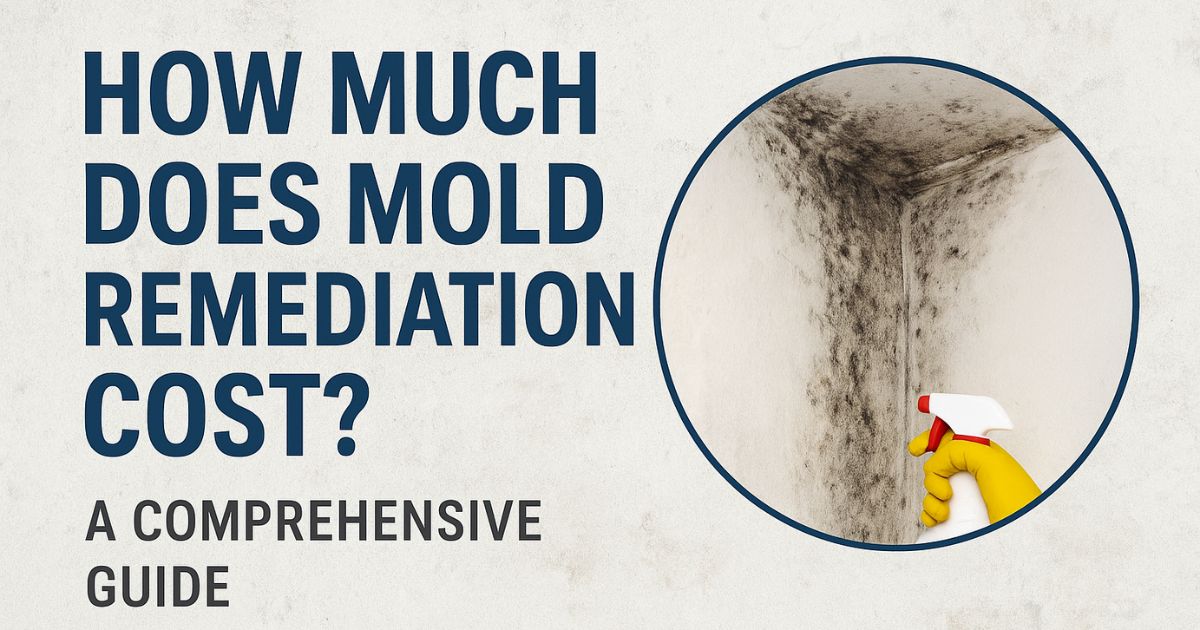
Mold remediation is a critical service that homeowners may need when facing fungal infestations in their properties. Understanding the mold remediation cost is essential for budgeting and planning purposes. This comprehensive guide will explore all aspects of mold removal pricing, from basic factors to specialized considerations. Whether you’re dealing with a small patch of mold or a widespread infestation, knowing the potential expenses can help you make informed decisions about professional mold removal services. We’ll delve into the various elements that influence mold remediation prices, examine costs by location and square footage, and provide valuable insights on how to manage these expenses effectively. By the end of this guide, you’ll have a thorough understanding of what to expect when hiring a mold remediation company and how to ensure you’re getting fair pricing for quality service.
What Is Mold Remediation?
Mold remediation refers to the comprehensive process of identifying, containing, and removing mold growth from indoor environments. Unlike simple mold cleaning, professional mold remediation addresses both visible mold and hidden contamination that may exist behind walls, under floors, or in ventilation systems. The process involves multiple steps including assessment, containment, removal, cleaning, and prevention of future growth. Certified mold remediation specialists use specialized equipment and techniques to safely eliminate mold without spreading spores to unaffected areas. When considering mold remediation cost, it’s important to understand that this comprehensive approach ensures thorough elimination of mold problems and helps maintain a healthy indoor environment. Professional mold remediation goes beyond surface treatment to address the root cause of mold growth, which is typically excess moisture or humidity.
Why Professional Mold Remediation Is Essential
Professional mold remediation is crucial for several reasons beyond just aesthetic concerns. Mold can cause significant health problems, particularly for individuals with allergies, asthma, or compromised immune systems. Professional mold removal companies have the expertise to identify all affected areas, including hidden mold growth that might be missed during DIY attempts. Additionally, improper mold removal can actually worsen the problem by dispersing spores throughout the property. A certified mold remediation specialist uses specialized containment procedures and equipment to prevent cross-contamination while effectively eliminating mold colonies. The investment in professional mold remediation services ultimately protects both your health and property value, making it a worthwhile consideration when dealing with mold issues. Furthermore, professionals can identify and address the underlying moisture problems that led to mold growth, preventing future infestations and potentially saving you money in the long run.
Factors That Influence Mold Remediation Costs
Multiple factors contribute to the overall mold remediation cost, making each situation unique. The size of the affected area is one of the most significant determinants, with larger infestations requiring more time, materials, and labor. The type of mold present also impacts pricing, as toxic varieties like black mold (Stachybotrys Chartarum) require more extensive safety measures and specialized handling. Location within the property plays a crucial role as well; for instance, attic mold remediation often costs more than treating mold in easily accessible areas due to difficult working conditions. The extent of damage to building materials significantly influences mold damage repair cost, with porous materials like drywall typically requiring complete removal when contaminated. Additionally, geographic location affects costs, with prices varying between regions based on local competition, cost of living, and licensing requirements. Understanding these factors helps homeowners better evaluate quotes and budget appropriately for professional mold removal services.
Average Cost of Mold Remediation: What to Expect
The average cost of mold remediation typically ranges from $500 to $6,000, with most homeowners paying approximately $2,000 to $3,000 for professional mold removal services. This wide price variation reflects the numerous factors that influence mold remediation prices, including the size of the affected area, type of mold, and extent of contamination. For minor mold issues covering less than 10 square feet, homeowners might spend as little as $200 to $500 for professional mold cleaning services. Conversely, extensive mold infestations affecting larger areas or requiring structural repairs can easily exceed $10,000.
When evaluating how much does it cost to remediate mold, it’s important to understand that professional mold removal cost includes not just the physical removal of mold but also containment, air filtration, and preventive measures to inhibit regrowth. The mold removal cost per square foot generally falls between $10 and $25, but this can increase substantially for black mold removal or when structural repairs are necessary.
Cost Breakdown by Service Type
Professional mold remediation companies typically offer various service levels, each with different pricing structures. Basic mold inspection and testing services might cost $200 to $600, while comprehensive mold removal services range from $500 to $6,000 depending on the scope of work. Some companies offer package deals that include inspection, removal, and prevention services at a discounted rate compared to purchasing these services separately. The table below provides a breakdown of common mold remediation services and their average costs:
| Service Type | Average Cost Range | Description |
| Mold Inspection & Testing | $200 – $600 | Visual assessment, air sampling, and lab analysis |
| Small Area Mold Removal (Under 10 sq ft) | $200 – $500 | Containment and removal of minor mold growth |
| Moderate Area Mold Removal (10-100 sq ft) | $500 – $3,000 | Professional containment, removal, and cleaning |
| Large Area Mold Removal (100-500 sq ft) | $3,000 – $10,000 | Extensive containment, removal, and potential reconstruction |
| Major Mold Remediation (Over 500 sq ft) | $10,000+ | Comprehensive remediation including structural repairs |
Cost by Mold Location: Where You Find Mold Matters
The location of mold growth significantly impacts mold removal cost, with different areas of your home presenting unique challenges and requiring varied remediation approaches. Attic mold removal services typically cost between $1,500 and $4,000, depending on the extent of contamination and accessibility issues. Attics often present difficult working conditions with limited space and ventilation, which increases labor costs.
Additionally, attic mold remediation may require removing and replacing insulation, further adding to the overall expense. Basement mold removal costs generally range from $500 to $3,000, with higher prices for finished basements where mold may have penetrated drywall, carpeting, or wood framing. The damp environment of basements makes them particularly susceptible to mold growth, often requiring moisture mitigation solutions as part of the remediation process.
Detailed Cost Analysis by Location
Different areas of your home present unique challenges for mold remediation, with corresponding variations in cost. The table below provides a detailed breakdown of average mold removal costs by location:
| Mold Location | Average Cost Range | Specific Considerations |
| Attic | $1,500 – $4,000 | Limited access, potential insulation replacement |
| Basement | $500 – $3,000 | Moisture issues, potential structural damage |
| Bathroom | $500 – $1,500 | Often smaller areas but may require tile work |
| Crawl Space | $1,000 – $4,000 | Difficult access, potential encapsulation needs |
| HVAC System | $400 – $6,000 | Specialized cleaning, potential component replacement |
| Whole House | $10,000 – $30,000+ | Extensive contamination, multiple areas affected |
Bathroom mold removal typically costs between $500 and $1,500 for minor to moderate infestations. While bathrooms are common areas for mold growth due to frequent moisture, they often involve smaller, more contained areas that are easier to address. However, if mold has penetrated behind tiles or under flooring, costs can increase substantially. Crawl space mold removal services generally range from $1,000 to $4,000, with higher prices for encapsulation services that prevent future moisture issues. The confined space and difficult access of crawl areas make remediation more challenging and labor-intensive.
HVAC mold removal cost can vary widely from $400 to $6,000, depending on whether cleaning or full system replacement is needed. Mold in HVAC systems is particularly concerning as it can distribute spores throughout your home, requiring thorough cleaning and sometimes component replacement. Whole house mold remediation represents the most expensive scenario, typically costing $10,000 to $30,000 or more, depending on the home’s size and extent of contamination.
Cost by Square Footage: Size Matters in Mold Remediation
The size of the mold-affected area is one of the most significant factors determining mold removal cost. For small areas of 50 square feet or less, homeowners can expect to pay approximately $200 to $500 for professional mold remediation. These minor infestations are often contained to surface areas and don’t typically require extensive demolition or specialized equipment.
However, even small areas of toxic mold like black mold may increase costs due to the need for more stringent safety protocols. For areas of 100 square feet, mold remediation costs typically range from $400 to $1,000. At this size, containment becomes more important, and professional mold removal companies may need to set up barriers and negative air pressure systems to prevent spore spread.
Square Footage Cost Breakdown
The following table illustrates how mold remediation costs typically increase with the size of the affected area:
| Size of Affected Area | Average Cost Range | Typical Services Included |
| 50 square feet | $200 – $500 | Basic containment, surface cleaning, antimicrobial treatment |
| 100 square feet | $400 – $1,000 | Containment barriers, removal of affected materials, cleaning |
| 150 square feet | $800 – $2,000 | Full containment, material removal, air filtration |
| 200 square feet | $1,000 – $3,000 | Comprehensive remediation, potential minor repairs |
| 500 square feet | $2,000 – $6,000 | Extensive containment, major material removal, structural repairs |
| 1,000 square feet | $6,000 – $15,000 | Full-scale remediation, reconstruction, multiple systems affected |
When mold affects 150 to 200 square feet, costs generally increase to $800 to $2,000. These moderate infestations often require more extensive removal of contaminated materials, such as drywall, insulation, or carpeting. The mold removal cost per square foot may decrease slightly for larger areas due to economies of scale, but the total expense naturally increases with the area affected.
For significant mold problems covering 500 square feet, homeowners should budget $2,000 to $6,000 for professional mold remediation. At this scale, specialized equipment like air scrubbers, dehumidifiers, and HEPA vacuums become necessary, and the remediation process may take several days to complete. Extensive mold infestations affecting 1,000 square feet or more can cost $6,000 to $15,000 or higher, particularly if structural components are affected or if the mold is in difficult-to-access areas.
Extent of Damage and Materials Involved in Mold Remediation
The extent of mold damage and the types of materials affected significantly influence mold remediation costs. Surface mold on non-porous materials like tile, glass, or metal is typically the least expensive to address, with mold cleaning services charging $200 to $500 for small areas. However, when mold penetrates porous materials like drywall, wood, or carpeting, removal becomes more complex and costly.
Mold damage repair cost for these materials often includes demolition and replacement, adding $1,000 to $5,000 or more to the total expense depending on the area affected. Professional mold remediation experts must carefully assess which materials can be cleaned and which require removal, as improper treatment can leave behind hidden mold that continues to grow and spread.
Material-Specific Cost Considerations
Different materials require different remediation approaches, with corresponding variations in cost. The table below outlines how material type affects mold remediation pricing:
| Material Type | Average Cost Range | Treatment Approach |
| Non-porous surfaces (tile, glass, metal) | $200 – $500 | Surface cleaning and antimicrobial treatment |
| Semi-porous surfaces (wood, concrete) | $500 – $2,000 | Specialized cleaning, sanding, sealing |
| Porous materials (drywall, insulation) | $1,000 – $5,000+ | Complete removal and replacement |
| Structural components (beams, joists) | $2,000 – $10,000+ | Specialized treatment or replacement |
Structural components affected by mold present the most challenging and expensive remediation scenarios. When mold damages load-bearing elements, floor joists, or roof trusses, costs can escalate dramatically, with mold damage repair costs reaching $10,000 to $30,000 or more. These situations require not only mold removal but also structural repairs or replacement, which must be performed by qualified professionals to ensure the safety and integrity of your home.
The type of material also affects remediation approaches and costs. For example, concrete and stone can often be cleaned and sealed, while wood may require sanding, sealing, or replacement depending on the extent of penetration. Similarly, mold in insulation typically requires complete removal and replacement, as cleaning is ineffective and mold can continue to grow in the material. Understanding how different materials interact with mold and remediation techniques helps homeowners better comprehend the quotes provided by mold remediation companies and make informed decisions about the most appropriate treatment methods for their specific situation.
Labor Costs in Mold Remediation
Labor costs constitute a significant portion of mold remediation expenses, typically accounting for 60-70% of the total project cost. Professional mold removal companies charge between $50 and $150 per hour for their technicians, with rates varying based on experience, certification, and geographic location. The complexity of the job directly impacts labor requirements, with simple surface mold removal taking just a few hours, while extensive infestations may require several days of work.
When considering how much does mold removal cost, homeowners should understand that labor expenses include not just the physical removal of mold but also setup, containment, cleaning, and final inspection. Certified mold remediation specialists command higher rates due to their specialized training and expertise in handling potentially hazardous materials safely and effectively.
Labor Cost Breakdown by Task
The following table illustrates how labor costs are typically distributed across different phases of a mold remediation project:
| Task | Average Time Required | Labor Cost Range |
| Initial Assessment & Testing | 1-2 hours | $100 – $300 |
| Containment Setup | 2-4 hours | $200 – $600 |
| Mold Removal & Cleaning | 4-8 hours | $400 – $1,200 |
| Air Filtration & Drying | 1-3 days | $500 – $1,500 |
| Final Inspection & Testing | 1-2 hours | $100 – $300 |
The number of technicians required for a mold remediation project also influences overall labor costs. Small, contained areas might only need one or two professionals, while extensive mold problems or those affecting multiple areas of a home may require a larger team. Additionally, certain types of mold, particularly toxic varieties like black mold, require more specialized handling and safety protocols, increasing labor time and costs. Professional mold remediation involves multiple stages, each requiring specific expertise and equipment.
The initial assessment and testing phase typically takes 1-2 hours, while containment setup can take 2-4 hours depending on the area’s size and complexity. The actual mold removal process varies widely based on the extent of contamination but generally ranges from 4-8 hours for moderate infestations. Finally, cleaning and air purification require additional time, with most projects needing 4-6 hours for thorough post-remediation cleaning. Understanding these labor components helps homeowners appreciate why professional mold remediation represents a significant investment and why DIY solutions, while initially cheaper, may not provide the same level of thoroughness and protection against recurrence.
Additional Cost Considerations for Mold Remediation
Beyond the basic mold removal cost, homeowners should budget for several additional expenses that often accompany comprehensive mold remediation. Structural repairs represent one of the most significant additional costs, typically ranging from $1,000 to $10,000 depending on the extent of damage.
When mold has compromised drywall, wood framing, or other structural components, these materials must be removed and replaced, adding substantially to the overall project expense. HVAC system cleaning is another common additional cost, ranging from $400 to $2,000 depending on the system’s complexity and contamination level. Since HVAC systems can distribute mold spores throughout a home, thorough cleaning or replacement of contaminated components is essential for complete remediation.
Additional Services and Their Costs
The table below outlines common additional services that may be required during mold remediation and their typical costs:
| Additional Service | Average Cost Range | When It’s Typically Needed |
| Structural Repairs | $1,000 – $10,000+ | When mold damages building materials |
| HVAC System Cleaning | $400 – $2,000 | If mold has spread to ventilation system |
| Temporary Housing | $100 – $300/night | During extensive remediation projects |
| Waste Disposal | $200 – $800 | For contaminated materials requiring special handling |
| Post-Remediation Testing | $300 – $800 | To verify effectiveness of treatment |
| Permit/Inspection Fees | $100 – $500 | Required by local municipalities for extensive work |
Temporary housing expenses may be necessary during extensive mold remediation projects, particularly when toxic mold is present or when the remediation process affects essential living areas. These costs can range from $100 to $300 per night for hotel accommodations or alternative housing. Waste disposal fees, often overlooked in initial estimates, typically add $200 to $800 to the total project cost, with higher fees for hazardous materials that require special handling and disposal methods. Post-remediation clearance testing, while not always mandatory, is highly recommended to verify the effectiveness of the treatment and typically costs $300 to $800 depending on the number of samples taken and the testing methods used.
Permit or inspection fees required by local municipalities can add $100 to $500 to the project cost, particularly for extensive remediation projects involving structural repairs. When budgeting for mold remediation, homeowners should request detailed quotes from mold remediation companies that outline all potential additional costs to avoid unexpected expenses during the project.
Mold Prevention Tips for After Remediation
After investing in professional mold remediation, implementing effective prevention strategies is crucial to protect your investment and avoid future mold problems. Reducing humidity in your home represents one of the most important preventive measures, with ideal indoor humidity levels maintained between 30% and 50%. Dehumidifiers in damp areas like basements and crawl spaces can significantly reduce moisture levels, making these areas less hospitable to mold growth.
Proper ventilation is equally important, particularly in moisture-prone areas like bathrooms, kitchens, and laundry rooms. Installing exhaust fans that vent to the exterior rather than the attic helps remove excess moisture before it can contribute to mold growth. Regular maintenance of these ventilation systems ensures they continue functioning effectively, providing ongoing protection against moisture accumulation.
Cost-Effective Prevention Strategies
Implementing mold prevention strategies doesn’t have to be expensive. The following table outlines cost-effective prevention measures and their typical implementation costs:
|
Prevention Strategy |
Average Cost |
Potential Savings |
| Dehumidifier Installation |
$200 – $1,000 |
Prevents future remediation costs |
| Improved Ventilation |
$300 – $1,500 |
Reduces moisture buildup |
| Leak Repair |
$150 – $800 |
Prevents water damage and mold |
| Moisture-Resistant Materials |
$500 – $3,000 |
Reduces mold growth potential |
| Regular Inspections |
$200 – $500/year |
Early detection saves money |
Fixing leaks immediately is another critical prevention strategy that can save thousands in future mold remediation costs. Regularly inspecting pipes, roofs, windows, and foundations for signs of water intrusion allows homeowners to address issues before they lead to mold growth. Even small leaks can create significant moisture problems over time, particularly when they occur in hidden areas like behind walls or under flooring. Removing carpet from humid areas like basements and bathrooms eliminates one of mold’s favorite growing mediums, replacing it with more moisture-resistant materials like tile, vinyl, or engineered wood. When water damage does occur, thorough drying within 24-48 hours is essential to prevent mold growth.
Professional water damage restoration services may be necessary for significant incidents, as they have specialized equipment to detect and remove moisture from building materials effectively. Scheduling regular mold inspections, particularly in previously affected areas or homes with a history of moisture problems, allows for early detection and intervention before minor issues become major infestations. These preventive measures, while requiring some investment, are significantly less expensive than professional mold remediation and help maintain a healthy indoor environment.
Common Types of Mold That May Affect Your Home
Understanding the different types of mold that can affect your home is essential for proper remediation and prevention. Alternaria is one of the most common indoor molds, typically appearing as dark green or brown velvety texture and often found in damp areas like showers, under sinks, and around windows. While generally not toxic, Alternaria can cause allergic reactions and asthma attacks in sensitive individuals.
Aspergillus is another prevalent household mold, with over 185 species identified, some of which can produce mycotoxins. This mold typically appears in various colors including green, yellow, or brown and commonly grows on walls, insulation, and clothing. Professional mold removal companies often encounter Aspergillus in homes with water damage or high humidity levels.
Mold Types and Their Health Implications
Different types of mold present varying levels of health risks and remediation challenges. The table below outlines common household molds and their characteristics:
| Mold Type | Appearance | Common Locations | Health Risks |
| Alternaria | Dark green/brown, velvety | Showers, windows, sinks | Allergies, asthma |
| Aspergillus | Various colors, powdery | Walls, insulation, clothing | Respiratory issues |
| Aureobasidium | Pink/brown/black, slimy | Wood, painted surfaces | Infections, allergies |
| Chaetomium | White to olive, cottony | Water-damaged areas | Allergies, infections |
| Cladosporium | Olive-green/brown | Fabrics, carpets, wood | Allergies, asthma |
| Stachybotrys (Black Mold) | Black/green, slimy | Water-damaged areas | Serious health effects |
Aureobasidium is a yeast-like mold that initially appears pink, brown, or black but typically darkens to a darker shade over time. Commonly found on wooden surfaces, painted areas, and window frames, this mold can cause infections in humans, particularly in individuals with compromised immune systems. Chaetomium is another mold frequently found in water-damaged homes, characterized by its cottony texture that changes from white to olive or gray over time. This mold is often associated with drywall destruction and produces a distinctive musty odor. Cladosporium, appearing as olive-green or brown spots, can grow in both warm and cool conditions and is commonly found on fabrics, carpets, and wood surfaces. While typically not toxic, it can trigger allergic reactions and asthma symptoms. Fusarium is a fast-growing mold that can appear in various colors and often grows on water-damaged carpets and fabrics.
Some species can produce mycotoxins that can have serious health effects. Penicillium, famous for its role in antibiotic production, is also a common household mold that appears as blue or green and often grows on water-damaged materials. Serpula Lacrymans, commonly known as dry rot fungus, can cause significant structural damage to wood. Stachybotrys Chartarum, the infamous “black mold,” produces mycotoxins that can cause serious health issues and requires specialized remediation techniques. Trichoderma and Ulocladium are other common household molds that typically grow in damp conditions and can cause various health problems. Identifying the specific type of mold in your home requires professional testing, which helps determine the appropriate remediation approach and safety protocols.
Signs You Need Mold Remediation
Recognizing the signs that indicate you need professional mold remediation can help you address problems before they escalate into major health hazards or structural issues. Visible mold growth is the most obvious indicator, appearing as discolored patches that can be black, green, white, orange, or purple. Mold often has a fuzzy, slimy, or powdery texture and may spread in irregular patterns. Even small patches of visible mold warrant professional inspection, as they often indicate more extensive hidden growth. A persistent musty odor, particularly in specific areas of your home, is another strong indicator of mold problems even when no visible growth is apparent. This distinctive smell results from microbial volatile organic compounds (MVOCs) released by mold as it grows and can help locate hidden mold behind walls or under flooring.
Identifying Mold Problems Early
Early detection of mold problems can save significant remediation costs. The following table outlines common signs of mold growth and what they might indicate:
| Sign of Mold | Potential Indication | Recommended Action |
| Visible Growth | Existing infestation | Professional inspection |
| Musty Odor | Hidden mold growth | Mold testing and assessment |
| Health Symptoms | Airborne spores | Air quality testing |
| Water Damage History | High mold risk | Thorough inspection |
| Peeling Paint/Warped Walls | Moisture issues | Moisture assessment and testing |
Health symptoms that improve when you leave your home but return upon reentry suggest indoor air quality issues potentially related to mold. These symptoms may include allergic reactions, respiratory problems, headaches, fatigue, or skin irritation. Individuals with asthma, allergies, or compromised immune systems often experience more severe reactions to mold exposure. Water damage history, whether from leaks, floods, or high humidity, significantly increases the likelihood of mold problems even when no visible signs are present.
Homes that have experienced water intrusion should undergo professional mold inspection to identify potential issues before they become visible. Unexplained property damage, such as peeling paint, warping wood, or deteriorating drywall, can indicate hidden moisture problems conducive to mold growth. Excessive humidity, indicated by condensation on windows, pipes, or walls, creates ideal conditions for mold development and warrants investigation. If you notice any of these signs, contacting a professional mold remediation service for assessment is the safest course of action to protect both your health and your property.
DIY vs. Professional Mold Remediation
When faced with mold problems, homeowners must decide between DIY approaches and hiring professional mold remediation services. DIY mold remediation may be appropriate for small, contained areas of less than 10 square feet, particularly when the mold is on non-porous surfaces like tile or glass. In these limited situations, homeowners can effectively address the problem using commercially available mold cleaning products and proper safety precautions. However, even small-scale DIY remediation requires appropriate protective equipment, including N-95 respirators, gloves, and eye protection, to avoid exposure to mold spores. The cost savings of DIY approaches can be significant for minor issues, with materials typically costing $50 to $200 compared to professional mold removal costs of $200 to $500 for similar-sized areas.
Comparing DIY and Professional Remediation
The following table compares DIY and professional mold remediation approaches across key factors:
| Factor | DIY Remediation | Professional Remediation |
| Cost | $50 – $200 (materials) | $200 – $30,000+ (depending on scope) |
| Effectiveness | Limited for small areas | Comprehensive for all sizes |
| Safety | Risk of exposure | Proper containment and protection |
| Hidden Mold | Often missed | Detected with specialized equipment |
| Prevention | Basic measures | Comprehensive moisture control |
| Guarantee | None | Often included |
Professional mold remediation becomes necessary in several scenarios that exceed the capabilities of most homeowners. When mold covers more than 10 square feet, affects porous materials like drywall or wood, or is located in HVAC systems, professional intervention is recommended. Black mold removal, in particular, should always be handled by certified mold remediation specialists due to the potential health risks associated with mycotoxin exposure. Professional mold remediation companies possess specialized equipment like air scrubbers, negative air machines, and HEPA vacuums that effectively contain and remove mold spores, preventing cross-contamination to unaffected areas of your home.
They also have the expertise to identify hidden moisture sources that contribute to mold growth, addressing the root cause rather than just the visible symptoms. While professional mold remediation costs more upfront, it provides more thorough and lasting results, reducing the likelihood of recurrence and protecting your property value. Additionally, professional remediation often comes with guarantees or warranties that provide peace of mind and protection against future problems. When deciding between DIY and professional approaches, homeowners should consider not just the immediate cost difference but also the potential health risks, the likelihood of complete removal, and the long-term effectiveness of the treatment.
Professional Mold Remediation: What to Expect
Understanding the professional mold remediation process helps homeowners know what to expect when hiring a mold remediation company. The process typically begins with a comprehensive assessment and testing phase, where certified mold remediation specialists evaluate the extent of contamination, identify the mold types present, and determine the underlying moisture sources.
This initial inspection may include visual assessment, moisture measurements, air sampling, and surface sampling to create a detailed remediation plan. Based on these findings, the mold remediation company will provide a detailed estimate outlining the scope of work, timeline, and mold remediation costs. This initial phase is crucial for developing an effective treatment strategy and ensuring all affected areas are addressed.
The Professional Remediation Process
The professional mold remediation process follows a systematic approach to ensure thorough removal and prevention. The table below outlines the typical steps involved:
| Step | Description | Average Duration |
| Initial Assessment | Inspection, testing, moisture mapping | 1-3 hours |
| Containment Setup | Sealing area, negative air pressure | 2-4 hours |
| Mold Removal | Physical removal of contaminated materials | 4-8 hours |
| Cleaning & Treatment | HEPA vacuuming, antimicrobial application | 4-6 hours |
| Drying & Dehumidification | Removing residual moisture | 1-3 days |
| Restoration | Repairing/replacing damaged materials | 1-5 days |
| Final Verification | Post-remediation testing | 1-2 hours |
The actual remediation process begins with containment measures to prevent mold spores from spreading to unaffected areas of your home. This typically involves sealing off the work area with plastic sheeting and creating negative air pressure using specialized equipment. All HVAC vents in the containment area are sealed, and air scrubbers with HEPA filters are used to capture airborne spores. The next phase involves removing mold-infested materials that cannot be effectively cleaned, such as drywall, insulation, or carpeting.
These materials are carefully removed and sealed in heavy-duty bags for proper disposal. The remaining surfaces are then thoroughly cleaned using specialized techniques and antimicrobial agents designed to kill mold and prevent regrowth. Porous materials like wood may require sanding, wire brushing, or other abrasive methods to ensure complete removal of mold roots. After cleaning, the area is treated with mold inhibitors and sealants to provide additional protection against future growth. The final phase includes drying the affected area to optimal moisture levels and conducting post-remediation testing to verify the effectiveness of the treatment. Throughout this process, professional mold remediation experts maintain detailed documentation of their procedures, which can be valuable for insurance purposes and future property transactions.
DIY Mold Remediation: When It’s Appropriate
DIY mold remediation can be appropriate in certain limited situations, potentially saving homeowners significant money on professional mold removal costs. For small areas of mold growth less than 10 square feet, particularly on non-porous surfaces like tile, glass, or metal, homeowners can often effectively address the problem themselves. Common examples include minor mold growth in shower stalls, on window sills, or on bathroom tiles where the mold is surface-level and hasn’t penetrated materials. Before beginning any DIY mold removal project, it’s essential to identify and address the moisture source that allowed the mold to grow, as failure to do so will result in regrowth regardless of how thoroughly the existing mold is removed. This might involve fixing leaky pipes, improving ventilation, or addressing drainage issues around your home’s foundation.
Safe DIY Mold Removal Techniques
When undertaking DIY mold remediation, following proper techniques is essential for safety and effectiveness. The table below outlines recommended DIY approaches for different situations:
| DIY Technique | Best For | Materials Needed | Safety Precautions |
| Surface Cleaning | Non-porous surfaces | Detergent, water, brush | Gloves, mask, eye protection |
| Vinegar Solution | Small areas on various surfaces | White vinegar, spray bottle | Ventilation, protective gear |
| Borax Treatment | Porous surfaces like wood | Borax, water, brush | Gloves, mask, ventilation |
| Tea Tree Oil | Natural alternative for small areas | Tea tree oil, water | Skin protection |
| Hydrogen Peroxide | Various surfaces | 3% hydrogen peroxide | Protective gloves, goggles |
When undertaking DIY mold remediation, proper safety precautions are paramount to protect your health during the process. At a minimum, this includes wearing an N-95 respirator mask, safety goggles, and waterproof gloves to avoid inhaling mold spores or skin contact. For larger areas, additional protective equipment like disposable coveralls may be necessary. The cleaning process typically begins with misting the moldy area lightly with water to reduce the number of airborne spores during cleaning.
A solution of detergent and water or a commercial mold cleaner can then be used to scrub the surface thoroughly. For porous surfaces, a mixture of one part bleach to ten parts water can be effective, though this should be used with caution due to potential fumes and material damage. After cleaning, the area must be dried completely to prevent regrowth, which may require fans or dehumidifiers. It’s important to note that while DIY methods can be effective for minor mold issues, they are not appropriate for black mold removal, mold in HVAC systems, or extensive infestations affecting large areas or structural components. In these situations, the health risks and potential for incomplete removal make professional mold remediation the safer and more effective choice.
How To Hire a Professional for Mold Remediation
Hiring the right professional mold remediation company is crucial for ensuring effective and lasting mold removal. The process begins with thorough research to identify qualified candidates in your area. Look for companies with specific certifications from reputable organizations like the Institute of Inspection, Cleaning and Restoration Certification (IICRC) or the National Organization of Remediators and Mold Inspectors (NORMI).
These certifications indicate that the company’s technicians have received specialized training in proper mold remediation techniques. When contacting potential mold remediation services, request proof of licensing and insurance, including general liability and workers’ compensation coverage. This protects you from potential liability if accidents occur during the remediation process. Additionally, verify how long the company has been in business and ask for references from recent customers with similar mold problems.
Selecting a Qualified Mold Remediation Company
The following table outlines key factors to consider when selecting a mold remediation company:
| Selection Factor | What to Look For | Why It Matters |
| Certifications | IICRC, NORMI, or similar | Indicates specialized training |
| Experience | 5+ years in business | Demonstrates stability and expertise |
| Insurance | Liability and workers’ compensation | Protects you from liability |
| References | Recent customer testimonials | Proves quality of work |
| Detailed Estimates | Itemized scope of work | Prevents hidden costs |
| Guarantees | Written warranties | Provides peace of mind |
When evaluating quotes from different mold remediation companies, ensure they provide detailed written estimates that clearly outline the scope of work, methods to be used, timeline, and total mold remediation cost. Be wary of unusually low estimates, as they may indicate incomplete work or hidden charges that will appear later. A comprehensive estimate should include containment procedures, removal of affected materials, cleaning methods, drying equipment, and any necessary repairs. Ask about their process for identifying and addressing the underlying moisture sources that contributed to the mold growth, as effective remediation must include moisture control measures.
Inquire about the equipment they use, particularly whether they utilize air scrubbers, negative air machines, and HEPA vacuums, which are industry standards for proper mold containment and removal. Request information about their post-remediation verification process, including whether they conduct clearance testing to ensure the mold has been effectively eliminated. Finally, review the contract carefully before signing, ensuring it includes all agreed-upon services, payment terms, and any guarantees or warranties offered. Taking these steps helps ensure you hire a reputable mold remediation company that will effectively address your mold problem and provide lasting protection for your home and health.
How To Save Money on Mold Remediation
While professional mold remediation represents a significant investment, several strategies can help homeowners manage these costs without compromising on quality or effectiveness. Early detection and intervention represent one of the most effective ways to reduce mold remediation expenses. Addressing mold problems when they’re small and contained can prevent them from spreading to larger areas, which significantly increases both the complexity and cost of removal. Regular inspections of moisture-prone areas like basements, bathrooms, and attics allow for early identification of potential issues before they escalate. Additionally, addressing water damage immediately and thoroughly drying affected areas within 24-48 hours can prevent mold growth entirely, eliminating the need for remediation.
Cost-Saving Strategies for Mold Remediation
The following table outlines effective strategies for reducing mold remediation costs:
| Cost-Saving Strategy | Potential Savings | Implementation Tips |
| Early Detection | 50-75% | Regular inspections, prompt action |
| Compare Quotes | 10-30% | Get multiple detailed estimates |
| Insurance Claims | Up to 100% | Document damage, review policy |
| Bundle Services | 10-20% | Combine with other home improvements |
| Prevention | 100% of future costs | Address moisture issues immediately |
When comparing quotes from different mold remediation companies, homeowners should focus on value rather than simply choosing the lowest price. A comprehensive quote that includes proper containment, thorough removal, moisture source correction, and preventive measures may cost more initially but provides better long-term value by preventing recurrence. Some mold remediation companies offer financing options that allow homeowners to spread the cost over several months, making the expense more manageable. In some cases, homeowners insurance may cover portion of the mold remediation cost, particularly when the mold results from a covered peril like a burst pipe or roof leak.
Review your policy carefully and document the damage thoroughly with photographs and detailed descriptions to support your claim. Combining mold remediation with other home improvement projects can sometimes reduce overall costs, particularly when repairs or renovations are already planned for affected areas. Finally, implementing proper moisture control and ventilation after remediation prevents future problems, avoiding additional expenses down the line. While these strategies can help manage costs, it’s important not to cut corners on essential remediation steps, as incomplete removal can lead to more extensive and expensive problems in the future.
Is Mold Remediation Necessary?
The necessity of mold remediation depends on several factors, including the type of mold present, the extent of contamination, and the health of the building’s occupants. From a health perspective, mold remediation is essential when mold growth is extensive or when toxic varieties like black mold are present. Mold can cause a range of health issues, from allergic reactions and asthma attacks to more serious respiratory problems and neurological symptoms in sensitive individuals. Children, elderly people, and those with compromised immune systems are particularly vulnerable to mold-related health problems.
Even for healthy individuals, prolonged exposure to high levels of mold spores can lead to the development of sensitivities and chronic health issues. When occupants experience unexplained health symptoms that improve when away from the property, professional mold remediation becomes necessary to restore a healthy indoor environment.
When Mold Remediation Is Essential
The following table outlines situations where mold remediation is essential:
| Situation | Why Remediation Is Necessary | Potential Consequences of Inaction |
| Health Symptoms | Protects occupant health | Worsening respiratory issues |
| Structural Damage | Preserves building integrity | Costly structural repairs |
| Property Value | Maintains home value | Decreased resale value |
| Legal Requirements | Meets health codes | Potential fines or legal action |
| Insurance Coverage | Prevents claim denial | Uncovered future damages |
From a property perspective, mold remediation is crucial to prevent structural damage and maintain property value. Mold gradually breaks down organic materials like wood, drywall, and insulation, potentially compromising the structural integrity of your home over time. Extensive mold growth can significantly reduce property values and make homes difficult to sell, as disclosure requirements typically mandate that sellers reveal known mold problems. Additionally, mold can cause cosmetic damage that becomes increasingly difficult and expensive to address the longer it’s allowed to persist. Even when mold growth is limited to non-structural areas, remediation may be necessary to prevent spread to more critical components of your home.
Insurance companies may also require professional mold remediation as a condition of coverage, particularly when mold results from covered water damage. While minor surface mold in small, isolated areas might not always require professional intervention, most mold situations benefit from at least a professional assessment to determine the extent of the problem and the most appropriate course of action. Ultimately, the cost of mold remediation is typically far less than the potential health consequences and property damage that can result from allowing mold growth to continue unchecked.
Understanding Mold Inspection and Testing
Mold inspection and testing are critical first steps in the remediation process, helping to identify the extent of contamination and develop an effective treatment plan. Professional mold inspectors use various techniques to assess mold problems, including visual examinations, moisture measurements, air sampling, and surface sampling. Visual inspections involve thoroughly examining the property for signs of mold growth, water damage, and moisture issues. Inspectors may use tools like moisture meters and thermal imaging cameras to detect hidden moisture sources behind walls or under floors. Air sampling involves collecting air samples from both inside and outside the property to compare mold spore concentrations and identify types of mold present. Surface sampling may include tape lifts, swab samples, or bulk samples of materials to determine the specific types of mold growing on surfaces.
Types of Mold Testing and Their Costs
The following table outlines common mold testing methods and their typical costs:
| Testing Method | Average Cost | What It Detects | Best For |
| Visual Inspection | $200 – $400 | Visible mold, moisture issues | Initial assessment |
| Air Sampling | $300 – $600 | Airborne spores, mold types | Hidden mold, air quality |
| Surface Sampling | $150 – $300 | Specific mold types on surfaces | Identifying mold varieties |
| Bulk Sampling | $200 – $400 | Mold in materials | Determining material replacement needs |
| ERMI Testing | $300 – $500 | 36 specific mold species | Comprehensive assessment |
The cost of mold inspection and testing varies depending on the size of the property and the extent of testing required. Basic visual inspections typically cost $200 to $400, while more comprehensive assessments including air and surface sampling may range from $400 to $800. Some mold remediation companies include initial inspection costs in their remediation quotes, while others charge separately for this service.
While mold testing adds to the overall expense, it provides valuable information that helps ensure effective remediation. Testing can identify hidden mold growth that might be missed during visual inspection, determine the types of mold present (which is important for health risk assessment), and establish baseline measurements to verify the effectiveness of remediation efforts. Post-remediation testing is equally important to confirm that mold levels have been reduced to safe levels and that the remediation process was successful. For homeowners dealing with mold issues, investing in professional inspection and testing is a wise decision that helps ensure thorough and effective remediation.
Mold Remediation for Different Property Types
Mold remediation approaches and costs can vary significantly depending on the type of property affected. Residential properties, including single-family homes, condominiums, and apartments, each present unique challenges for mold removal. Single-family homes typically offer easier access to affected areas but may have more complex systems like attics, basements, and crawl spaces where mold can hide.
Condominiums and apartments require special consideration for shared walls and systems, potentially requiring coordination with neighbors or homeowner associations. Commercial properties, including office buildings, retail spaces, and industrial facilities, often have larger affected areas, more complex HVAC systems, and stricter regulatory requirements, all of which can increase mold remediation costs.
Property-Specific Considerations
The following table outlines mold remediation considerations for different property types:
| Property Type | Average Cost Range | Specific Considerations |
| Single-Family Home | $2,000 – $10,000 | Full access, potential structural issues |
| Condominium | $1,500 – $7,000 | Shared walls, association approvals |
| Apartment | $1,000 – $5,000 | Limited access, tenant coordination |
| Office Building | $5,000 – $25,000 | Business disruption, complex systems |
| Retail Space | $3,000 – $15,000 | Customer impact, inventory protection |
| Industrial Facility | $10,000 – $50,000+ | Specialized equipment, regulatory compliance |
Commercial mold remediation typically costs more than residential remediation due to larger affected areas, more complex building systems, and additional regulatory requirements. Office buildings may require after-hours work to minimize business disruption, adding to labor costs. Retail spaces need special consideration for protecting inventory and maintaining customer access during remediation. Industrial facilities may have specialized equipment or processes that require protection during remediation, and they often face stricter regulatory compliance requirements.
Additionally, commercial properties may require more extensive documentation and clearance testing to satisfy liability concerns and regulatory requirements. Regardless of property type, the fundamental principles of mold remediation remain the same: identify the moisture source, contain the affected area, remove contaminated materials, clean thoroughly, and implement preventive measures. However, the scale and complexity of these operations vary significantly between residential and commercial properties, with corresponding differences in cost and timeline.
Mold Remediation and Insurance Coverage
Understanding insurance coverage for mold remediation is essential for homeowners facing mold problems. Coverage varies significantly between policies and insurance providers, with some policies offering comprehensive coverage while others exclude mold damage entirely. In general, standard homeowners insurance policies may cover mold remediation when the mold growth is the result of a covered peril, such as a sudden pipe burst, roof leak from a storm, or water damage from firefighting efforts. However, most policies exclude coverage for mold resulting from neglected maintenance issues, long-term moisture problems, or flooding (which requires separate flood insurance). When mold damage is covered, policies typically limit the amount payable for mold removal and repairs, often with a separate mold damage sublimit that ranges from $1,000 to $10,000.
Navigating Insurance Claims for Mold Remediation
The following table outlines common insurance scenarios for mold remediation:
| Insurance Scenario | Likelihood of Coverage | Typical Coverage Limit |
| Sudden Pipe Burst | High | Up to policy limit |
| Storm-Related Roof Leak | Moderate | Often sublimited to $5,000 |
| Long-Term Humidity Issues | Low | Usually excluded |
| Flood Damage | Very Low | Requires separate flood policy |
| Neglected Maintenance | Very Low | Typically excluded |
| Gradual Leak | Low to Moderate | Varies by policy |
To maximize the likelihood of insurance coverage for mold remediation, homeowners should document the damage thoroughly with photographs and videos, maintain records of all communications with the insurance company, and mitigate further damage by addressing water issues promptly. It’s important to review your policy carefully to understand your coverage, including any exclusions or limitations related to mold damage. When filing a claim, provide detailed documentation of the cause of the mold growth, the extent of the damage, and the remediation process.
Some insurance companies may require multiple quotes from mold remediation companies before approving a claim. Working with a mold remediation company experienced in insurance claims can help streamline the process and ensure proper documentation. While insurance coverage can significantly reduce out-of-pocket expenses for mold remediation, homeowners should be prepared for potential limitations and exclusions in their policies. In some cases, supplemental mold insurance endorsements may be available to provide additional coverage for mold remediation beyond what standard policies offer.
Health Effects of Mold Exposure
Understanding the health effects of mold exposure is crucial for recognizing the importance of proper remediation. Mold can cause a wide range of health problems, varying in severity depending on the type of mold, extent of exposure, and individual sensitivity. For most healthy individuals, exposure to small amounts of mold typically causes mild allergic reactions, including nasal stuffiness, throat irritation, coughing, wheezing, eye irritation, and skin rashes.
However, for sensitive individuals, including those with allergies, asthma, or compromised immune systems, mold exposure can trigger more severe reactions and exacerbate existing health conditions. Children and elderly people are also particularly vulnerable to mold-related health problems.
Health Risks by Mold Type
Different types of mold present varying levels of health risks. The following table outlines common health effects associated with different mold types:
| Mold Type | Common Health Effects | Severity |
| Alternaria | Allergic reactions, asthma | Moderate |
| Aspergillus | Respiratory infections, allergies | Moderate to Severe |
| Cladosporium | Allergies, asthma symptoms | Moderate |
| Stachybotrys (Black Mold) | Respiratory issues, neurological symptoms | Severe |
| Penicillium | Allergies, hypersensitivity | Moderate |
| Chaetomium | Respiratory infections, allergies | Moderate to Severe |
Prolonged exposure to high levels of mold spores can lead to the development of sensitivities and chronic health conditions even in previously healthy individuals. Some types of mold, particularly Stachybotrys Chartarum (black mold), produce mycotoxins that can cause serious health effects including respiratory problems, headaches, fatigue, and in severe cases, neurological symptoms. Individuals with compromised immune systems, such as those undergoing chemotherapy or with HIV/AIDS, are at risk of developing serious fungal infections from mold exposure.
Additionally, some studies suggest links between mold exposure and the development of asthma in children. Given these potential health risks, addressing mold problems promptly through professional mold remediation is essential for maintaining a healthy indoor environment. If occupants experience persistent health symptoms that improve when away from the property, mold testing and remediation should be considered to rule out mold as the cause of these issues.
Mold Remediation in Rental Properties
Mold remediation in rental properties presents unique challenges for both landlords and tenants. Responsibility for mold remediation typically falls to the property owner, as landlords are generally required to maintain habitable living conditions under most state and local laws. However, tenants also have responsibilities to report mold problems promptly and take reasonable steps to prevent mold growth, such as proper ventilation and moisture control. When mold is discovered in a rental property, tenants should notify the landlord immediately in writing, providing details about the location and extent of the problem. Landlords should respond promptly to these reports, arranging for professional mold inspection and remediation as needed.
Rights and Responsibilities for Tenants and Landlords
The following table outlines typical responsibilities for mold remediation in rental properties:
| Party | Responsibilities | Legal Considerations |
| Tenant | Report problems promptly, maintain proper ventilation | May withhold rent or break lease in severe cases |
| Landlord | Address mold problems, maintain habitable property | Required to remediate under most state laws |
| Property Manager | Coordinate remediation efforts | Acts on behalf of property owner |
| HOA (for condos) | Address issues in common areas | May be responsible for certain types of damage |
For landlords, addressing mold problems promptly is not only a legal obligation but also helps prevent more extensive damage and higher remediation costs down the line. Documenting all communications with tenants about mold issues and maintaining records of remediation efforts is important for legal protection. Some states have specific laws regarding mold disclosure and remediation in rental properties, so both landlords and tenants should familiarize themselves with local regulations. In cases where landlords fail to address serious mold problems, tenants may have legal recourse, including the ability to withhold rent, make repairs and deduct the cost from rent, or in severe cases, break the lease without penalty.
For tenants dealing with mold issues in rental properties, documenting the problem with photographs and written communications is crucial. If the landlord fails to address the problem, tenants may contact local health departments or housing authorities for assistance. Ultimately, preventing mold problems through proper maintenance and prompt attention to moisture issues is the best approach for both landlords and tenants to avoid the health risks and financial costs associated with mold remediation.
Mold Remediation for Historical Buildings
Mold remediation in historical buildings presents unique challenges that require specialized approaches. These structures often contain materials and construction techniques that are no longer commonly used, requiring careful consideration during remediation to preserve historical integrity while addressing mold problems. Historical buildings may also have unique ventilation systems, original materials that are particularly susceptible to mold damage, and architectural features that create hidden spaces where mold can grow undetected. Additionally, historical buildings may be subject to preservation guidelines and regulations that restrict the types of remediation methods and materials that can be used, potentially increasing the complexity and cost of mold removal.
Special Considerations for Historical Buildings
The following table outlines special considerations for mold remediation in historical buildings:
| Consideration | Challenge | Recommended Approach |
| Historical Materials | May be fragile or irreplaceable | Specialized cleaning techniques |
| Preservation Guidelines | Restrict remediation methods | Work with preservation specialists |
| Hidden Spaces | Complex construction | Advanced detection methods |
| Original Features | Difficult to access or treat | Custom containment solutions |
| Documentation | Required for historical records | Detailed before/after records |
When addressing mold problems in historical buildings, it’s essential to work with professionals who have experience with both mold remediation and historical preservation. These specialists can develop remediation plans that effectively address mold growth while preserving the historical character of the building. This may involve using specialized cleaning techniques for delicate surfaces, developing custom containment solutions for unique architectural features, and selecting restoration materials that match original components.
Documentation is particularly important for historical buildings, with detailed records of the mold problem, remediation process, and any materials replaced or repaired. In some cases, historical preservation organizations may offer guidance or resources for addressing mold problems in historically significant structures. While mold remediation in historical buildings may be more complex and costly than in standard structures, prompt attention to mold problems is essential to prevent irreversible damage to irreplaceable historical materials and features.
Mold Remediation After Natural Disasters
Natural disasters such as hurricanes, floods, and wildfires often create ideal conditions for mold growth, making mold remediation a critical part of disaster recovery efforts. Flooding, in particular, can lead to widespread mold problems as water saturates building materials and creates moisture-rich environments where mold can thrive. After natural disasters, the scale of mold problems often exceeds what individual homeowners can handle, requiring specialized disaster restoration companies with the equipment and expertise to address large-scale contamination. The timeline for mold remediation after disasters is critical, as mold can begin to grow within 24-48 hours of water exposure, rapidly spreading throughout affected properties.
Disaster-Specific Mold Remediation Considerations
The following table outlines mold remediation considerations after different types of natural disasters:
| Disaster Type | Specific Mold Challenges | Recommended Timeline |
| Flooding | Widespread contamination, contaminated water | Begin within 48 hours |
| Hurricanes | Extensive water damage, high humidity | Begin as soon as safe |
| Wildfires | Water used in firefighting, ash deposits | Begin after fire suppression |
| Tornadoes | Building damage exposes interior to elements | Begin after structural assessment |
| Earthquakes | Water line breaks, structural cracks | Begin after safety assessment |
After natural disasters, mold remediation often involves additional challenges beyond standard mold removal. Floodwaters may contain contaminants that require specialized handling and disposal procedures. Widespread power outages may limit the use of drying equipment, potentially extending the remediation timeline. Additionally, the high demand for remediation services after disasters can lead to shortages of qualified professionals and equipment, potentially increasing costs and extending wait times.
For homeowners dealing with mold after natural disasters, prioritizing safety is essential before beginning any remediation efforts. This includes ensuring the structural integrity of the building, addressing electrical hazards, and using appropriate personal protective equipment. Documenting all damage thoroughly with photographs and videos is crucial for insurance purposes and potential disaster assistance applications. While mold remediation after disasters presents significant challenges, prompt action is essential to prevent further damage and protect the health of occupants and restoration workers.
The Future of Mold Remediation
The field of mold remediation continues to evolve with new technologies, techniques, and approaches that promise more effective and efficient mold removal. Emerging technologies in mold detection include advanced thermal imaging, moisture mapping systems, and even artificial intelligence applications that can predict mold growth patterns.
New remediation techniques focus on more environmentally friendly approaches, including the use of natural antimicrobial agents and improved containment methods that reduce chemical usage. Additionally, advances in building materials and construction techniques are leading to more mold-resistant structures that prevent problems before they start. These innovations are changing how mold remediation professionals approach their work, potentially reducing costs and improving outcomes for homeowners dealing with mold problems.
Emerging Technologies in Mold Remediation
The following table outlines emerging technologies in mold detection and remediation:
| Technology | Application | Potential Benefits |
| Advanced Thermal Imaging | Detecting hidden moisture | Earlier detection, less invasive |
| Moisture Mapping Systems | Comprehensive moisture assessment | More accurate remediation planning |
| AI-Powered Predictive Analytics | Predicting mold growth patterns | Preventive interventions |
| Natural Antimicrobial Agents | Eco-friendly mold treatment | Reduced chemical usage |
| Improved Containment Systems | Better isolation of affected areas | More efficient remediation |
The future of mold remediation also includes greater emphasis on prevention through smart home technologies that monitor humidity levels and detect moisture issues before they lead to mold growth. Building materials with inherent mold-resistant properties are becoming more common, particularly in moisture-prone areas like bathrooms and basements.
Additionally, the integration of mold remediation with other home services, such as HVAC maintenance and water damage restoration, is creating more comprehensive approaches to indoor air quality and property health. As the field continues to evolve, homeowners can expect more effective, efficient, and environmentally friendly mold remediation options. However, the fundamental principles of mold remediation—identifying moisture sources, containing affected areas, removing contaminated materials, and implementing preventive measures—will remain the foundation of effective mold treatment regardless of technological advances.
FAQs About Mold Remediation
Is it expensive to get rid of mold?
The cost of mold removal varies significantly based on the extent of contamination, location, and type of mold involved. Minor mold problems in small, accessible areas might cost as little as $200 to $500, while extensive infestations affecting large areas or requiring structural repairs can cost $10,000 or more. The average homeowner typically pays between $2,000 and $6,000 for professional mold remediation.
Factors that influence cost include the size of the affected area, the type of mold present, the location within the property, and the extent of damage to building materials. While mold remediation can represent a significant expense, addressing problems promptly can help minimize costs by preventing the spread of mold to larger areas. Additionally, the health benefits and property protection provided by professional remediation often justify the investment.
Can I stay in my house during mold remediation?
Whether you can stay in your house during mold remediation depends on the extent of the problem and the areas affected. For small, contained mold problems in isolated areas of your home, it may be possible to remain in the property during remediation. However, for larger infestations, particularly those affecting multiple rooms or involving toxic mold varieties like black mold, temporary relocation is often recommended.
Professional mold remediation companies establish containment areas to prevent the spread of mold spores during removal, but some airborne spores may still be present during the process. Individuals with respiratory conditions, allergies, or compromised immune systems are particularly vulnerable and should consider relocating during remediation. Your mold remediation specialist can provide guidance based on the specific circumstances of your situation, but prioritizing health and safety should always be the primary consideration.
Can I remediate mold myself?
DIY mold remediation may be appropriate for very small areas of mold growth (less than 10 square feet) on non-porous surfaces like tile or glass. In these limited cases, homeowners can effectively address the problem using commercially available mold cleaning products and proper safety precautions. However, for larger areas, mold on porous materials like drywall or wood, or when toxic varieties like black mold are suspected, professional intervention is recommended.
Professional mold remediation companies have specialized equipment, containment procedures, and expertise that most homeowners lack. Additionally, improper DIY remediation can actually worsen the problem by dispersing mold spores throughout the property. While DIY approaches may save money initially, they often result in incomplete removal and eventual recurrence, leading to more extensive and expensive remediation later. When in doubt, consulting with a professional mold remediation specialist is the safest approach.
Is it possible to remove all the mold in my house?
Complete removal of all mold spores from a home is practically impossible, as mold spores are naturally present in indoor and outdoor environments. However, professional mold remediation can effectively eliminate mold colonies and reduce spore counts to natural, non-problematic levels. The goal of mold remediation is not to create a sterile environment but to address active mold growth and restore healthy indoor air quality.
Professional mold removal focuses on eliminating visible mold growth, addressing hidden contamination, removing affected materials that cannot be cleaned, and implementing moisture control measures to prevent future growth. After professional remediation, mold spore levels should be comparable to or lower than outdoor levels, which is considered normal and safe for most individuals. The key to long-term success is addressing the moisture sources that allowed mold to grow in the first place, as without proper moisture control, mold will eventually return regardless of how thoroughly the initial problem was addressed.
How long does mold remediation last?
The duration of mold remediation varies depending on the extent of contamination, the areas affected, and the methods used. Small, contained mold problems might be resolved in as little as one to two days, while extensive infestations affecting large areas or requiring structural repairs can take a week or more. The actual mold removal process typically takes 1-3 days for moderate infestations, with additional time needed for drying and repairs.
The timeline includes several phases: initial assessment and setup (1 day), containment and removal (1-2 days), cleaning and treatment (1 day), drying (1-3 days), and repairs and restoration (1-5 days depending on extent). Weather conditions can also affect the timeline, particularly for drying processes. Your mold remediation company should provide a detailed timeline as part of their estimate, but it’s important to remember that thorough remediation takes time and rushing the process can compromise results.
How can I tell if my house has mold?
Several signs can indicate the presence of mold in your home. Visible mold growth is the most obvious indicator, appearing as discolored patches that can be black, green, white, orange, or purple with a fuzzy, slimy, or powdery texture. A persistent musty odor, particularly in specific areas, is another strong indicator even when no visible growth is apparent. Health symptoms that improve when you leave your home but return upon reentry suggest indoor air quality issues potentially related to mold. These symptoms may include allergic reactions, respiratory problems, headaches, fatigue, or skin irritation.
Water damage history, whether from leaks, floods, or high humidity, significantly increases the likelihood of mold problems. Unexplained property damage, such as peeling paint, warping wood, or deteriorating drywall, can indicate hidden moisture problems conducive to mold growth. If you notice any of these signs, professional mold inspection can confirm the presence and extent of mold growth.
Does homeowners insurance cover mold remediation?
Homeowners insurance coverage for mold remediation varies significantly between policies and providers. Standard policies typically cover mold damage when it results from a covered peril, such as a sudden pipe burst or roof leak from a storm. However, most policies exclude coverage for mold resulting from neglected maintenance issues, long-term moisture problems, or flooding (which requires separate flood insurance).
When mold damage is covered, policies often limit the amount payable, with separate mold damage sublimits ranging from $1,000 to $10,000. To determine your coverage, review your policy carefully and look for specific mold exclusions or limitations. Documenting the cause of the mold growth and the extent of the damage is crucial when filing a claim. Some insurance companies require multiple quotes from mold remediation companies before approving a claim. Working with a mold remediation company experienced in insurance claims can help streamline the process and ensure proper documentation.
How do I choose a reputable mold remediation company?
Choosing a reputable mold remediation company requires careful research and consideration. Look for companies with specific certifications from reputable organizations like the Institute of Inspection, Cleaning and Restoration Certification (IICRC) or the National Organization of Remediators and Mold Inspectors (NORMI). Verify that the company is properly licensed and insured, including general liability and workers’ compensation coverage.
Ask about their experience with similar mold problems and request references from recent customers. Obtain detailed written estimates from multiple companies, ensuring they outline the scope of work, methods to be used, timeline, and total cost. Be wary of unusually low estimates, as they may indicate incomplete work or hidden charges. Inquire about their equipment and procedures, particularly whether they use proper containment methods, HEPA filtration, and post-remediation testing. Finally, check online reviews and complaints with the Better Business Bureau to gauge the company’s reputation. Taking these steps helps ensure you hire a qualified professional who will effectively address your mold problem.
What is the difference between mold removal and mold remediation?
While often used interchangeably, “mold removal” and mold remediation have distinct meanings in the industry. Mold removal typically refers to the physical removal of mold growth from surfaces, while mold remediation is a more comprehensive process that includes identification, containment, removal, cleaning, and prevention. Mold remediation addresses not just visible mold but also hidden contamination, airborne spores, and the underlying moisture sources that contributed to mold growth.
The remediation process includes assessment and testing, containment to prevent cross-contamination, removal of contaminated materials, thorough cleaning of remaining surfaces, air filtration to remove airborne spores, and implementation of moisture control measures. While mold removal might eliminate visible growth temporarily, without addressing the underlying causes, mold will likely return. Professional mold remediation provides a more thorough and lasting solution to mold problems, protecting both your health and property value.
How can I prevent mold from returning after remediation?
Preventing mold recurrence after remediation requires addressing the moisture issues that originally allowed mold to grow. Maintain indoor humidity levels between 30% and 50% using dehumidifiers in damp areas like basements and crawl spaces. Ensure proper ventilation in moisture-prone areas like bathrooms, kitchens, and laundry rooms, with exhaust fans venting to the exterior rather than the attic. Fix leaks immediately in plumbing, roofs, windows, and foundations to prevent water intrusion. Remove carpeting from damp areas and replace with moisture-resistant materials like tile, vinyl, or engineered wood.
When water damage occurs, dry affected areas thoroughly within 24-48 hours to prevent mold growth. Schedule regular inspections of previously affected areas and homes with a history of moisture problems. Consider installing a moisture detection system that alerts you to potential water issues. Implementing proper drainage around your home’s foundation can prevent groundwater seepage. These preventive measures, while requiring some investment, are significantly less expensive than dealing with recurring mold problems.
Is black mold more dangerous than other types?
“Black mold” typically refers to Stachybotrys Chartarum, a type of mold that has received significant media attention due to its potential health effects. While Stachybotrys can produce mycotoxins that may cause serious health problems, it’s important to understand that color alone doesn’t determine mold toxicity. Many types of mold can appear black, and some non-black molds can also produce mycotoxins.
The health risks associated with mold exposure depend on various factors including the type of mold, extent of exposure, and individual sensitivity. While Stachybotrys should be treated seriously and removed professionally, all types of mold growth in indoor environments should be addressed promptly. The presence of any mold indicates moisture problems that can lead to structural damage and potential health issues. Rather than focusing on identifying specific mold types, the priority should be removing all mold growth and addressing underlying moisture issues regardless of color or type.
How do I know if mold remediation was successful?
Successful mold remediation should be verified through both visual inspection and professional testing. Visually, there should be no signs of mold growth or water damage in the treated areas. There should be no musty odors, and occupants should report improvement or resolution of mold-related health symptoms. Professional post-remediation testing provides more definitive verification of success.
This typically includes air sampling both inside and outside the property to compare mold spore concentrations. Successful remediation should result in indoor spore counts that are similar to or lower than outdoor levels. Surface sampling may also be conducted to ensure no residual mold growth remains on surfaces. Some mold remediation companies provide clearance testing as part of their services, while others recommend using a third-party testing company for unbiased verification. Documentation of the entire remediation process, including before and after photos, can also help verify the thoroughness of the work performed. If you have any concerns about the effectiveness of remediation, additional testing or inspection is warranted.
Can mold cause permanent health damage?
While most mold-related health effects improve once exposure is eliminated and remediation is completed, some individuals may experience lasting effects, particularly with prolonged exposure to high levels of mold or certain types of toxic mold. Common health effects of mold exposure include allergic reactions, asthma exacerbation, respiratory infections, and hypersensitivity pneumonitis. For most healthy individuals, these conditions resolve once the mold problem is addressed and exposure ceases.
However, some people may develop sensitivities to mold that persist even after remediation. Individuals with compromised immune systems may experience more severe and potentially lasting health effects. In rare cases, exposure to certain types of mycotoxin-producing molds like Stachybotrys may lead to chronic health conditions. If you’re experiencing persistent health symptoms following mold exposure, consult with a healthcare provider experienced in environmental medicine. Early intervention and proper medical treatment can help prevent long-term health consequences. The best approach is to address mold problems promptly to minimize health risks and prevent potential permanent damage.
How often should I have my home inspected for mold?
The frequency of mold inspections depends on several factors including your geographic location, home age, history of water problems, and health considerations. For homes in humid climates or those with a history of moisture problems, annual inspections are recommended. Newer homes in dry climates with no history of water issues might only need inspections every 3-5 years. After any water damage incident, such as a leak or flood, immediate inspection is crucial even if no visible mold is present.
Homes with occupants who have mold sensitivities, respiratory conditions, or compromised immune systems should be inspected more frequently, perhaps every 6-12 months. Seasonal inspections before and after humid seasons can help identify problems early. Regular inspections of moisture-prone areas like basements, attics, and crawl spaces should be part of routine home maintenance. If you notice musty odors, visible water damage, or unexplained health symptoms, an immediate inspection is warranted regardless of when your last inspection occurred. Professional mold inspectors can identify potential problem areas before they develop into major issues, potentially saving significant remediation costs.
What questions should I ask a mold remediation company?
When hiring a mold remediation company, asking the right questions can help ensure you choose a qualified professional. Inquire about their certifications and training, specifically asking for credentials from organizations like the IICRC or NORMI. Ask about their experience with similar mold problems and request references from recent customers. Request a detailed written estimate that outlines the scope of work, methods to be used, timeline, and total cost. Ask about their containment procedures to prevent cross-contamination during removal. Inquire about the equipment they use, particularly whether they utilize HEPA filtration and air scrubbers.
Ask about their approach to identifying and addressing moisture sources that contributed to mold growth. Request information about their insurance coverage, including general liability and workers’ compensation. Ask whether they perform post-remediation testing to verify the effectiveness of their work. Inquire about guarantees or warranties for their services. Finally, ask about their safety protocols and how they protect your property during remediation. The answers to these questions will help you evaluate their professionalism and expertise.
How does mold affect property value?
Mold problems can significantly impact property value, with effects varying based on the extent of contamination and how it’s addressed. Undisclosed or untreated mold problems can decrease property value by 20-30% or more, as potential buyers are concerned about health risks and repair costs. Even disclosed mold issues can complicate sales and may result in lower offers or requests for price reductions to cover remediation costs. Properties with a history of mold problems may be perceived as high-risk, particularly if underlying moisture issues haven’t been resolved. However, professional mold remediation that includes proper documentation of the problem and its resolution can help mitigate value impacts.
Some buyers may actually view professionally remediated properties with preventive measures in place as more attractive than those with no history of mold issues. The key to protecting property value is addressing mold problems promptly and thoroughly, maintaining documentation of all remediation efforts, and implementing preventive measures to prevent recurrence. When selling a property, disclosure requirements typically mandate revealing known mold problems, making proper remediation essential for maintaining value.
Can I paint over mold to kill it?
Painting over mold is not an effective or recommended solution for mold problems. While some specialty paints contain antimicrobial properties that can inhibit mold growth on surfaces, they don’t address the underlying issues that allow mold to thrive. Painting over mold simply covers the visible growth without removing the mold colonies or addressing the moisture source that allowed it to grow.
Mold can continue to grow beneath the paint, eventually causing the paint to peel, bubble, or discolor. Additionally, painting over mold can trap moisture against surfaces, potentially exacerbating the problem. Proper mold remediation requires removing the mold growth, addressing moisture sources, and treating surfaces with appropriate antimicrobial solutions before applying any paint. For surfaces that have been affected by mold, using mold-resistant paint after proper remediation can help prevent future growth, but it should never be used as a substitute for proper removal and treatment. Attempting to paint over mold is a temporary cosmetic fix that typically leads to more extensive problems and higher remediation costs in the long run.
How long does it take for mold to grow after water damage?
Mold can begin to grow within 24-48 hours after water exposure under ideal conditions. The timeline for mold growth depends on several factors including the type of mold spores present, temperature, humidity levels, and the materials affected. Some types of mold can germinate and begin growing in as little as 12 hours under optimal conditions. Within 3-12 days after water damage, visible mold colonies may appear, often as small spots that can quickly spread if conditions remain favorable. By 18-21 days, significant mold growth may be evident, with potential for extensive contamination of building materials.
The most critical period for preventing mold growth after water damage is the first 24-48 hours, when prompt drying and water removal can prevent spores from germinating. Materials like drywall, carpeting, and insulation are particularly susceptible to rapid mold growth when saturated. This is why immediate action after water damage is crucial—thorough drying within the first 48 hours can prevent most mold problems. Even when surfaces appear dry, moisture can remain within building materials, creating conditions for mold growth days or even weeks later. Professional water damage restoration services use specialized equipment to detect and remove hidden moisture, reducing the risk of subsequent mold growth.
What is the difference between mold testing and mold inspection?
Mold inspection and mold testing serve different but complementary purposes in identifying mold problems. A mold inspection is a visual examination of a property to identify signs of mold growth, water damage, and moisture issues. During an inspection, professionals look for visible mold, musty odors, water stains, and conditions conducive to mold growth. Inspectors may use tools like moisture meters and thermal imaging cameras to detect hidden moisture sources. Mold testing, on the other hand, involves collecting samples to identify the types of mold present and determine spore concentrations. Testing methods include air sampling, surface sampling (tape lifts or swabs), and bulk sampling of materials.
While inspections can identify visible mold problems, testing can detect hidden mold and provide information about specific mold types and concentrations. Most professional mold assessments include both inspection and testing components for a comprehensive evaluation. Testing is particularly important when mold is suspected but not visible, when health issues are a concern, or when post-remediation verification is needed. Understanding the difference between these services helps ensure you receive the appropriate assessment for your situation.
Can mold grow in air conditioning systems?
Yes, air conditioning systems can provide ideal conditions for mold growth. The combination of moisture from condensation, organic materials in dust and debris, and the dark, enclosed environment within HVAC systems creates perfect conditions for mold to thrive. Mold commonly grows in drip pans, on coils, within ductwork, and in other components where moisture accumulates. When mold grows in HVAC systems, it can distribute spores throughout the entire property every time the system runs, potentially affecting air quality in all rooms.
Signs of mold in air conditioning systems include musty odors when the system is running, visible growth around vents, unexplained allergic symptoms that worsen when the system is in use, and reduced airflow. Preventing mold in HVAC systems requires regular maintenance, including cleaning drip pans, replacing filters, ensuring proper drainage, and periodic professional cleaning of ductwork and components. If mold is suspected in your HVAC system, professional remediation is essential, as improper cleaning can disperse spores throughout the property. HVAC mold remediation typically costs between $400 and $6,000 depending on the extent of contamination and whether cleaning or component replacement is needed.
How does mold affect indoor air quality?
Mold significantly impacts indoor air quality through the release of spores, microbial volatile organic compounds (MVOCs), and mycotoxins. Mold spores are microscopic particles that become airborne and can be inhaled by occupants, potentially causing allergic reactions, asthma attacks, and other respiratory issues. MVOCs are gases produced by mold during its growth cycle that create the characteristic musty odor associated with mold problems and can cause headaches, dizziness, and other symptoms in sensitive individuals.
Some types of mold produce mycotoxins, toxic substances that can cause more serious health effects when inhaled or ingested. Mold can also contribute to the proliferation of dust mites and bacteria, further degrading air quality. The impact of mold on indoor air quality depends on the type of mold present, extent of growth, ventilation in the property, and individual sensitivity. Professional mold remediation improves indoor air quality by removing mold colonies, reducing airborne spore concentrations, and eliminating sources of MVOCs. Post-remediation air testing can verify that spore counts have been reduced to acceptable levels, typically comparable to or lower than outdoor concentrations.
What is the best way to clean small amounts of mold?
For small areas of mold growth (less than 10 square feet) on non-porous surfaces, several cleaning approaches can be effective. A solution of detergent and water can be used to scrub away surface mold, followed by thorough drying. White vinegar, applied undiluted or mixed with water, can kill many types of mold and is less harsh than chemical alternatives. A mixture of one part bleach to ten parts water can also be effective on non-porous surfaces, though it should be used with caution due to potential fumes and material damage.
Commercial mold cleaning products specifically formulated for mold removal are also available and often provide the most effective results. Regardless of the cleaning solution used, it’s important to wear protective equipment including gloves, eye protection, and an N-95 respirator mask to avoid exposure to mold spores. After cleaning, the area should be dried thoroughly to prevent regrowth. For porous materials like drywall or wood, professional remediation is typically recommended even for small areas, as mold can penetrate below the surface and continue to grow despite surface cleaning. Addressing the moisture source that allowed mold to grow is essential regardless of the cleaning method used.
How do I prevent mold in my bathroom?
Bathrooms are particularly susceptible to mold growth due to frequent moisture and humidity. Preventing bathroom mold requires controlling moisture and maintaining proper ventilation. Install an exhaust fan vented to the exterior (not the attic) and run it during and for at least 20-30 minutes after every shower or bath. Wipe down shower walls and floors after use to remove excess moisture. Fix any leaks in faucets, pipes, or showerheads immediately. Use a squeegee to remove water from shower walls and glass doors after each use.
Ensure grout and caulk are in good condition, repairing or replacing any cracked or missing sections. Consider using mold-resistant products like mold-resistant drywall, paint, and caulk in bathroom renovations. Keep bathroom windows open when weather permits to improve air circulation. Reduce clutter in the bathroom to improve air flow and make cleaning easier. Clean regularly with products that inhibit mold growth, paying special attention to grout lines, corners, and other areas where moisture can accumulate. If you have a bathroom carpet, consider replacing it with tile or vinyl, which are less prone to mold growth. These preventive measures can significantly reduce the likelihood of mold problems in your bathroom.
Can mold grow behind walls?
Yes, mold commonly grows behind walls where it’s not visible but can cause significant damage and health issues. Wall cavities provide ideal conditions for mold growth when moisture is present, offering darkness, organic materials like drywall paper and wood studs, and limited air circulation that allows moisture to persist. Common causes of mold behind walls include plumbing leaks, roof leaks that enter wall cavities, condensation from temperature differentials, and high humidity that penetrates walls. Signs that mold might be growing behind walls include musty odors in specific areas, discoloration or staining on walls, peeling or bubbling paint or wallpaper, and unexplained health symptoms that worsen in certain rooms.
Professional mold inspectors use specialized tools like moisture meters, thermal imaging cameras, and borescopes to detect hidden mold behind walls. When mold is discovered behind walls, professional remediation is typically necessary, as it often requires removing affected drywall or other wall materials to access and eliminate the mold growth. Addressing the moisture source that allowed the mold to grow is essential to prevent recurrence. Hidden mold behind walls can cause significant structural damage over time and release spores into living spaces through electrical outlets, light fixtures, and other wall penetrations.
What is the difference between mold and mildew?
While often used interchangeably, mold and mildew are distinct types of fungi with different characteristics and growth patterns. Mildew is a specific type of mold that typically grows on flat surfaces in a patchy pattern, appearing as powdery or downy growth. It’s usually white or gray in color and commonly found on plants, paper, fabrics, and in damp areas of homes like bathrooms. Mildew generally remains on the surface and can usually be cleaned easily with appropriate cleaners. Mold, on the other hand, is a broader term that includes many different types of fungi that can penetrate surfaces and grow into the material they’re feeding on.
Mold appears in various colors including black, green, white, orange, or purple and often has a fuzzy or slimy texture. Unlike mildew, mold can cause significant structural damage as it breaks down materials it grows on. While both can cause health issues, certain types of mold (particularly black mold varieties) are associated with more serious health effects. Mildew is generally considered less harmful and easier to remove than mold. Both thrive in moist environments, so prevention strategies for both involve controlling moisture and improving ventilation. Understanding the difference can help determine the appropriate approach for removal and prevention.
How does humidity affect mold growth?
Humidity plays a crucial role in mold growth, with most types thriving in environments where relative humidity exceeds 60%. When indoor humidity levels are high, moisture condenses on cooler surfaces, creating the damp conditions mold needs to grow and reproduce. Different types of mold have varying humidity requirements, but most common household molds grow best in humidity levels between 70% and 90%. Maintaining indoor humidity between 30% and 50% significantly reduces the likelihood of mold growth. Areas with naturally high humidity, such as basements, crawl spaces, and bathrooms, are particularly susceptible to mold problems unless properly ventilated or dehumidified.
Seasonal humidity changes can also affect mold growth, with many regions experiencing increased mold problems during humid summer months. Monitoring humidity levels with a hygrometer can help identify potential problem areas before mold develops. Using air conditioners and dehumidifiers during humid periods can help maintain appropriate humidity levels. Proper ventilation is also essential for controlling humidity, particularly in areas where moisture is generated through cooking, bathing, or other activities. By managing indoor humidity, homeowners can create an environment that is inhospitable to mold growth, reducing the risk of infestation and the need for remediation.
Can mold cause structural damage to my home?
Yes, mold can cause significant structural damage to homes over time. As a natural decomposer, mold breaks down organic materials as part of its growth process. In homes, this means mold can gradually destroy materials like wood, drywall, paper, carpeting, and insulation. When mold grows on wooden structural components like beams, joists, and framing, it can weaken these elements over time, potentially compromising the structural integrity of the building. Drywall contaminated with mold often loses its structural strength and may crumble or deteriorate.
Mold can also damage insulation, reducing its effectiveness and potentially leading to increased energy costs. The extent of structural damage depends on the type of mold, duration of growth, and materials affected. Some types of mold, like Serpula Lacrymans (dry rot fungus), are particularly destructive to wood. Structural mold damage repair costs can range from $2,000 to $10,000 or more, depending on the extent of damage and materials requiring replacement. Beyond the direct damage to materials, persistent moisture problems that lead to mold growth can also cause other structural issues like wood rot, foundation problems, and deterioration of building envelopes. This is why addressing mold problems promptly is essential not just for health reasons but also to protect the structural integrity and value of your property.
What should I look for when buying a home regarding mold?
When buying a home, several indicators can suggest potential mold problems that warrant further investigation. Musty odors in specific areas or throughout the property are strong indicators of hidden mold growth. Look for visible signs of water damage, including stains on ceilings, walls, or floors, which may indicate past or present moisture issues conducive to mold growth. Check for peeling or bubbling paint, warped walls, or deteriorating drywall, which can signal moisture problems. Examine areas around windows, under sinks, and around toilets for signs of water damage or mold growth. In basements and crawl spaces, look for water stains, efflorescence (white mineral deposits), or visible mold growth. Ask about any history of leaks, floods, or water damage.
Request documentation of any previous mold remediation work. Consider including a mold inspection contingency in your purchase agreement, allowing you to hire a professional mold inspector if you have concerns. Properties in humid climates or those with poor ventilation may be at higher risk for mold problems. If the home has been vacant for an extended period, particularly with utilities turned off, mold may have had opportunity to grow undetected. While some mold issues can be resolved relatively easily, extensive problems can be costly to remediate and may affect your decision to purchase or the price you’re willing to pay.
How do I prevent mold in my basement?
Basements are particularly susceptible to mold growth due to their typical below-grade location, potential for water intrusion, and often poor ventilation. Preventing basement mold requires controlling moisture and improving air circulation. Ensure proper drainage around your home’s foundation by maintaining gutters and downspouts and grading the landscape to direct water away from the foundation. Install and maintain a sump pump if your basement is prone to water infiltration. Seal cracks in foundation walls and floors to prevent water seepage. Consider applying waterproof coatings to basement walls. Install a dehumidifier to maintain humidity levels between 30% and 50%, particularly during humid months. Improve ventilation by installing vents or using fans to circulate air. Avoid storing items directly against basement walls, as this restricts air flow and can trap moisture.
Choose plastic storage containers over cardboard boxes, which can absorb moisture and support mold growth. Insulate cold water pipes to prevent condensation. Address any plumbing leaks immediately. If your basement has finished areas, use mold-resistant materials like mold-resistant drywall and insulation. Regularly inspect for signs of moisture or mold growth, particularly after heavy rains. Consider installing a moisture detection system that alerts you to water issues. These preventive measures can significantly reduce the likelihood of mold problems in your basement.
Can mold grow in carpet?
Yes, carpet can provide an ideal environment for mold growth when conditions are right. Carpet fibers and the backing materials are organic and can trap moisture, creating perfect conditions for mold to thrive. Mold commonly grows in carpeting that has been exposed to water damage from floods, leaks, or high humidity. Even small amounts of moisture trapped in carpet padding can lead to mold growth within 24-48 hours. Signs of mold in carpet include musty odors that persist despite cleaning, visible discoloration or growth, and increased allergy symptoms when in the carpeted area.
Carpets in basements, on concrete slabs, or in other damp areas are particularly susceptible to mold problems. Once mold has penetrated carpet padding or the subfloor, simple surface cleaning is ineffective, and the carpet typically requires complete removal. To prevent mold in carpet, address any water damage immediately by extracting water and thoroughly drying the carpet and padding within 24-48 hours. Use dehumidifiers and fans to accelerate drying. Clean spills promptly and thoroughly. Consider using carpet with moisture-resistant backing in areas prone to dampness. In high-humidity regions or moisture-prone areas, alternative flooring like tile, vinyl, or engineered wood may be a better choice than carpet. If you suspect mold in your carpet, professional testing can confirm the presence and extent of contamination.
How does ventilation affect mold growth?
Ventilation plays a crucial role in preventing mold growth by controlling moisture and humidity levels in indoor environments. Proper ventilation helps remove excess moisture generated by daily activities like cooking, bathing, and breathing, which can otherwise accumulate and create conditions conducive to mold growth. In areas with high humidity or moisture generation, like bathrooms, kitchens, and laundry rooms, mechanical ventilation through exhaust fans is essential. These fans should vent to the exterior rather than to attics or crawl spaces, where they can simply transfer moisture problems to another area. Whole-house ventilation systems, including heat recovery ventilators (HRVs) and energy recovery ventilators (ERVs), can help maintain appropriate humidity levels throughout the home.
Natural ventilation through windows and doors can also help reduce humidity when weather permits. Poor ventilation is a common contributor to mold problems, particularly in modern energy-efficient homes that may be tightly sealed but lack adequate air exchange. Attic ventilation is particularly important to prevent moisture buildup that can lead to mold growth on roof sheathing and structural components. Crawl space ventilation helps prevent ground moisture from accumulating and creating conditions for mold growth. Improving ventilation is often a key component of mold prevention strategies, especially in conjunction with moisture control measures. By ensuring proper air circulation and moisture removal, ventilation creates an environment that is inhospitable to mold growth.
What is the best way to remove mold from wood?
Removing mold from wood requires careful consideration of the extent of contamination and the type of wood involved. For surface mold on non-porous finished wood, a solution of detergent and water or a commercial mold cleaner can be effective. The area should be scrubbed thoroughly, then dried completely. For unfinished wood or more extensive contamination, a stronger approach may be necessary. A mixture of one part bleach to ten parts water can kill mold on wood surfaces, but it should be used with caution as it can lighten the wood color. Vinegar is a less harsh alternative that can kill many types of mold. For deeply embedded mold in porous wood, sanding may be necessary to remove the mold roots, followed by treatment with a fungicidal sealant.
Professional mold remediation is recommended for extensive mold growth on structural wood components or when the mold has caused significant decay. After mold removal, the wood should be treated with a borate solution to help prevent regrowth. It’s essential to address the moisture source that allowed the mold to grow, as without resolving the underlying moisture issue, mold will eventually return regardless of how thoroughly the wood is cleaned. For valuable or antique wood items, consulting with a wood restoration specialist is advisable to ensure appropriate cleaning methods that won’t damage the material. Safety precautions, including wearing gloves, eye protection, and a respirator mask, are important when cleaning mold from wood to avoid exposure to spores.
Can mold grow in insulation?
Yes, insulation can provide an ideal environment for mold growth when moisture is present. Most types of insulation, particularly fiberglass and cellulose, can trap moisture and provide organic material that supports mold growth. Mold commonly grows in insulation that has become wet from leaks, condensation, or high humidity. Attic insulation is particularly susceptible when roof leaks are present or when ventilation is inadequate, leading to condensation. Wall cavity insulation can become moldy when moisture penetrates from exterior sources or interior humidity issues. Crawl space insulation often suffers from ground moisture problems and poor ventilation. Once insulation becomes moldy, it typically cannot be effectively cleaned and must be removed and replaced.
Mold in insulation can be particularly problematic as it may not be visible until the problem is extensive. Signs of moldy insulation include musty odors, visible mold growth on surrounding surfaces, and unexplained health symptoms. Some types of insulation, like closed-cell spray foam, are more resistant to mold growth due to their non-porous nature, but even these can support mold growth on their surfaces when conditions are right. When replacing moldy insulation, it’s essential to address the moisture source that caused the problem to prevent recurrence. Consider using mold-resistant insulation products in moisture-prone areas. Proper ventilation and moisture control are key to preventing mold growth in insulation.
How does mold affect pets?
Pets can be affected by mold exposure in ways similar to humans, with potential health effects ranging from mild allergic reactions to serious respiratory problems. Animals with smaller lungs and different respiratory systems may actually be more susceptible to certain mold-related health issues. Common symptoms of mold exposure in pets include respiratory problems like coughing, wheezing, and difficulty breathing, especially in animals with pre-existing respiratory conditions. Allergic reactions may manifest as skin irritation, excessive scratching, hair loss, or ear infections. Digestive issues like vomiting or diarrhea can occur if pets ingest mold spores or contaminated materials. More severe cases can lead to fungal infections, particularly in animals with compromised immune systems.
Birds are particularly vulnerable to airborne toxins and may show severe reactions to mold exposure. Small mammals like hamsters and guinea pigs can also be significantly affected due to their small size and sensitive respiratory systems. Pets may also carry mold spores on their fur, potentially spreading contamination to other areas of the home. If you suspect mold is affecting your pets, consult with a veterinarian who has experience with environmental health issues. Addressing mold problems in your home is essential for protecting both human and animal occupants. When remediating mold, consider temporarily relocating pets, particularly those in cages or tanks that may be more difficult to move away from contaminated areas.
What is the difference between mold abatement and mold remediation?
While often used interchangeably in the industry, mold abatement and mold remediation can have slightly different meanings depending on context and regional usage. Mold abatement typically refers to measures taken to control or reduce mold growth, often focusing on containing the problem and preventing its spread. This term is sometimes used to describe specific control measures rather than comprehensive removal. Mold remediation, on the other hand, generally refers to the complete process of addressing mold problems, including identification, containment, removal, cleaning, and prevention. Remediation is a more comprehensive approach that aims to restore the property to a healthy condition by eliminating mold growth and addressing underlying causes.
Some professionals use abatement to refer specifically to the removal of hazardous materials, which might include certain types of toxic mold. In regulatory contexts, abatement sometimes refers to measures taken to comply with health and safety standards. Regardless of terminology, effective mold treatment should include the same fundamental steps: identifying the moisture source, containing affected areas, removing contaminated materials, thorough cleaning, and implementing preventive measures. When hiring professionals, it’s important to understand exactly what services are included in their proposed treatment plan, regardless of whether they call it abatement or remediation. The key is ensuring that all aspects of the mold problem are addressed comprehensively rather than simply treating visible growth.
Can mold grow in new construction?
Yes, mold can grow in new construction, sometimes even before the building is completed. New buildings are particularly susceptible to mold problems during construction and in the first year after completion due to several factors. Building materials like lumber, drywall, and insulation can be exposed to rain during construction, creating ideal conditions for mold growth before the building envelope is complete. New construction is often very tight for energy efficiency, which can trap moisture from construction processes like concrete curing, plaster drying, and painting. Incomplete or improperly installed HVAC systems may not provide adequate ventilation or dehumidification during the crucial early months.
Additionally, new buildings may have high initial moisture content in materials that takes time to dry out completely. Signs of mold in new construction include musty odors, visible growth on building materials, and moisture-related issues like condensation on windows. To prevent mold in new construction, builders should protect materials from rain during construction, ensure proper installation of vapor barriers and ventilation systems, allow adequate drying time before enclosing materials, and consider using dehumidifiers during the first few months after completion. Homeowners of new properties should maintain good ventilation and monitor humidity levels, particularly during the first year. If mold is discovered in new construction, it should be addressed promptly and covered under builder warranties in most cases.
How does mold affect indoor humidity levels?
Mold and indoor humidity levels have a reciprocal relationship—high humidity promotes mold growth, and mold growth can affect humidity levels through its biological processes. Mold requires moisture to grow and thrives in environments with relative humidity above 60%. When humidity levels are high, moisture condenses on surfaces, creating the damp conditions mold needs to proliferate. Conversely, mold can affect humidity levels through metabolic processes that release water vapor into the air. During its growth cycle, mold performs biological functions that can contribute to indoor humidity, particularly in areas with extensive contamination. This creates a feedback loop where high humidity promotes mold growth, and mold growth helps maintain conditions favorable for further proliferation. This relationship is why simply killing mold without addressing moisture issues is ineffective—conditions will quickly allow regrowth.
Managing indoor humidity is crucial for both preventing mold growth and creating an environment inhospitable to existing mold. Dehumidifiers, air conditioners, and proper ventilation all help reduce humidity levels, making conditions less favorable for mold. Monitoring humidity with a hygrometer can help identify problem areas before mold develops. In homes with existing mold problems, reducing humidity levels is an important component of the remediation process, as it helps slow mold growth and improves the effectiveness of other remediation measures. Understanding this relationship is key to both preventing and addressing mold problems effectively.
What is the best way to store belongings to prevent mold?
Proper storage techniques can significantly reduce the risk of mold growth on your belongings. The key principles are controlling moisture, ensuring air circulation, and choosing appropriate storage locations and containers. Avoid storing items directly against concrete floors or basement walls, as these surfaces can transfer moisture. Use shelving or pallets to keep items off the floor and away from walls. Choose storage areas with good air circulation and low humidity, avoiding damp basements, attics, or crawl spaces when possible. Climate-controlled storage units are ideal for sensitive items. Select storage containers made of plastic rather than cardboard, which can absorb moisture and support mold growth. For particularly sensitive items, consider airtight containers with silica gel desiccant packets to absorb any residual moisture.
Avoid overpacking containers, as this restricts air circulation and can trap moisture. Clean and thoroughly dry items before storage, as any dirt or moisture can provide nutrients for mold growth. For clothing, wash and dry completely before storing, and consider using cedar blocks or lavender sachets as natural mold deterrents. For books and documents, store in a cool, dry environment with good air circulation, and avoid plastic bags that can trap moisture. Periodically inspect stored items for signs of moisture or mold growth, particularly during humid seasons. If you must store items in potentially damp areas, consider using a small dehumidifier in the storage space. These preventive measures can help protect your belongings from mold damage during storage.
Can mold grow in refrigerators and appliances?
Yes, mold can grow in refrigerators and other household appliances, particularly in areas where moisture accumulates and organic material is present. In refrigerators, mold commonly grows on door seals, in drip pans, and on forgotten food items. The high humidity environment inside refrigerators, combined with potential spills and food particles, creates ideal conditions for mold growth. Signs of mold in refrigerators include musty odors, visible growth on seals or interior surfaces, and mold on food items. Other appliances can also develop mold problems—washing machines, particularly front-loading models, can develop mold in door gaskets and detergent dispensers. Dishwashers may grow mold in filters and door seals.
Air conditioners, dehumidifiers, and humidifiers can all support mold growth in water collection trays, filters, and internal components. Coffee makers, blenders, and other small kitchen appliances can develop mold if not cleaned and dried properly. To prevent mold in appliances, clean regularly with appropriate cleaners, paying special attention to rubber seals, gaskets, and other areas where moisture can accumulate. Empty and clean refrigerator drip pans regularly. Leave refrigerator and freezer doors slightly open when not in use for extended periods. Run washing machine cleaning cycles periodically and leave the door open between uses to allow drying. Clean and dry small appliances after each use. If mold is discovered in an appliance, clean thoroughly with a solution appropriate for the appliance materials, and ensure it dries completely before use. For persistent mold problems in appliances, professional cleaning or replacement may be necessary.
How does mold affect home energy efficiency?
Mold can negatively impact home energy efficiency in several ways, often resulting in higher utility bills and reduced comfort. When mold grows in insulation, it reduces the material’s thermal resistance (R-value), diminishing its effectiveness and allowing heat transfer in or out of the home. This forces heating and cooling systems to work harder to maintain desired temperatures, increasing energy consumption. Mold in HVAC systems can restrict airflow through ductwork and components, reducing system efficiency and potentially increasing energy usage by 20-30% or more. Moisture problems that lead to mold growth often indicate other issues affecting energy efficiency, such as air leaks, inadequate ventilation, or poor insulation.
Mold growth around windows and doors can indicate seal failures that allow air leakage, further reducing energy efficiency. The presence of mold may also lead homeowners to run dehumidifiers or air purifiers continuously, adding to electricity costs. Conversely, some measures taken to prevent mold, like improving ventilation and sealing air leaks, can actually improve energy efficiency when properly implemented. Addressing mold problems often involves identifying and fixing underlying moisture issues, which can simultaneously improve energy efficiency. For example, sealing air leaks to prevent moisture intrusion also reduces energy loss. Proper insulation installation that prevents moisture condensation also maximizes thermal performance. When addressing mold problems, consider the potential energy efficiency benefits of comprehensive solutions that address both moisture control and energy performance. This integrated approach can result in a healthier, more comfortable, and more energy-efficient home.
What is the difference between mold and bacteria?
Mold and bacteria are both microorganisms that can grow in homes, but they differ significantly in their biology, growth patterns, and health effects. Mold is a type of fungus that grows in multicellular filaments called hyphae, forming visible colonies that can appear fuzzy, slimy, or powdery. Mold reproduces through spores that become airborne and can spread easily. Bacteria are single-celled organisms that reproduce through binary fission, dividing into two identical cells. While some bacteria can form colonies, they typically don’t produce the visible growth patterns characteristic of mold.
Mold requires organic material and moisture to grow, while bacteria can grow in a wider range of conditions, including on some non-organic surfaces. Both can cause health problems, but they tend to affect people differently—mold primarily causes allergic reactions and respiratory issues, while bacteria can cause infections and gastrointestinal problems.
Mold typically grows in damp areas with poor ventilation, while bacteria can proliferate in various environments including kitchens, bathrooms, and on surfaces that aren’t properly cleaned. Prevention strategies differ as well—mold prevention focuses on moisture control, while bacteria prevention emphasizes cleaning and disinfection. Both can be problematic in homes, but require different approaches for identification, removal, and prevention. Professional environmental testing can distinguish between mold and bacterial contamination, which is important as the remediation approaches may differ. Understanding these differences helps ensure appropriate treatment strategies for maintaining a healthy indoor environment.
Can mold grow in clothes and textiles?
Yes, mold can grow on clothes and textiles when conditions are right, particularly in damp environments with poor air circulation. Natural fibers like cotton, linen, wool, and silk provide organic material that supports mold growth, while synthetic fibers can also support mold when dirt and moisture are present. Clothes stored in damp closets, basements, or attics are particularly susceptible to mold growth. Laundry that remains wet in the washing machine for extended periods or clothes that don’t dry completely can develop mold quickly. Signs of mold on clothes include musty odors that persist after washing, visible discoloration or growth, and fabric that feels damp or slimy. Mold can cause permanent staining and damage to fibers, particularly in natural fabrics.
To prevent mold on clothes, ensure they are completely dry before storing, avoid overcrowding closets to allow air circulation, and use dehumidifiers in damp storage areas. Clean clothes regularly, as dirt and body oils provide nutrients for mold growth. For clothes that have been exposed to mold, washing with vinegar or borax can help kill mold spores. Dry cleaning can also be effective for moldy garments that can’t be washed with water.
For valuable or delicate items, professional cleaning may be necessary. When storing seasonal clothes, clean them first rather than storing soiled items, and consider using breathable storage containers rather than plastic bags that can trap moisture. Adding cedar blocks or lavender sachets can provide some natural mold protection. In humid climates, consider using a dehumidifier in closets or storing clothes in climate-controlled areas. These preventive measures can help protect your wardrobe from mold damage.
How does outdoor mold affect indoor air quality?
Outdoor mold can significantly impact indoor air quality as mold spores readily enter homes through various pathways. Outdoor mold spores are naturally present in the air and can infiltrate homes through open windows and doors, ventilation systems, and small cracks or openings in the building envelope. During certain seasons, particularly late summer and fall in many regions, outdoor mold spore counts can be extremely high, leading to increased indoor concentrations. Outdoor mold sources include decaying vegetation, compost piles, and mold growing on exterior surfaces of buildings.
When outdoor mold spore counts are high, even homes without indoor mold problems can experience elevated spore levels that may affect sensitive individuals. The impact of outdoor mold on indoor air quality can be managed through several strategies. Keeping windows closed during high spore count days reduces infiltration. High-efficiency HVAC filters can capture incoming spores when the system is running. Regular maintenance of ventilation systems prevents them from becoming pathways for outdoor mold. Air purifiers with HEPA filters can help reduce indoor spore concentrations.
Creating a slight positive pressure in the home (through controlled ventilation) can help prevent outdoor air from entering through uncontrolled pathways. While it’s impossible to completely eliminate outdoor mold spores from indoor air, these measures can reduce concentrations to more comfortable levels for sensitive individuals. Monitoring outdoor mold spore counts through local allergy reports can help you take appropriate precautions on high-count days. Understanding the relationship between outdoor and indoor mold helps develop comprehensive strategies for maintaining healthy indoor air quality.
What is the best way to clean mold from grout and tile?
Cleaning mold from grout and tile requires appropriate techniques and products to effectively remove the growth without damaging surfaces. For mild mold growth on tile surfaces, a solution of one part white vinegar to one part water applied with a spray bottle can be effective. Allow the solution to sit for at least an hour before scrubbing with a brush and rinsing thoroughly.
For more stubborn mold on grout lines, create a paste of baking soda and water, apply it to the grout, then spray with the vinegar solution. The chemical reaction between baking soda and vinegar creates a fizzing action that helps lift mold from porous grout. For persistent mold problems, a mixture of one part bleach to ten parts water can be used, but test on an inconspicuous area first as bleach can discolor some tiles and grout. Commercial grout and tile cleaners specifically formulated for mold removal are also available and often provide the most effective results.
After cleaning, thoroughly dry the area and consider applying a grout sealer to help prevent future mold growth. For extensive mold problems or recurring growth, professional cleaning may be necessary. Steam cleaning can be effective for killing mold in grout lines without using chemicals. Prevention is key—ensure proper ventilation in bathrooms and other areas with tiled surfaces, wipe down tile after use to remove excess moisture, and repair any cracked or missing grout that can trap moisture. Regular cleaning with products that inhibit mold growth can help prevent recurrence. When cleaning mold from grout and tile, wear protective gloves and ensure adequate ventilation, particularly when using bleach or commercial cleaning products.
Can mold grow in cars and vehicles?
Yes, mold can grow in cars and other vehicles, creating unpleasant odors and potential health issues for occupants. Vehicles provide ideal conditions for mold growth when moisture is present—enclosed spaces, organic materials in upholstery and carpeting, and often poor ventilation. Common causes of mold in cars include water leaks from windows, sunroofs, or convertible tops, wet clothing or towels left in the vehicle, and high humidity in certain climates. Signs of mold in cars include musty odors that persist despite cleaning, visible growth on seats, carpeting, or interior panels, and foggy windows that don’t clear easily. Mold commonly grows in carpeting, seat cushions, and in the HVAC system, where it can be distributed throughout the vehicle when the fan is running.
To prevent mold in vehicles, fix any leaks immediately, avoid leaving wet items in the car, and ensure proper drainage from sunroofs and convertible tops. Use air conditioning regularly to help dehumidify the interior, and consider using moisture-absorbing products in humid climates. If mold is discovered, clean affected surfaces with appropriate cleaners, ensuring they dry completely. For extensive mold growth, particularly in upholstery or carpeting, professional cleaning may be necessary. The vehicle’s HVAC system may also require professional cleaning if mold has contaminated the ventilation components.
Parking in covered areas can help reduce moisture accumulation, particularly in rainy climates. Regular cleaning and vacuuming helps remove organic material that can support mold growth. Addressing mold problems in vehicles promptly is important not just for comfort but also for the health of occupants, particularly those with mold sensitivities or respiratory conditions.
How does mold affect different building materials?
Mold affects different building materials in various ways, with some materials being more susceptible to damage than others. Porous materials like drywall, wood, and insulation are particularly vulnerable to mold growth and damage. Drywall consists of a paper facing over a gypsum core, and the paper provides organic material that supports mold growth when moisture is present. Once mold penetrates drywall, the material typically loses structural integrity and must be removed and replaced. Wood can support mold growth on its surface and, with prolonged exposure, can develop rot that compromises its strength.
Insulation materials like fiberglass and cellulose can trap moisture and support mold growth throughout their thickness, requiring complete replacement when contaminated. Semi-porous materials like concrete and brick can support surface mold growth but are less susceptible to deep penetration. Non-porous materials like glass, metal, and ceramic tile are resistant to mold penetration but can support surface growth that can be cleaned. Painted surfaces can develop mold growth, particularly if the paint is old or damaged, with mold sometimes getting between paint layers and the underlying material.
The extent of damage depends on the type of mold, duration of growth, and material properties. Some materials, like treated lumber or mold-resistant drywall, are designed to resist mold growth but are not immune when moisture is persistent. Understanding how different materials react to mold exposure helps determine appropriate remediation approaches—some materials can be cleaned and salvaged, while others must be removed and replaced. This knowledge also informs material choices for repairs and renovations in moisture-prone areas.
What is the best way to prevent mold in closets?
Closets are particularly susceptible to mold growth due to typically poor air circulation, dark conditions, and potential for moisture accumulation. Preventing mold in closets requires attention to several key factors. Ensure adequate air circulation by avoiding overpacking closets and leaving space between items and walls. Install closet doors with louvers or slats, or leave doors slightly ajar to promote air flow. Use breathable storage containers rather than plastic bags that can trap moisture. Consider installing a small, low-wattage light in closets, as the slight heat can help reduce humidity and inhibit mold growth. For closets on exterior walls, ensure proper insulation to prevent condensation. In humid climates, consider using a small dehumidifier or moisture-absorbing products like silica gel packets or charcoal briquettes. Avoid storing damp clothing or shoes in closets—ensure items are completely dry before storage.
Regularly clean closets to remove dust and organic material that can support mold growth. For walk-in closets, ensure proper ventilation from the home’s HVAC system or consider installing a small exhaust fan. If you notice musty odors or visible mold growth, clean immediately with appropriate cleaners and address any moisture sources. For closets in bathrooms or other moisture-prone areas, ensure proper waterproofing and ventilation in adjacent spaces. Periodically inspect closet corners, walls, and stored items for early signs of moisture problems. These preventive measures can significantly reduce the likelihood of mold growth in closets, protecting your clothing and other stored items from damage.
Can mold grow in houseplants?
Yes, mold can grow on houseplants and in their soil, creating potential health concerns and potentially harming the plants. Mold typically appears on the soil surface as a white, gray, or green fuzzy growth, particularly when potting soil remains consistently moist. Overwatering is the primary cause of mold growth on houseplants, as excess moisture creates ideal conditions for fungal development. Poor drainage in pots can exacerbate this problem by allowing water to accumulate at the bottom. Mold can also grow on plant stems and leaves, particularly when dead organic material is present or air circulation is poor.
While some mold types on soil surface are merely cosmetic and don’t harm plants, others can cause root rot or other diseases that can damage or kill the plant. Mold on houseplants can also release spores into indoor air, potentially affecting sensitive individuals. To prevent mold on houseplants, water appropriately—allow soil to dry slightly between waterings and ensure pots have adequate drainage. Improve air circulation around plants by not overcrowding them and occasionally moving them to areas with better airflow. Remove dead leaves and plant debris promptly, as this organic material can support mold growth.
If mold appears on soil surface, gently scrape it off and replace with fresh soil. For persistent mold problems, repotting with fresh, sterile potting mix may be necessary. A thin layer of sand or decorative gravel on the soil surface can help discourage mold growth. Ensure plants receive appropriate light, as good lighting can help inhibit mold development. These measures can help keep your houseplants healthy while reducing potential mold issues in your home.
How does mold affect home insurance premiums?
Mold problems can significantly impact home insurance premiums, though the specific effects vary between insurance providers and policies. Homes with a history of mold claims may face higher premiums or difficulty obtaining coverage. Some insurers may exclude mold coverage entirely from policies, particularly in high-humidity regions or for older homes with greater mold risk. When mold coverage is included, policies often have sublimits that cap the amount payable for mold remediation, typically ranging from $1,000 to $10,000. Homes with documented mold problems may require inspections or remediation before insurers will provide coverage. Some insurance companies offer mold endorsements or additional coverage options for an increased premium. Preventive measures like proper ventilation, moisture control, and regular maintenance can help keep premiums lower by reducing the likelihood of mold claims.
Documenting maintenance and remediation efforts can be helpful when working with insurers. After a mold claim, some insurers may require specific preventive measures to be implemented before renewing coverage. The impact on premiums also depends on the cause of the mold—claims related to covered perils like sudden pipe bursts may be viewed more favorably than those resulting from neglected maintenance. Shopping around for insurance providers and comparing policies can help find appropriate coverage at reasonable rates, particularly if you’ve taken preventive measures to reduce mold risk. Some insurers offer discounts for homes with features like dehumidifiers, improved ventilation, or water leak detection systems that reduce mold risk. Understanding how mold affects insurance coverage and premiums can help homeowners make informed decisions about both prevention and claims.
What is the best way to clean mold from outdoor surfaces?
Cleaning mold from outdoor surfaces requires appropriate techniques and products designed to withstand weather conditions and effectively remove growth from various materials. For exterior siding, a solution of one part bleach to three parts water applied with a garden sprayer can be effective for most mold growth. Allow the solution to remain on the surface for 10-15 minutes before scrubbing with a soft brush and rinsing thoroughly with a garden hose. For more delicate surfaces or areas near plants, commercial outdoor cleaners specifically formulated for mold removal may be a better choice.
Pressure washing can be effective for removing mold from concrete, brick, and other durable surfaces, but use appropriate pressure settings to avoid damage. For wooden decks and fences, oxygen bleach (sodium percarbonate) is less harsh than chlorine bleach and can effectively clean mold without damaging the wood or surrounding vegetation. After cleaning, allow surfaces to dry completely, which may take 24-48 hours depending on weather conditions. To prevent regrowth, consider applying a mold-resistant sealant or paint to cleaned surfaces.
Address underlying causes of mold growth, such as vegetation touching the house, poor drainage, or inadequate sunlight. Clean gutters regularly to prevent moisture accumulation that can lead to mold growth on roof and siding. Trim trees and shrubs to improve air circulation and sunlight exposure. When cleaning outdoor mold, wear protective clothing, gloves, and eye protection, particularly when using chemical cleaners. Avoid working on windy days to prevent spray drift. For extensive mold growth on exterior surfaces or hard-to-reach areas, professional cleaning services may be necessary. Regular maintenance and prompt attention to small mold patches can prevent more extensive problems that require more intensive cleaning efforts.
Can mold grow in mattresses and bedding?
Yes, mold can grow in mattresses and bedding when conditions are right, creating potential health issues and damage to these items. Mattresses provide ideal conditions for mold growth with their thickness, organic materials, and ability to trap moisture from body sweat and humidity. Mold typically develops in mattresses when they’re exposed to excess moisture from spills, high humidity, or inadequate ventilation. Signs of mold in mattresses include musty odors that persist despite cleaning, visible growth on the surface, and dark spots or stains that may indicate mold beneath the fabric. Mattresses on solid platforms or directly on the floor are particularly susceptible as air circulation is restricted. Bedding like sheets, blankets, and pillows can also develop mold growth, particularly if stored in damp conditions or if they remain damp from use. To prevent mold in mattresses and bedding, ensure proper ventilation in the bedroom, use a dehumidifier in humid climates, and consider a mattress protector that is waterproof yet breathable.
Clean spills immediately and ensure the mattress dries completely. Regularly wash bedding in hot water to kill any potential mold spores. Rotate and flip mattresses periodically to promote even drying. For beds on solid platforms, consider slatted bases that improve air circulation beneath the mattress. If mold is discovered on a mattress, surface cleaning may be possible for minor growth, but extensive mold typically requires replacement of the mattress. For bedding, washing with vinegar or borax can help eliminate mold spores. Professional cleaning may be appropriate for valuable or delicate items. When purchasing a new mattress, consider models with antimicrobial treatments or those made with materials naturally resistant to mold growth. These preventive measures can help protect your sleeping environment from mold issues.
How does mold affect different climate zones?
Mold growth patterns and challenges vary significantly across different climate zones, with each region presenting unique conditions that affect mold proliferation. In humid subtropical climates, like the southeastern United States, consistently high humidity levels create year-round mold challenges. These regions often require aggressive moisture control strategies, including whole-house dehumidification and robust ventilation systems. Tropical climates present even greater challenges with extreme humidity and frequent rainfall, making mold growth a constant concern.
In contrast, arid and desert climates have fewer natural mold problems, but indoor mold can still develop from water leaks or condensation from air conditioning systems. These regions often see seasonal mold spikes during monsoon seasons or humid periods. Temperate climates with four distinct seasons often experience peak mold growth during humid summer months, with reduced growth during cold, dry winters.
However, these regions may experience indoor mold problems during winter when condensation forms on cold surfaces. Mediterranean climates with wet winters and dry summers often see mold problems during rainy seasons, particularly in buildings with inadequate moisture barriers. Cold climates present unique challenges as warm indoor air condenses on cold surfaces, potentially leading to mold growth in walls, attics, and around windows. Climate change is affecting mold patterns globally, with some regions experiencing increased humidity and precipitation that may expand mold growth areas. Understanding regional mold challenges helps develop appropriate prevention and remediation strategies tailored to specific climate conditions. Building practices and materials should be selected with local climate conditions in mind to minimize mold risk. As climate patterns shift, ongoing adaptation of mold prevention strategies may be necessary to maintain healthy indoor environments across all climate zones.
What is the best way to prevent mold in vacation homes?
Vacation homes present unique mold prevention challenges due to periods of vacancy and fluctuating environmental conditions. When homes are unoccupied for extended periods, small moisture problems can develop into significant mold issues before being discovered. The most effective prevention strategy for vacation homes is maintaining consistent environmental control through automated systems. Installing a smart thermostat with humidity control allows you to maintain appropriate temperature and humidity levels remotely, even when the property is vacant. Set thermostats to maintain temperatures above 65°F in winter to prevent condensation, and use dehumidifiers or air conditioning in summer to keep humidity below 60%.
Consider installing a whole-house dehumidifier with automatic drainage for continuous moisture control. Smart home systems can alert you to potential problems like power outages, temperature fluctuations, or water leaks. For plumbing, consider shutting off water supply and draining pipes during extended vacancies to prevent leaks. Install water leak detectors that can alert you to problems even when you’re away. Ensure proper ventilation by keeping vents slightly open or installing mechanical ventilation systems. Before closing up a vacation home, clean thoroughly to remove organic materials that can support mold growth. Remove perishable food items that could mold. Arrange for periodic inspections by a property management service or trusted neighbor.
For homes in humid climates, consider using moisture-absorbing products in closets and enclosed spaces. Seasonal preparations should include checking seals on windows and doors, cleaning gutters, and ensuring proper drainage around the property. These preventive measures can help protect your vacation home from mold problems during periods of vacancy, ensuring it remains in good condition for your enjoyment.
Can mold grow in electronic devices?
Yes, mold can grow in electronic devices when conditions are right, potentially causing damage and health concerns. Electronics provide ideal conditions for mold growth in certain components—dark environments, organic materials on circuit boards, and potential for moisture accumulation.
Mold commonly grows in devices that have been exposed to high humidity, water damage, or are located in damp areas. Air conditioners, dehumidifiers, and humidifiers are particularly susceptible due to their function of processing moist air. Computers, televisions, and other electronics can develop mold growth, particularly in areas with poor air circulation or after exposure to moisture. Signs of mold in electronics include musty odors when devices are operating, visible growth on vents or surfaces, and malfunctioning or erratic behavior.
Mold can cause corrosion on electronic components, leading to permanent damage and potential fire hazards. To prevent mold in electronics, maintain appropriate humidity levels in your home, particularly where sensitive electronics are located. Ensure proper ventilation around electronic devices to allow heat dissipation and moisture evaporation. Avoid placing electronics in damp areas like basements or bathrooms unless specifically designed for those environments. Clean electronic devices regularly to remove dust and organic material that can support mold growth.
Use air purifiers with HEPA filters to reduce airborne spores that could settle in electronics. If electronics have been exposed to water or excessive moisture, power them down immediately and have them professionally cleaned and dried before attempting to use them again. For devices in humid climates, consider using silica gel packets or small dehumidifiers in cabinets or enclosures. When storing electronics for extended periods, ensure they are clean, dry, and stored in climate-controlled conditions. These preventive measures can help protect your electronic devices from mold damage and ensure their proper operation.
How does mold affect home resale value?
Mold problems can significantly impact home resale value, though the extent of the impact depends on several factors. Undisclosed or untreated mold issues can decrease property value by 20-30% or more, as potential buyers are concerned about health risks, repair costs, and potential for recurrence. Even properly disclosed mold problems can complicate sales and may result in lower offers or requests for price reductions to cover remediation costs. Properties with a history of mold issues may be perceived as high-risk, particularly if underlying moisture problems haven’t been resolved. The impact on resale value varies based on the extent of contamination, the types of mold present, and whether professional remediation was performed.
Homes with documented professional remediation and preventive measures in place may fare better than those with untreated or improperly addressed mold problems. Some buyers, particularly those with mold sensitivities or health concerns, may immediately reject properties with any mold history. Others may be more receptive if comprehensive remediation has been performed and documented. The location of the mold problem also affects impact—growth in structural components or HVAC systems is more concerning than isolated growth in easily remediated areas.
To protect resale value, address mold problems promptly and thoroughly when they occur, maintaining detailed documentation of all remediation efforts. Implement preventive measures to reduce recurrence risk. When selling, disclosure requirements typically mandate revealing known mold problems, making proper remediation essential. Some sellers opt for pre-listing mold inspections to identify and address issues before they become negotiating points. While mold problems can negatively impact resale value, professionally remediated homes with preventive measures in place may actually be viewed more favorably than homes with no history of mold issues but inadequate prevention. Understanding these factors helps homeowners make informed decisions about addressing mold problems to protect their property investment.
What is the best way to clean mold from leather goods?
Cleaning mold from leather goods requires special care to effectively remove the mold without damaging the leather. For minor mold growth on leather items like jackets, bags, or shoes, begin by taking the item outside to prevent spreading spores indoors. Use a soft brush to remove surface mold, taking care not to scratch the leather. Create a cleaning solution of equal parts water and rubbing alcohol or white vinegar, which can kill mold spores without damaging most leather. Dampen a soft cloth with the solution and gently wipe the affected areas, being careful not to oversaturate the leather. Follow with a cloth dampened with plain water to remove any residue, then dry the item thoroughly with a clean towel.
Allow the leather to air dry completely, away from direct heat or sunlight which can cause cracking. Once completely dry, apply a leather conditioner to restore moisture and flexibility that may have been lost during cleaning. For more extensive mold growth or valuable items, professional cleaning by a leather specialist may be advisable. Suede and nubuck require different cleaning approaches—specialized erasers and brushes designed for these materials should be used rather than liquid cleaners.
To prevent mold recurrence on leather goods, store items in breathable containers rather than plastic bags, maintain appropriate humidity levels in storage areas, and ensure items are completely clean and dry before storage. Regularly wearing or using leather items can help prevent mold growth, as the air circulation discourages fungal development. For particularly valuable or sentimental items, consider investing in a dehumidifier for storage areas or using silica gel packets in storage containers. These preventive measures can help protect your leather goods from mold damage while preserving their quality and appearance.
Can mold grow in swimming pools and spas?
Yes, mold can grow in swimming pools and spas, though it’s less common than algae growth which is often mistaken for mold. Mold typically appears in pools and spas as slimy patches that can be black, green, or white in color. It commonly grows in areas with poor circulation, on pool surfaces that don’t receive adequate sunlight, or in areas with organic material accumulation. Pool surfaces, particularly around tile lines, in cracks, and on pool equipment, can develop mold growth when conditions are favorable. Spas and hot tubs are particularly susceptible due to warm temperatures and organic material from bathers. Mold in pools and spas can cause slippery surfaces, unpleasant odors, and potential health issues for swimmers.
To prevent mold in pools and spas, maintain proper water chemistry with appropriate sanitizer levels, particularly chlorine or bromine. Ensure good water circulation through regular pump operation and proper return jet positioning. Brush pool surfaces regularly to remove organic material that can support mold growth. Keep water pH balanced, as improper pH can reduce sanitizer effectiveness. Clean filters regularly to prevent organic material buildup. For spas, change water more frequently than pools due to higher bather load relative to water volume. Address any drainage issues around the pool area that could lead to excess moisture. If mold is discovered, increase sanitizer levels temporarily and brush affected areas thoroughly. For persistent mold problems, specialized pool algaecides and fungicides may be necessary. In some cases, draining and cleaning the pool may be required for extensive mold growth.
Regular maintenance and prompt attention to any unusual growth can help keep your pool or spa mold-free. Differentiating between mold and algae is important, as treatment approaches may vary—while both thrive in similar conditions, some products are specifically formulated for one or the other. When in doubt, consult with a pool maintenance professional for proper identification and treatment.
How does mold affect different age groups?
Mold exposure can affect different age groups in varying ways, with some populations being more vulnerable to health effects. Children are particularly susceptible to mold-related health problems due to their developing respiratory systems and higher breathing rates relative to body size. Children exposed to mold may experience increased risk of asthma development, more frequent respiratory infections, and allergic reactions. Studies have shown that children living in homes with visible mold or dampness have higher rates of respiratory symptoms and asthma diagnoses. Elderly individuals often have increased sensitivity to mold due to age-related changes in immune function and higher likelihood of pre-existing respiratory conditions. Seniors may experience more severe reactions to mold exposure, including exacerbated asthma, respiratory infections, and in some cases, hypersensitivity pneumonitis.
Adults with healthy immune systems typically tolerate low to moderate mold exposure with minimal effects, though those with mold allergies or sensitivities can experience significant symptoms regardless of age. Pregnant women should be cautious about mold exposure, as some studies suggest potential links between mold exposure and pregnancy complications, though more research is needed in this area. Infants and toddlers who spend time on floors or put objects in their mouths may have higher exposure to mold spores that settle on surfaces. People with compromised immune systems, regardless of age, are at higher risk for fungal infections from mold exposure.
Recognizing these age-related vulnerabilities is important for prioritizing mold remediation efforts and taking extra precautions to protect more vulnerable household members. This may include more aggressive remediation approaches, temporary relocation during extensive remediation projects, or implementing additional preventive measures in homes with vulnerable occupants. Understanding how mold affects different age groups helps tailor prevention and remediation strategies to protect all household members.
What is the best way to prevent mold in RVs and campers?
RVs and campers are particularly susceptible to mold growth due to their construction, usage patterns, and exposure to varying environmental conditions. Preventing mold in recreational vehicles requires attention to several key factors. Ensure proper ventilation by using roof vents and fans, particularly when cooking, showering, or during humid weather. Keep windows slightly open when parked to promote air circulation, even when not in use. Use dehumidifiers designed for RVs to control humidity levels, particularly in storage or during humid seasons.
Check and maintain all seals around windows, doors, and roof openings to prevent water intrusion. Inspect roof seams and sealants regularly, addressing any cracks or deterioration immediately. Clean up spills and condensation promptly, ensuring surfaces dry completely. After use, particularly in humid conditions, air out the RV thoroughly before storage. For long-term storage, consider using moisture-absorbing products and covering the vehicle with a breathable, waterproof cover. Avoid storing items that could trap moisture against interior surfaces. During winterization, ensure all water systems are properly drained to prevent leaks. Regularly inspect hidden areas like under sinks, behind appliances, and in storage compartments for signs of moisture or mold growth.
If you detect musty odors or see visible mold, address it immediately with appropriate cleaners and ensure the area dries completely. Consider using mold-resistant products when making repairs or renovations to your RV. For campers that experience frequent mold problems, installing a ventilation system or dehumidifier may be worth the investment. These preventive measures can help protect your RV or camper from mold damage, ensuring it remains in good condition for your travels and adventures.
Can mold grow in books and paper products?
Yes, mold can grow on books and paper products when conditions are right, potentially causing irreversible damage to valuable or sentimental items. Paper provides organic material that supports mold growth when moisture is present, and books with their dense pages and bindings can trap moisture for extended periods. Mold typically appears on books as fuzzy patches that can be white, green, or black in color, often accompanied by a musty odor. Books stored in damp basements, humid attics, or areas with poor ventilation are particularly susceptible. Libraries and archives face significant challenges in preventing mold growth due to the large volume of paper materials and the need to maintain specific environmental conditions. To prevent mold in books and paper products, maintain temperature between 65-70°F and relative humidity between 30-50% in storage areas.
Ensure good air circulation and avoid storing books directly against walls or on floors. Use bookshelves made of metal or sealed wood rather than unsealed wood which can release moisture. Regularly inspect stored books for signs of moisture or mold growth. For particularly valuable or rare books, consider acid-free boxes and storage in climate-controlled environments. If mold is discovered on books, isolate affected items immediately to prevent spread. For minor mold growth, gently brush the surface outdoors with a soft brush, then wipe with a cloth lightly dampened with rubbing alcohol. Allow books to dry thoroughly in a well-ventilated area, away from direct sunlight. For extensive mold growth or valuable items, professional conservation may be necessary.
Some types of mold can leave permanent stains on paper even after removal, making prevention particularly important. Digital preservation of important documents can provide backup against physical damage. When acquiring used books, inspect them carefully for signs of mold before introducing them to your collection. These preventive measures can help protect your library and paper documents from mold damage.
How does mold affect home security systems?
Mold can affect home security systems in several ways, potentially compromising their functionality and reliability. Security equipment includes various components that can be vulnerable to mold growth, particularly in damp environments or areas with poor ventilation. Control panels, keypads, and sensors can develop mold growth on surfaces or internal components when exposed to moisture.
Wireless devices with battery compartments may be particularly susceptible as moisture can accumulate in enclosed spaces. Mold can cause corrosion on electronic contacts and circuit boards, leading to malfunctioning sensors, false alarms, or complete system failure. Cameras and recording equipment can also be affected, with mold potentially obscuring lenses or damaging internal components. Wiring and connections throughout the home can develop corrosion when exposed to mold and moisture, leading to signal interruptions or power failures. In addition to direct damage to equipment, mold growth can trigger false alarms from motion sensors or glass-break detectors as the growth pattern might be interpreted as movement or vibration.
To prevent mold-related issues with security systems, ensure proper installation in locations protected from moisture. Avoid placing equipment in areas prone to condensation or humidity, such as basements without proper moisture control. Use dehumidifiers in areas where security equipment is located. Regularly inspect equipment for signs of moisture or mold growth, particularly after humidity spikes or water incidents. If mold is discovered on security equipment, power down the system and clean affected components with appropriate electronics cleaners. For extensive mold growth or internal contamination, professional replacement of affected components may be necessary.
Consider systems with moisture-resistant features for installations in challenging environments. Regular maintenance by security professionals should include inspection for moisture-related issues. When installing security systems, discuss potential mold concerns with installers, particularly if your home has a history of moisture problems. These preventive measures can help ensure your security system remains reliable and effective regardless of environmental conditions.
What is the best way to clean mold from outdoor furniture?
Cleaning mold from outdoor furniture requires appropriate techniques based on the material type to effectively remove growth without damaging the furniture. For plastic or resin furniture, a solution of one part white vinegar to one part water applied with a spray bottle can effectively kill mold. Allow the solution to sit for at least an hour before scrubbing with a soft brush and rinsing thoroughly. For persistent mold, a mixture of one part bleach to three parts water can be used, but test on an inconspicuous area first as bleach may discolor some materials.
For wooden outdoor furniture, oxygen bleach (sodium percarbonate) is less harsh than chlorine bleach and can clean mold without damaging the wood or surrounding vegetation. Create a paste with oxygen bleach and water, apply to affected areas, let sit for 30 minutes, then scrub and rinse. For metal furniture, clean with a solution of dish soap and water, followed by a vinegar solution to kill any remaining mold spores. For fabric outdoor cushions and umbrellas, first check cleaning instructions. If machine washable, add a cup of white vinegar to the wash cycle. For non-removable fabrics, create a solution of one part bleach to three parts water (if color-safe) or use a commercial outdoor fabric cleaner. Apply with a sponge, scrub gently, and rinse thoroughly.
Allow all furniture to dry completely in sunlight if possible, as UV rays provide additional mold-killing benefits. After cleaning, consider applying a mold-resistant sealant or protective coating designed for outdoor furniture. To prevent future mold growth, store furniture in covered areas during rainy seasons, clean regularly to remove organic debris, and ensure adequate air circulation. For furniture that remains outdoors year-round, consider using breathable furniture covers that protect from rain while allowing moisture evaporation. Regular maintenance and prompt attention to small mold patches can prevent