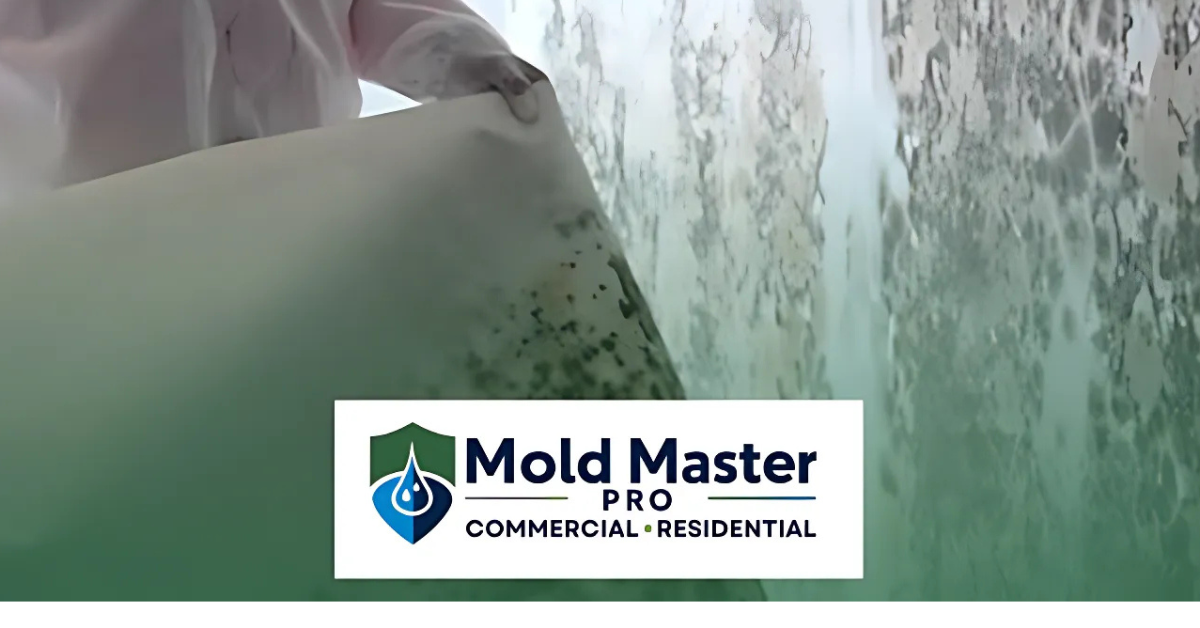
Mold is often an unseen threat lurking in homes. While some mold growth is visible to the naked eye, a substantial amount of it hides in walls, under floors, and in ventilation systems. These hidden mold colonies can lead to serious structural damage to your property and create significant health risks for its occupants. In this guide, we’ll cover why mold remediation is so essential and how professional mold remediation can help eliminate harmful mold growth that’s not immediately apparent.
The Importance of Mold Remediation
Mold remediation is the process of identifying, removing, and preventing mold in your home or business. It involves more than just eliminating visible mold; it tackles the root causes of the issue, such as hidden moisture or leaks. By removing mold thoroughly and addressing the underlying moisture problems, mold remediation services prevent mold from returning and ensure that your indoor air quality remains healthy.
Without professional help, mold can silently spread and impact your health, leading to costly repairs and even the risk of serious medical conditions. Whether you are dealing with a small mold patch or a large infestation, it’s important to take action immediately.
Understanding Mold
Mold is a type of fungus that grows in damp environments. There are many species of mold that can infest homes, and they thrive in places where moisture is abundant, such as bathrooms, basements, and attics. Mold spores are always present in the air, but they only begin to multiply when they find a suitable environment to grow.
What Is Mold?
Mold is a microorganism that breaks down organic material, such as wood, fabric, or drywall. It reproduces through tiny spores that float in the air. While most molds are harmless, some species can cause serious health problems if left unchecked.
Types of Mold Found in Homes
Several types of mold can invade a home, with some being more hazardous than others. These include:
-
Aspergillus: A common mold found in homes, especially in areas with high humidity.
-
Cladosporium: Typically found on fabrics, carpets, and other soft materials.
-
Stachybotrys (Black Mold): Known for producing mycotoxins, black mold is especially harmful to human health and should be removed as soon as possible.
-
Penicillium: Frequently found in damp environments and on water-damaged surfaces.
How Mold Grows in Homes
Mold spores need three things to grow: moisture, warmth, and a surface to cling to. Common household areas that are prone to mold growth include:
-
Basements and Crawl Spaces: High humidity levels and moisture from the ground promote mold growth in these areas.
-
Bathrooms: Poor ventilation combined with high humidity makes bathrooms an ideal environment for mold.
-
Kitchens: Leaky pipes and water spills provide moisture that encourages mold growth under sinks and behind appliances.
Signs of Hidden Mold
Even though mold can often be seen growing in your home, many times it hides in areas where it’s not easily visible. Knowing the signs of hidden mold can help you detect it before it becomes a serious issue.
Common Indicators of Hidden Mold
-
Musty Odors: One of the most obvious signs of mold is a strong, musty smell, particularly in areas like basements and bathrooms.
-
Water Damage: Stains, discoloration, or peeling paint on walls and ceilings are common signs of hidden mold.
-
Increased Allergic Reactions: Symptoms like sneezing, coughing, and itchy eyes when inside your home can indicate mold exposure.
-
Condensation and Humidity: Areas with excess moisture in the air, such as windows fogging up, are prime spots for mold growth.
Health Symptoms Caused by Hidden Mold
-
Respiratory Issues: Mold spores can irritate the airways, causing coughing, wheezing, and shortness of breath.
-
Skin Irritation: Direct exposure to mold can result in rashes, itching, or hives.
-
Eye Irritation: Mold spores can cause red, itchy eyes or blurry vision.
-
Fatigue: Mold exposure can lead to unexplained tiredness, headaches, and difficulty concentrating.
If you experience any of these symptoms or notice signs of water damage, it’s essential to have your home inspected by a professional mold remediation service.
Why DIY Mold Removal Doesn’t Solve the Problem
Many homeowners believe that mold can be easily removed with household products or store-bought mold sprays. However, these solutions often fall short of fully addressing the issue.
Why DIY Methods Don’t Work
-
Surface-Level Removal: DIY mold removal typically only eliminates visible mold, leaving hidden mold colonies intact.
-
Health Risks: Handling mold improperly can release harmful spores into the air, exacerbating health issues and spreading contamination.
-
Incomplete Solutions: DIY methods rarely fix the root cause of the mold issue, such as leaks or poor ventilation, leading to future mold growth.
Health Hazards of DIY Mold Removal
Inadequate mold removal can cause mold spores to spread throughout the home, worsening air quality and increasing exposure risks. Without proper containment and cleaning methods, DIY mold removal can result in:
-
Airborne Mold Spores: Spreading mold spores throughout the home can lead to respiratory issues and allergic reactions.
-
Worsening Health Effects: Mold exposure can cause skin irritation, headaches, dizziness, and long-term respiratory issues, especially in vulnerable individuals.
Importance of Professional Mold Remediation
Professional mold remediation services are equipped with the expertise, tools, and strategies needed to safely and thoroughly remove mold from your home. Key advantages of hiring professionals include:
-
Advanced Mold Detection: Professionals use thermal imaging and moisture meters to detect hidden mold.
-
Proper Containment: Remediation experts use containment strategies to ensure that mold doesn’t spread during the removal process.
-
Long-Term Solutions: Mold remediation services address the root causes of mold, preventing future outbreaks.
The Professional Mold Remediation Process
When it comes to mold remediation, a systematic and thorough approach is essential. It’s not just about removing the visible mold, but also identifying the underlying causes of mold growth and addressing them. This ensures that mold doesn’t return and your home remains safe and healthy.
Step 1 – Initial Inspection and Assessment
The first step in professional mold remediation is a comprehensive inspection. Experts use specialized tools like moisture meters and thermal imaging cameras to locate hidden mold that may be growing behind walls or under flooring. The inspection helps to assess:
-
The extent of the mold infestation
-
The moisture sources causing mold growth
-
The structural damage caused by mold
By identifying these factors, the professionals can determine the most effective plan for mold removal and prevention.
Step 2 – Containment of Affected Areas
Mold remediation experts take special precautions to prevent mold spores from spreading to other parts of the home during the removal process. This is done by sealing off affected areas using plastic sheeting and employing negative air pressure systems. These methods ensure that airborne spores do not contaminate clean areas of your home.
-
Containment Barriers: These physical barriers prevent mold spores from escaping into the air and spreading throughout the house.
-
Negative Air Pressure: This technique draws air into the affected areas, ensuring that mold spores are captured rather than released.
By containing the affected area, professionals prevent further contamination and ensure that mold removal is effective.
Step 3 – Mold Removal and Cleaning
Once the affected areas are contained, the next step is to remove the mold. Professionals use high-powered HEPA vacuums and specialized cleaning methods to remove mold from all surfaces. In severe cases, parts of your home, such as drywall, insulation, or carpet, may need to be removed and replaced. Here’s how the mold removal process works:
-
HEPA Vacuuming: High-Efficiency Particulate Air (HEPA) filters capture the tiny mold spores from surfaces, preventing them from re-entering the air.
-
Antimicrobial Treatment: Industrial-grade antimicrobials are used to eliminate mold at the root and prevent regrowth.
-
Specialized Cleaning: A combination of chemical treatments and mechanical cleaning removes mold from all surfaces, ensuring that no mold is left behind.
In some extreme cases, controlled demolition may be necessary to fully eliminate mold from contaminated areas. This might involve removing materials like drywall or flooring that are too compromised by mold to be cleaned.
Step 4 – Air Filtration and Purification
Once the mold is removed, it’s crucial to purify the air. Mold spores can remain in the air, even after the visible mold is gone. Professional remediation teams use industrial-strength air scrubbers and HEPA air filters to capture any remaining spores and clean the air.
-
Air Scrubbers: These devices use HEPA filtration to remove particles, including mold spores, from the air.
-
HEPA Air Filters: Installed in air systems or used as portable units, HEPA filters remove airborne mold spores, improving indoor air quality.
Air purification helps to ensure that your indoor air is mold-free and safe to breathe.
Step 5 – Addressing Moisture Problems
The key to preventing future mold growth is eliminating the source of moisture that caused the mold in the first place. Mold thrives in damp environments, so resolving any moisture issues is critical. During the remediation process, professionals will:
-
Identify Leaks: Mold remediation experts will inspect your home for leaks in plumbing, roofs, or windows that are allowing moisture to enter.
-
Improve Ventilation: Proper ventilation is key in preventing moisture buildup. Experts may suggest installing or repairing vents and exhaust fans in key areas.
-
Install Dehumidifiers: To control humidity levels, professional mold remediation services may recommend installing dehumidifiers to keep the air dry and mold-free.
By addressing moisture issues, professionals ensure that mold does not return after the remediation process is completed.
Step 6 – Final Testing and Prevention
After mold removal is complete, the last step is to test the air quality and ensure that mold has been fully eliminated. This may involve:
-
Air Quality Testing: Professionals take air samples to confirm that mold spores are no longer present in the air.
-
Final Inspection: A thorough inspection is conducted to ensure all mold has been removed and that moisture issues have been addressed.
-
Preventive Recommendations: Homeowners receive advice on maintaining a mold-free environment, including tips on keeping humidity levels low and regular checks for leaks.
The final tests ensure that your home is safe and mold-free, and the preventive measures help maintain the results.
The Importance of Moisture Control
Moisture is the primary catalyst for mold growth. Without moisture, mold cannot survive. Therefore, controlling moisture in your home is essential to preventing mold growth. It’s important to understand the sources of moisture in your home and how to effectively address them.
How Moisture Causes Mold Growth
When moisture seeps into your home, it provides an ideal environment for mold spores to grow. Common sources of moisture include:
-
Leaks: Leaky pipes, roofs, or windows can allow water to enter your home, creating a breeding ground for mold.
-
High Humidity: Poor ventilation in areas like bathrooms, kitchens, and basements can cause humidity levels to rise, leading to mold growth.
-
Condensation: When warm air meets cold surfaces, condensation forms, creating moisture that encourages mold growth.
Effective Moisture Control Methods
To prevent mold growth, controlling moisture is key. Here are some strategies for managing moisture in your home:
-
Seal Leaks: Ensure that pipes, windows, and roofs are properly sealed to prevent water from entering your home.
-
Improve Ventilation: Install vents and exhaust fans to increase air circulation, especially in high-moisture areas like bathrooms and kitchens.
-
Use Dehumidifiers: Dehumidifiers can help reduce moisture in the air, particularly in areas like basements and attics.
-
Fix Water Damage Quickly: Any water damage should be addressed immediately to prevent mold growth from taking hold.
By controlling moisture, you can significantly reduce the chances of mold forming in your home.
Long-Term Solutions for Moisture Management
To ensure that mold doesn’t return, it’s essential to address moisture issues as part of a long-term solution. Professional mold remediation services not only remove mold but also provide advice and solutions for ongoing moisture control. This may include:
-
Installing better drainage systems
-
Replacing damaged insulation
-
Upgrading ventilation systems
These solutions ensure that your home remains dry and mold-free for years to come.
Health Risks of Mold Exposure
Mold exposure poses several health risks, especially for individuals with existing respiratory issues or weakened immune systems. It’s important to understand the potential health hazards associated with mold in your home.
Respiratory Issues
Mold spores can irritate the lungs and airways, leading to respiratory problems. These can include:
-
Coughing
-
Wheezing
-
Shortness of breath
-
Sinus congestion
Individuals with asthma or other chronic respiratory conditions may experience more severe symptoms when exposed to mold.
Skin and Eye Irritation
Direct contact with mold or mold spores can cause skin irritation. Symptoms may include:
-
Rashes
-
Redness
-
Itching
Mold exposure can also cause eye irritation, including:
-
Red, itchy eyes
-
Blurred vision
Neurological Symptoms
Some individuals may experience neurological symptoms due to mold exposure, including:
-
Headaches
-
Dizziness
-
Difficulty concentrating
-
Fatigue
These symptoms may be temporary or chronic, depending on the level of exposure.
Long-Term Health Effects
Prolonged exposure to mold, particularly toxic mold species like Stachybotrys (black mold), can lead to more severe health issues, such as:
-
Chronic respiratory conditions
-
Immune system suppression
-
Lung infections
-
Cognitive issues
To protect your health and prevent long-term damage, it’s crucial to address mold growth as soon as possible.
How Mold Master Pro LLC Can Help
At Mold Master Pro LLC, we specialize in providing comprehensive mold remediation services tailored to meet the unique needs of each property. Our team of highly skilled and certified professionals offers a full range of services, from thorough mold inspections to complete mold removal and long-term prevention strategies. We use advanced tools and techniques to ensure the highest level of safety, efficiency, and effectiveness. Our dedicated experts work meticulously to restore your home’s safety, air quality, and overall comfort, ensuring that any trace of mold is eliminated, and the underlying causes are addressed to prevent future growth.
Conclusion
Mold growth can quickly become a serious issue if left untreated. Professional mold remediation is the most effective way to ensure that mold is completely removed and that the underlying causes of mold growth are addressed.
At Mold Master Pro LLC, we are dedicated to providing high-quality mold remediation services in Hartford and beyond. Contact us today and ensure a mold-free, healthy home environment.
Frequently Asked Questions
What is the Average Cost of Mold Remediation?
The cost of mold remediation can vary depending on several factors, such as the size of the infestation, the type of mold, and the extent of damage caused. On average, mold remediation costs range from $500 to $6,000. However, more extensive mold infestations, or those in hard-to-reach areas, may cost more. It’s important to get an estimate from a certified mold remediation professional to determine the total cost for your specific situation.
-
Small mold problem: $500 – $2,000
-
Moderate mold issue: $2,000 – $4,000
-
Severe mold infestation: $4,000 – $6,000 or more
How Long Does Mold Remediation Take?
The duration of mold remediation depends on the severity of the mold problem and the size of the affected area. Typically, mold remediation can take anywhere from 1 to 7 days. Smaller mold problems may be resolved in a day or two, while larger infestations or cases involving significant water damage may take a week or longer. The complexity of the remediation process, including containment and air filtration, will also influence the overall timeline.
Is Mold Remediation Covered by Insurance?
In many cases, homeowners insurance can cover the cost of mold remediation, especially if the mold growth was caused by a covered event, such as a burst pipe or flooding. However, policies can differ, and some may have exclusions for mold damage unless it’s linked to a specific cause, such as water damage. It’s important to check with your insurance provider to understand what’s covered under your policy and if there are any specific requirements or limitations for mold remediation claims.
-
Water-related damage: Usually covered, including mold removal associated with flooding or leaks.
-
Maintenance-related mold: Often not covered, such as mold caused by poor ventilation or lack of maintenance.
Can Mold Recur After Remediation?
While professional mold remediation significantly reduces the risk of mold returning, it’s still possible for mold to reappear if the underlying moisture problem isn’t properly addressed. This is why it’s essential to fix leaks, improve ventilation, and control humidity levels in your home. If you take the necessary steps to address moisture issues, the likelihood of mold returning is minimized.
-
Control moisture: Ensuring proper ventilation and reducing humidity will prevent mold from returning.
-
Regular inspections: After remediation, periodic checks help identify potential mold growth before it becomes a problem.
What Are the Warning Signs That Mold Is Reoccurring?
Some of the signs that mold may be returning include:
-
Increased musty odors: A persistent smell can indicate hidden mold regrowth.
-
Water stains or discoloration: New water damage could lead to mold growth.
-
Allergy symptoms: An uptick in symptoms like coughing, sneezing, or watery eyes may suggest mold exposure.
If you notice any of these signs, it’s important to contact a mold remediation professional to conduct an inspection and address any potential issues.
How Do I Know If I Have Hidden Mold in My Home?
Mold can be hidden behind walls, under floors, or in your ventilation system. Some indicators of hidden mold include:
-
Musty smells in certain areas, especially in basements or bathrooms.
-
Water damage: Visible stains or peeling paint may point to moisture that could be harboring mold.
-
Increased allergies or respiratory symptoms when in certain parts of the house.
-
Condensation or foggy windows in poorly ventilated areas.
If you suspect hidden mold, it’s crucial to have a professional inspection.
What Happens During the Mold Remediation Process?
The mold remediation process typically includes these steps:
-
Inspection and assessment: A thorough inspection to identify the type and extent of mold growth.
-
Containment: Sealing off affected areas to prevent the spread of mold spores to other parts of the house.
-
Mold removal and cleaning: Using specialized equipment and treatments to eliminate mold from surfaces.
-
Air filtration: Removing airborne mold spores with HEPA air scrubbers and filtration systems.
-
Moisture control: Fixing leaks and addressing humidity issues that contribute to mold growth.
-
Final testing: Ensuring that all mold has been removed and no spores remain in the air.
Why Should I Hire a Professional for Mold Remediation Instead of Doing It Myself?
While DIY mold removal may seem like a cost-effective solution, professional remediation services offer several key advantages:
-
Thorough mold detection: Experts use advanced tools like moisture meters and thermal imaging to locate hidden mold.
-
Safety: Mold remediation experts use specialized equipment and protective gear to ensure their safety and yours.
-
Effective containment and removal: Professionals use containment strategies and HEPA filtration to prevent mold from spreading and ensure complete removal.
-
Long-term prevention: Professionals address the root causes of mold, ensuring that future infestations are unlikely.
Is Mold Remediation Necessary if the Mold is Small?
Even small patches of mold can pose health risks if left untreated. Additionally, visible mold often indicates hidden mold in other areas. If you notice mold in your home, even in small amounts, it’s essential to have a professional evaluate the situation and ensure thorough removal and prevention.
Can Mold Exposure Cause Long-Term Health Problems?
Yes, long-term exposure to mold can cause a range of health issues, particularly for people with respiratory conditions, allergies, or weakened immune systems. Prolonged mold exposure can lead to:
-
Chronic respiratory problems: Such as asthma, sinus issues, and coughing.
-
Skin conditions: Including rashes and itching.
-
Neurological symptoms: Such as headaches, dizziness, and fatigue.
-
Increased risk of infections: Mold can compromise your immune system, making you more susceptible to illness.