
Mold is a common and costly problem many homeowners face. Whether triggered by storms, plumbing leaks, or simply high humidity, mold can cause significant damage to property and pose serious health risks. Ignoring mold growth not only lowers the value of your home but also worsens allergies and can lead to respiratory problems.
As a homeowner, understanding mold removal costs and the overall remediation process is crucial. In this comprehensive guide, we will explore how much mold remediation typically costs, the factors influencing these costs, and when it makes sense to tackle the issue yourself versus hiring a professional. We’ll also discuss the latest advancements in mold removal technology, insurance coverage, and practical ways to save money during the process.
What Is Mold Remediation?
Before diving into costs, let’s first define mold remediation. Mold remediation is a multi-step process that involves identifying, containing, and removing mold from a property. It goes far beyond surface cleaning. Mold spores are microscopic and can spread through the air, attaching to porous materials like drywall, wood, and carpets. This makes proper remediation essential for both health and structural integrity.
Mold removal typically includes four main steps:
-
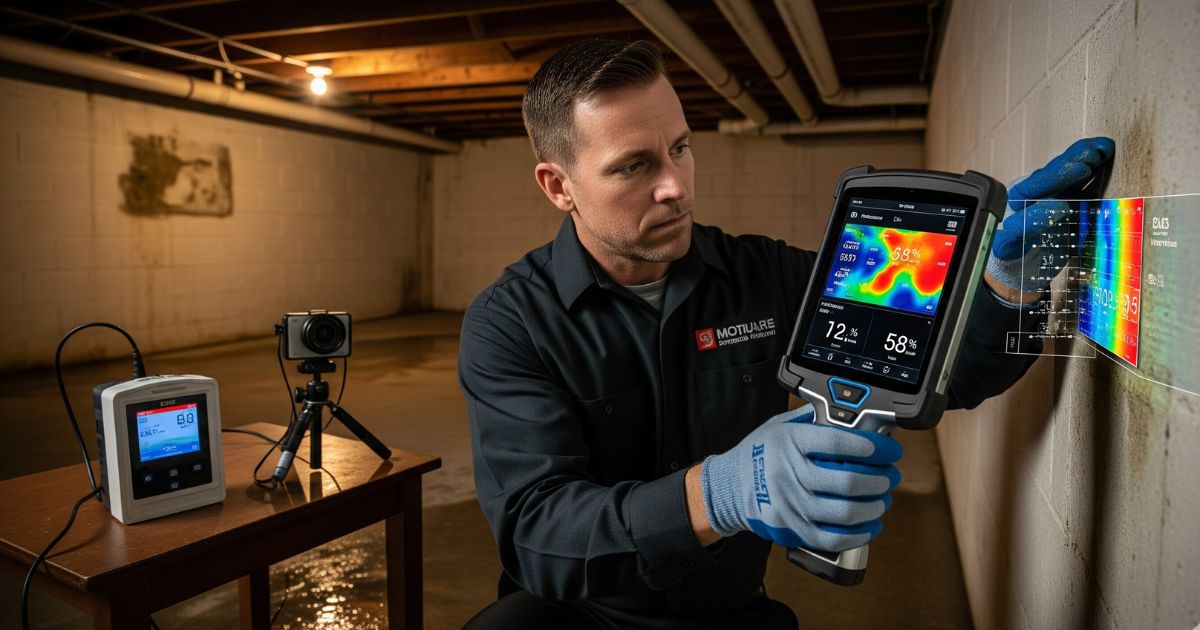
Inspection and Assessment: A professional will inspect the property to locate visible and hidden mold. Tools like moisture meters and infrared cameras are used to identify areas of mold growth that aren’t immediately visible.
-
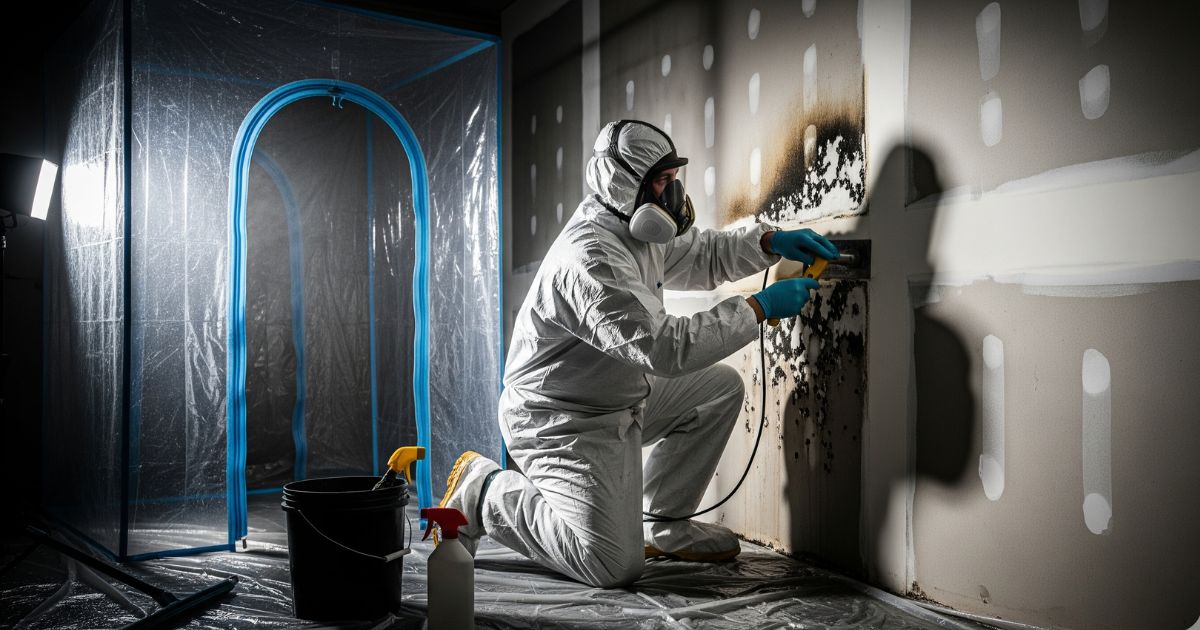
Containment: Once mold is identified, it must be contained to prevent spores from spreading to other areas of the home. This often involves setting up containment barriers and using negative air pressure to filter out airborne mold particles.
-
Removal: Mold is then physically removed using various cleaning methods. This might include scraping, sanding, or applying specialized cleaning solutions, depending on the surface affected.
-
Prevention: Finally, remediation includes addressing the root cause of the moisture that allowed mold to grow in the first place. This could mean fixing plumbing leaks, installing dehumidifiers, or enhancing ventilation to prevent future mold growth.
Types of Household Mold
Different types of mold require different approaches to remediation. Here are some of the most common types found in homes:
-
Cladosporium: Commonly found in bathrooms, on wood, and fabrics, Cladosporium can trigger allergic reactions.
-
Aspergillus: A versatile mold that grows both indoors and outdoors, typically found in places with high humidity.
-
Penicillium: Known for its rapid spread on water-damaged materials, Penicillium can cause respiratory issues.
-
Stachybotrys Chartarum (Black Mold): This is the most dangerous and toxic type of mold. Black mold is associated with severe health risks and requires specialized remediation procedures.
While non-toxic molds like Cladosporium and Aspergillus may not pose an immediate health threat, black mold is much more concerning. Its presence often increases remediation costs, as it requires stricter safety protocols, containment, and removal techniques.
Why Mold Remediation is Essential
Mold is not just an aesthetic issue; it is a serious threat to both your home and your health. Mold spores produce allergens and irritants that can cause a range of symptoms, from coughing and eye irritation to fatigue. In some cases, prolonged exposure to mold can lead to chronic respiratory problems.
Furthermore, mold can cause extensive damage to the structural integrity of your home. It weakens materials like drywall, wood, and insulation, and if left untreated, mold can grow into a costly restoration project. What begins as a small, contained mold patch can turn into a significant problem that requires expensive repairs.
Common Health Risks Associated with Mold
Health problems linked to mold exposure can range from mild to severe. Some of the most common symptoms include:
-
Allergic Reactions: Sneezing, runny nose, and itchy eyes are common signs of mold allergies.
-
Respiratory Issues: Prolonged mold exposure can lead to asthma attacks, bronchitis, and other respiratory conditions.
-
Skin Irritation: Mold exposure may also cause rashes and skin irritation.
Certain groups, such as children, the elderly, and individuals with compromised immune systems, are especially vulnerable to the harmful effects of mold. This makes prompt and proper remediation even more critical for households with sensitive members.
Related Articles : Simple 2025 Guide to Mold in Homes: Signs, Causes & Prevention
Factors That Influence Mold Removal Pricing
The cost of mold remediation can vary greatly depending on several factors. These include the size and severity of the infestation, the type of mold present, the location of the mold, and the presence of water damage. Let’s break these down:
Several key factors can cause the cost of mold remediation to increase, including:
-
Size and Severity of the Infestation
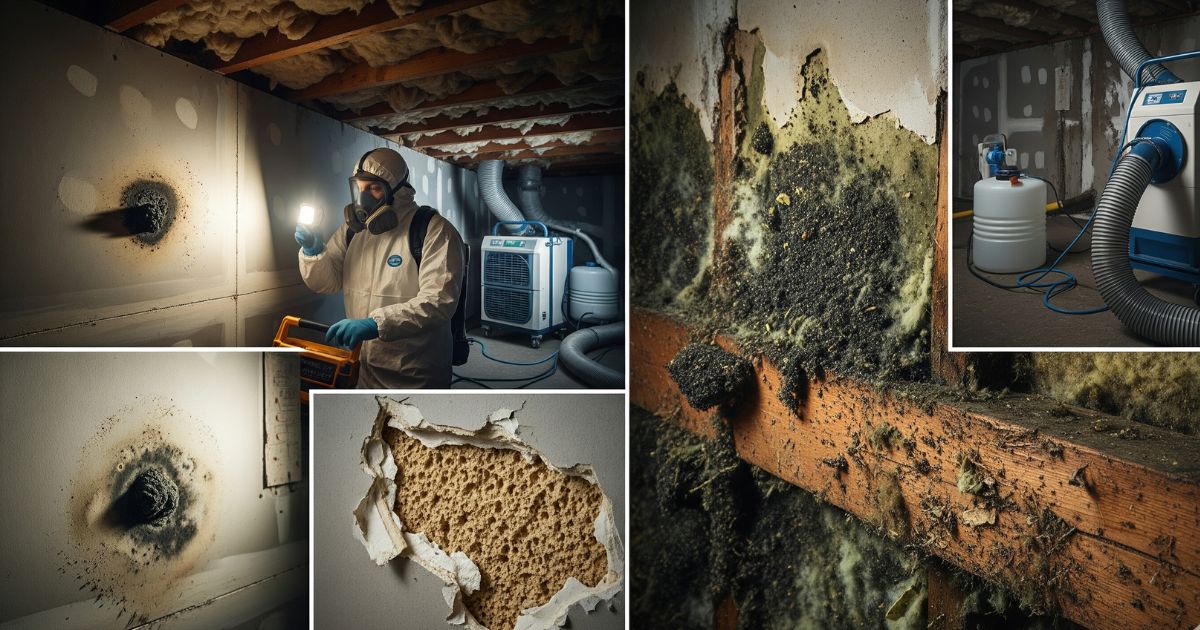
As mentioned earlier, larger infestations require more time and resources to address. The severity of the mold infestation also affects costs, as mold that has spread behind walls or into HVAC ducts may require more extensive containment and removal procedures. -
Location and Accessibility of Mold
Mold that’s easily accessible, such as on a bathroom ceiling or a wall in a basement, is generally easier and cheaper to remove. Mold that’s hidden in hard-to-reach areas like crawl spaces, attics, or HVAC systems will increase the cost because it requires more labor and specialized equipment. -
Water Damage and Repairs
If mold has caused significant damage to structural materials like drywall, flooring, or wood, those repairs will add to the overall cost. Additionally, if the source of moisture (such as a leaking pipe or roof) isn’t addressed, mold can reappear, leading to further costs. -
Type of Mold
Non-toxic mold removal is less expensive than toxic mold removal. For black mold, specialized equipment, protective gear, and disposal protocols are required, which contribute to the higher costs. -
Region and Labor Rates
Mold removal prices can also vary by location. In cities or regions with higher labor rates or a high demand for mold remediation services, you might pay more than in rural areas.
Average Mold Removal Pricing
When homeowners seek to understand how much mold remediation costs, they often look for average pricing numbers. Mold removal costs can vary significantly depending on factors such as the size of the infestation, the extent of water damage, and the type of mold. Understanding the typical cost ranges and what influences pricing can help homeowners plan for mold remediation more effectively.

Typical Mold Removal Cost Ranges
The cost of mold remediation is generally measured by the size of the area affected and the complexity of the removal. Mold can spread quickly, and the longer it’s left untreated, the more extensive and expensive the removal process becomes.
Here’s a breakdown of typical mold remediation cost ranges based on the size of the affected area:
Small Areas (10-50 square feet)
For minor mold infestations, typically found in areas like bathrooms, kitchens, or basements, the cost can range from $500 to $1,500. This is usually the price for a professional cleaning of mold in a small, confined space, such as a mold patch on a bathroom wall or ceiling. These small-scale jobs generally don’t involve structural damage or extensive repairs, keeping costs lower.
Example Scenario:
Removing mold from a small section of drywall or a bathroom wall would likely fall into this category, costing around $1,000.
Medium Infestations (100-400 square feet)
For medium-sized infestations, which may span larger areas or several rooms, costs typically range from $1,500 to $6,000. This might include mold growth in walls, floors, ceilings, and even some of the underlying structures like insulation or wood framing. The larger the area, the more time, labor, and materials are needed for containment, cleaning, and removal.
Example Scenario:
A medium infestation might involve mold covering the drywall and insulation in a small bedroom or a portion of the attic, with costs ranging from $2,500 to $4,500.
Large Infestations (500-1,000+ square feet)
Large-scale infestations, such as those that have spread throughout multiple rooms or an entire basement, can be the most expensive to remediate. For an area of 500 square feet or more, costs typically start at $6,000 and can reach up to $15,000 or more, especially if the mold has caused significant water damage or structural issues. In these cases, more extensive containment and removal strategies are necessary.
Example Scenario:
A major mold infestation in a finished basement, especially if caused by flooding or a leaky foundation, can result in remediation costs anywhere between $8,000 and $12,000. If structural repairs are required, such as replacing drywall, insulation, or flooring, the total costs can rise further.
Cost per Square Foot Explanation
The cost of mold remediation is often calculated based on square footage, with prices typically ranging between $10 and $25 per square foot for non-toxic molds. For larger areas or more extensive jobs, this per-square-foot price may be adjusted, as larger infestations require more labor, materials, and specialized equipment.
Standard Mold Removal (Non-toxic)
For standard mold types, like Cladosporium or Aspergillus, the cost typically falls between $10 and $25 per square foot. These mold types are generally less dangerous, meaning they require fewer safety precautions and less costly remediation methods.
Toxic Mold (Black Mold)
For toxic mold, such as Stachybotrys chartarum (commonly known as black mold), the cost rises due to the increased safety measures necessary for removal. This type of mold requires specialized containment, protective gear, and air filtration systems to ensure that spores do not spread during removal. For black mold, costs per square foot typically range from $20 to $40, sometimes even higher if the infestation is widespread.
Example Scenario:
If you’re dealing with black mold in a 200-square-foot room, the cost of removal could range from $4,000 to $8,000 or more, depending on the severity of the infestation and whether the mold has spread to structural materials.
How to Get Accurate Estimates for Mold Removal
When it comes to mold remediation, understanding the costs and getting accurate estimates are crucial steps in managing the process effectively. Mold removal is a specialized service, and as with any home repair project, prices can vary significantly. To ensure you’re getting a fair deal and the work is being done properly, it’s important to follow a few key steps.

Why You Need a Professional Inspection
While you may be able to spot small patches of mold, a professional inspection is necessary to assess the full extent of the infestation. Mold doesn’t always grow in visible areas, and some infestations may be hidden behind walls, in attics, crawl spaces, or within HVAC systems. This is why relying on a professional for a thorough inspection is essential.
Here’s what a licensed remediation expert will typically do during an inspection:
-
Visual Inspection: The technician will start by visually inspecting the areas of your home that are most likely to harbor mold, including bathrooms, basements, and attics. They will also check for water damage signs, which may indicate underlying moisture issues that have led to mold growth.
-
Moisture Testing: Mold thrives in humid environments, so moisture levels are measured using a moisture meter. This helps the technician pinpoint areas where mold might be hiding, even if it’s not yet visible. High moisture readings indicate where further action is needed.
-
Air Sampling: In some cases, air sampling may be conducted to detect the presence of airborne mold spores. This is particularly useful if the mold is hidden in hard-to-reach areas like walls or ductwork.
-
Thermal Imaging: Some remediation experts use infrared cameras to detect cold spots in walls, ceilings, or floors, which could indicate areas of moisture that are fostering mold growth. This technology helps identify issues that might not be visible to the naked eye.
A thorough inspection is the foundation of an accurate mold remediation estimate. The technician will assess the severity of the infestation, the location of the mold, and the materials affected. This information helps determine the cost of removal, including the time and labor required to address the problem.
Steps to Getting Accurate Mold Removal Estimates
Once you’ve decided to hire a professional for mold remediation, you’ll need to get estimates. To make sure you’re comparing apples to apples and not overpaying, it’s important to follow a systematic approach.
Request a Detailed Inspection
Before you receive any estimates, it’s essential that the contractor conduct a detailed inspection of your property. This should include not just visible mold but also an assessment of areas that may have hidden contamination, such as inside walls, ceilings, and HVAC ducts. Make sure the contractor uses moisture meters or infrared tools to measure moisture levels, as this will give a clearer picture of the full extent of the problem.
A complete inspection should take into account:
-
The size of the affected area
-
The location of the mold
-
The materials involved (drywall, wood, carpet, etc.)
-
Any necessary repairs (water damage, HVAC cleaning, etc.)
-
The source of moisture that caused the mold
Get Multiple Quotes
It’s always a good idea to get at least three quotes from different mold remediation companies. While price shouldn’t be the only deciding factor, comparing quotes will help you gauge a reasonable range for the work. Keep in mind that prices can vary based on local factors such as labor rates, regional cost of living, and availability of materials.
When comparing quotes, ensure they are based on the same scope of work. For example, make sure each estimate includes not only mold removal but also containment, cleanup, disposal, and any necessary repairs. Some companies may offer a lower initial estimate but leave out important steps, like fixing the underlying moisture problem.
Understand What’s Included in the Estimate
The mold remediation estimate should be clear and include a breakdown of all costs involved. Here are some key components to look for:
-
Containment and Preparation: The cost of setting up barriers and negative air pressure to prevent mold spores from spreading.
-
Mold Removal: Labor and materials required for mold removal, including specialized cleaning products or equipment.
-
Disposal: Proper disposal of contaminated materials like drywall, insulation, or carpet.
-
Repairs: If any materials need to be replaced, such as damaged drywall or wood, this should be listed separately.
-
Post-Remediation Testing: Some contractors include post-remediation testing to ensure all mold has been removed and the environment is safe.
-
Moisture Control and Prevention: If the source of moisture is not fixed, mold can return. The estimate should address moisture control, such as fixing leaks, installing dehumidifiers, or improving ventilation.
Check Contractor Certifications and Experience
When looking for a mold remediation specialist, always check their certifications. Certified mold remediation companies are often members of recognized professional organizations, such as:
-
IICRC (Institute of Inspection, Cleaning, and Restoration Certification): An internationally recognized body for mold remediation standards.
-
ACAC (American Council for Accredited Certification): Offers certifications for professionals in various aspects of mold remediation.
Working with certified professionals ensures that the company adheres to industry standards and best practices. These certifications also provide some assurance that the technicians are knowledgeable and experienced in dealing with mold.
Ask About Warranties and Guarantees
Some remediation companies offer warranties or guarantees for their services. This can provide added peace of mind, especially in the event that mold returns after remediation. Warranties typically cover a specific time period after the mold removal (e.g., 1–5 years), during which the company will come back to address any recurrence at no additional cost.
Before hiring a contractor, ask:
-
What type of warranty do you offer?
-
How long does the warranty last?
-
Does the warranty cover the full scope of services?
-
What happens if mold comes back?
Warranties and guarantees not only protect you from future mold issues but also show that the company is confident in the quality of its work.
Common Mistakes to Avoid When Hiring a Mold Remediation Company
To ensure you get the best deal and service, avoid these common mistakes when hiring a mold remediation contractor:
Choosing the Cheapest Option
While it’s tempting to go with the lowest bid, keep in mind that mold remediation requires specialized skills, and cutting corners can lead to ineffective or incomplete remediation. Always prioritize quality over cost, and make sure the contractor provides a comprehensive estimate.
Not Addressing the Source of Moisture
Mold will return if the source of moisture is not identified and fixed. When getting an estimate, make sure the contractor includes moisture control measures. This could involve sealing leaks, improving ventilation, or installing dehumidifiers to prevent future infestations.
Ignoring Post-Remediation Testing
After mold removal, it’s important to ensure that all mold spores have been eradicated. Some contractors offer post-remediation testing to verify the cleanliness of the air and surfaces. If this isn’t included in the estimate, consider requesting it as part of the service.
Emerging Technologies and Trends in Mold Remediation
The mold remediation industry is constantly evolving as new technologies emerge to improve efficiency, reduce costs, and provide better solutions for homeowners. These advancements help mold remediation professionals tackle mold problems with more precision, speed, and effectiveness. As a result, homeowners benefit from better outcomes, less disruption, and often lower overall costs.
In this section, we will explore the latest trends and technologies shaping the mold remediation process, including innovations that are changing the way we prevent, detect, and remove mold.
Dry Fogging Treatments
One of the most exciting innovations in mold remediation is dry fogging, a process that involves using a fine mist to reach and treat areas that are typically hard to access. Dry fogging can be particularly useful in spaces with hidden mold growth, such as inside walls, attics, or crawl spaces.
How it Works:
Dry fogging disperses a non-toxic, dry fog that can penetrate porous materials and kill mold spores on contact. Unlike traditional mold treatments that require scrubbing or demolition, dry fogging allows mold removal to occur without disturbing the surfaces, reducing cleanup time and costs. It also eliminates mold spores in places where conventional methods might fail to reach, like behind walls or inside air ducts.
Benefits of Dry Fogging:
-
Non-invasive: No need for demolition or removal of walls, ceilings, or insulation.
-
Penetrates hard-to-reach areas: Fogging can get to mold in cavities and spaces that are otherwise difficult to access.
-
Fast and effective: This process can complete in hours rather than days, minimizing disruption to your daily life.
-
Eco-friendly: Many fogging solutions use environmentally friendly, non-toxic chemicals, making it safe for both your home and the planet.
While dry fogging may add some upfront costs due to the specialized equipment and treatment, it can ultimately save homeowners money by preventing the need for extensive repairs and reducing the risk of mold regrowth.
Infrared Moisture Detection
Infrared moisture detection technology is another key innovation revolutionizing mold remediation. Using infrared cameras, professionals can quickly identify areas of excess moisture in walls, floors, and ceilings that may not be visible to the naked eye. These cameras detect temperature differences, helping contractors locate hidden leaks, water damage, and potential mold hotspots.
How it Works:
An infrared camera detects temperature variations on surfaces caused by moisture beneath the surface. Moisture tends to cool areas, and infrared technology highlights these temperature differences, allowing technicians to pinpoint areas that may require further inspection. By identifying these moisture pockets early, remediation can be done before mold has a chance to spread extensively.
Benefits of Infrared Moisture Detection:
-
Non-invasive: No need to tear down walls or remove insulation to identify hidden water damage.
-
Improved accuracy: Provides more precise detection of moisture, preventing unnecessary demolition.
-
Cost-saving: Detecting moisture early can help prevent a small problem from becoming a large-scale mold infestation.
-
Faster remediation: Reduces the need for extensive searches, allowing technicians to focus on areas that need immediate attention.
Infrared moisture detection is a game-changer, as it makes it possible to detect mold problems in their early stages, potentially saving homeowners thousands of dollars in future repairs and mold remediation costs.
Eco-friendly Remediation Products
With the growing awareness of environmental sustainability, many mold remediation companies are turning to eco-friendly products that are both effective and safe for families and pets. These products often use natural ingredients or non-toxic chemicals to kill mold and prevent its regrowth, providing an environmentally conscious solution to mold problems.
Examples of Eco-friendly Products:
-
Enzyme-based cleaners: These products use natural enzymes to break down mold and prevent spores from returning. They are safe for use in homes, reducing exposure to harsh chemicals.
-
Plant-based solutions: Some newer solutions use plant-derived ingredients to eliminate mold, offering an organic approach to mold remediation.
-
Ozone generators: While ozone generators are not a direct mold treatment, they are often used to remove airborne spores and mold odors by using activated oxygen.
Benefits of Eco-friendly Products:
-
Healthier home environment: Non-toxic products are safer for individuals with allergies, asthma, or other respiratory conditions.
-
Sustainability: Eco-friendly products reduce environmental impact and the use of harsh chemicals that may harm the planet.
-
Effective mold control: Many eco-friendly solutions are just as effective, if not more so, than traditional chemicals in killing and preventing mold growth.
Switching to eco-friendly remediation products is a growing trend that helps mold remediation professionals offer safer, more sustainable solutions to homeowners, all while achieving long-lasting results.
Advanced Air Filtration and HEPA Systems
Airborne mold spores are one of the primary ways mold spreads throughout a home. To combat this, many mold remediation companies now use high-efficiency particulate air (HEPA) filtration systems to remove mold spores from the air. HEPA filters are capable of trapping 99.97% of particles as small as 0.3 microns, which includes most mold spores.
How it Works:
HEPA air scrubbers are used during the mold remediation process to capture spores in the air and prevent them from spreading to unaffected areas of the home. These devices are especially useful when dealing with large infestations or toxic mold, such as black mold. In addition to mold spores, HEPA filters can also capture other allergens and contaminants that may have been stirred up during the remediation process.
Benefits of HEPA Systems:
-
Improved air quality: Capturing mold spores in the air significantly reduces the chances of regrowth and prevents spores from spreading to other parts of the home.
-
Healthier living conditions: Reduces the risk of health problems caused by mold exposure, especially for those with allergies or respiratory conditions.
-
Efficient mold removal: Helps remove residual spores after physical mold removal, preventing future infestations.
Incorporating HEPA filtration into the mold remediation process not only helps keep the home cleaner but also ensures that the air is free from harmful spores, improving indoor air quality for everyone in the home.
Preventative Smart Technology
The rise of smart home technology has also made its way into mold prevention. Homeowners can now use smart devices like humidity sensors and connected dehumidifiers to monitor and control moisture levels in real-time. By staying on top of moisture levels, mold growth can be prevented before it even starts.
Key Smart Technologies:
-
Humidity sensors: These devices continuously monitor the relative humidity levels in your home. When levels rise above a certain threshold, the sensors send alerts to your phone or smart home system.
-
Connected dehumidifiers: Paired with humidity sensors, these dehumidifiers can automatically adjust their operation based on moisture levels, helping to keep your home dry and mold-free.
-
Smart ventilation systems: These systems can adjust airflow and humidity levels based on real-time data, ensuring your home remains well-ventilated and moisture-free.
Benefits of Smart Technology:
-
Early detection: Humidity sensors and connected devices provide real-time alerts, allowing you to take action before mold has a chance to develop.
-
Continuous monitoring: Smart devices monitor moisture levels 24/7, offering peace of mind and constant protection from mold growth.
-
Energy efficiency: Many of these devices are energy-efficient, helping homeowners reduce utility costs while also keeping their home dry and mold-free.
Investing in smart home technology for mold prevention can offer long-term savings by preventing mold before it becomes a problem. The ability to monitor moisture levels remotely gives homeowners more control over their indoor environment.
Related Articles : Emerging Technologies in Mold Remediation
DIY Mold Removal: Costs, Risks, and When to Avoid
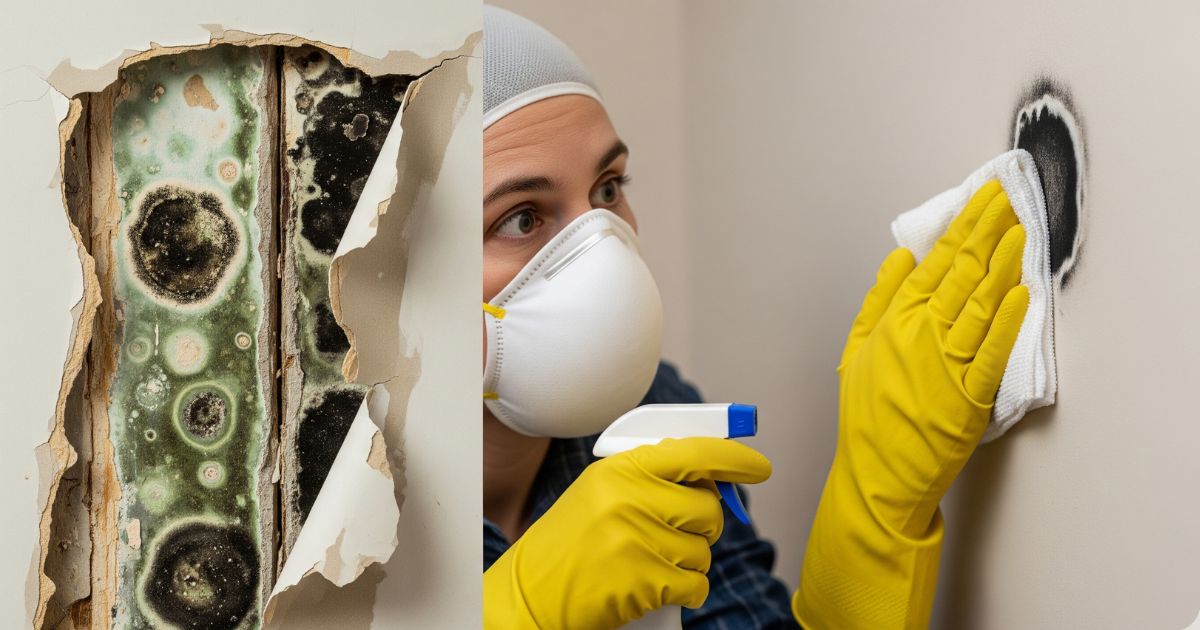
Many homeowners consider tackling mold removal on their own as a way to save money. While small mold infestations in limited areas can often be handled without professional help, DIY mold removal is not always the best solution. It can be tempting to jump into a DIY project to save on mold remediation costs, but it’s important to understand the risks and limitations associated with this approach. In this section, we’ll break down the costs, potential dangers, and when it’s better to leave mold removal to the professionals.
DIY Mold Removal Costs
For homeowners looking to save on the cost of mold remediation, DIY removal may seem like an appealing option. However, before deciding to tackle mold removal yourself, it’s crucial to consider the costs involved. While DIY cleaning products and materials are generally cheaper than hiring professionals, the expense can quickly add up, especially if the mold problem is widespread.
Typical Costs of DIY Mold Removal:
-
Cleaning products: Depending on the size of the affected area, cleaning products can cost between $50 and $300. This includes mold-killing sprays, bleach, detergents, and other cleaning solutions.
-
Protective gear: Personal protective equipment (PPE) is essential when handling mold. A mold removal kit, including masks, gloves, goggles, and protective clothing, can cost anywhere from $20 to $100.
-
Dehumidifiers and fans: After removing mold, it’s important to dry out the area completely to prevent regrowth. Renting or purchasing a dehumidifier can cost $50 to $200 per day, while fans typically range from $30 to $100.
Example DIY Costs:
-
For small areas (under 10 square feet), DIY mold removal may cost between $50 and $300 for supplies and equipment.
-
For medium infestations (between 100 and 400 square feet), the cost can rise to $300 to $1,000, depending on the materials and tools needed.
While DIY mold removal may seem affordable for smaller projects, it’s important to remember that incomplete mold removal or misidentifying the extent of the infestation can lead to long-term issues, making the initial savings negligible.
Risks of DIY Mold Removal
While it might appear to be a cost-effective approach, DIY mold removal comes with a number of significant risks that can have serious consequences if not handled properly. These include the potential for spreading mold spores, damaging your home’s structure, and risking your health.
Health Risks of Mold Exposure
Mold can release harmful spores that are invisible to the naked eye. These spores can trigger allergic reactions, respiratory problems, and even more severe conditions if inhaled. Some types of mold, such as black mold (Stachybotrys chartarum), can produce mycotoxins that are toxic when inhaled or touched.
Common health issues from mold exposure include:
-
Coughing, sneezing, or wheezing
-
Skin irritation or rashes
-
Eye irritation or redness
-
Headaches and fatigue
-
Worsening asthma or respiratory conditions
For homeowners with young children, elderly family members, or those with asthma, mold exposure can pose even more serious health risks. Without proper protective gear and containment, DIY mold removal increases the chances of exposure to harmful mold spores.
Spreading Mold Spores
One of the biggest dangers of DIY mold removal is spreading spores. Mold spores are lightweight and can easily become airborne when disturbed. Without professional-grade containment and air filtration systems, cleaning mold improperly can scatter spores into the air, leading to a worsened infestation in other parts of your home.
If mold is removed incorrectly, it can also spread to other parts of the property, turning a small problem into a large-scale issue. Many DIY solutions don’t include effective methods for containment, such as sealing off rooms, using negative air pressure, or utilizing HEPA filtration systems to capture airborne spores.
Structural Damage
If mold is allowed to grow for too long, it can begin to damage the structural integrity of your home. Mold often thrives in places like drywall, wood beams, and insulation, where it feeds on organic materials. DIY mold removal may involve using harsh chemicals or scrubbing techniques that can unintentionally damage the surfaces being cleaned.
In some cases, attempting to remove mold without understanding its root cause or extent may also lead to disrupting water damage, causing the mold problem to worsen or return. For example, improperly removing mold from a water-damaged area without fixing the leak can result in continuous mold growth, leading to higher repair costs down the road.
When to Avoid DIY Mold Removal
While DIY methods can work for very small, isolated mold problems, there are several situations where you should avoid handling mold removal yourself. If the infestation is large, hidden, or toxic, it’s crucial to call in a professional mold remediation service.
Mold Covers More Than 10 Square Feet
If the mold covers more than 10 square feet of surface area, it’s generally recommended to hire a professional mold removal company. At this scale, the mold is more likely to have penetrated deeply into building materials, which can make it more difficult and dangerous to remove effectively without specialized equipment and expertise.
Presence of Black Mold (Stachybotrys Chartarum)
Black mold is one of the most dangerous types of mold, and its removal requires special safety precautions. Black mold removal can be a complex and hazardous process that involves wearing full-body protective suits, using negative air pressure to contain the mold spores, and often requires specialized chemicals. Without the right training, handling black mold can result in serious health issues and improper removal.
Mold Inside HVAC Systems or Ductwork
Mold growing inside air ducts or HVAC systems is a significant concern. When mold spreads into these systems, it can circulate through the entire home, contaminating the air and increasing the risk of exposure. DIY mold removal in these areas is not recommended because it requires air filtration systems and specialized cleaning techniques that most homeowners do not have access to. Additionally, improperly handling mold in HVAC systems can make the problem worse.
Mold Is Behind Walls or Under Flooring
If mold has spread behind walls or underneath flooring, it’s often a sign of a larger, more hidden problem. These areas are difficult to access without damaging the home, and the mold is likely to have spread to a significant degree. In these cases, DIY methods are unlikely to completely remove the infestation, and it’s important to call in a professional mold remediation company.
Health Concerns or Compromised Immune Systems
If anyone in the household has asthma, allergies, or a weakened immune system, mold exposure can lead to serious health complications. In these cases, it’s safer to hire professionals who have the proper equipment and expertise to remove mold while ensuring minimal exposure to harmful spores.
Why Professional Mold Removal Is a Safer Investment
While DIY mold removal can seem like an attractive cost-saving option, the potential risks and costs of handling mold improperly far outweigh the savings. Hiring a professional mold remediation service ensures that the mold is removed safely, thoroughly, and permanently. Certified mold remediation professionals are trained to assess the extent of the infestation, contain mold spores, and address the root cause of the problem — typically, moisture issues.
Benefits of Professional Mold Remediation:
-
Thorough removal: Professionals have the tools and expertise to remove mold completely, reducing the risk of regrowth.
-
Health protection: Proper containment and protective gear ensure your safety during the removal process.
-
Moisture control: Experts address the source of moisture, ensuring that the mold problem doesn’t return.
-
Prevent future issues: Professionals use advanced techniques like HEPA filtration and air scrubbers to capture spores, preventing them from spreading to other areas of the home.
While it may come with a higher price tag, professional mold removal ensures that the job is done right the first time, protecting your health, your home, and your long-term budget.
Related Article : How Much Does Mold Remediation Cost
Insurance and Financial Assistance for Mold Removal
Mold remediation can be a significant financial burden for homeowners, particularly if the infestation is widespread or involves structural damage. Fortunately, depending on the circumstances, insurance might help cover some of the costs associated with mold removal. However, understanding how mold removal insurance works can be tricky, as coverage depends on the specific cause of the mold and the terms of your homeowner’s policy.
In this section, we’ll explore how mold removal is handled by insurance, ways to maximize your coverage, and options for financial assistance to help ease the cost of mold remediation.
Is Mold Removal Covered by Insurance?
The short answer is: it depends. Mold removal coverage under standard homeowner’s insurance policies varies significantly based on the cause of the mold. Most insurance companies have specific clauses regarding mold damage, and it’s crucial for homeowners to understand their policy details to determine whether they can claim mold-related repairs.
When Mold Removal Is Covered
Homeowners insurance typically covers mold removal costs when the mold is caused by a covered peril—meaning the mold resulted from an event that is included under the terms of your insurance policy. For instance:
-
Storm damage: If a storm causes flooding that leads to mold growth, some policies will cover mold remediation costs as part of the flood damage claim.
-
Burst pipes: If a pipe bursts suddenly, leading to water damage and mold growth, this type of water damage is often covered by standard homeowner’s insurance policies.
-
Firefighting water: If water used to extinguish a fire causes mold to form, it may be included under your fire insurance coverage.
In these cases, the mold issue is a direct result of an event that was not due to negligence or lack of maintenance, so it may be eligible for coverage.
When Mold Removal Is Not Covered
However, not all mold-related situations are eligible for insurance claims. In most instances, insurance policies do not cover mold damage resulting from neglect or poor maintenance. Examples of exclusions include:
-
Long-term water damage: Mold that grows over time due to unresolved leaks, poor ventilation, or high humidity levels is generally not covered. Insurance companies expect homeowners to maintain their property and address moisture problems before mold becomes a significant issue.
-
Flood damage: Mold caused by flooding from external sources (such as rising water or a broken levee) is often excluded from regular homeowners insurance policies. Instead, homeowners may need flood insurance to cover these types of water-related issues.
-
Negligence: If the mold problem resulted from negligence, such as failing to repair a leaking roof or ignoring signs of mold growth, insurance may deny the claim.
Because of these exclusions, it’s crucial to thoroughly review your insurance policy to determine what’s covered and what isn’t. If you’re unsure, it’s a good idea to contact your insurance agent to clarify your coverage.
How to File an Insurance Claim for Mold Removal
If your mold problem is caused by a covered peril, filing an insurance claim for mold removal follows the same process as other types of claims. However, there are specific steps you should take to ensure your claim is successful and that you receive the compensation you’re entitled to.
Document the Damage
The first step in filing an insurance claim is to document the damage thoroughly. Take clear, detailed photos and videos of the affected areas before doing any repairs. Be sure to capture the mold itself, the extent of the damage, and any visible water damage (like damp walls, ceilings, or floors). Additionally, it’s helpful to keep records of any mold testing done by professionals.
Call in a Professional Mold Inspector
In most cases, your insurance provider will require a professional mold inspection to assess the extent of the infestation and determine the cause. A certified mold remediation expert can provide a detailed report that outlines the areas affected by mold, the type of mold, and the necessary remediation steps. This will help back up your claim with solid evidence.
Submit Your Claim Promptly
Once you have documented the damage and obtained an inspection, it’s time to file your claim with your insurance company. Be sure to file as soon as you discover the mold, as most insurance policies require claims to be reported within a certain time frame, typically within a few days to a few weeks of discovering the issue.
When submitting the claim:
-
Include all relevant documentation, such as photos, inspection reports, and any invoices for initial cleanup or temporary repairs.
-
Clearly explain the cause of the mold and reference the specific section of your policy that covers the peril.
Work with Your Insurance Adjuster
After your claim is submitted, an insurance adjuster may visit your property to assess the damage. Be prepared to provide all necessary documentation and answer any questions they may have. It’s important to remain transparent and detailed throughout the process to avoid delays or issues with your claim.
Once the adjuster reviews the situation, they will determine the amount of compensation you may receive, which can include:
-
Mold remediation costs
-
Repair costs for water damage
-
Temporary housing expenses if you need to relocate during remediation
Other Financial Resources for Mold Remediation
If your mold remediation costs are not covered by insurance, there are other ways to manage or offset the expenses associated with mold removal.
Government Assistance and Grants
In some cases, local or state governments may offer financial assistance or grants to homeowners who are dealing with severe mold damage due to natural disasters or other significant events. These funds may help cover repairs, mold remediation, and related costs, especially for low-income households.
For example, if your mold problem is the result of flooding or storm damage, you may be eligible for assistance through programs like the FEMA Individual Assistance Program (Federal Emergency Management Agency). Check with local government agencies to see if any relief programs are available in your area.
Financing Options for Mold Remediation
Some professional mold remediation companies offer financing plans to help homeowners cover the cost of removal. These financing plans may come with low interest rates or no-interest promotional periods, making it easier for homeowners to afford mold remediation services.
Additionally, if your mold remediation company offers payment plans, make sure to review the terms carefully and ensure that the payments fit within your budget.
Personal Loans or Credit Cards
If insurance and government assistance aren’t an option, you may consider using a personal loan or a credit card to cover the costs of mold removal. Many homeowners use personal loans to pay for home repairs, including mold remediation, especially if the issue is not covered by insurance. Just be sure to factor in interest rates and fees, as these can add up over time.
Preventing Mold to Avoid Future Costs
The best way to save money on mold remediation is to prevent mold growth in the first place. While some moisture problems are unavoidable, there are many steps homeowners can take to protect their home and avoid mold-related expenses:
-
Control humidity: Use dehumidifiers to reduce moisture levels in areas prone to dampness, such as basements and bathrooms.
-
Fix leaks promptly: Repair leaking pipes, roofs, or windows to prevent water from accumulating in hidden spaces.
-
Proper ventilation: Ensure proper airflow in areas like bathrooms, kitchens, and attics, where moisture is common.
-
Regular inspections: Schedule annual inspections or after significant weather events to detect early signs of water damage or mold growth.
By investing in preventive measures, you can avoid costly mold remediation and protect your home from damage.
Why Professional Mold Remediation Is Worth the Investment
When faced with mold in the home, many homeowners wonder whether it’s worth the investment to hire a professional mold remediation service, especially when DIY solutions might seem more affordable. While the idea of saving money with DIY approaches is appealing, the long-term benefits of professional mold remediation far outweigh the initial costs.
Mold is not just an aesthetic issue; it’s a serious health and safety concern that can lead to significant property damage if not handled properly. In this section, we will explore why hiring a certified mold remediation professional is often the most cost-effective and safest choice for homeowners.
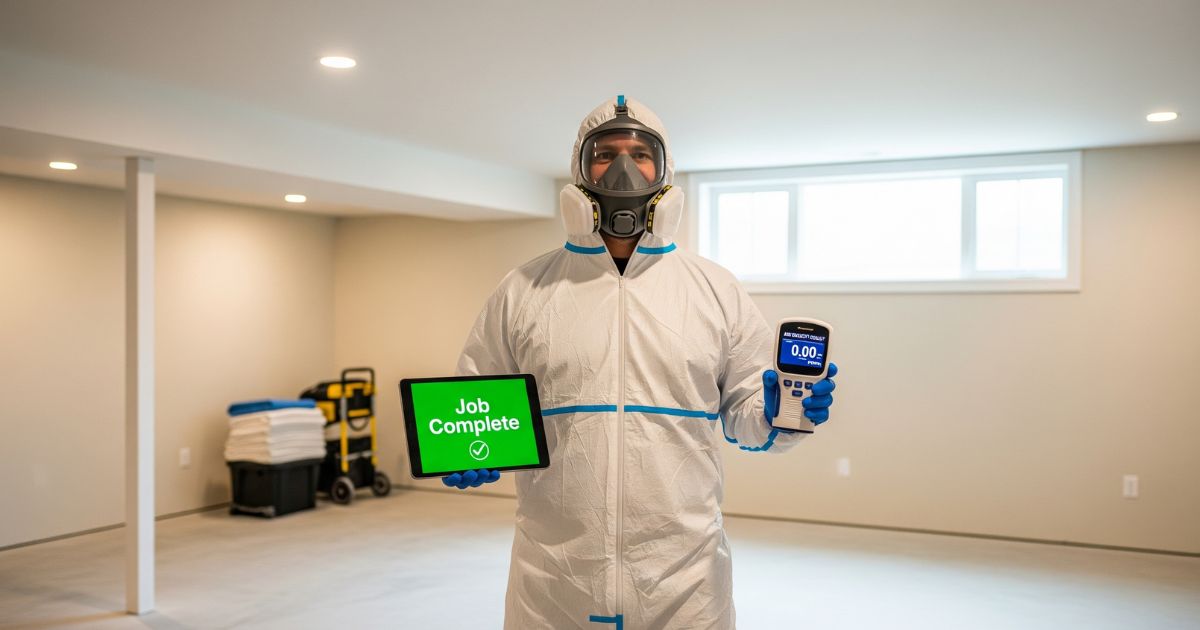
Health Protection: Safeguarding Your Family’s Well-being
One of the most compelling reasons to invest in professional mold remediation is health protection. Mold produces spores that can cause a range of health issues, particularly in sensitive individuals, such as children, the elderly, and people with respiratory conditions like asthma.
Mold-Related Health Risks
Exposure to mold can trigger allergies and asthma, leading to symptoms such as:
-
Coughing and wheezing
-
Nasal congestion
-
Eye irritation
-
Skin rashes
-
Fatigue and headaches
Long-term exposure, especially to toxic black mold (Stachybotrys chartarum), can cause more severe health problems like chronic respiratory conditions, neurological symptoms, and immune system issues.
When mold is removed professionally, trained specialists use safety gear and containment protocols to ensure the mold is removed without putting your family at risk. They also perform thorough cleanup, addressing hidden mold that might be present in walls, ceilings, or HVAC systems, which a DIY approach may miss.
Reducing the Risk of Mold Spread
In the process of DIY mold removal, homeowners can inadvertently spread mold spores to other areas of the home, making the problem worse and harder to control. Professional remediation services use advanced containment techniques and air filtration systems to ensure that spores are not released into unaffected parts of the home during the cleanup process. This minimizes the risk of cross-contamination and ensures a comprehensive solution.
Preventing Structural Damage and Protecting Property Value
Mold isn’t just a health hazard; it also poses a significant risk to your home’s structural integrity. Mold grows on organic materials like wood, drywall, and insulation, causing these materials to deteriorate over time. The longer mold is left untreated, the more damage it can cause, leading to expensive repairs.
Mold and Property Damage
Mold can weaken and warp wood, compromise drywall, and corrode metal, leading to structural instability. As mold spreads, it can also destroy insulation, leading to reduced energy efficiency and increased utility bills. Left unchecked, mold can even damage flooring, ceilings, and other materials, creating the need for major renovation work.
Hiring professionals to tackle the problem early can prevent the mold from spreading further, saving you from costly repairs down the line. Mold remediation specialists will not only remove the visible mold but also address the underlying moisture issues that allow mold to grow, ensuring that the mold does not return.
Restoring Property Value
If you’re planning to sell your home, mold problems can significantly reduce the resale value. Homes with mold infestations are often flagged during home inspections, and prospective buyers may be deterred from making an offer due to health concerns or the anticipated cost of mold remediation.
By investing in professional mold remediation, you are preserving your property’s value. Buyers will appreciate knowing that the mold issue has been properly addressed and that the home is safe to live in, making it easier to sell at a good price.
Thorough, Effective Mold Removal
While DIY mold removal may seem like a quick fix, it rarely addresses the full scope of the problem. Professional remediation involves much more than scrubbing mold off surfaces. It requires identifying the source of moisture, containment of affected areas, and the use of specialized equipment to ensure the mold is completely removed and won’t return.
In-Depth Assessment and Inspection
A professional mold remediation company doesn’t just treat the visible mold; they conduct a comprehensive inspection to identify hidden sources of mold and moisture. Mold often grows in places that are difficult to detect—behind walls, in crawl spaces, or within insulation. Certified mold inspectors use advanced tools like moisture meters, infrared cameras, and air sampling to locate mold in areas that are not immediately obvious to the homeowner.
Specialized Equipment and Techniques
Professionals use high-quality HEPA air filtration systems to remove mold spores from the air during remediation, ensuring that the entire environment is cleaned and purified. They also use antimicrobial treatments to prevent future mold growth. These treatments and tools are far more effective than the typical cleaning supplies available to homeowners and ensure that the remediation process is thorough.
DIY mold removal may leave spores behind, which can lead to mold returning. Professional remediation companies use advanced dehumidification and drying techniques to address the underlying causes of mold, ensuring that the conditions are right for mold growth to be permanently eliminated.
Long-Term Prevention of Mold Recurrence
One of the key benefits of professional mold remediation is that experts go beyond simply removing the mold—they also implement strategies to prevent mold from coming back.
Identifying and Fixing the Source of Moisture
Mold needs moisture to grow, and without addressing the root cause of the problem, mold is likely to return. Professionals will locate the source of water intrusion, whether it’s from leaks, poor ventilation, or high humidity, and fix it to ensure that mold does not reappear. This could involve repairing leaks, improving insulation, installing better ventilation systems, or using dehumidifiers in damp areas of the home.
Long-Term Monitoring and Recommendations
Some professional mold remediation companies offer follow-up services or provide warranties for their work. These warranties can give homeowners peace of mind, knowing that the company will come back and address any mold issues if they arise within a certain period after remediation. Additionally, specialists may offer advice on how to maintain a mold-free home through humidity control, proper ventilation, and other preventive measures.
Peace of Mind
Dealing with mold in your home can be incredibly stressful. From worrying about health risks to the potential costs of repairs, it’s easy to feel overwhelmed. Professional mold remediation services provide peace of mind by taking care of the problem efficiently and effectively.
Expertise and Experience
Mold remediation specialists are trained and certified in the proper techniques for mold removal. They understand how to handle toxic mold, the necessary safety protocols, and the most effective methods for ensuring a mold-free home. By hiring experts, homeowners can rest assured that their mold problem will be addressed thoroughly and professionally, with no corners cut.
Stress-Free Process
Mold remediation can involve several steps, including containment, removal, cleaning, and repairs. For homeowners, this process can feel like a daunting task, especially if they don’t know where to start. Professionals manage the entire process, taking the burden off the homeowner’s shoulders. With certified mold specialists, the homeowner can avoid the stress of dealing with the mess and potential health risks of exposure to mold.
Understanding the Hidden Costs of Mold Remediation
Mold remediation is often seen as a straightforward service: remove the mold, treat the affected areas, and fix the issue. However, many homeowners are surprised by the hidden costs that can arise throughout the mold removal process. These costs can significantly affect the overall price of the remediation, making it essential to understand what you may encounter beyond the initial quote.
In this section, we’ll break down the additional expenses that often accompany mold remediation and provide insights on how to anticipate and plan for these hidden costs.
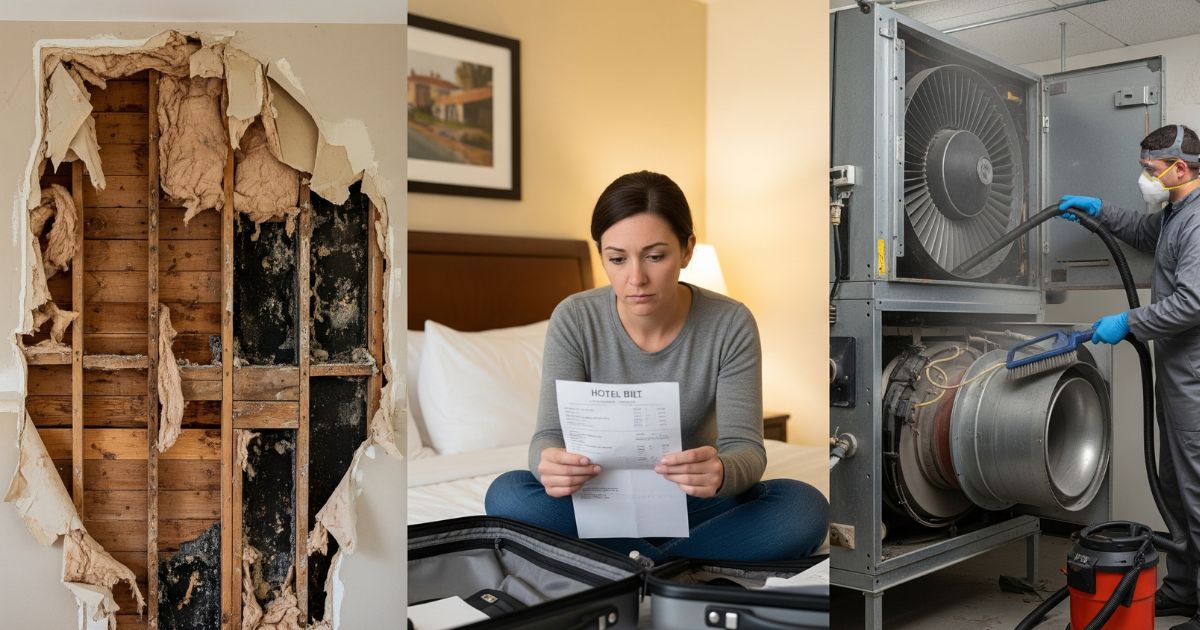
Structural Repair Expenses
While mold removal is the main focus of remediation, the damage caused by mold often extends beyond what is visible on the surface. Mold feeds on organic materials like drywall, wood, insulation, and even concrete, leading to significant structural damage. As mold spreads, it weakens these materials, potentially leading to the need for extensive repairs.
Drywall, Wood, and Insulation Damage
Mold commonly affects drywall and wooden structures, leading to warping, crumbling, or rot. In extreme cases, mold may also damage insulation, which compromises your home’s energy efficiency and can contribute to further moisture problems. Repairing or replacing these materials can be costly, particularly in large infestations.
-
Drywall: Removal and replacement of mold-damaged drywall can cost anywhere from $500 to $2,000 depending on the size of the area.
-
Wood and Framing: If the framing is compromised, it may need to be replaced, which could add another $1,000 or more to the cost.
-
Insulation: Replacing insulation can be expensive, particularly if mold has spread behind walls or in attics, where the cost can range from $1,000 to $4,000 or more.
Flooring Damage
Mold can seep into carpeting, hardwood floors, and even tile grout. If mold has been present for an extended period, it can ruin these surfaces, necessitating their removal and replacement. For example:
-
Carpet replacement: $500 to $2,000 depending on the size of the area.
-
Hardwood floors: Repairing or replacing mold-damaged hardwood floors can cost $1,000 to $5,000 depending on the area and material.
-
Tile and grout cleaning: Professional cleaning of tiles affected by mold may range from $300 to $1,500 depending on the severity.
Ceiling and Roof Repair
Mold often thrives in damp, hidden places like attics and crawlspaces. If a roof leak or inadequate insulation allows moisture into these areas, the mold could spread to the ceiling or attic spaces. Repairing or replacing damaged roofing, insulation, or ceiling panels can add thousands of dollars to your overall remediation cost. Attic mold remediation, for instance, may cost anywhere from $2,000 to $7,000 or more, particularly if it involves addressing ventilation or moisture issues.
Temporary Relocation Costs
In severe cases, especially with toxic black mold (Stachybotrys chartarum), homeowners may be required to temporarily vacate the property during the remediation process. Mold remediation often involves sealing off areas of the home, using chemicals, or installing specialized equipment like air scrubbers, which may make it unsafe to remain in the affected areas.
Accommodation Costs
If the mold infestation is extensive, particularly in areas such as basements or large parts of the home, homeowners may need to stay in temporary accommodations. This can include staying in a hotel, renting a short-term apartment, or even staying with friends or family. These costs can quickly add up, especially if remediation takes several days or even weeks. Temporary accommodation expenses typically range from $100 to $200 per night, depending on location and availability.
-
Hotel stays: A one-week stay in a mid-range hotel could cost between $700 and $1,400.
-
Renting a vacation home or apartment: If staying in a hotel is not an option, renting a short-term home can cost between $1,500 and $4,000 per month.
Storage Costs for Belongings
In some cases, personal belongings such as furniture, clothing, or electronics may need to be temporarily removed to prevent exposure to mold. While some remediation companies may offer to move these items for you, others may require you to handle this yourself. Renting a storage unit or paying for professional packing and storage services can add extra costs to the overall project.
-
Storage unit rental: The cost for a small storage unit can range from $50 to $200 per month, depending on location and size.
HVAC Cleaning and Repair
If mold has spread to the HVAC system, remediation costs can rise substantially. Mold spores travel through the air and can easily spread throughout your home via the heating, ventilation, and air conditioning (HVAC) system. As a result, cleaning and repairing the HVAC system is often necessary to prevent mold from recirculating.
HVAC Cleaning
Cleaning the HVAC system involves disassembling the ducts, cleaning them with specialized tools, and disinfecting all surfaces to prevent mold from spreading. This process can be time-consuming and expensive, ranging from $500 to $2,000 or more, depending on the size of the system and the extent of the contamination.
HVAC Repair or Replacement
In severe cases where the HVAC system has been extensively damaged by mold, it may need to be repaired or even replaced. This can add an additional $3,000 to $7,000 or more, depending on the system’s complexity and the degree of mold infiltration.
Ongoing Moisture Control and Prevention
While mold remediation can address the immediate issue, preventing future mold growth is crucial. This often involves additional steps that can add to the cost. Mold thrives in damp conditions, so controlling humidity levels and addressing moisture sources is essential for long-term mold prevention.
Dehumidifiers and Humidity Sensors
To prevent moisture buildup, many homeowners choose to install dehumidifiers or humidity sensors in their homes. While these devices can help control moisture levels, they come at a cost. High-quality dehumidifiers can range from $200 to $2,000, depending on the size and features, while humidity sensors can cost anywhere from $50 to $300.
Home Inspections and Maintenance
Ongoing inspections and regular maintenance are important to ensure that mold does not return. Some homeowners may opt for annual mold inspections, which can cost between $200 and $600 per visit, depending on the scope of the inspection. This preventive approach can help identify potential problems before they become major issues.
Insurance and Financing Considerations
While some of the hidden costs of mold remediation may be covered by insurance, there are situations where coverage may fall short. For example, mold caused by negligence or long-term moisture buildup may not be covered by homeowner’s insurance. In addition, mold remediation can be a significant financial burden for some homeowners.
Out-of-Pocket Costs
If insurance doesn’t cover the full cost of mold removal, homeowners may need to pay out-of-pocket. It’s important to factor in these potential costs when planning your budget for mold remediation.
Financing Options
Some remediation companies offer financing options or payment plans to help homeowners manage the cost. This can be a helpful solution if you’re facing a large-scale mold issue that requires significant repairs and remediation. Financing options typically come with interest rates and terms that vary based on your credit score, so it’s important to explore the available options and choose the one that best fits your financial situation.
Additional Environmental Costs
In some cases, mold removal may involve additional environmental costs. For instance, mold removal can create waste, particularly when materials like drywall, insulation, or carpeting need to be disposed of. Proper disposal of contaminated materials requires special handling to prevent the spread of spores to other areas. This can lead to additional charges for waste removal and disposal.
Additionally, remediation companies may charge extra for eco-friendly disposal methods or if hazardous waste removal is required. These extra steps can increase the total cost of the mold remediation project by hundreds or even thousands of dollars.
Long-Term Savings from Professional Mold Removal
Although professional mold remediation can seem expensive upfront, it often leads to significant savings over time. Here’s how investing in professional mold removal can help reduce ongoing costs and prevent long-term financial strain:
Preventing Recurring Mold Growth
One of the biggest financial benefits of professional mold removal is the prevention of recurring infestations. If mold isn’t properly dealt with the first time, it can return, often at a higher cost and with more extensive damage. Professional remediation services address the root causes of mold growth—such as leaks, humidity issues, and poor ventilation—helping to ensure that mold doesn’t come back.
By getting rid of mold thoroughly and addressing underlying moisture issues, you save on repeat repairs, reduced health risks, and avoid the inconvenience of future remediation costs. This can be particularly valuable when considering the potential expenses for repeat treatments.
Reducing Medical Expenses
Mold exposure, especially toxic mold, can cause a range of health problems, including respiratory issues, skin irritation, headaches, and allergic reactions. Over time, prolonged exposure can lead to more serious health issues, requiring medical treatment and even hospitalization.
When mold remediation is delayed or neglected, the health risks to occupants—particularly children, the elderly, or those with weakened immune systems—become far greater. The resulting medical expenses could easily surpass the cost of professional mold removal. Investing in remediation early on prevents these potential health problems, making it a smart move for both financial and health reasons.
Energy Efficiency Improvements
In addition to removing mold, professional remediation often includes addressing issues that contribute to moisture buildup, such as sealing leaks, improving ventilation, and enhancing insulation. These improvements not only prevent future mold problems but also increase your home’s energy efficiency.
For instance, sealing air leaks or improving attic insulation can prevent cold drafts in winter and reduce heat loss. Similarly, improving ventilation in areas like basements or bathrooms ensures moisture doesn’t build up, keeping your home dry. These upgrades can lower your utility bills and contribute to long-term savings on heating and cooling costs. Over time, the reduction in energy usage can pay back the investment made in mold remediation.
Mold Removal Cost by Room or Area
Different areas of the home present unique challenges when it comes to mold remediation. The costs can vary depending on the room’s size, accessibility, and the severity of the mold growth. Let’s break down the cost range by room or area:
Bathroom Mold Removal
Bathrooms are high-humidity areas that make them prime spots for mold growth, particularly around tile grout, drywall, and ventilation systems. Mold in bathrooms can be tricky to remove due to the complexity of tile surfaces, tight spaces, and ventilation issues.
-
Typical Costs: Bathroom mold removal typically costs between $1,000 and $3,000. The higher end of the range is more likely if extensive repairs are needed for drywall, tile grout, or ventilation systems.
-
Factors Affecting Cost: The cost is influenced by factors like the size of the bathroom, the extent of the mold growth, and whether there is underlying water damage that needs to be addressed.
Basement Mold Removal
Basements are notorious for mold growth due to their susceptibility to moisture and flooding. Poor drainage, leaky pipes, and rising groundwater can all lead to mold in basements. Proper remediation often involves both mold removal and waterproofing, which can be costly.
-
Typical Costs: Basement mold removal ranges from $3,000 to $10,000, depending on the extent of the damage and the need for waterproofing and additional structural repairs.
-
Factors Affecting Cost: The level of flooding or water intrusion, whether foundation cracks need sealing, and the size of the basement all influence the final cost.
Attic Mold Removal
Attic mold is often caused by poor insulation or roof leaks. Mold in the attic can be difficult to spot but can lead to serious damage to insulation, wood, and roofing. Attic mold removal often includes repairing or replacing insulation, fixing ventilation issues, and ensuring that roof leaks are addressed.
-
Typical Costs: Costs for attic mold removal generally range from $2,000 to $7,000, depending on the severity of the mold and whether repairs to the roof or ventilation are required.
-
Factors Affecting Cost: Attic mold removal costs are often higher if there are ventilation or insulation issues that need to be addressed in addition to the mold remediation itself.
The Health Cost of Delayed Mold Removal
Delaying mold removal is not just a financial risk—it’s also a health risk. Mold exposure can lead to both immediate and long-term health problems that can escalate over time, increasing medical expenses and reducing the quality of life for affected individuals.
Health Impacts of Mold Exposure
The longer mold is left untreated, the more likely it is to cause health issues. Mold spores are microscopic and can spread quickly throughout the home, especially if they’re disturbed by air movement or construction. Common health issues caused by mold exposure include:
-
Respiratory problems: Chronic coughing, wheezing, and difficulty breathing, particularly for people with asthma or allergies.
-
Skin irritation: Rashes, itching, and allergic reactions.
-
Immune system strain: Prolonged exposure can weaken the immune system, making individuals more susceptible to infections and other health issues.
-
Long-term health risks: In severe cases, such as with toxic black mold, long-term exposure can lead to serious conditions like chronic sinusitis or neurological problems.
Impact on Vulnerable Groups
Certain groups, such as children, the elderly, and individuals with compromised immune systems, are more vulnerable to the effects of mold exposure. For these individuals, mold-related health problems can escalate rapidly, resulting in higher medical bills for treatment, doctor visits, and even hospital stays.
-
Children: Prolonged mold exposure can aggravate asthma, lead to respiratory infections, and affect their development.
-
Elderly: Mold exposure can worsen conditions like COPD, asthma, or other age-related respiratory issues.
-
Immunocompromised Individuals: Those with weakened immune systems, such as people undergoing chemotherapy or living with HIV/AIDS, may face more severe complications from mold exposure.
Preventative Measures That Reduce Future Costs
When it comes to mold, prevention is always cheaper than remediation. By taking a proactive approach, homeowners can avoid costly future mold removal and reduce the likelihood of recurring infestations.
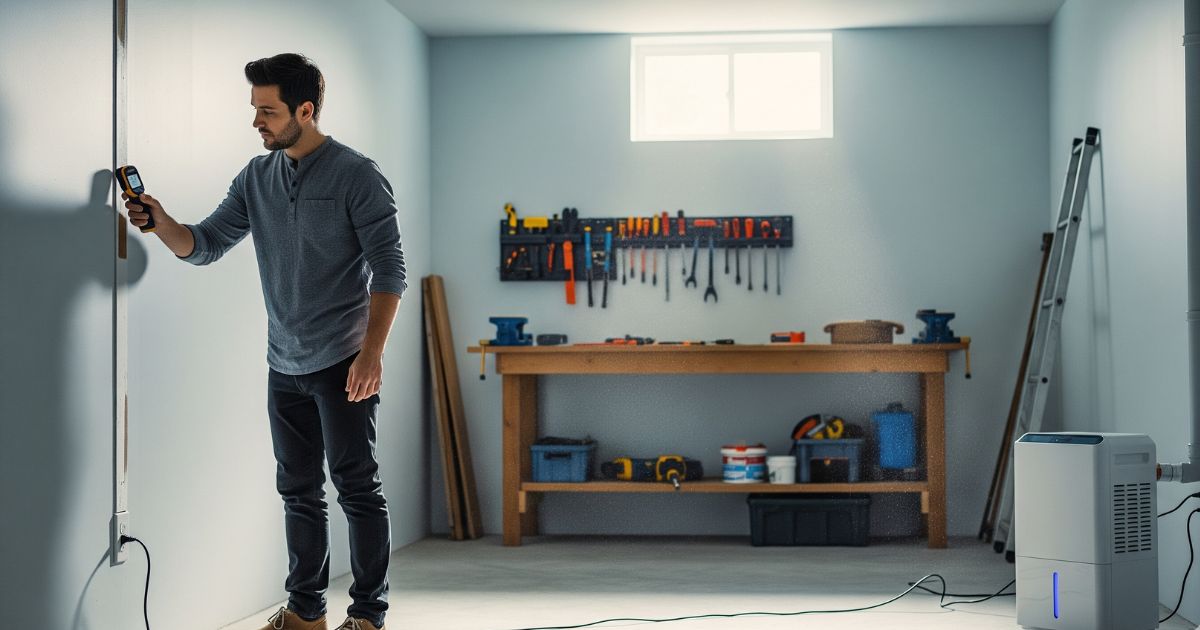
Smart Home Humidity Control
Modern dehumidifiers and humidity sensors are excellent tools to help prevent mold growth. These devices can track moisture levels in real time, alerting you when humidity is rising to dangerous levels. Humidity control is particularly important in high-risk areas like basements, bathrooms, and attics.
-
Dehumidifiers: These devices can help maintain optimal humidity levels, typically between 30-50%, which helps keep mold from forming.
-
Humidity Sensors: Installed in critical areas, these sensors can trigger alerts when humidity exceeds safe levels, allowing you to take action before mold can develop.
Regular Home Inspections
Regular home inspections are an essential preventive measure, particularly after heavy storms or flooding. Scheduling annual mold inspections can help catch problems early, when the cost to remove mold is much lower.
-
Routine Checks: An inspector will check common problem areas (attics, basements, bathrooms) and address any signs of mold before they escalate.
-
Early Detection: Detecting small issues before mold spreads throughout the home can prevent major repairs down the road and save homeowners thousands of dollars.
Comparing Mold Removal Services and Pricing Models
When choosing a mold remediation company, it’s important to understand their pricing models and what you’re getting for your money. Here’s a breakdown of common pricing structures:
Hourly vs Flat Rate Pricing
Mold removal companies typically offer two main pricing structures: hourly rates or flat fees.
-
Hourly Pricing: Often used for smaller areas or less extensive mold issues. While hourly rates may seem cheaper upfront, they can become unpredictable if the mold is more widespread than initially thought. Expect to pay $100 to $300 per hour, depending on the complexity of the job.
-
Flat Rate Pricing: For larger or more complicated projects, companies may charge a flat fee based on square footage or the severity of the infestation. This method is often preferred for larger projects because it offers more predictable costs. Flat rates range from $500 to $15,000, depending on the scope of the job.
Value of Warranties and Guarantees
Some remediation companies offer warranties or guarantees for their work, which can provide peace of mind. A warranty ensures that if mold returns within a certain time frame (e.g., 1-3 years), the company will provide a follow-up visit at no additional charge. This can be a valuable investment, especially if you’re concerned about recurring mold problems.
-
Typical Warranty: Warranties can range from 1 to 5 years and typically cover issues like mold regrowth in previously treated areas.
Conclusion
Mold removal is an essential but often costly investment for homeowners. While the price of mold remediation can vary widely based on factors like the severity of the infestation, the size of the affected area, and the materials involved, the long-term benefits make it a wise decision for both your health and your wallet. From avoiding recurring mold growth to improving energy efficiency and preventing costly health problems, the advantages of professional mold remediation far outweigh the initial expense.
By understanding the costs involved, recognizing the health risks of delaying treatment, and implementing preventive measures, homeowners can reduce their chances of future mold problems and save on future remediation costs. Whether you’re dealing with a small bathroom mold issue or a large-scale basement cleanup, investing in professional mold removal ensures that your home remains safe, healthy, and structurally sound.
Remember, mold may seem like a small problem at first, but its hidden costs can grow quickly if left unaddressed. Early intervention can save you money, protect your health, and safeguard your home from long-term damage.
Frequently Asked Questions
1. How much does mold remediation cost?
The cost of mold remediation varies depending on the size and severity of the infestation. On average:
-
Small areas (10–50 sq ft): $500 to $1,500
-
Medium infestations (100–400 sq ft): $1,500 to $6,000
-
Large infestations (500 sq ft or more): $6,000 to $15,000 or more
Toxic black mold may increase the cost, typically $20 to $40 per square foot due to stricter safety protocols.
2. Is mold removal covered by insurance?
Many homeowners’ insurance policies cover mold removal if the mold is caused by a covered peril (e.g., water damage from a burst pipe). However, mold damage due to neglect, such as failing to fix a leaky roof or poor ventilation, is often excluded. Always check with your insurance provider to understand your coverage.
3. Can I remove mold myself?
While it is possible to remove small amounts of mold yourself, it’s usually safer and more effective to hire a professional, especially for larger infestations or toxic black mold. DIY mold removal can spread spores, and if the root cause (e.g., leaks or poor ventilation) isn’t addressed, the mold will likely return.
4. What are the health risks of mold exposure?
Mold exposure can cause various health problems, including respiratory issues, skin irritation, headaches, and allergic reactions. People with asthma, compromised immune systems, or allergies are particularly vulnerable. Delaying mold removal can increase the risk of serious health issues, particularly for children and the elderly.
5. How long does mold remediation take?
The duration of mold remediation depends on the size and complexity of the infestation. Small jobs might take a few hours, while larger infestations can take several days or even weeks to completely address, especially if repairs (like ventilation or structural work) are needed.
6. How can I prevent mold from growing in the future?
Preventing mold is always cheaper than remediation. Key preventive measures include:
-
Controlling humidity: Use dehumidifiers and humidity sensors to monitor moisture levels.
-
Fixing leaks promptly: Repair leaks in roofs, windows, and plumbing as soon as they’re detected.
-
Improving ventilation: Ensure proper ventilation in high-humidity areas like bathrooms and basements.
-
Regular home inspections: Schedule inspections after storms or flooding to catch mold issues early.
7. Is there a warranty for mold removal services?
Many mold remediation companies offer warranties, typically covering follow-up visits if mold returns within a set timeframe (e.g., 1–3 years). Be sure to ask about warranty options when hiring a contractor to ensure you’re protected against future mold growth.