
Mold in homes is more than just an unsightly issue; it can cause severe health problems and structural damage if left unchecked. Homeowners in areas with high humidity, poor ventilation, and water damage are at an increased risk of mold growth. Mold detection at home has become an essential aspect of property maintenance in 2025, as mold-related issues can be hard to spot and even harder to resolve. Whether you’re concerned about mold in your home or want to prevent it from becoming a problem, this comprehensive guide will walk you through everything you need to know: signs, causes, and effective prevention methods.
What is Mold? An Introduction
Mold is a type of fungus that thrives in warm, damp, and humid environments. It can grow on various surfaces, including wood, drywall, carpets, and even furniture. Mold thrives in places where moisture is present, and it can be harmful to both your health and your home.
Why Mold Removal in Hartford is Crucial:
Mold removal in Hartford is essential for homes experiencing moisture-related issues, particularly in basements and areas with poor ventilation. Early detection and professional remediation can prevent long-term damage and health risks.
Related Article: Emerging Technologies in Mold Remediation in Hartford County (2025)
Signs of Mold in Your Home
Recognizing mold early is key to avoiding extensive damage. Some mold growths are easily visible, but others may be hidden behind walls, ceilings, or floors.
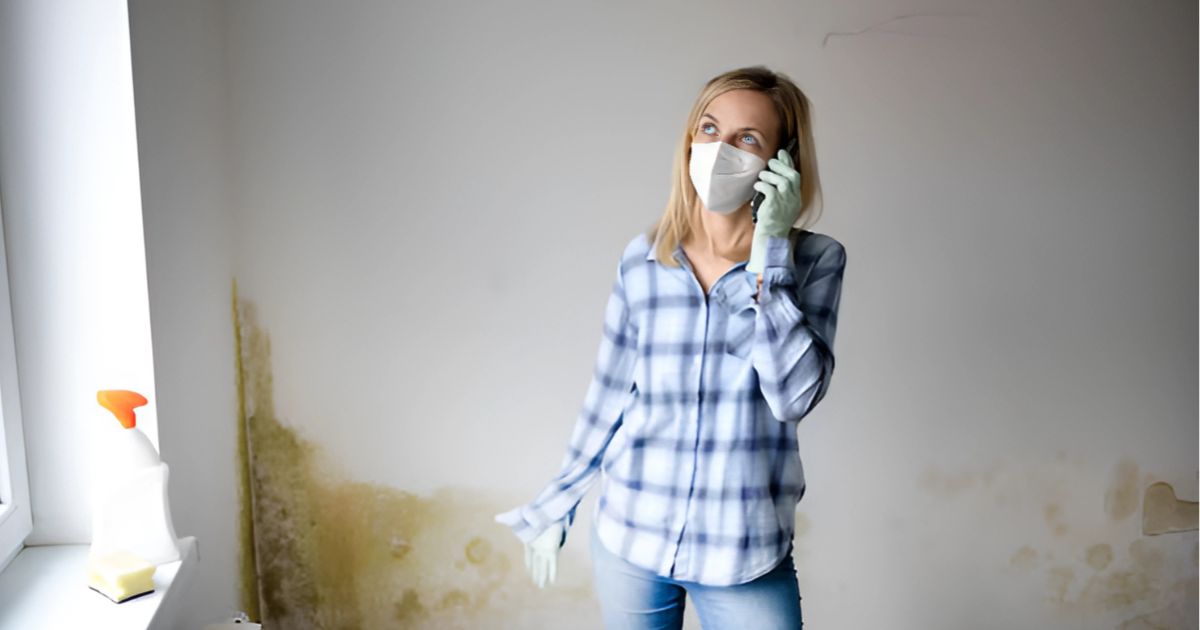
Here are the common signs that your home may have mold:
Visible Mold Growth
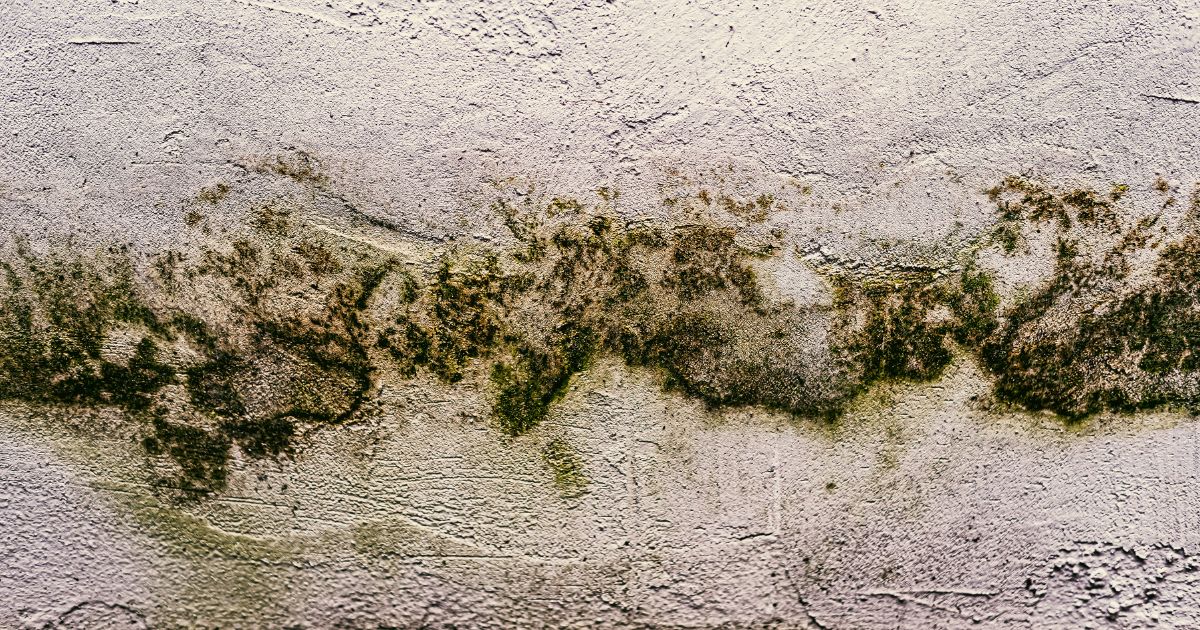
Mold can often appear in various colors, including black, green, white, or yellow. If you notice dark spots or fuzzy patches on walls, ceilings, or floors, there’s a good chance you have mold. Keep an eye on areas like bathrooms, basements, and attics where moisture levels are higher.
Mold Removal in Middletown:
If you spot visible mold in Middletown homes, immediate action is required. Professional mold remediation in Middletown will ensure the affected areas are cleaned and treated properly.
Musty Odor
One of the most obvious signs of mold is a musty, earthy odor. This smell is caused by mold spores and fungi that emit a distinct, unpleasant scent. If you notice this odor in certain areas of your home, especially if it doesn’t go away with cleaning or airing out, mold might be the cause.
Mold Remediation in Burlington:
A musty odor is a common sign of mold in Burlington homes. Mold remediation in Burlington involves not just removing visible mold but addressing the underlying moisture source to prevent future growth.
Health Issues
Mold can trigger a range of health problems, particularly for those with respiratory conditions like asthma. Symptoms may include coughing, wheezing, skin irritation, eye discomfort, or even more severe allergic reactions. If your health starts deteriorating in certain rooms or areas of your house, mold could be the underlying cause.
Water Damage or Leaks
Any signs of water damage, such as stains on ceilings or walls, could indicate potential mold growth. If your home has experienced leaks from plumbing issues, roof damage, or flooding, mold can start to grow in the affected areas.
Mold Removal in Hartford:
Water damage is a leading cause of mold growth, especially in Hartford. If you’ve experienced leaks or flooding, professional mold removal services in Hartford are essential to ensure proper cleanup and prevent health risks.
Condensation and High Humidity
Excessive condensation on windows or walls often leads to high humidity levels in the home, creating an ideal environment for mold. Using a hygrometer to measure humidity levels in your home can help detect areas that may be prone to mold growth.
Related Article: Top 5 Signs Your Hartford County Home Needs Professional Mold Remediation
Causes of Mold Growth in Homes
Understanding the causes of mold growth in homes is essential for both mold detection and prevention.
Several factors contribute to mold development, and being aware of them can help you take preventive action.
Excess Moisture
Moisture is the primary catalyst for mold growth. Leaks in the roof, plumbing, or appliances like dishwashers or washing machines can cause water to pool in walls, ceilings, or floors. Areas like basements and crawl spaces are especially susceptible to excess moisture.
Mold Remediation in Middletown:
Excess moisture in Middletown homes is often the result of poor ventilation and plumbing issues. Mold remediation in Middletown addresses these issues effectively, ensuring your home is safe from long-term mold damage.
Poor Ventilation
Homes with inadequate ventilation trap moisture in the air, which encourages mold growth. Kitchens, bathrooms, and laundry rooms are particularly vulnerable to mold if they’re not properly ventilated. It’s essential to use exhaust fans, dehumidifiers, and ensure proper airflow in these high-humidity areas.
Flooding or Water Damage
Natural disasters like flooding or plumbing failures are leading causes of mold in homes. Even after the water recedes, moisture trapped in porous materials such as drywall or carpet can lead to mold growth. The sooner you address water damage, the better.
Mold Removal in Burlington:
Flooding in Burlington homes can lead to mold growth in hidden areas. Addressing the water damage quickly with professional mold removal services in Burlington is vital to protect your home from future issues.
Temperature Fluctuations
Mold thrives in temperatures between 60°F and 80°F (15°C to 27°C). However, when your home’s temperature fluctuates dramatically—such as in poorly insulated attics or basements—the mold spores may be more likely to thrive.
Leaky Windows or Doors
Faulty seals or gaps around windows and doors can allow water to seep inside during rainy weather, leading to mold growth. Regularly inspect seals and replace any damaged weatherproofing to prevent moisture from entering your home.
Mold Remediation in Hartford:
Leaky windows in Hartford homes are a common cause of mold. Mold remediation services in Hartford ensure that water ingress is controlled and removed before mold can spread.
Related Article: Why CT’s Extreme Heat & Humidity in 2025 Are Powering Mold — And What Avon, Bristol & Enfield Homeowners Can Do
How to Detect Mold in Your Home: Tools and Techniques
If you suspect that mold is growing in your home, it’s time for mold detection at home.
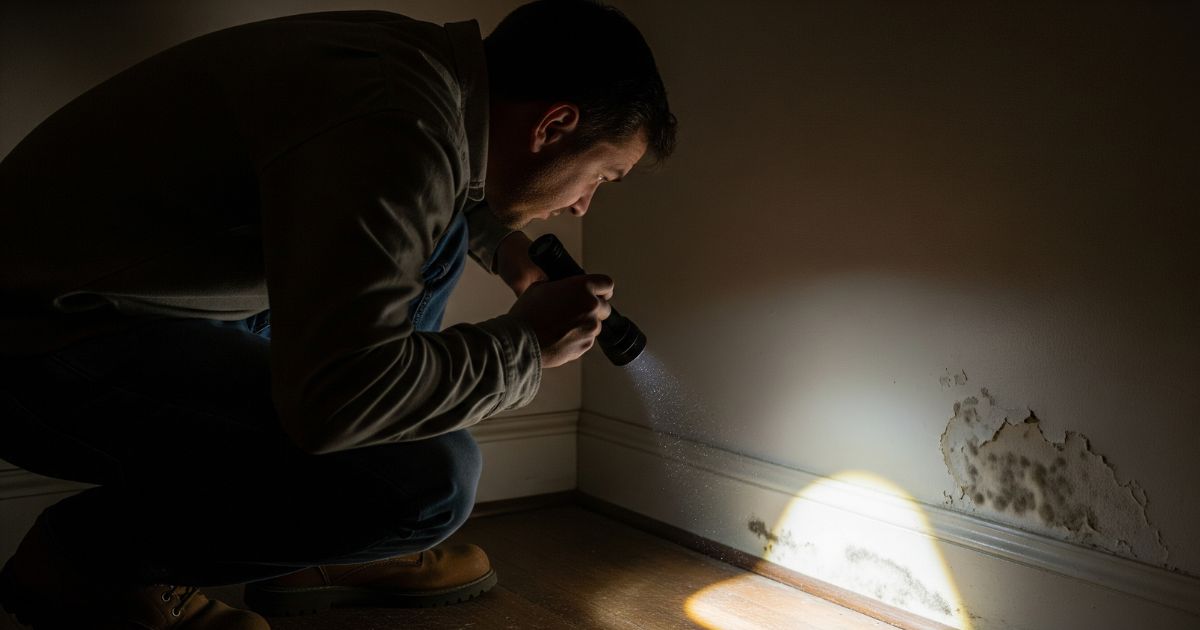
There are several ways to detect mold and moisture issues before they become a significant problem.
Visual Inspection
The first and most basic step is a visual inspection. Look for visible mold growth, water stains, or areas where moisture may have accumulated. Pay close attention to hidden areas like behind appliances, under sinks, and in the attic or basement.
Mold Removal in Middletown:
A visual inspection is often the first step in mold removal in Middletown. Professionals can help identify hidden mold growth behind walls or under floors that may not be immediately visible.
Mold Test Kits
Mold test kits are available at most home improvement stores. These kits allow you to collect samples of suspected mold and send them to a laboratory for analysis. While these kits can help identify mold, they’re not always 100% accurate, so it’s best to hire a professional mold inspector for a thorough analysis.
Hiring a Professional Mold Inspector
For a comprehensive assessment, hiring a professional mold inspector can be a wise decision. They use advanced techniques, including moisture meters, infrared cameras, and air sampling, to detect hidden mold growth. A certified mold inspector can give you peace of mind and provide actionable steps for remediation.
Related Article: How Mold Remediation in Hartford County CT Tackles Humidity Behind Walls
How to Prevent your Home from Mold
Prevention is always better than cure. Mold is a persistent problem, but by taking the right steps, you can prevent it from affecting your home.

Here are some simple yet effective tips:
Control Humidity Levels
One of the most effective ways to prevent mold is to control the humidity levels in your home. Use dehumidifiers, especially in high-humidity areas like basements and bathrooms, to reduce moisture in the air. Aim for humidity levels below 60% to discourage mold growth.
Fix Leaks Promptly
Any leaks, whether from plumbing, roofing, or windows, should be fixed as soon as possible. Don’t let water sit in walls, ceilings, or floors for long periods. If left untreated, water damage can lead to mold growth, especially in hidden areas.
Mold Remediation in Burlington:
Fixing leaks immediately is key in Burlington homes, where mold growth can occur rapidly after heavy rainfall or plumbing issues. Professional mold remediation in Burlington can prevent further damage.
Increase Airflow
Ensure that your home is well-ventilated. Open windows, use exhaust fans, and make sure that vents aren’t blocked. Good airflow helps reduce moisture buildup and makes it harder for mold to take root.
Proper Insulation
Proper insulation helps maintain stable temperatures and reduces condensation. Insulating attics, basements, and walls can keep moisture levels in check, preventing the environment mold needs to thrive.
Clean and Maintain Gutters
Clogged gutters can lead to water pooling around your foundation, which increases the risk of mold in your home. Clean your gutters regularly to ensure that rainwater flows freely away from your property.
Related Article: Trusted Water Damage Restoration Services in Hartford County
Mold Remediation: What to Do If You Find Mold
If you’ve detected mold in your home, it’s essential to address the problem swiftly.
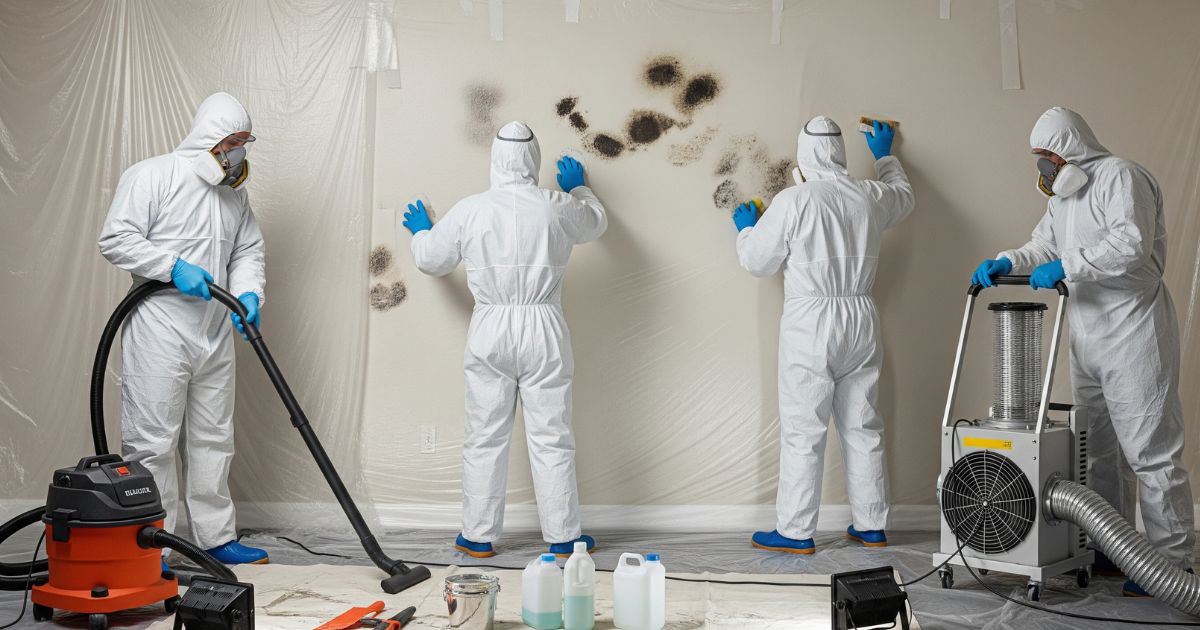
Depending on the severity of the mold, remediation may require professional help.
Small Mold Issues
If the mold growth is minor and confined to a small area (less than 10 square feet), you may be able to clean it yourself using soap, water, and disinfectant. Wear protective gear like gloves, goggles, and a mask to avoid exposure to mold spores.
Larger Mold Issues
For extensive mold damage, particularly if it’s behind walls or under floors, it’s advisable to hire a professional mold remediation service. These specialists can remove mold safely and thoroughly, ensuring that your home is restored to a safe and healthy environment.
Mold Removal in Hartford:
For large-scale mold problems in Hartford, professional mold removal services are necessary to effectively address the growth and prevent health risks.
Related Article: How Professional Mold Remediation Can Eliminate Unseen Home Contaminants
Conclusion
Mold detection at home is crucial for maintaining both the health of your family and the integrity of your property. By recognizing the signs of mold early, understanding its causes, and taking preventive measures, you can protect your home from mold growth. If you do discover mold, acting quickly and seeking professional mold remediation services is key to resolving the issue effectively. Stay vigilant, maintain your home, and take proactive steps to keep mold at bay.
Frequently Asked Questions
What are the first signs of mold in my home?
A persistent musty or earthy odor is often the first warning sign of mold in your home. This distinctive smell is caused by microbial volatile organic compounds (MVOCs) released by mold colonies as they grow and reproduce. The odor may be concentrated in specific areas like basements, bathrooms, or closets, or it might permeate the entire home, becoming more noticeable in humid conditions or when the HVAC system is running.
Visually, mold typically appears as discolored patches that can be black, green, white, orange, or purple, often with a fuzzy, slimy, or powdery texture. These spots commonly develop in damp areas, behind walls where water damage has occurred, or in poorly ventilated spaces. Early growth might appear as small specks that gradually expand over time if conditions remain favorable.
Unexplained health symptoms that improve when you leave your home can also indicate mold presence. These may include sneezing, coughing, itchy eyes, or respiratory difficulties that seem to lessen when you’re away from your living environment.
How can I prevent mold from growing in my home?
Maintaining indoor humidity levels between 30% and 50% is crucial for mold prevention, as mold thrives in environments with relative humidity above 60%. Use dehumidifiers in damp areas like basements and bathrooms, and install exhaust fans vented to the exterior in moisture-prone spaces. Monitor humidity with a hygrometer to ensure levels stay within the recommended range.
Address water issues immediately by fixing leaks in roofs, pipes, and faucets. Thoroughly dry any water-damaged areas within 24-48 hours to prevent mold spores from germinating. This includes carpets, drywall, and other porous materials that can retain moisture long after visible water has disappeared.
Improve air circulation throughout your home by using fans, keeping furniture slightly away from walls, and opening windows when weather permits. Good ventilation helps moisture evaporate quickly and prevents the damp conditions mold needs to grow.
Can I remove mold myself?
DIY mold remediation may be appropriate only for very small areas of mold growth (typically less than 10 square feet) on non-porous surfaces like tile, glass, or metal. For these limited cases, you can clean mold using a solution of detergent and water, white vinegar, or commercial mold cleaning products specifically formulated for this purpose. Always wear protective equipment including gloves, eye protection, and an N-95 respirator mask to avoid exposure to mold spores during cleaning.
For larger areas, mold on porous materials like drywall or wood, or when toxic varieties like black mold are suspected, professional intervention is strongly recommended. Professional mold remediation companies have specialized equipment like HEPA filtration systems, containment procedures, and expertise that most homeowners lack.
Improper DIY remediation can actually worsen the problem by dispersing mold spores throughout your property, potentially contaminating previously unaffected areas. Additionally, without addressing the underlying moisture source, mold will likely return regardless of how thoroughly the visible growth is removed.
How does humidity contribute to mold growth?
Humidity plays a critical role in mold development, creating the ideal environment for spores to germinate and colonies to thrive. Most types of mold require relative humidity levels above 60% to grow, with optimal growth occurring between 70% and 90% humidity. When indoor air is moist, water vapor condenses on cooler surfaces, providing the damp conditions mold needs to proliferate.
This is why mold commonly develops in areas with naturally high humidity like basements, bathrooms, and kitchens, or during humid seasons when outdoor moisture infiltrates homes. The relationship between humidity and mold is reciprocal: high humidity promotes mold growth, and mold growth can affect humidity levels through biological processes that release water vapor.
Monitoring humidity with a hygrometer can help identify problem areas before mold develops. Using air conditioners, dehumidifiers, and proper ventilation helps maintain appropriate humidity levels, creating an environment inhospitable to mold growth.
How can mold impact my health?
Mold exposure can affect human health in various ways, with effects ranging from mild allergic reactions to serious respiratory conditions. When mold releases spores into the air, these microscopic particles can be inhaled, potentially triggering allergic reactions in sensitive individuals. Common symptoms include sneezing, runny nose, itchy eyes, skin rashes, and respiratory issues like coughing, wheezing, and difficulty breathing.
People with asthma may experience more frequent and severe attacks when exposed to mold. Some types of mold, particularly Stachybotrys Chartarum (often called “black mold”), can produce mycotoxins—toxic substances that may cause more serious health effects including headaches, fatigue, and in rare cases, neurological symptoms.
The severity of health effects depends on factors including the type of mold present, extent of exposure, duration of exposure, and individual sensitivity. Children, elderly individuals, and those with compromised immune systems are particularly vulnerable to mold-related health problems.