Water damage can happen suddenly and cause serious problems for homeowners. Whether it’s from a burst pipe, roof leak, or storm flooding, unwanted water can destroy floors, furniture, and walls within hours. Acting quickly is the key to limiting damage and preventing mold growth. This complete water damage checklist explains what to do immediately, how to stay safe, and when to call professional restoration services. Following these steps helps protect your property and restore your home to a safe, dry condition.
What is Water Damage?
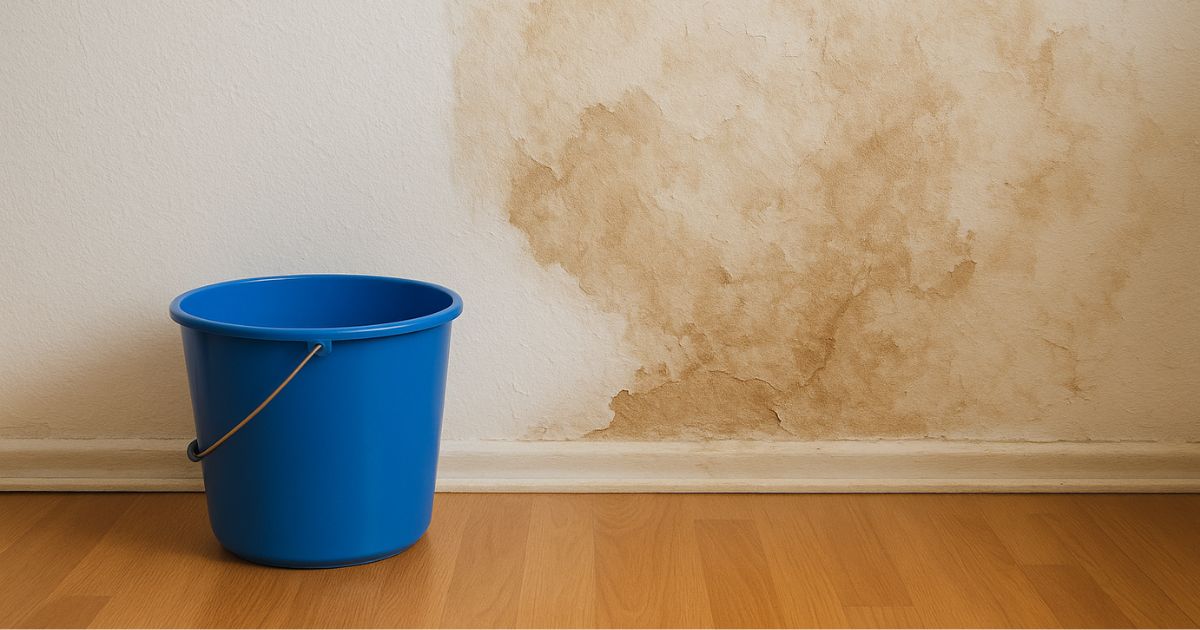
Water damage refers to any harm caused when excess water enters parts of your home where it doesn’t belong. Common sources include leaking roofs, cracked foundations, clogged gutters, broken plumbing, or appliance failures. It can appear as wet floors, damp walls, swollen wood, or peeling paint. However, not all damage is visible. Moisture can hide behind walls and under flooring, causing mold and weakening your home’s structure. Recognizing early signs and taking prompt action are essential for minimizing costly repairs.
Immediate Steps to Take After Water Damage Checklist in Your Home
When water damage strikes, every minute matters. The following steps explain what to do right away to protect your home and belongings.
Step 1: Find the Source and Stop the Water
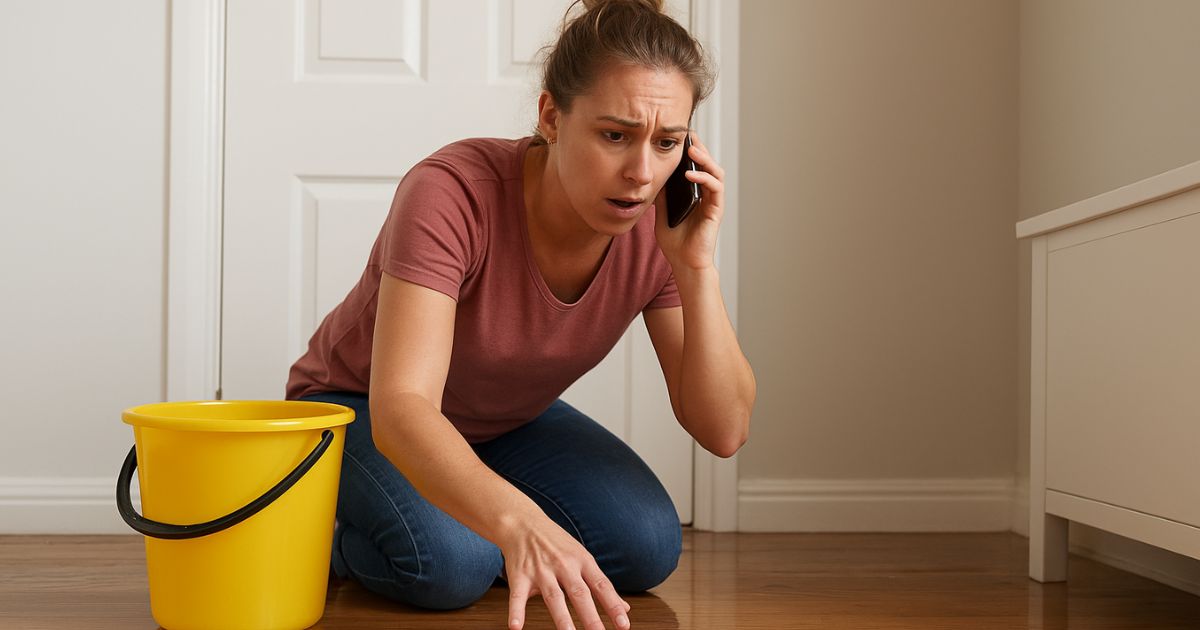
Your first priority should be locating and stopping the source of water. Shut off the main water supply if a pipe has burst. If heavy rain or flooding is to blame, use sandbags or temporary barriers to redirect water flow. For roof or appliance leaks, turn off connected valves or unplug the affected appliance. Stopping the water quickly reduces further saturation and prevents additional damage.
Step 2: Safety First
Before entering any flooded area, put safety first. Turn off the electricity in affected rooms to prevent electrical shocks. Avoid walking through standing water if you are unsure of its depth or cleanliness. Wear rubber gloves, waterproof boots, and a mask to protect yourself from contaminants. Never attempt to move heavy or wet furniture alone. Ensuring your personal safety should always come before property cleanup.
Step 3: Document the Damage for Insurance
After ensuring safety, take photos and videos of all affected areas before you begin cleaning. Documentation is crucial for insurance claims. Capture images of damaged walls, flooring, furniture, and electronics. Write down details such as when the incident occurred and what caused it. If you have receipts for damaged items, keep them in a safe place. This record helps your insurance adjuster evaluate the claim fairly and speeds up reimbursement.
Step 4: Begin the Drying Process
Once water is stopped and documented, begin drying the space immediately. Use mops, towels, and wet vacuums to remove standing water. Open all windows and doors to allow ventilation. Position fans and dehumidifiers to circulate air and absorb moisture. Pay close attention to corners, closets, and under furniture, where water often lingers unnoticed.
Remove Standing Water
Use pumps or wet vacuums to remove as much water as possible. Even small puddles can lead to mold growth if ignored.
Air Out the Space
Cross-ventilate by opening doors and windows. Fans and dehumidifiers speed up evaporation and help lower humidity levels.
Check the Nooks and Crannies
Inspect under carpets, along baseboards, and inside cabinets. Trapped moisture in hidden spaces is a common cause of long-term structural damage.
Step 5: Check for Mold Growth
Mold can start growing within 24 to 48 hours of water exposure. Examine walls, ceilings, and furniture for any musty odors or discoloration. Mold often appears as fuzzy spots or dark patches. If you suspect contamination, contact a professional mold remediation company right away. Mold not only damages your property but can also cause allergies and breathing issues. Acting early prevents it from spreading to other areas of your home.
Step 6: Salvage What You Can
Once the area is safe, try to recover items that can be saved. Move undamaged furniture and belongings to a dry space.
Furniture and Rugs
Place them in a well-ventilated area to dry naturally. Avoid direct sunlight on wooden pieces to prevent warping.
Documents and Photos
Lay important papers flat to air dry. For valuable or sentimental items, place them in a freezer until a restoration specialist can treat them.
Electronics
Unplug all electronic devices immediately. Do not turn them on until a qualified technician inspects them. Moisture inside circuits can cause permanent damage.
Step 7: Call in the Professionals
If the affected area is large or the damage is severe, professional help is necessary. Certified water damage restoration specialists use advanced tools for moisture detection, water extraction, and structural drying. They also handle sanitation, odor removal, and mold prevention. These experts ensure your home is completely dry and safe before repairs begin. Relying on professionals can save both time and money while preventing future complications.
Step 8: Prevent Future Water Damage
After your home is restored, take preventive measures to reduce future risks.
Check Your Plumbing Regularly
Inspect pipes, faucets, and hoses for leaks or corrosion. Replace worn-out parts before they cause major problems.
Install Water Sensors
Smart sensors can alert you instantly when a leak starts. These small devices are valuable for preventing large-scale water damage.
Consider a Sump Pump
Homes in low-lying areas or with basements benefit from sump pumps that automatically redirect water away from your foundation during storms.
Step 9: Don’t Forget About Structural and Electrical Issues
Once drying is complete, inspect for any hidden structural or electrical hazards.
Check the Foundation
Look for cracks, uneven floors, or damp spots along the foundation walls. These may indicate ongoing moisture problems.
Inspect Electrical Systems
Hire a licensed electrician to check outlets, wiring, and breakers. Never use damaged electrical equipment, as it poses a serious fire risk.
Step 10: Take Care of Yourself
Dealing with water damage can be overwhelming. Remember to care for your physical and mental well-being during recovery. Take breaks, stay hydrated, and ask for help from family, friends, or professionals when needed. Restoring your home after a flood or leak takes patience, but following a structured plan keeps the process manageable and ensures lasting results.
Water Damage Inspection and Assessment
Once the water has been removed and the area is dry, the next essential step is a full inspection and assessment. A detailed water damage inspection helps determine how deeply the moisture has penetrated and what areas need repair. Professional inspectors use specialized tools like moisture meters and infrared cameras to detect hidden dampness inside walls, floors, and ceilings. These devices identify problem spots that may not be visible to the eye.
During the assessment, experts classify the type of water involved—clean, gray, or black—and rate the level of contamination. They also evaluate the structural condition of materials such as drywall, insulation, and flooring. This information helps plan a precise restoration strategy and prevents future complications like rot, odor, or mold growth. Having a professional inspection after any flooding or leak ensures that your home is safe, stable, and completely moisture-free.
How to Tell if Water Damage is New or Old
Identifying whether water damage is new or old is important when planning repairs. Fresh water damage usually appears as damp, soft spots on walls or ceilings with a lighter color. You may also notice coolness or moisture when you touch the affected area. If the surface feels wet but not soft, it may be a recent leak.
In contrast, older water damage shows darker staining, peeling paint, or mold growth. The material may feel dry but brittle, indicating that the water intrusion occurred weeks or months earlier. Wood may appear warped or discolored, while drywall might show rings or edges where moisture once spread.
A moisture meter can help confirm the age of the damage by measuring water content in the material. Understanding how long the problem has existed helps you determine whether you need simple repairs or a complete restoration from a professional water damage company.
How Long Does It Take to Dry Out Water Damage?
The time required to dry out water damage depends on how much water entered the area, the type of materials affected, and the ventilation conditions. In most cases, it takes between two to five days for a space to dry completely. However, porous materials like carpet, drywall, or insulation may take longer.
Professional restoration teams use industrial-grade fans, air movers, and dehumidifiers to accelerate the drying process. Proper air circulation and humidity control are crucial to prevent mold growth and structural weakening.
During drying, it is important to monitor moisture levels daily using specialized equipment. Even if a surface feels dry, trapped moisture can remain beneath flooring or inside wall cavities. Leaving these areas unchecked can lead to future damage. Patience and consistent drying ensure a thorough restoration that keeps your home safe and strong.
Moisture Detection and Mapping
After drying, experts perform a moisture mapping process to confirm that no hidden water remains. This technique involves using thermal imaging cameras and sensors to detect temperature differences that indicate moisture presence. The data is then mapped onto a floor plan, helping technicians identify problem areas for further treatment.
Moisture mapping also assists in evaluating how far the water spread and whether any insulation, wallboards, or flooring needs replacement. It provides homeowners with a clear picture of the extent of the damage and the effectiveness of the drying process.
By using moisture detection technology, restoration professionals ensure that every part of your home is completely dry. This process prevents future mold infestations and eliminates unpleasant odors that often linger after water exposure. Regular follow-up inspections are also recommended to ensure the environment remains dry and stable.
Water Damage Categories
When inspecting water damage, restoration professionals classify the contamination level into three categories. Understanding these helps determine how cleanup should be handled.
Category 1 – Clean Water
This includes water from a clean source such as a broken water supply line, sink overflow, or rainwater. Although it poses minimal health risk, it can still cause serious structural damage if not dried promptly.
Category 2 – Gray Water
Gray water contains some contaminants and may come from dishwashers, washing machines, or toilet overflows without feces. It can cause illness if ingested or touched, so proper cleaning and disinfection are needed.
Category 3 – Black Water
This type is highly contaminated and can include sewage, floodwater, or standing water that has developed bacteria. Black water requires professional handling and complete disinfection to ensure the safety of the home.
Signs of Hidden Water Damage
Not all water damage is immediately visible. Hidden leaks can silently weaken your home’s structure over time. Watch for signs such as bubbling paint, warped flooring, or a musty odor. If your utility bills rise unexpectedly, it may indicate an unseen leak behind walls or under floors.
Ceilings with discolored patches or sagging drywall are also warning signs. Regular water damage inspection by professionals can detect these hidden issues early. Early detection saves you from costly structural repairs and extensive mold removal later.
For older homes, especially those with outdated plumbing or poor insulation, regular inspection is highly recommended. Detecting moisture early keeps your home secure, energy-efficient, and mold-free.
Structural Evaluation After Water Damage
After water damage, a full structural evaluation is vital. Excess moisture weakens beams, joists, and flooring supports. Over time, this can lead to uneven floors, cracks, or even foundation damage. Restoration specialists check these areas closely and recommend reinforcement or replacement if needed.
Inspecting the roof structure is equally important, as trapped moisture in attic spaces can promote wood rot and insulation damage. Windows and wall cladding should also be checked for water seepage points.
By conducting a complete structural evaluation, you ensure that your property remains safe and strong. Prompt attention not only preserves your home’s value but also prevents future water intrusion problems that often recur when underlying issues are ignored.
The Role of Professional Water Damage Restoration
Professional restoration companies bring expertise and specialized equipment to ensure no moisture remains undetected. They follow strict cleaning, drying, and sanitizing procedures that meet industry standards. These teams handle water extraction, deodorization, and mold prevention with precision.
Their knowledge of water behavior, building materials, and moisture control ensures an efficient recovery process. Professional help also prevents secondary damage such as warping, corrosion, and microbial growth. For homeowners, this means peace of mind and a quicker return to normal living conditions.
Choosing a trusted restoration company in your area, such as one specializing in water damage restoration and mold remediation, guarantees safe, reliable results. Always check for certifications, experience, and customer reviews before hiring.
Preventing and Mitigating Water Damage
Prevention is always better than repair when it comes to water damage. Homeowners can avoid major losses by performing regular maintenance and early detection. Check plumbing connections, roof flashing, and gutters frequently to make sure water flows away from your home. Clean gutters at least twice a year to prevent overflow that could damage walls and foundations.
It is also helpful to seal cracks in basements and around windows to keep water from seeping inside during heavy rainfall. Ensure your yard slopes away from the house so that rainwater drains properly. Installing backflow valves in plumbing systems prevents wastewater from backing up into your home.
Mitigation goes beyond prevention. It means minimizing damage once water intrusion occurs. Using sump pumps, sealing crawl spaces, and running dehumidifiers during humid seasons can significantly reduce the risk of long-term moisture buildup.
Flood Damage Restoration
When floods occur, professional flood damage restoration is essential for a complete recovery. Floodwater can bring contaminants, mud, and debris into your property, making cleanup challenging. Trained restoration specialists use industrial-grade equipment to extract water, sanitize affected areas, and restore damaged structures.
The restoration process typically begins with an inspection, followed by water extraction using pumps and vacuums. After that, the space is cleaned, dried, and disinfected to prevent mold and bacteria growth. In severe cases, flooring, drywall, or insulation may need replacement to ensure the home is safe.
Because floodwater often carries pathogens, professional sanitization is crucial. Certified technicians use antimicrobial treatments and deodorization methods to restore indoor air quality. Homeowners should never attempt to clean floodwater alone, as it can contain harmful waste. Hiring a licensed flood restoration company ensures safety and lasting protection against future contamination.
Flood Water Removal
Flood water removal is the first and most urgent step after any flooding event. The longer water sits, the deeper it penetrates floors, walls, and foundations. Restoration experts use submersible pumps and high-capacity vacuums to extract large volumes of water quickly. This prevents swelling of wooden materials and rusting of metal structures.
Once the water is removed, drying equipment such as air movers and dehumidifiers is placed strategically to eliminate remaining moisture. This process also helps prevent secondary damage like odor, mold growth, and material decay.
During removal, technicians carefully inspect each affected area, including basements, crawl spaces, and attics. These hidden spaces often retain water even after surface drying. By performing complete extraction, restoration teams ensure your property is fully dry, clean, and ready for repair. Effective flood water removal is the foundation of successful water damage restoration.
Risks of Untreated Water Damage
Leaving water damage untreated can lead to serious and costly consequences. Within hours, moisture begins weakening wood structures, damaging drywall, and corroding metal fixtures. Over time, the damage spreads deeper into your home’s foundation, compromising its stability.
The most common long-term effect of untreated water damage is mold growth. Mold thrives in damp conditions and can start developing within just 24 to 48 hours. Once established, it can release spores that trigger allergies, asthma, and respiratory infections.
Untreated water damage also attracts pests such as termites and rodents that seek moisture-rich environments. Electrical systems can short-circuit, increasing the risk of fire. Furthermore, damp conditions often produce persistent odors that make living spaces uncomfortable. Immediate restoration and professional inspection are the only ways to protect your property and maintain a healthy indoor environment.
Does Water Damage Happen Immediately?
Water damage begins almost instantly once water enters your home. The speed of damage depends on the amount of water, the materials affected, and how quickly action is taken. While some effects appear within minutes, others develop over several days. Understanding the timeline helps homeowners respond effectively and minimize lasting harm.
Water Damage Within 1 to 24 Hours
In the first few hours, water starts soaking into floors, drywall, and furniture. Paint may bubble, wood begins to swell, and carpets become saturated. Electrical systems near the water source may short out, creating a safety hazard.
At this early stage, removing water and beginning the drying process is crucial. The quicker water is extracted, the better the chance of saving flooring, walls, and personal belongings. Acting immediately can prevent mold spores from taking hold and reduce the total cost of restoration.
Water Damage Within 48 Hours up Through 7 Days
During this period, materials start to deteriorate. Wooden structures may warp or crack, and drywall softens or collapses. Mold colonies often appear on walls, insulation, and fabrics. The smell of mildew becomes noticeable.
Electrical systems and metal parts begin corroding, while doors and windows may jam due to swelling. Professional water mitigation and drying equipment are essential at this point. Without intervention, the structure can become unsafe, requiring extensive repairs. Addressing water damage within the first week is critical to saving your home’s integrity.
Water Damage After More Than a Week
After one week, the effects of water exposure are severe and often irreversible. Mold and bacteria have usually spread throughout the area, making it hazardous to stay inside. Structural elements such as beams and flooring lose their strength, and complete replacement may be required.
Long-term exposure also causes permanent staining, rust, and decay. At this stage, full-scale restoration is necessary, involving demolition of damaged areas, deep sanitization, and reconstruction. The longer the damage remains untreated, the higher the cost and risk to health. Immediate professional attention remains the best solution to limit damage and restore safety.
Classes of Water Damage
Water damage is categorized by the extent of saturation and absorption within materials. Understanding these classes helps determine the right restoration approach.
Class 1: Minimal Damage
This is when water affects only a small area or surface material, such as a minor leak on a tile floor. Drying is relatively quick and simple.
Class 2: Medium Damage
Water seeps into carpets, furniture, and walls but does not reach the ceiling. Moderate drying and partial material removal are required.
Class 3: Extensive Damage
This occurs when water saturates floors, walls, and ceilings. Restoration involves advanced equipment, thorough drying, and mold prevention.
Class 4: Deep Absorption
Porous materials like hardwood, concrete, or brick have absorbed water deeply. Specialized drying techniques and longer restoration times are necessary.
Water Damage Inspection
Once the area is dry and categorized, a detailed inspection ensures complete recovery. Inspectors evaluate all materials, structural elements, and air quality. They check for lingering moisture, mold spores, and odor issues.
Professional reports also document the repairs performed and recommend maintenance steps to prevent future problems. This final inspection closes the restoration process, confirming that your home is dry, sanitized, and structurally sound.
Water damage inspection is not just about safety; it protects your property’s long-term value and ensures peace of mind for you and your family.
Preventing and Managing Water Damage
Water damage can occur unexpectedly, but with proper prevention and quick response, homeowners can save thousands in repairs. Managing water damage involves both proactive measures and timely action after an incident. By staying alert to early warning signs and maintaining your property, you can protect your home from serious structural and mold problems.
Recognizing Early Warning Signs
Before water damage becomes visible, subtle indicators often appear. Musty odors, peeling paint, or stains on ceilings and walls can all signal a hidden leak. Discoloration on drywall or bubbling paint usually means moisture has seeped in. Spotting these signs early helps prevent long-term damage and costly restoration work.
Routine Home Maintenance
Preventive maintenance is your strongest defense. Check for loose shingles, damaged flashing, or cracks around vents and chimneys that could let in rainwater. Clean gutters at least twice a year so water flows freely away from your home. Inspect plumbing under sinks, behind appliances, and near water heaters to catch leaks before they spread.
How to Prevent Water Damage
Preventing water damage starts with regular home maintenance and awareness. By inspecting your plumbing, roof, and drainage systems, you can stop leaks before they become serious problems. Simple steps like cleaning gutters, sealing windows, checking appliance hoses, and installing water sensors can make a big difference. Prevention not only protects your home’s structure but also saves you from expensive repairs and mold issues later.
Maintain Plumbing Systems
Your plumbing system should be inspected regularly. Old or corroded pipes can burst, especially during temperature changes. Replace aging pipes, and use water pressure regulators to prevent strain on joints and seals. Keep an eye on faucets, toilets, and hose connections to ensure they’re not dripping or leaking.
Protect Your Roof and Gutters
A sturdy roof is essential for preventing water intrusion. Inspect it seasonally, especially after storms. Replace missing shingles and clear gutters and downspouts of debris. When gutters overflow, water can seep into the foundation and basement. Downspout extensions can help divert water safely away from your home’s perimeter.
Seal Windows and Doors
Water often sneaks in through poorly sealed windows and doors. Apply weatherstripping or silicone caulk around gaps to block rainwater. Inspect basement windows and sliding doors regularly to ensure seals remain intact. This small task can significantly reduce the chance of flooding during heavy rain.
Install Water Detection Devices
Modern homes benefit from smart leak detectors and moisture sensors. These devices alert homeowners to leaks before major damage occurs. Install them near washing machines, dishwashers, water heaters, and under sinks for maximum protection. Some models can even shut off the water supply automatically if they detect flooding.
Ensure Proper Drainage
Proper grading around your home ensures water flows away rather than pooling near the foundation. If your yard slopes toward your home, add soil to create a slight slope outward. Installing a sump pump in the basement can also help manage groundwater and prevent flooding during heavy rain.
Steps to Take After Water Damage
Act Quickly and Stay Safe
After discovering water damage, your first step should always be safety. Turn off the main power if water is near electrical outlets. Avoid entering flooded areas until it’s confirmed safe. Once safe, stop the source of water immediately—whether it’s a burst pipe or roof leak.
Remove Standing Water
Use wet vacuums, mops, or professional extraction tools to remove standing water. The faster you begin drying, the better your chances of preventing mold. Open windows, run fans, and use dehumidifiers to improve airflow.
Clean and Sanitize Affected Areas
Floodwater often carries dirt and bacteria. Clean and disinfect affected surfaces thoroughly to prevent odors and contamination. Remove damaged materials such as carpet padding or soaked insulation.
Call Professionals for Restoration
Contact a professional water damage restoration team as soon as possible. Experts can assess structural integrity, perform moisture testing, and repair damage before it worsens. Professionals also prevent secondary problems such as mold growth and foundation weakening.
Handling and Preventing Water Damage
Water damage is one of the most stressful experiences a homeowner can face, yet with the right knowledge and timely response, you can prevent long-term harm to your home and health. Whether caused by a plumbing leak, a burst pipe, or a natural disaster, water intrusion should always be treated as a serious emergency that demands immediate attention.
The Importance of Acting Fast
The first few hours after water damage are critical. Acting quickly reduces the extent of the damage and lowers repair costs. The sooner you find and stop the source, the less water can spread into structural materials. Fast action also prevents mold from forming, which is crucial for maintaining indoor air quality and preventing health issues.
If you delay, moisture seeps deep into walls, insulation, and flooring. Within a day or two, mold begins to appear, and materials such as drywall and carpet may need complete replacement. Swift drying and professional inspection ensure your property remains safe and habitable.
Why Professional Help Matters
While small leaks can sometimes be managed with household tools, large-scale water damage requires expert care. Professional water damage restoration teams have specialized equipment to extract moisture from hidden areas like wall cavities and subfloors. They use advanced dehumidifiers, air movers, and moisture meters to ensure every surface is completely dry.
Professionals also handle water classification—whether it’s clean, gray, or black water—to determine the safest cleaning and sanitizing approach. They assess your home’s structure, electrical systems, and foundation for unseen weaknesses that might lead to future problems. Most importantly, they document everything properly for your insurance company, saving you stress and paperwork.
Long-Term Prevention and Maintenance
Preventing water damage is far more affordable than repairing it. Regular maintenance should be part of your home care routine. Inspect your roof after every storm, keep gutters clear, and ensure downspouts direct water away from the foundation. Inside your home, check under sinks and around appliances for drips or condensation.
Installing water sensors, automatic shut-off valves, and sump pumps adds another layer of protection. For basements, consider waterproofing walls and sealing cracks to prevent seepage during heavy rain. In winter, insulate exposed pipes to prevent freezing and bursting.
When it comes to plumbing, schedule professional inspections at least once a year. Experienced technicians can spot weak joints, corroded pipes, and faulty valves before they become major leaks.
Health and Safety Considerations
Water damage doesn’t just affect your home—it can impact your health too. Damp environments are perfect breeding grounds for mold, bacteria, and mildew. These contaminants release spores that can trigger allergies, asthma, and respiratory problems, especially in children and older adults.
If you notice persistent odors or worsening air quality after water exposure, contact a mold remediation expert. Proper cleaning and disinfection restore a healthy living environment and stop hidden mold colonies from spreading.
Peace of Mind Through Preparation
Preparedness is your strongest protection against water damage. Keep an emergency contact list that includes local plumbers, electricians, and water damage restoration specialists. Know where your main water shut-off valve is and teach your family members how to operate it. Small steps like these can save your home from major destruction.
Maintaining a clear and practical water damage checklist ensures you’re always ready to act. From finding the source and documenting the damage to drying the affected areas and calling professionals, each step plays a vital role in restoring your property efficiently.
Conclustion
Water damage is a challenge, but it doesn’t have to turn into a disaster. A proactive approach, quick thinking, and professional help can turn a stressful situation into a manageable one. With the right precautions, your home can stay safe, dry, and healthy all year round.
If your home has been affected by leaks, flooding, or burst pipes, don’t wait—contact a trusted water damage restoration company immediately. Their expertise not only restores your property but also prevents future complications.
Protect your home, preserve your peace of mind, and stay prepared—because prevention today saves you from costly restoration tomorrow.
Frequently Asked Questions
Will My Homeowners Insurance Cover Water Damage?
In most cases, insurance covers sudden or accidental water damage, such as burst pipes or appliance leaks. However, it may not cover flooding from heavy rain or poor maintenance. Always review your policy for coverage details.
Is Water Damage an Emergency?
Yes. Even a small leak can lead to mold growth or structural weakening within hours. Immediate action prevents costly repairs later.
How Bad Is Water Damage to a House?
Water can destroy drywall, flooring, insulation, and even the foundation. Over time, it leads to rot, corrosion, and mold. Prompt repair and drying are essential.
How Quickly Can Mold Grow from Water Damage?
Mold can begin developing within 24 to 48 hours in damp conditions. Early drying and dehumidifying are key to preventing growth.
How Long Does It Take for Water Damage to Show?
Some signs appear immediately, while others take days or weeks. Stains, odors, and warping surfaces usually develop within a few days.
Will Mold Die if It Dries Out?
Mold becomes dormant when dry but doesn’t die. Once moisture returns, it can reactivate and spread again. Proper cleaning is necessary to remove spores completely.
How Long Does It Take for Water to Dry Up?
Drying time varies depending on materials and ventilation. Minor leaks may dry within 48 hours, while saturated walls and flooring can take several days with professional equipment.
How Long Can Furniture Sit in Water Before Being Ruined?
Upholstered furniture absorbs water quickly. Within 24 hours, it may develop mold and odor. Wooden furniture can warp or crack after a few days if not dried properly.
How Long Does It Take for Water to Damage Foundation?
Continuous water exposure for weeks can weaken a home’s foundation. Proper drainage, sealing, and prompt repair can prevent long-term damage.
How Long Should You Run Fans After Water Damage?
Fans should run continuously for at least 48 to 72 hours, depending on humidity and material saturation. Combine them with dehumidifiers for better results.
How to Prevent Water Damage in the Future?
Regular inspections, leak detectors, and proper drainage are the best preventive measures. Schedule professional plumbing and roof inspections annually to identify potential risks early.
What Should I Do If I Find Hidden Water Damage Later?
If you find signs like mold, soft walls, or warped flooring, call a restoration professional immediately. They can locate the source, remove moisture, and repair affected areas safely.
Can Water Damage Cause Health Problems?
Yes. Prolonged exposure to damp environments encourages mold and bacteria growth, which can trigger allergies, respiratory issues, and infections.