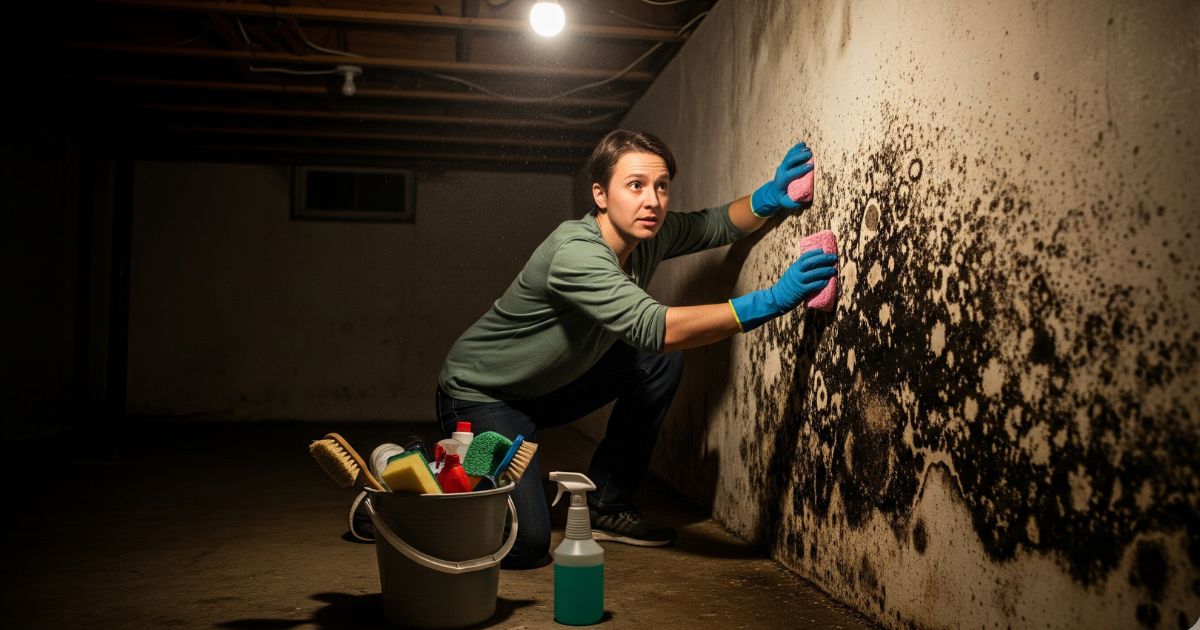
Basements are one of the most useful spaces in a home, yet they often carry a hidden problem that many homeowners underestimate: mold. For decades, families have stored their seasonal items, built entertainment rooms, or created laundry areas in basements without always realizing the risks that can develop below ground level. In 2025, the awareness around indoor air quality and the importance of keeping basements mold-free has grown stronger than ever. If you are reading this, chances are you have already noticed musty odors, visible patches of growth, or suspicious stains and are wondering if you can tackle the problem on your own.
The truth is that mold in basements is not a small issue. While some types of mold might look harmless, they can release spores that spread throughout the house, reaching bedrooms, kitchens, and even HVAC systems. What starts as a small patch in a damp corner can turn into a widespread infestation that damages walls, furniture, and even your health. Many homeowners ask the same question: Can I safely remove basement mold myself, or should I call in professionals?
This blog aims to answer that question in the most thorough way possible. You will not just get quick cleaning tips; you will receive a complete guide that explores the risks, the science behind mold growth, and the pros and cons of doing it yourself versus hiring experts. By the end, you will have the clarity to decide what’s right for your home and your family.
Why Addressing Basement Mold Promptly in 2025 Matters
In recent years, the cost of ignoring a moldy basement has risen sharply. The Environmental Protection Agency and health organizations continue to stress that indoor mold is more than a cosmetic nuisance. It can trigger allergies, asthma, and long-term respiratory complications.
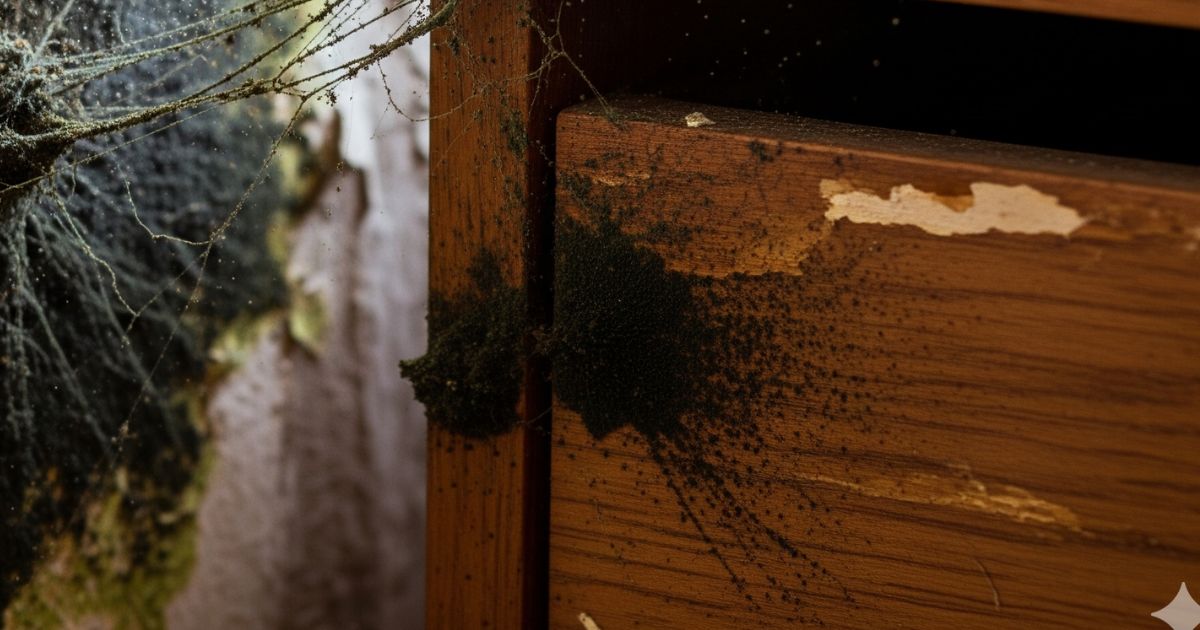
Additionally, the financial impact of neglect is substantial. Studies in 2025 show that untreated mold problems can reduce a property’s resale value by 15–25 percent, depending on the severity of damage.
Technology has also changed the way we detect and treat mold. New devices allow professionals to find moisture hidden behind walls, detect airborne spores in real time, and apply advanced treatments that were not available to homeowners a decade ago. That means the gap between what you can achieve on your own and what certified specialists can provide is widening. However, that does not mean DIY solutions are useless. They can work in specific situations, provided they are done carefully and with the right safety measures.
Health Risks and Damage Caused by Mold in Basements
When people hear “mold,” they often think of the green or white fuzzy spots on bread. But the mold that grows in basements behaves differently. Basements are dark, humid, and often poorly ventilated, which creates the perfect breeding ground for dangerous species, including black mold in basements. Once it takes hold, it can:
- Release spores that float into the air and travel upstairs
- Weaken drywall, wood beams, and insulation
- Cause musty odors that never fully go away
- Trigger headaches, coughing, fatigue, or allergic reactions
- Increase the risk of infections for vulnerable family members
A moldy basement does not stay confined to the basement. As warm air rises through your home, spores can hitch a ride and contaminate other living spaces. That is why tackling the issue quickly and effectively is so important.
What This Blog Will Cover
To make this guide easy to follow, we have divided it into comprehensive sections that explore every angle of basement mold removal. You will learn:
- The most common types of basement mold, from white mold in basements to moldy mildew and black mold
- The underlying causes that allow mold to flourish, including humidity, leaks, and lack of ventilation
- The step-by-step process of cleaning mold in basements with DIY methods, along with the risks and limitations
- Clear signs that DIY is not enough and when to call for professional basement mold remediation
- The latest technologies in basement mold treatment emerging in 2025
- Practical prevention strategies to keep your basement mold control efforts successful
- How mold can affect the rest of your house, including upstairs living areas
- Insurance and financial assistance options for dealing with mold damage
By the time you finish, you will not only know how to get rid of mold in basements, but also how to keep it from returning. Most importantly, you will understand whether DIY mold removal fits your situation or whether professional services are the safer investment.
Understanding Mold in Basements
If you want to solve a problem effectively, you need to understand it first. When it comes to mold, the basement is one of the most vulnerable areas in a home, and for good reason.
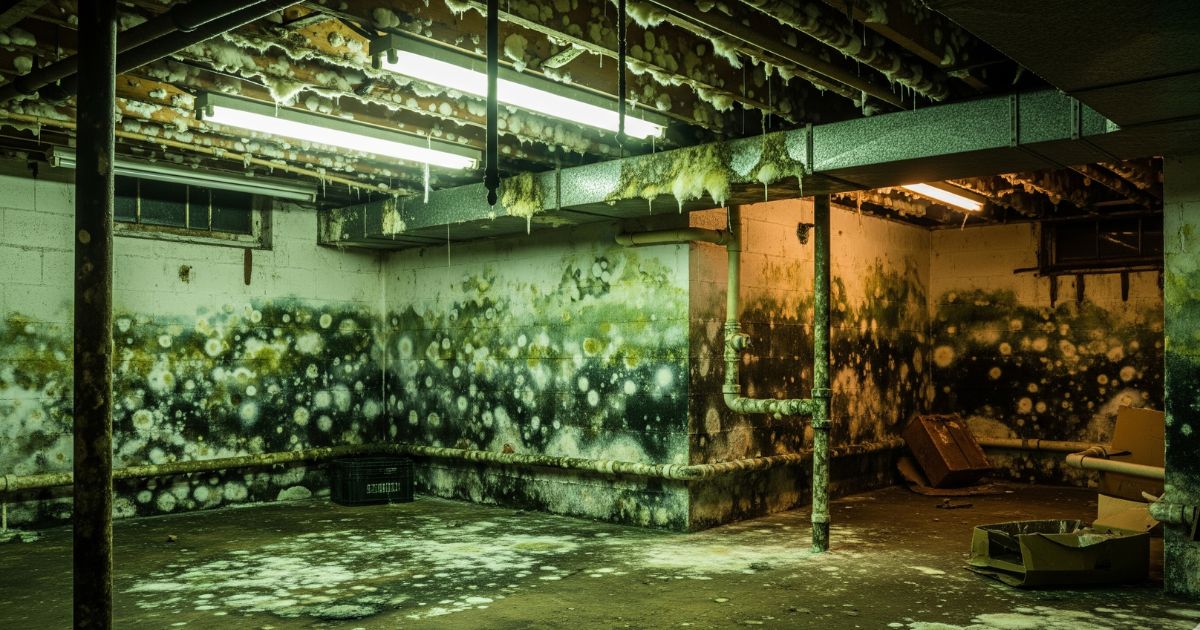
Below ground level, basements trap moisture, lack natural light, and often have poor ventilation. These conditions create a perfect habitat for mold growth. Before you think about how to clean a moldy basement or whether you should attempt DIY removal, it is essential to know what you are dealing with.
What is a Mold?
Mold is a type of fungus. Unlike plants, it does not need sunlight to survive. Instead, it thrives on organic materials such as wood, drywall, fabric, or even dust particles. Basements contain all these food sources. Once mold spores find moisture and warmth, they begin to grow colonies, appearing as spots, stains, or fuzzy patches on walls, ceilings, and stored belongings.
What makes mold especially concerning is its ability to spread invisibly. Even if you only see a small spot, there may be larger colonies hidden behind walls, under flooring, or in insulation. By the time the visible growth appears, mold may already be spreading throughout the basement environment.
Common Types of Mold in Basements
Not all mold is the same. Knowing which type you are dealing with helps you decide whether DIY basement mold removal is realistic or whether professional help is necessary. The most common types include:
White Mold in Basements
-
- Appears powdery or fuzzy and can resemble efflorescence (a harmless salt deposit caused by water).
- Often grows on wood, concrete, or stored cardboard boxes.
- While not always toxic, it can still affect indoor air quality and damage belongings if ignored.
Black Mold in Basements
-
- Often referred to as Stachybotrys chartarum.
- Appears slimy, dark green, or black, usually in areas with ongoing water leaks or high humidity.
- Known for producing mycotoxins that can cause respiratory issues, headaches, fatigue, and allergic reactions.
- DIY removal is highly discouraged for large infestations of black mold, as improper handling can spread spores.
Moldy Mildew
-
- A lighter, less aggressive fungus often found on damp fabrics, paper, or wood.
- Smells musty and can discolor surfaces.
- Easier to clean than black mold but still requires proper treatment to prevent recurrence.
Cladosporium and Aspergillus
-
- These are common indoor molds that often appear in basements.
- Cladosporium looks dark and can grow on both damp and relatively dry surfaces.
- Aspergillus comes in various colors and is known to spread quickly through HVAC systems if not controlled.
Why Basements Are Prone to Mold Growth
Basements face unique challenges compared to the rest of the home. Some of the main causes of mold in basements include:
- Humidity: Moist air gets trapped, especially in summer months, making basements feel damp.
- Water Leaks: Plumbing leaks, cracks in the foundation, or poor drainage can lead to puddles and wet surfaces.
- Flooding: Heavy storms or rising groundwater levels can bring large amounts of water into basements.
- Poor Ventilation: With little airflow, basements struggle to dry out naturally.
- Cold Surfaces and Condensation: Cool basement walls cause moisture in the air to condense, providing mold with the dampness it needs.
Once these conditions exist, spores floating naturally in the air settle, grow, and expand.
How Mold in Basements Can Affect the Entire Home
A major misconception is that mold in basements stays in basements. Unfortunately, that is not the case. The air circulation in your home allows spores to travel upwards, affecting rooms on higher levels.
- Airflow and Stack Effect: Warm air rises through the house, pulling air from lower levels. If your basement has mold, spores can move upstairs and circulate throughout living areas.
- HVAC Systems: Many HVAC units or ductwork are installed in basements. Mold growing nearby can spread directly into the ventilation system, pushing spores into every room.
- Structural Impact: Mold does not just sit on surfaces. It can weaken wood, drywall, and insulation, creating long-term structural issues.
This is why the question, “Can mold in basement affect upstairs?” is so important. The answer is yes, and often much faster than homeowners realize. That musty odor you notice on the second floor could easily be traced back to a moldy basement.
The Hidden Cost of Ignoring Mold in Basements
Beyond health risks, mold can take a serious financial toll. A basement with mold problems is harder to sell, can fail home inspections, and often requires costly remediation. Even a small untreated patch of white mold in a basement can spread over time, leading to thousands of dollars in repair bills. For homeowners hoping to avoid expensive surprises, early detection and treatment are crucial.
Related Article : Simple 2025 Guide to Mold in Homes: Signs, Causes & Prevention
DIY Basement Mold Removal: What You Need to Know
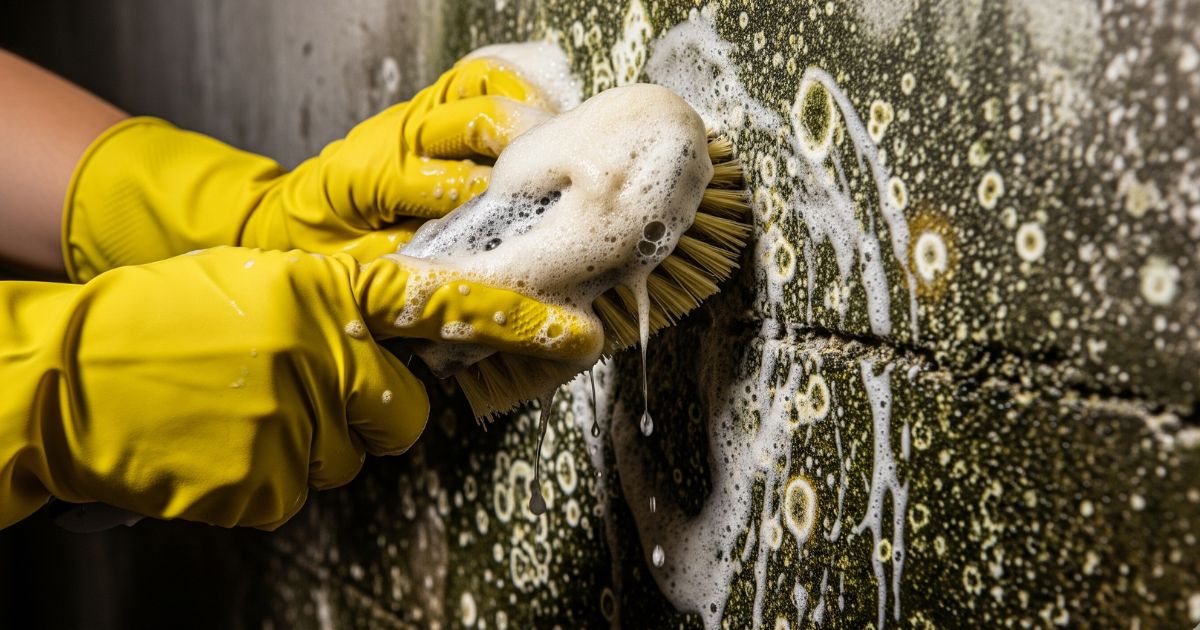
Once you discover mold in your basement, your first instinct may be to grab some cleaning supplies and try to wipe it away. That reaction is natural, but it is important to understand both the opportunities and the risks of doing so yourself. While DIY basement mold removal can sometimes be effective for small, manageable infestations, it is not always the safest or most complete solution. In this section, we will explore the tools, steps, and limitations involved, so you can make an informed decision.
When DIY Mold Removal May Be Reasonable
Not every mold situation requires professional intervention. In certain cases, you may be able to handle it yourself:
- Small Patches: If the mold covers less than 10 square feet (roughly a 3 ft. by 3 ft. area), DIY cleaning can often be attempted safely.
- Non-toxic Mold Types: White mold and mildew are typically less harmful than black mold, though they still require caution.
- Surface-Level Growth: Mold that has not penetrated deeply into walls, flooring, or HVAC systems may be easier to clean on your own.
- Accessible Areas: If mold is visible on basement walls, windowsills, or furniture and not hidden inside insulation or ductwork.
For these limited cases, DIY can be a short-term solution, provided you use proper methods and protective gear.
Essential Safety Precautions for DIY Basement Mold Removal
Mold spores are invisible and can easily spread during cleaning. That means safety is not optional, it is essential. Before you attempt to remove mold from a basement, make sure you are prepared with the following precautions:
Protective Clothing
-
- Long sleeves and pants that can be washed in hot water afterward
- Disposable gloves to avoid skin contact
- Goggles to prevent eye irritation
Respiratory Protection
-
- At minimum, use an N95 respirator to prevent inhaling spores
- For heavier infestations, a half-face or full-face respirator with HEPA filters is strongly recommended
Containment Measures
-
- Seal off the work area with plastic sheeting to prevent spores from spreading to other parts of the house
- Keep doors closed and limit foot traffic during cleaning
Ventilation Control
-
- Use a HEPA air purifier or set up fans that vent air outside the house
- Avoid running central HVAC systems during cleaning, as they can spread spores
Disposal Procedures
-
- Double-bag contaminated materials (carpets, drywall, insulation) before carrying them through the house
- Dispose of them in outdoor garbage immediately
These precautions may seem excessive for a small patch of mold, but they are critical to reducing risks to both health and home.
Common DIY Methods for Basement Mold Removal
There are various cleaning solutions homeowners use when addressing mold. Each has pros and cons depending on the situation:
Soap and Water
-
- Effective for mild surface mold or mildew on non-porous materials
- Often the first line of defense before stronger chemicals are considered
Vinegar
-
- A natural and inexpensive option
- Can kill many mold species and is safer than bleach for porous materials like wood
- Leaves a mild odor but typically dissipates
Hydrogen Peroxide
-
- Useful for disinfecting surfaces and killing mold spores
- Works on hard, non-porous materials
- Should not be mixed with vinegar or bleach
Baking Soda
-
- Often used in combination with vinegar or water
- Helps absorb moisture and deodorize musty smells
Bleach
-
- Popular but controversial option
- Kills surface mold on hard, non-porous materials, but does not penetrate porous surfaces like wood or drywall
- Can leave spores intact beneath the surface, leading to regrowth
Commercial Mold Removal Products
-
- Available at most home improvement stores
- Some include antimicrobial agents that provide temporary mold control
- Results vary depending on product quality
Step-by-Step DIY Basement Mold Cleaning Process
If you decide to try DIY, here is a general sequence to follow:
Identify the Source of Moisture
-
- Mold will return unless you address leaks, humidity, or drainage issues first.
Prepare the Area
-
- Put on protective gear and seal off the basement space.
- Remove items like furniture, rugs, or cardboard boxes that are heavily contaminated.
Scrub the Moldy Area
-
- Apply your chosen cleaning solution (vinegar, peroxide, or commercial product).
- Use a scrub brush or sponge to loosen mold from the surface.
- Wipe clean with disposable cloths.
Rinse and Dry Thoroughly
-
- After cleaning, rinse the surface with clean water.
- Dry immediately using fans or a dehumidifier to prevent moisture from returning.
Dispose of Contaminated Materials
-
- Place used cloths, sponges, and gloves in sealed bags before disposal.
Monitor the Area
-
- Continue running a dehumidifier for several days.
- Re-inspect regularly to ensure mold does not reappear.
Typical Costs of DIY Basement Mold Removal
One reason many homeowners attempt DIY is to save money. Here is a rough breakdown of what you might spend:
- Cleaning supplies (vinegar, peroxide, or store-bought cleaners): $10–$40
- Protective gear (respirator, gloves, goggles, disposable coveralls): $50–$150
- Dehumidifier rental or purchase: $40–$300
- HEPA air purifier (optional but recommended): $100–$400
In total, DIY supplies may cost between $100 and $500, depending on what you already own. By comparison, professional basement mold remediation typically starts at several hundred dollars and can reach thousands.
Risks and Limitations of DIY Mold Removal
While DIY can save money, it comes with serious limitations:
- Incomplete Removal: Mold often grows inside walls, under floors, and in HVAC systems, places you cannot easily reach.
- Health Risks: Disturbing mold without full containment can release spores, causing allergic reactions or respiratory issues.
- Regrowth: If moisture is not eliminated, mold will likely return within weeks.
- Black Mold: Trying to remove black mold in basements without professional help is risky and not recommended.
A small mistake during cleaning, such as spreading spores through your HVAC, can turn a small problem into a whole-house issue.
Related Article : Why Hiring a Mold Removal Company is Smarter Than DIY Experiments
When DIY Basement Mold Removal Is Not Enough
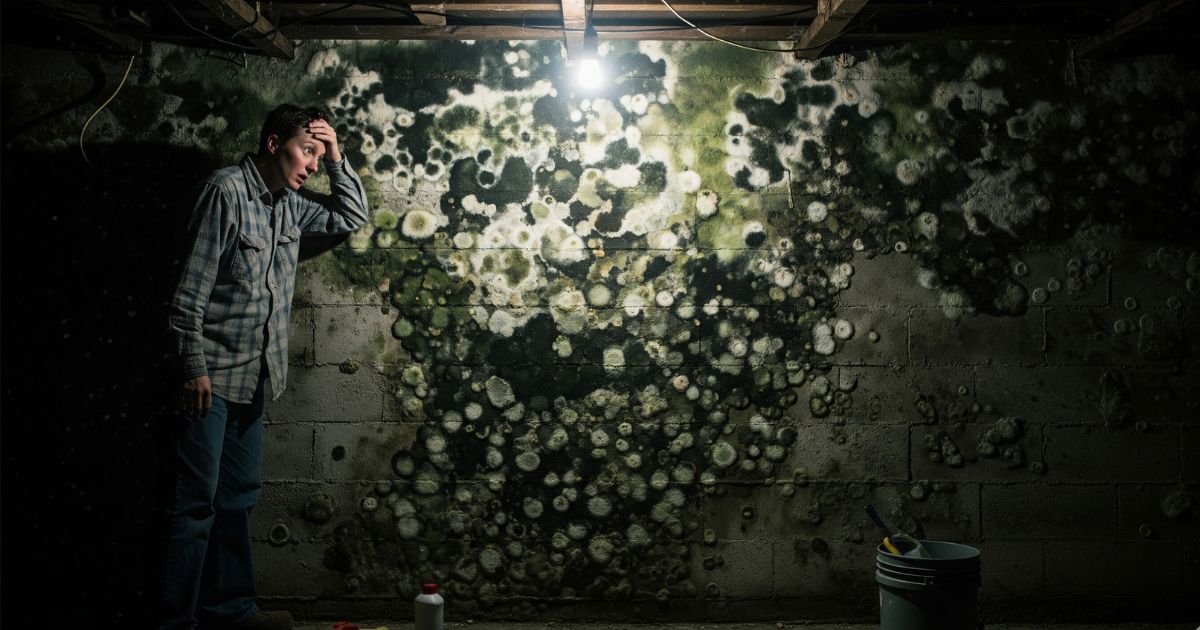
Homeowners are often eager to try cleaning a moldy basement themselves. While this makes sense for small patches, there are clear limits to what you can achieve on your own. Mold is not just a surface-level nuisance; it is an organism that spreads, grows, and hides in unexpected places. At some point, DIY mold removal from basements becomes unsafe, ineffective, or both. Understanding these limits is critical to protecting your home and your health.
Signs That DIY Is Not Working
You may start a cleaning project with good intentions but discover quickly that the problem is larger than expected. Here are key warning signs that DIY mold removal is not enough:
The Mold Keeps Coming Back
-
- You scrubbed and cleaned, but within days or weeks, the mold reappeared in the same area.
- This suggests an unresolved moisture problem or hidden mold colonies behind walls.
The Affected Area Is Large
-
- The Environmental Protection Agency (EPA) advises that infestations larger than 10 square feet should be handled by professionals.
- If your moldy basement walls, ceilings, or floors show patches wider than a few feet, DIY is not safe.
Strong Musty Odors Linger
-
- Even after cleaning, the basement smells damp and unpleasant.
- This usually means spores remain active in areas you could not reach.
Mold in Hidden or Hard-to-Reach Places
-
- Mold growing behind drywall, under carpets, or inside HVAC ducts cannot be fully treated with home cleaning products.
Black Mold or Toxic Mold Suspected
-
- If you notice slimy, dark green or black mold, you may be dealing with Stachybotrys chartarum.
- Attempting to clean this yourself can release harmful mycotoxins into the air.
You or Family Members Feel Sick
-
- Coughing, sneezing, headaches, or unexplained fatigue while spending time in the house are red flags.
- In these cases, delaying professional basement mold remediation risks worsening health effects.
Health Risks of Incomplete or Improper Mold Removal
Improper mold cleaning does more than waste time; it can endanger health. Mold spores are microscopic and travel easily through the air. Once disturbed, they can spread far beyond the basement. Here is what can happen if mold in basements is not addressed thoroughly:
- Respiratory Irritation: Spores can irritate the nose, throat, and lungs, especially in children and older adults.
- Allergic Reactions: Sneezing, itchy eyes, rashes, and sinus issues are common in homes with lingering mold.
- Asthma Triggers: For individuals with asthma, basement mold is a major trigger that can cause flare-ups.
- Toxic Exposure: Black mold is known for producing mycotoxins that can contribute to neurological symptoms, fatigue, and long-term health problems.
Many homeowners underestimate these risks. What feels like a harmless cleaning project can quickly turn into a health hazard if mold is disturbed without proper containment.
Structural and Systemic Risks of Unresolved Mold
The consequences of incomplete removal go beyond health:
- Damage to Building Materials: Mold weakens drywall, wood beams, and insulation, leading to costly repairs.
- Compromised HVAC Systems: Once spores reach ductwork or air handlers, every room in your home may be affected.
- Foundation Issues: Persistent moisture can cause cracks and leaks in basement foundations, creating long-term vulnerabilities.
- Lowered Property Value: A home inspection that detects a basement with mold can reduce your home’s resale value dramatically.
The hidden costs of ignoring mold often outweigh the upfront cost of professional basement mold treatment.
Realistic Scenarios Where DIY Fails
To put this into perspective, let’s look at some common real-world situations:
- Case 1: The Returning White Mold
A homeowner cleans visible white mold in the basement using vinegar. Within a month, the same spots reappear because humidity was never addressed. Without a dehumidifier and proper waterproofing, cleaning efforts remain temporary. - Case 2: The Black Mold Disaster
A family notices black mold in their basement and tries using bleach. During scrubbing, spores spread through the HVAC system. Within weeks, the upstairs bedrooms develop musty odors and the family begins experiencing allergies. Eventually, professionals are called, but the cost is now double due to whole-house contamination. - Case 3: The Hidden Mold Behind Drywall
After a small leak, stains appear on a basement wall. The homeowner paints over the area after a quick cleaning. A year later, the wall is soft and collapsing. When inspected, the inside cavity is filled with mold colonies, requiring major demolition and structural repair.
These examples highlight why mold mitigation in basements requires more than surface cleaning.
When to Call Professionals Immediately
If you recognize any of the following, skip DIY and contact a professional mold remediation service:
- Mold covering more than 10 square feet
- Strong, persistent musty odors even after cleaning
- Visible signs of black mold in basements
- Mold spreading into HVAC or crawl spaces
- Health symptoms that appear linked to time spent in the home
- Recurring water leaks or flooding issues
In such cases, professional basement mold remediation ensures that removal is complete, safe, and long-lasting.
Related Article : Top 5 Signs Your Hartford County Home Needs Professional Mold Remediation
Professional Basement Mold Removal and Mitigation
When homeowners realize that DIY is not enough, the next step is turning to professionals who specialize in basement mold remediation. Unlike a quick scrub with household cleaners, professional services involve detailed inspections, advanced tools, and proven treatments that ensure mold is removed safely and thoroughly. Understanding what these experts do, how much it costs in 2025, and why it may be the best option will help you make an informed decision.

What Professional Mold Mitigation and Remediation Involve
Professional services go far beyond surface cleaning. The process usually includes several steps:
Comprehensive Inspection and Testing
-
- Professionals assess the basement visually and may use moisture meters, thermal imaging cameras, or air quality tests to detect hidden mold.
- This helps identify not only where mold is visible, but also where it may be spreading unseen.
Containment of the Work Area
-
- The basement is sealed off with plastic barriers and negative air pressure machines.
- This prevents spores from escaping into other parts of the house during removal.
Use of HEPA Filtration
-
- Air scrubbers and HEPA vacuums capture airborne spores.
- This step reduces the risk of mold spreading while work is underway.
Removal of Contaminated Materials
-
- Severely affected drywall, insulation, or carpets are carefully removed and double-bagged for safe disposal.
- This prevents spores from traveling through the house.
Surface Cleaning and Antimicrobial Treatment
-
- Surfaces are scrubbed with professional-grade cleaners, fungicides, or EPA-approved antimicrobials.
- This step ensures colonies are destroyed and surfaces are sanitized.
Drying and Dehumidification
-
- Industrial dehumidifiers and air movers are used to dry the basement completely.
- Addressing moisture is key to long-term basement mold control.
Restoration and Prevention
-
- Some companies also repair or replace damaged materials.
- Preventative measures, such as installing vapor barriers or improving ventilation, may be recommended.
The goal is not just to remove mold, but to make sure it does not come back.
Typical Basement Mold Removal Pricing and Cost Factors in 2025
The cost of professional basement mold treatment varies widely, depending on several factors:
Size of the Infestation
-
- Small jobs may cost $500–$1,500.
- Large-scale remediation covering walls, flooring, and HVAC systems can range from $3,000 to $10,000 or more.
Type of Mold
-
- Treating common mildew or white mold in basements is usually less costly than handling black mold, which requires stricter safety protocols.
Location and Accessibility
-
- Mold behind walls or under flooring increases labor costs.
- Crawl spaces and foundation cracks may require additional containment.
Extent of Damage
-
- If structural repairs, drywall replacement, or carpet removal are necessary, costs rise.
Moisture Source
-
- If the mold is linked to plumbing leaks, flooding, or foundation issues, fixing these problems adds to overall expenses.
In 2025, average homeowners spend between $2,500 and $6,000 on professional basement mold remediation, though costs can be much lower or higher depending on circumstances.
Benefits of Professional Basement Mold Treatment
While the cost may seem high compared to DIY, the advantages of hiring professionals are significant:
Safety
-
- Experts use advanced protective gear and equipment to avoid spreading spores.
- This reduces risks to your family’s health.
Thoroughness
-
- Professionals remove both visible and hidden mold.
- This prevents recurring infestations that often frustrate DIY homeowners.
Prevention of Recurrence
-
- Experts identify and solve the root moisture issues.
- Long-term basement mold control strategies save money in the future.
Time Savings
-
- What could take you weeks of cleaning and worry can be completed in a few days.
Improved Property Value
-
- A mold-free basement reassures buyers and passes inspections.
- Professional documentation of remediation can be presented during a sale.
Peace of Mind
-
- Perhaps most importantly, hiring professionals gives you confidence that the job is done right the first time.
When Professional Mold Mitigation Is Essential
There are certain scenarios where calling professionals is not just recommended, but essential:
- Mold covers an area larger than 10 square feet
- Black mold in basements is suspected
- Mold is growing in HVAC systems or ductwork
- Family members are experiencing health issues
- Repeated DIY attempts have failed
- Mold is spreading quickly due to flooding or severe leaks
In these cases, delaying professional basement mold remediation only increases risks and costs.
Related Article : Effective Mold Remediation Solutions for Hartford County Homes: Why Professional Services are Essential
Emerging Technologies and Trends in Basement Mold Treatment
The world of basement mold remediation is changing rapidly. New technologies are making it easier to detect hidden infestations, remove mold safely, and prevent future growth. For homeowners, this means treatments are becoming more effective, faster, and in some cases, more affordable. Below are some of the most important innovations shaping basement mold control in 2025.

Advanced Mold Detection Tools
Thermal Imaging Cameras
-
- Detect temperature variations behind walls and under floors where moisture accumulates.
- Allows professionals to identify problem areas without tearing into drywall.
Smart Moisture Sensors
-
- Compact devices that monitor humidity and moisture in real time.
- Many now connect to mobile apps, alerting you instantly if your basement conditions encourage mold growth.
Airborne Spore Detection Systems
-
- Portable devices can measure the concentration of mold spores in the air.
- Useful for early detection before visible colonies appear.
Eco-Friendly Mold Removal Solutions
Environmental safety is becoming a major trend in mold mitigation. Instead of harsh chemicals, many companies now use:
- Plant-Based Antimicrobials – Natural agents derived from essential oils, safe for children and pets.
- Enzyme-Based Cleaners – Break down mold colonies without releasing toxins.
- UV-C Light Treatments – Ultraviolet light destroys mold spores on surfaces without chemicals.
These eco-friendly options not only clean effectively but also align with the growing demand for sustainable living.
HEPA and Negative Air Innovations
HEPA filtration has long been the standard, but in 2025:
- More Powerful HEPA Scrubbers – Designed for larger basements with heavy infestations.
- Smart Air Machines – Some units now adjust automatically based on spore levels in the air.
- Whisper-Quiet Designs – Allow for remediation work with less noise disruption at home.
These improvements make air quality restoration faster and more comfortable.
Robotics and Automation in Mold Removal
A surprising trend in 2025 is the use of robotic systems:
- Remote-Controlled Crawl Space Robots – Reach tight areas where humans cannot safely enter.
- Automated Sprayers – Evenly apply antimicrobial treatments across walls and ceilings.
- Inspection Drones – Used in larger basements or commercial spaces to map out mold growth efficiently.
While still emerging, robotics reduce labor time and improve precision.
Preventative Basement Systems
Beyond cleanup, prevention technology has advanced:
Smart Dehumidifiers
-
- Adjust moisture control automatically depending on weather and indoor humidity.
- Many models can be monitored through smartphone apps.
Waterproofing Innovations
-
- New vapor barriers and sealants last longer and resist cracking.
- Spray-on sealants are faster to install than traditional sheets.
Air Purification Systems
-
- Whole-home air systems now include basement-specific filters targeting mold spores.
- Helps ensure cleaner indoor air throughout the house.
Trends in Professional Mold Remediation Services
Homeowners will notice several service-related trends in 2025:
- Faster Turnaround Times – Thanks to better equipment, most jobs now take days instead of weeks.
- Transparent Pricing – More companies offer upfront cost estimates with digital breakdowns.
- Digital Documentation – After remediation, many firms provide digital reports including before-and-after images, lab results, and warranties.
- Subscription Maintenance Plans – Some companies now offer ongoing inspections and preventative treatments for an annual fee.
Why These Innovations Matter for Homeowners
The key benefit of these new technologies is confidence. Homeowners no longer need to wonder if mold will come back. With smarter detection, eco-friendly removal, and preventative systems, basements can stay drier, safer, and healthier than ever before.
While not every home requires cutting-edge robotics or smart sensors, even basic improvements, like updated dehumidifiers and non-toxic cleaners, make a big difference in daily life.
Related Article : Emerging Technologies in Mold Remediation in Hartford County (2025)
Basement Mold Control and Prevention Tips for Homeowners
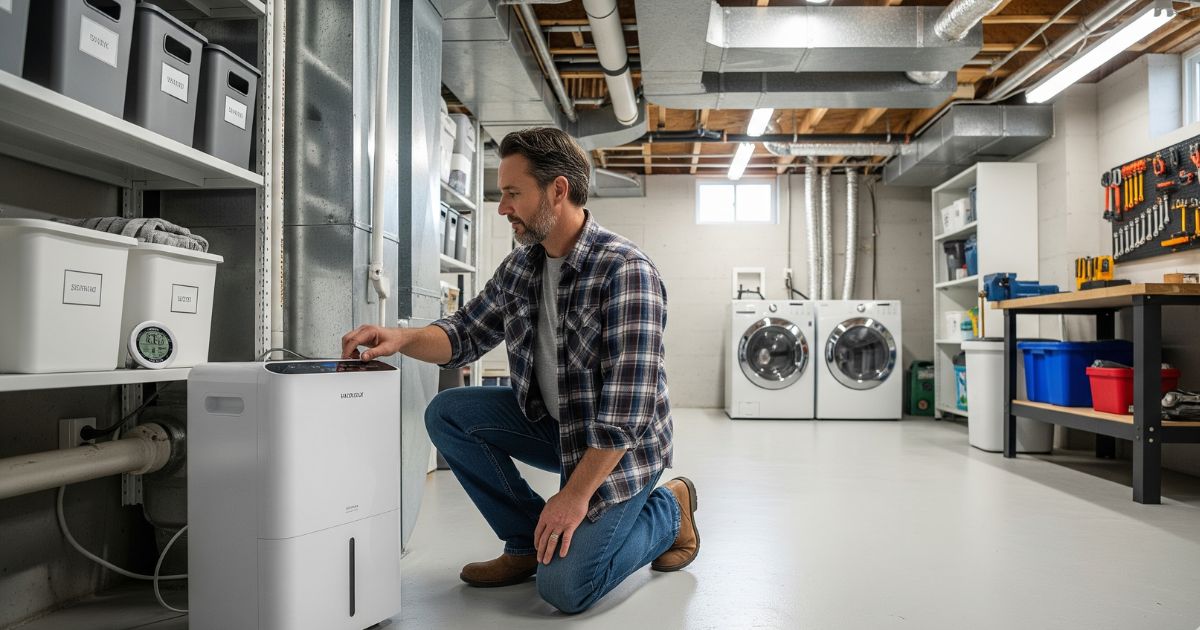
Addressing mold in basement spaces is not just about cleaning up what you see, it is about making sure it does not return. Even after basement mold removal, spores can regrow if the environment remains damp or poorly ventilated. That is why prevention plays such a critical role in protecting your home and health.
Below are effective steps you can take to reduce the risk of mold in your basement.
Control Humidity Year-Round
Mold thrives in damp environments, and basements are naturally prone to high humidity. To manage this:
- Use a Dehumidifier: Aim to keep humidity levels between 30% and 50%. Modern smart dehumidifiers can monitor conditions automatically.
- Ventilate Regularly: Open windows when weather permits, or use mechanical ventilation to circulate fresh air.
- Check Appliances: Clothes dryers, water heaters, and HVAC systems in basements should vent properly to the outside.
By maintaining dry air, you dramatically lower the chance of mold growth.
Seal and Waterproof the Basement
Water intrusion is one of the leading causes of mold in basements. To minimize risks:
- Inspect foundation walls for cracks and seal them with waterproofing compounds.
- Apply vapor barriers to basement walls and floors, especially in unfinished spaces.
- Consider professional waterproofing for persistent moisture problems.
- Ensure gutters and downspouts direct rainwater at least 6–10 feet away from your home.
Keeping water out is one of the strongest defenses against recurring mold.
Improve Basement Ventilation
Poor air circulation can cause a moldy basement smell and encourage hidden growth. To fix this:
- Install vent fans or connect the basement to your home’s central HVAC system.
- Avoid blocking air vents with furniture or storage boxes.
- Circulate air with oscillating fans if your basement tends to feel stuffy.
Better airflow reduces stale, damp conditions that mold loves.
Inspect Regularly for Leaks and Moisture
Routine checks can prevent major infestations. Look for:
- Condensation on pipes or windows.
- Leaks around plumbing, especially near washing machines, water heaters, or sump pumps.
- Damp spots on walls, floors, or carpeting.
- Signs of white mold in basement corners or behind stored boxes.
Catching problems early makes basement mold treatment simpler and less costly.
Be Careful with Storage
Many homeowners unknowingly create mold risks by how they store items in the basement. To reduce this risk:
- Use plastic bins with lids instead of cardboard boxes, which attract moisture and mold.
- Keep storage items at least a few inches off the ground with shelving.
- Avoid stacking furniture or fabric directly against walls.
These small steps help prevent hidden moldy mildew patches from forming.
Use Mold-Resistant Materials
If you are renovating or finishing your basement, consider using materials designed for damp environments:
- Mold-resistant drywall and insulation.
- Flooring options like vinyl, tile, or sealed concrete instead of carpet.
- Paints with antimicrobial additives for walls and ceilings.
Investing in these materials during upgrades provides long-term basement mold control.
Maintain Proper Drainage and Sump Pumps
Basements often flood during heavy rains, creating perfect conditions for black mold in basements. Protect your home by:
- Checking that your sump pump works and has a backup battery.
- Cleaning the pump pit regularly to avoid clogs.
- Ensuring yard grading slopes away from the foundation.
Even with professional basement mold remediation, poor drainage can undo all the progress.
Regular Cleaning and Monitoring
Routine maintenance is one of the simplest yet most effective ways to keep a basement mold-free.
- Wipe down windows, pipes, and walls to prevent condensation buildup.
- Vacuum with a HEPA filter to capture spores before they spread.
- Use mold-preventing sprays in areas prone to dampness.
- Schedule annual inspections if your basement has a history of flooding or leaks.
Consistent monitoring ensures that small problems never become full infestations.
When to Call in Professionals for Prevention
While DIY steps work well, some situations call for professional help:
- Persistent musty odors even after cleaning.
- Recurrent moisture problems despite dehumidifiers.
- Large-scale renovations where mold-resistant materials can be installed.
- Preventative maintenance packages offered by mold remediation companies.
A professional can ensure long-term basement mold treatment is comprehensive and reliable.
Can Mold in Basement Affect Upstairs Living Areas
Many homeowners believe mold problems stay contained in the basement, but the truth is very different. Mold spores are microscopic, lightweight, and easily travel throughout the home. A basement with mold can quickly become a whole-house issue, affecting the air you breathe in bedrooms, living rooms, and even kitchens. Understanding how this happens is essential for protecting your family’s health and your home’s long-term value.
How Mold Spores Travel Upstairs
-
Air Circulation and HVAC Systems
When basements share ventilation with the rest of the house, spores from mold in basements can circulate through ducts and vents. Once airborne, they can settle in carpets, curtains, or furniture upstairs.
-
Natural Airflow
Warm air rises, carrying particles, including mold spores, from the lower levels of the home to higher levels. Even a small opening between the basement and the main floor allows this migration.
-
Human Activity
Each time you go into the basement, spores cling to clothing, shoes, or stored boxes. Carrying items upstairs unknowingly spreads mold to other rooms.
Impact on Indoor Air Quality
Poor air quality is one of the first indicators that basement mold removal may be overdue. Signs include:
- A persistent musty odor throughout the house, not just in the basement.
- Increased dust or a “heavy” feeling in the air.
- Difficulty keeping humidity at healthy levels despite ventilation.
If left untreated, indoor air pollution from mold spores can be as harmful as living near outdoor environmental pollutants.
Health Risks for Family Members
Can mold in basement affect upstairs living areas? Absolutely, and the health consequences can be serious. Even if mold is hidden in the basement, spores can:
- Trigger allergies such as sneezing, watery eyes, and runny noses.
- Aggravate asthma or cause wheezing in sensitive individuals.
- Lead to skin irritations or itchy rashes.
- Cause fatigue, headaches, and brain fog when exposure is prolonged.
- In the case of black mold in basement spaces, produce mycotoxins that may increase risks of respiratory infections.
Children, the elderly, and individuals with weakened immune systems are especially vulnerable.
Structural and Property Risks
The effects of a moldy basement are not limited to health. Spores that spread upstairs can also:
- Damage drywall, wallpaper, and ceiling paint.
- Create unpleasant odors in fabrics, carpets, and furniture.
- Lead to long-term property value decline if buyers discover a mold history.
- Increase HVAC maintenance costs as spores clog filters and ducts.
Ignoring mold in one part of the home can quickly escalate into widespread, expensive damage.
Warning Signs That Mold Has Spread Beyond the Basement
If you suspect your basement mold issue is affecting the rest of your home, look for:
- Musty odors in bedrooms or living rooms.
- Allergy symptoms that worsen indoors but improve outdoors.
- Discoloration on walls or ceilings above the basement.
- HVAC filters clogging faster than usual.
- Pets scratching more often or avoiding certain rooms.
These are red flags that mold removal from basement areas may not be enough, you may need a whole-house approach.
Protecting the Entire Home from Basement Mold
To keep mold from spreading beyond the basement:
- Seal Basement Doors and Vents – Reduce airflow between floors until remediation is complete.
- Use HEPA Air Purifiers Upstairs – Capture airborne spores that escape.
- Clean HVAC Ducts Regularly – Prevent spores from building up and circulating.
- Address Mold at the Source – Proper basement mold remediation is the only lasting solution.
Stopping spores at their origin ensures the rest of your home remains safe.
Related Article : Black mold vs mildew: What Connecticut Residents Should Know
Conclusion
Dealing with mold in basements is never pleasant, but it is an issue that cannot be ignored. Left untreated, mold spreads quickly, damages property, and threatens the health of everyone in your home. While many homeowners wonder if they can safely attempt basement mold removal themselves, the answer depends on the size, type, and severity of the infestation.
For small patches of mildew or white mold in basement corners, DIY methods using protective gear, HEPA vacuums, and mold-killing cleaners may be effective. However, for larger colonies, recurring moisture problems, or the presence of black mold in basements, professional basement mold remediation is the safest choice. Experts not only remove existing growth but also identify hidden moisture sources and apply long-term prevention strategies.
Emerging technologies in 2025, like smart sensors, eco-friendly cleaning solutions, and automated air systems, are making mold management more efficient than ever. Still, nothing replaces the importance of early action, regular inspections, and preventative maintenance.
Whether you choose to handle smaller tasks yourself or bring in specialists for complete mold mitigation basement services, the key is not to wait. Mold does not go away on its own, and every day of delay can increase costs and risks.
Your basement can either be a safe, dry, useful part of your home, or it can become a source of ongoing health and structural issues. The choice starts with timely action, proper prevention, and, when necessary, the help of trusted professionals.
Frequently Asked Questions
1. How to get rid of mold in the basement safely?
To safely address cleaning mold in basement areas, always wear protective gear such as gloves, goggles, and an N95 mask. Use HEPA vacuums, scrub affected surfaces with mold-killing cleaners, and run dehumidifiers to lower humidity. Limit DIY to small infestations, larger or toxic mold growth should be handled by professionals.
2. Is DIY mold removal effective for black mold in basements?
DIY methods are not recommended for black mold in basements. This type of mold can release mycotoxins harmful to health. Professional basement mold remediation is necessary to remove it safely and thoroughly, including spores that may be hidden behind walls or under flooring.
3. Can mold in basement affect upstairs air quality?
Yes. Mold spores are lightweight and easily travel through HVAC systems, natural airflow, or even on clothing. This means a moldy basement can impact indoor air quality in the entire home, leading to musty odors, allergy flare-ups, and respiratory issues.
4. What is the cost range for basement mold remediation in 2025?
The cost of mold removal from basement spaces depends on size, severity, and whether structural repairs are required. On average, homeowners can expect to pay between $1,500 and $6,000 in 2025. Small cleanups may cost less, while extensive infestations can exceed $10,000.
5. How to prevent mold return after cleanup?
Prevention is key to long-term basement mold control. Keep humidity levels below 50%, repair leaks promptly, improve ventilation, and use mold-resistant building materials where possible. Regular inspections and smart dehumidifiers can also help maintain a mold-free basement.