
Connecticut is known for its picturesque landscapes, colonial-era architecture, and vibrant seasons, but behind the beauty of this New England state lies a persistent problem for homeowners: moisture. Whether it comes from heavy summer humidity, winter snowmelt, or coastal storms that push water into basements, excess moisture is a recurring challenge. And where moisture lingers, mold and mildew follow.
Many Connecticut homeowners encounter discoloration on basement walls, musty smells in closets, or powdery growth on bathroom grout. The instinctive question arises: is it black mold or mildew That distinction is not trivial. Black mold can release toxins that harm human health and damage the structural integrity of homes, while mildew is usually a surface-level nuisance that can be cleaned more easily. Misidentifying the two can lead to either cause unnecessary concern or, worse, complacency when immediate action is required.
This blog will guide you through the full picture of black mold vs mildew, including the health risks, visual identification, removal options, and prevention strategies tailored for Connecticut’s climate. We will cover different kinds of mold such as green mold, white colored mold, brown mold, orange colored mold, and even rarer types like red mold. We will also explore what professional mold inspection CT, mold removal Hartford CT, and mold remediation Connecticut services involve.
By the end of this article, you will have the knowledge to recognize fungal growth in your home, understand its dangers, and make informed decisions about protecting your property and your family.
What is Mold?
Mold is a fungus composed of microscopic organisms that thrive in moist, warm, and organic-rich environments. Mold reproduces by releasing spores, which are so tiny they float through the air and settle on surfaces everywhere, both indoors and outdoors. All homes in Connecticut contain some level of mold spores, but they only become a problem when conditions allow colonies to grow.
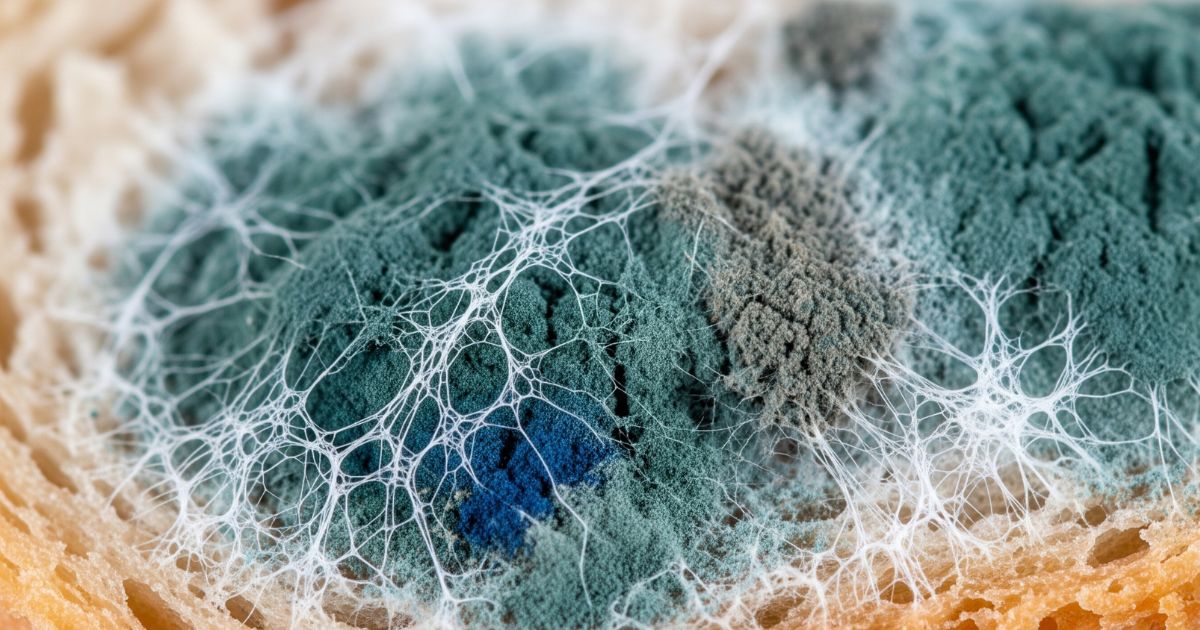
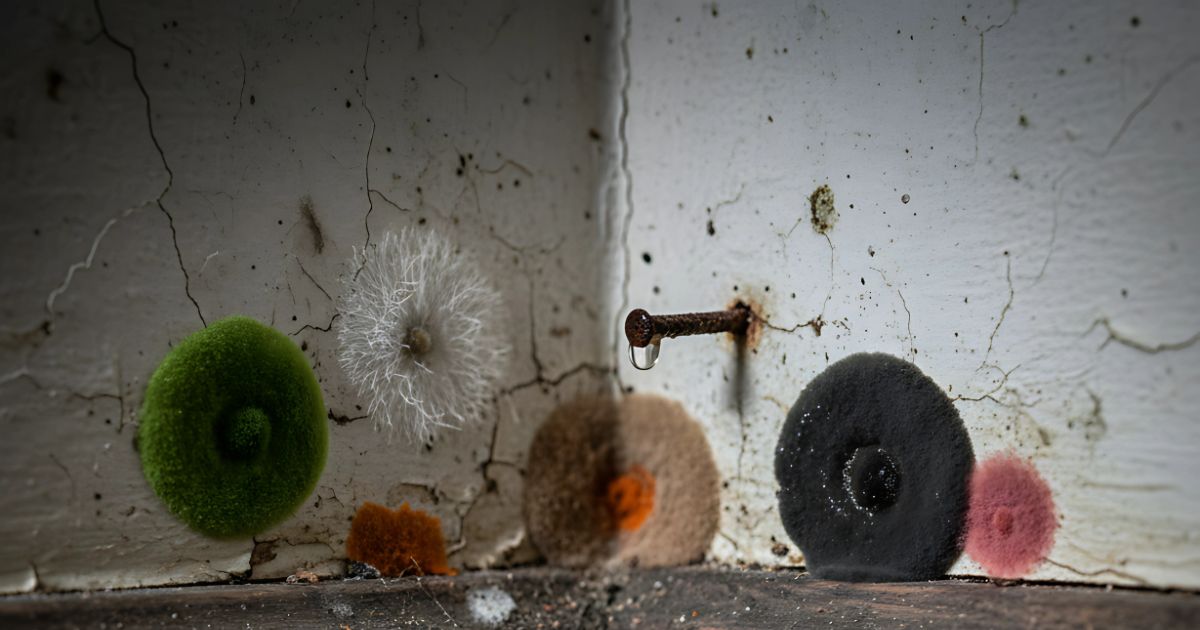
There are many kinds of mold, and their appearance varies by species. Some molds are fuzzy, others slimy. Colors range from green mold to white colored mold, brown mold, orange colored mold, and even near-black shades.
Mold often takes hold in:
- Basements with poor drainage.
- Bathrooms with inadequate ventilation.
- Kitchens where steam and spills are common.
- Attics with roof leaks.
- Behind drywall after plumbing leaks.
- Crawlspaces where soil moisture seeps upward.
What makes mold dangerous is that it does not just sit on the surface. Many species penetrate into materials like wood and drywall, feeding on cellulose and spreading invisibly behind walls or under floors.
What is Mildew?
Mildew is also a fungus, but it behaves differently. Instead of spreading deeply into materials, mildew grows flat on surfaces. It often appears as white, gray, or light yellow patches with a powdery or fluffy texture. Mildew thrives in bathrooms, laundry rooms, kitchens, and on fabrics.

Unlike black mold, mildew rarely penetrates surfaces. It is less harmful to health, though still irritating for people with allergies or asthma. The biggest problem with mildew is that it signals persistent moisture. Left unchecked, areas affected by mildew can become breeding grounds for more serious mold infestations.
Mold Remediation Process in Detail
When facing black mold, Connecticut homeowners need to know what professional remediation involves.
- Initial Inspection: Specialists use moisture meters and air testing to detect mold growth.
- Containment: Affected areas are sealed off with plastic barriers to prevent spores from spreading.
- Air Filtration: HEPA filters remove spores from the air.
- Removal of Contaminated Materials: Drywall, insulation, and carpeting with mold are safely disposed of.
- Cleaning and Disinfection: Surfaces are cleaned with antimicrobial solutions.
- Drying and Dehumidifying: Industrial dehumidifiers and fans ensure complete drying.
- Prevention Steps: The underlying moisture issue is fixed, whether that means repairing plumbing or improving ventilation.
Costs vary: a small bathroom remediation may cost $2,000, while extensive basement mold remediation Hartford CT may exceed $15,000.
Confusion between Mold and Mildew
Both mold and mildew need moisture to grow, and Connecticut provides plenty of it. Summer humidity, snowmelt seeping into basements, and frequent rainstorms create ideal conditions. At first glance, both can look similar: dark patches on walls, musty odors, or spots on bathroom tiles.
The confusion comes down to appearance and experience. Mildew tends to be powdery, but if it darkens it can resemble early stages of black mold. Conversely, some black molds may appear less slimy and more subtle, tricking homeowners into thinking they are dealing with harmless mildew.
This misidentification is costly. Believing you have mildew when it is actually black mold could delay professional mold remediation CT, leading to health hazards and escalating costs. On the other hand, mistaking mildew for toxic black mold may lead to unnecessary panic.
Identifying Mold Types
Black Mold
Black mold appears as dark greenish-black patches, often slimy or wet. The odor is strong and musty, and the mold often grows in basements, drywall, insulation, and HVAC ducts.
Note: This is one of the most hazardous molds and should be handled immediately by professionals.
Green Mold
Green mold ranges from light to dark shades. It is often fuzzy and velvety. Found in kitchens, bathrooms, and on food, green mold is moderately risky. It can worsen asthma and cause allergies but is not as toxic as black mold.
Tip: Frequent cleaning and good ventilation can greatly reduce green mold growth indoors.
White Colored Mold
White colored mold often looks like flour or a cotton-like layer. It is powdery or soft and has little odor. It thrives on wood, fabrics, and basement walls. Many Connecticut homeowners mistake it for efflorescence, a harmless salt deposit.
Reminder: A moisture test can help confirm if it’s mold or harmless buildup.
Brown Mold
Brown mold appears muddy or tan. Its texture can be crumbly or velvety. Brown mold smells musty and often grows on drywall, wooden framing, and floors.
Tip: Left untreated, brown mold can weaken wood and building materials over time.
Orange Colored Mold
Orange colored mold is bright and slimy. It appears near plumbing leaks, in kitchens, and bathrooms. It is rarely toxic but indicates moisture issues.
Note: Addressing the leak or moisture source is just as important as removing the mold.
Red Mold
Red mold is often a form of bacteria rather than true mold, showing up as pink or reddish slime in bathrooms and kitchens. While generally less harmful, it should still be cleaned promptly.
Tip: Regular bathroom cleaning helps keep red mold and bacteria from returning.
Mildew
Mildew is white, gray, or yellow in color and flat with a powdery surface. It grows on tiles, fabrics, and paper, producing a lighter musty smell compared to mold.
Note: Unlike deeper molds, mildew is usually surface-level and can often be wiped away easily.
Core Comparisons for Connecticut Residents
The key to understanding mold vs mildew lies in clear comparisons. Each type looks and behaves differently, and for Connecticut homeowners, knowing the distinctions can save money and protect health.
Tip: Early identification and quick action are the best ways to prevent costly damage and health risks.
Black Mold vs Mildew
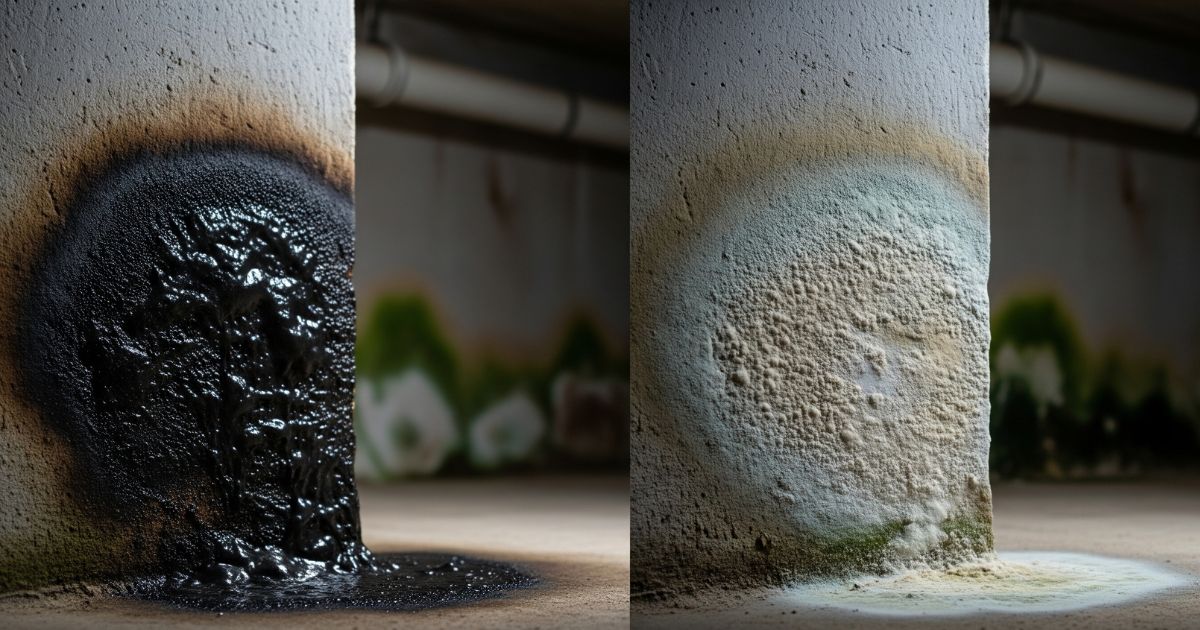
Black mold is invasive, slimy, dark, and toxic. It penetrates surfaces such as drywall, insulation, and wood, spreading musty odors throughout a room. Mildew, in contrast, is surface-level, flat, and powdery, usually appearing in white or gray patches that wipe away easily.
Health risks differ significantly. Black mold exposure can cause severe respiratory illness, chronic fatigue, neurological problems, and rashes. Mildew may irritate allergies or asthma but rarely leads to severe health issues. For a Connecticut homeowner, mistaking black mold for mildew could delay critical action and escalate into a household crisis.
Black Mold vs Mold
Black mold refers specifically to Stachybotrys chartarum, a highly toxic species. Mold in general covers many types, including green, white, brown, orange, and red molds. While all molds damage property and affect health, black mold is considered the most dangerous.
In Connecticut, damp basements are especially prone to multiple mold types. Ignoring any mold growth can result in structural damage and long-term health risks. Treat every mold type seriously, but treat black mold as an emergency requiring immediate remediation.
Mold vs Black Mold
Mold is a broad term for many species that can trigger allergies, respiratory issues, and property damage. Black mold, however, stands apart because it penetrates deep into surfaces and produces toxins that make it especially harmful.
For homeowners, the urgency is the key difference. Mold of any type should be removed quickly, but black mold requires professional remediation without delay to protect both health and property.
Black Mildew vs Black Mold
Black mildew is a surface-level growth that may appear dark and powdery. It typically develops in bathrooms or damp areas but remains on the surface and wipes away more easily. Black mold, in contrast, is slimy, invasive, and capable of spreading deep into drywall, insulation, and wood.
The health impact sets them apart. Black mildew may trigger mild irritation, while black mold releases dangerous toxins that can cause severe respiratory illness. For homeowners, assuming a dark patch is mildew when it is black mold could mean overlooking a serious problem.
Black Mold vs Regular Mold
Regular molds — such as green, brown, or white — may look fuzzy or crumbly and often cause allergic reactions or structural issues. Black mold, however, is slimy, dark, and known for producing dangerous mycotoxins.
The risk level is what makes black mold stand out. While all molds should be treated promptly, black mold requires urgent professional remediation due to the elevated health hazards it poses.
Green Mold vs Black Mold
Green mold is commonly fuzzy or velvety, appearing in kitchens, bathrooms, and damp corners of a home. It can worsen allergies and asthma but is generally less toxic. Black mold, however, is darker, slimier, and more destructive, often spreading in basements and behind walls.
The health difference is critical. Green mold is a problem, but black mold is far more toxic and invasive. Both need removal, but black mold should be treated as a top priority.
White Mold vs Black Mold
White mold appears powdery or dust-like, sometimes confused with efflorescence, a harmless salt deposit. It often grows in basements, on wood, or on fabrics and may not immediately look threatening. Black mold, however, is slimy, dark, and clearly hazardous.
For homeowners, the risk is in misidentification. White mold can still cause allergies and damage, but black mold is far more toxic. Professional testing is often the only reliable way to know which one you’re dealing with.
Brown Mold vs Black Mold
Brown mold tends to look muddy, crumbly, or velvety, often spreading across drywall, flooring, or wooden beams. Black mold, by contrast, is darker, shinier, and slimy in appearance.
The health risks differ as well. Brown mold can weaken structures and trigger allergies, but black mold poses more severe health concerns due to its toxin production. Both require action, but black mold demands immediate attention.
Orange Mold vs Black Mold
Orange mold is brightly colored and slimy, usually showing up in bathrooms or kitchens near plumbing leaks. While it looks unpleasant, it is not usually toxic, though it indicates moisture problems. Black mold, however, thrives in similar spaces but produces dangerous toxins and spreads more aggressively.
The comparison is clear: orange mold is unsightly and signals water damage, while black mold is toxic and hazardous. If both appear in the same home, black mold is always the greater concern.
Toxic Black Mold vs Mildew
Toxic black mold produces harmful mycotoxins that can cause headaches, lung problems, and serious illness. Mildew, by comparison, is surface-level and far less threatening, though it can trigger mild irritation.
The severity of the health risks is what separates them. Toxic black mold requires professional remediation to protect your home and health, while mildew is usually manageable with regular cleaning.
Toxic vs Non-Toxic Black Mold
Not every dark mold is toxic. Some species look similar to Stachybotrys chartarum but don’t release dangerous mycotoxins. Visual identification alone isn’t reliable, since both toxic and non-toxic types appear dark and slimy.
For Connecticut homeowners, testing is the only way to know the difference. Professional inspection ensures you address a potential hazard correctly instead of assuming it’s safe.
Red Mold vs Black Mold
Red mold, often bacterial, appears pinkish or reddish and slimy, commonly found in bathrooms or kitchens. Black mold, on the other hand, is a fungal growth that penetrates deep into surfaces and spreads aggressively.
In terms of risk, red mold is far less harmful, though it should still be cleaned promptly. Black mold, however, releases toxins that can seriously affect health, making it the more dangerous of the two.
Black Mold vs Mildew on Wood
Mildew on wood generally remains on the surface and can be wiped away with cleaning. Black mold, however, penetrates deep into the wood fibers, feeding on cellulose and weakening the structural integrity of beams and framing.
This difference is critical in Connecticut homes with wooden construction. Mildew is a cosmetic issue, but black mold can compromise the safety and strength of the house.
Black Mold vs Dust
Dust collects on surfaces, wipes away cleanly, and leaves no odor or stain. Black mold smears when touched, gives off a musty smell, and often stains the surface beneath it.
For homeowners, this comparison is key. Mistaking black mold for dust could mean ignoring a dangerous infestation until it spreads widely.
Surface Mold vs Hidden Mold
Surface mold is visible and easier to clean, often forming on walls, ceilings, or tiles. Hidden mold, by contrast, grows behind drywall, under flooring, or inside insulation, spreading unnoticed.
The problem is scale. Surface mold is usually localized, but hidden mold can cause extensive damage and health problems before being discovered. Older Connecticut homes are especially vulnerable to hidden infestations.
Active Mold vs Dormant Mold
Active mold is wet, spreading, and producing spores, typically found in humid or water-damaged areas. Dormant mold has dried out but remains alive, waiting for moisture to return.
The danger lies in reactivation. Dormant mold spores can quickly become active again when exposed to moisture. Both active and dormant molds need removal to prevent future outbreaks.
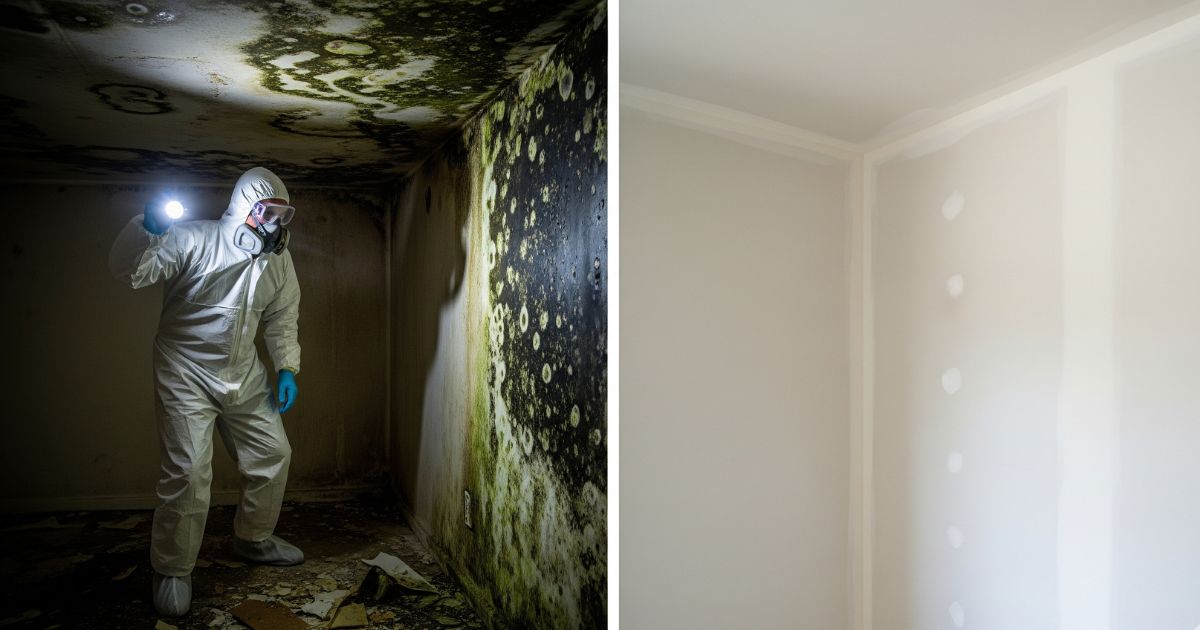
Mold Inspection and Remediation
Mold inspection involves thorough assessment of affected areas, including air quality testing. Remediation includes removing mold, cleaning contaminated surfaces, and addressing the source of moisture to prevent recurrence.
Mold Inspection CT
Professional mold inspection CT involves trained specialists using air sampling, surface swabs, and moisture detection tools. Average costs range from $300 to $600. Inspections are crucial in Connecticut, where older homes may hide mold behind plaster walls or in crawlspaces.
Mold Removal CT
Mold removal CT can be attempted by homeowners for very small mildew patches. Natural cleaners like vinegar or baking soda are effective. For larger mold infestations, especially black mold, DIY attempts spread spores and increase risk.
Mold Remediation CT
Mold remediation CT is the complete professional process:
- Isolating the area.
- Filtering air with HEPA systems.
- Removing contaminated materials.
- Cleaning and disinfecting.
- Correcting the moisture problem.
In Hartford, costs typically range from $10 to $30 per square foot depending on the size and severity of the infestation
Preventing Mold and Mildew
Preventing mold and mildew starts with controlling indoor conditions that allow them to grow. Mold thrives in damp, humid, and poorly ventilated spaces. By managing humidity, ensuring proper airflow, cleaning regularly, and fixing water issues promptly, homeowners can stop mold before it becomes a costly and unhealthy problem.
Humidity Control
Keeping indoor humidity below 50 percent is one of the most effective ways to prevent mold. Use dehumidifiers in basements, crawlspaces, or other damp areas to keep moisture under control. Exhaust fans in bathrooms and kitchens remove steam and condensation before it settles on walls or ceilings.
Consistently monitoring humidity levels makes a big difference. Even simple steps like running a ceiling fan, opening windows, or using an air conditioner in the summer can help keep indoor air dry and healthy.
Basement and Attic Waterproofing
Basements and attics are the most common mold trouble spots. Seal foundation cracks to prevent water seepage, and install sump pumps or drainage systems to redirect water away from your home. In the attic, proper ventilation and insulation are essential to prevent condensation from forming on wood and insulation.
Moisture in these spaces often goes unnoticed until mold has already spread. Waterproofing is not only about protection — it’s an investment in keeping your home’s structure strong and mold-free.
Routine Inspections
Moisture often enters the home after heavy rain, snowmelt, or flooding. Regularly checking basements, attics, and crawlspaces after these events helps you catch small leaks or damp spots before they become mold colonies.
Professional inspections should also be scheduled every year or two, especially in older Connecticut homes. Experts can identify hidden moisture problems behind walls or under flooring that homeowners may miss.
Cleaning Practices
Regular cleaning keeps mold spores from taking hold. Wipe down bathroom tiles, shower curtains, and kitchen surfaces where moisture collects. Avoid installing carpet in damp basements, since fabric traps moisture and becomes a breeding ground for mold.
Using mold-resistant paints and building materials can also provide long-term protection. Above all, address leaks immediately — even a small drip under a sink can fuel mold growth if ignored.
The Science Behind Mold and Mildew
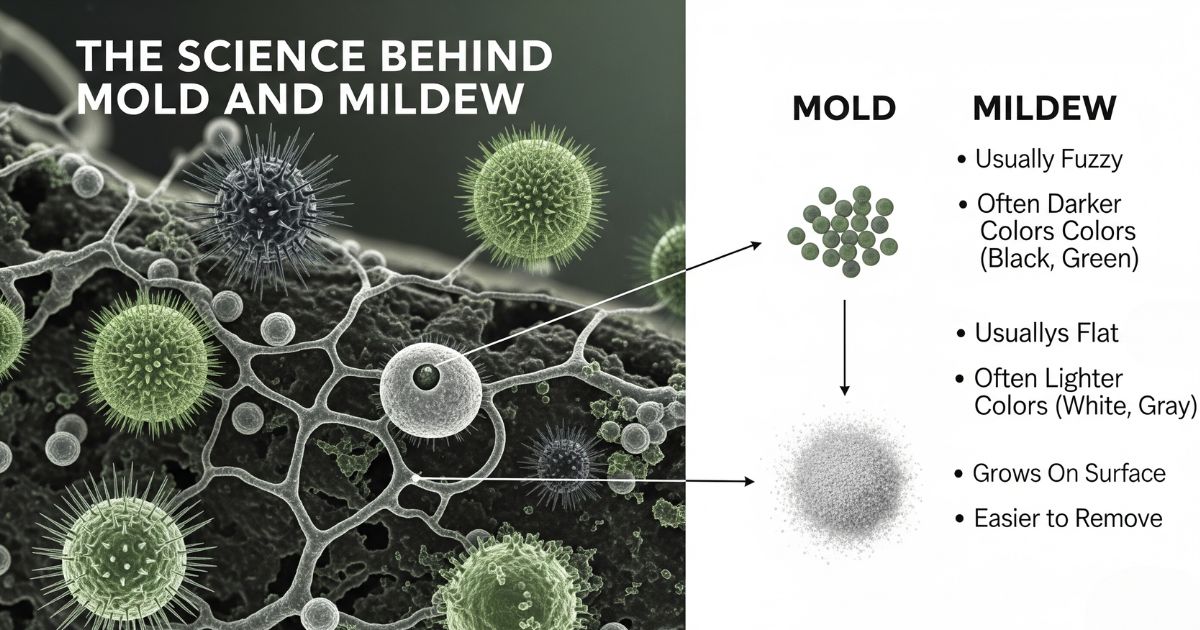
To fully grasp the importance of distinguishing black mold vs mildew, it helps to understand the science behind these fungi. Both belong to the kingdom Fungi, but their biology and behavior differ significantly.
Mold Biology
Mold grows in multicellular filaments known as hyphae. These hyphae form networks called mycelium, which feed on organic matter such as cellulose in wood or paper. Mold releases spores into the air as part of its reproduction cycle. These spores are microscopic and present almost everywhere in Connecticut’s indoor and outdoor air.
When spores land on a damp surface with nutrients, colonies form. This is why after a flood in Hartford or a leaking roof in New Haven, mold can appear within 24 to 48 hours.
Mildew Biology
Mildew, on the other hand, is simpler. It often grows on surfaces and remains flat. Its spores spread similarly to mold, but its colonies do not penetrate deeply into materials. This is why mildew is easier to clean and less destructive.
Seasonal Mold Challenges
Connecticut’s four seasons each create different risks for mold and mildew.
Winter
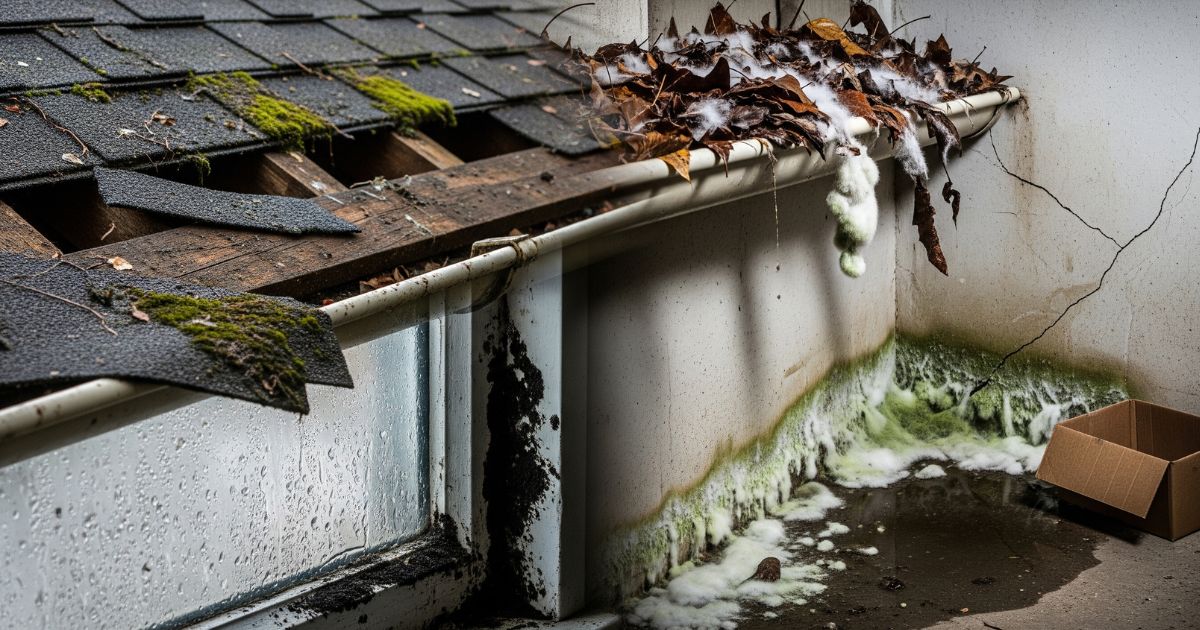
During winter, homes are closed tightly against the cold. Condensation forms on windows, attics, and poorly insulated walls. This condensation creates moisture where white colored mold or mildew can thrive.
Spring
Snowmelt and heavy rains cause flooding in basements across the state. Black mold often begins growing in these conditions. Spring storms also cause roof leaks that lead to mold in attics.
Summer
Summer humidity in Connecticut is high, often exceeding 70 percent. Without dehumidifiers, basements and crawlspaces become mold hotspots. Green mold and brown mold appear frequently during this season.
Fall
Falling leaves block gutters and downspouts, causing water to collect near foundations. This moisture seeps into basements, encouraging mold growth. People also track outdoor mold spores on shoes and pets.
Understanding these seasonal patterns allows homeowners to prepare proactively.
Mold on Different Surfaces and Materials
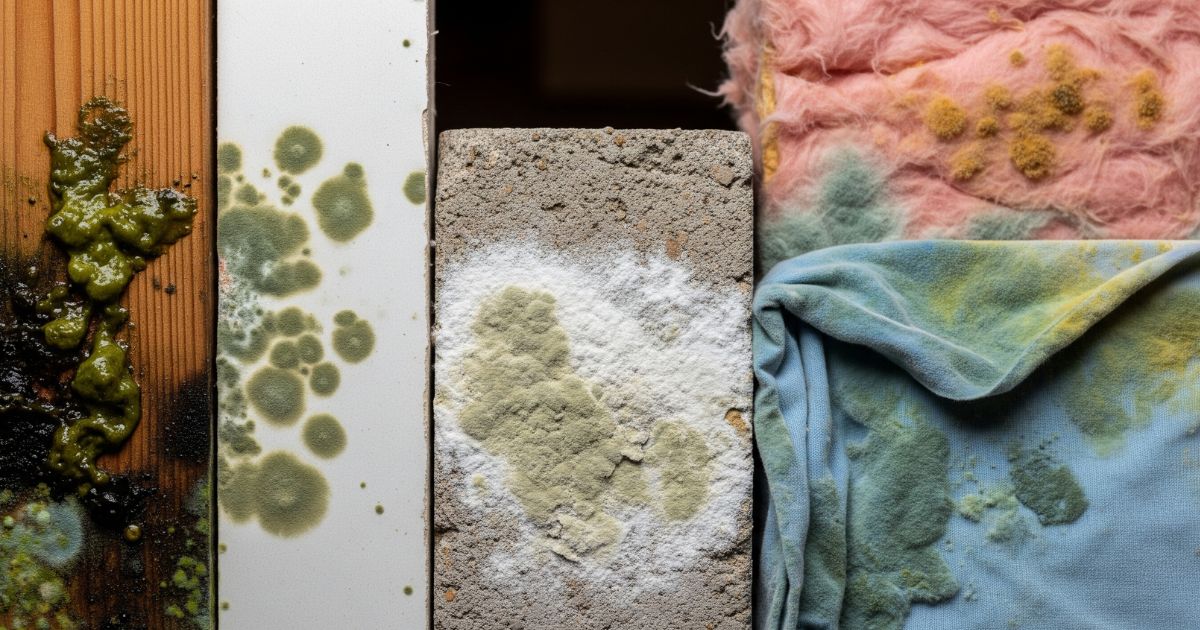
The type of surface plays a major role in how mold develops and how difficult it is to remove.
Wood
Wood is especially vulnerable because it contains cellulose, a food source for mold. Black mold vs mildew on wood is a major issue in Connecticut homes. Mildew may appear on the surface and wipe away. Black mold penetrates deeply, weakening beams and framing.
Drywall
Drywall is highly absorbent. Once mold penetrates, cleaning is almost impossible without removing the material. Black mold in drywall often spreads invisibly inside walls.
Concrete and Stone
Basements in Connecticut often have stone or concrete walls. White colored mold or efflorescence can form here. The challenge is distinguishing harmless salt deposits from mold.
Fabrics and Carpets
Mildew is common on fabrics and carpets, appearing as powdery spots with musty odors. Once mold sets into carpet padding, replacement is usually necessary.
Insulation
Fiberglass insulation can harbor black mold if it becomes damp. Because insulation is porous, remediation often means full replacement.
Metal and Glass
Mold rarely grows directly on metal or glass but can thrive on dust or organic residue on these surfaces.
Health Risks of Mold vs Mildew
Mold poses greater health risks than mildew, potentially causing respiratory issues, allergies, and infections. Mildew is generally less harmful but can still trigger mild allergic reactions in sensitive individuals.

Health Effects of Black Mold
Black mold, scientifically called Stachybotrys chartarum, is the most dangerous type found in Connecticut homes. It produces mycotoxins that can cause severe health problems, including:
- Intense allergic reactions such as sneezing, coughing, and itchy eyes.
- Respiratory issues, especially in asthma sufferers.
- Persistent headaches and chronic fatigue.
- Neurological problems in long-term exposure cases.
- Rashes and skin irritation.
Children, the elderly, and people with weakened immune systems are at the highest risk. Families living in older Connecticut homes may unknowingly suffer symptoms linked to black mold hidden behind walls.
Health Effects of Mildew
Mildew does not produce the same dangerous toxins as black mold, but it can still affect health. Exposure to mildew may cause:
- Mild allergies.
- Skin irritation.
- Worsened asthma symptoms.
While mildew is less toxic, its presence indicates a moisture issue that could eventually lead to black mold growth.
Health Threats from Mold and Mildew
While the immediate effects of black mold vs mildew are respiratory irritation and allergies, long-term exposure can be more severe.
Allergies and Asthma
Connecticut already has a high prevalence of asthma, particularly in urban areas like Hartford and Bridgeport. Mold exposure exacerbates asthma attacks and allergies, leading to increased hospital visits.
Neurological Symptoms
Some studies link prolonged exposure to black mold mycotoxins with neurological problems such as memory loss, confusion, and mood disorders.
Skin and Eye Irritation
Direct contact with mildew or mold can cause rashes, itchy skin, and irritated eyes.
Effects on Children and Elderly
Children’s developing lungs and elderly residents with weaker immune systems are particularly vulnerable. Schools and senior housing facilities in Connecticut have faced closures due to mold contamination.
Why Connecticut Residents Should Pay Attention
Connecticut’s older homes, many built before modern waterproofing standards, are particularly vulnerable. A study found that between 20 and 30 percent of Connecticut homes contain significant mold problems. Costs for mold remediation Connecticut often run from $2,000 to $15,000, depending on severity. Insurance coverage is inconsistent, and property values drop when mold is discovered during home sales.
Ignoring the distinction between black mold vs mildew can therefore affect both your health and your finances.
Homeowner Step-by-Step Guides
A homeowner’s step-by-step guide to mold remediation includes identifying the source of moisture, wearing protective gear, and safely removing affected materials.
How to Identify Mold or Mildew
- Inspect suspicious patches visually. Powdery white or gray growth is often mildew. Slimy black or green patches may be mold.
- Smell the area. Strong musty odors point to black mold.
- Try wiping with a cloth. Mildew wipes away more easily.
- If unsure, schedule a mold inspection CT.
How to Clean Mildew Safely
- Wear gloves and a mask.
- Mix vinegar or baking soda with water.
- Scrub the affected surface thoroughly.
- Dry the area completely and improve ventilation.
When to Call Professionals
Call professionals for:
- Large infestations over 10 square feet.
- Suspected black mold.
- Mold inside walls, attics, or HVAC systems.
- Recurring mold problems after cleaning.
Advanced Prevention Techniques
Preventing mold and mildew in your home goes beyond simple cleaning. For residents in Connecticut, where seasonal humidity and damp basements can be a constant challenge, understanding and implementing advanced prevention techniques is crucial. This section delves into proactive strategies and modern solutions that can help you maintain a healthy, mold-free environment, safeguarding your property and the well-being of your family.

Beyond basic cleaning and dehumidifiers, homeowners can take advanced steps to prevent mold.
- Install moisture sensors in basements and crawlspaces.
- Use smart home humidity monitors.
- Apply antimicrobial coatings to wood and drywall.
- Invest in whole-house ventilation systems.
These measures may seem costly upfront but are cheaper than dealing with black mold infestations later.
Case Studies in Connecticut
A Hartford family experienced basement flooding in July. They assumed the dark stains on drywall were mildew. By September, a professional found black mold throughout the basement. Remediation cost them $8,000.
In New Haven, mildew appeared on shower grout. The homeowner feared toxic mold. A professional test confirmed mildew, which was cleaned easily with vinegar.
In West Hartford, mold was found during a real estate inspection. The buyer reduced the price by $5,000 to cover remediation.
On the Stamford shoreline, orange colored mold grew in a kitchen after a plumbing leak. While not toxic, it revealed a serious moisture issue that required fixing to prevent future black mold.
Community-Level Issues
Mold is not just an individual homeowner problem in Connecticut. It affects communities. Schools in Hartford, public housing in Bridgeport, and apartment complexes in New Haven have faced mold closures. Addressing mold requires both personal responsibility and community-level action.
Conclusion
The difference between black mold vs mildew matters deeply for Connecticut residents. Mildew is usually surface-level and manageable. Black mold is toxic, invasive, and dangerous. Identifying mold correctly, acting quickly, and calling professionals for mold removal CT, mold remediation Hartford CT, or statewide mold remediation Connecticut protects health, homes, and finances.
Frequently Asked Questions
What is the fastest way to tell mildew from black mold?
Mildew is flat and powdery. Black mold is slimy and invasive.
Can I remove mildew myself but not black mold?
Yes. Mildew can be cleaned with vinegar. Black mold requires professional remediation.
What type of mold is most common in Connecticut basements?
Black mold and white colored mold are most frequent.
How dangerous is black mold vs regular mold?
Black mold is more toxic, but all mold affects health and property.
How can I tell if the mold on my window is toxic?
Only mold inspection CT can confirm toxicity.
Why does mold return after cleaning?
Moisture issues were not solved.
Are pets affected by mold?
Yes, animals can suffer respiratory and skin issues.
Does homeowners insurance cover mold remediation CT?
Only if caused by sudden accidents, not long-term neglect.
Are landlords responsible for mold in Connecticut?
Yes, landlords must provide habitable housing.