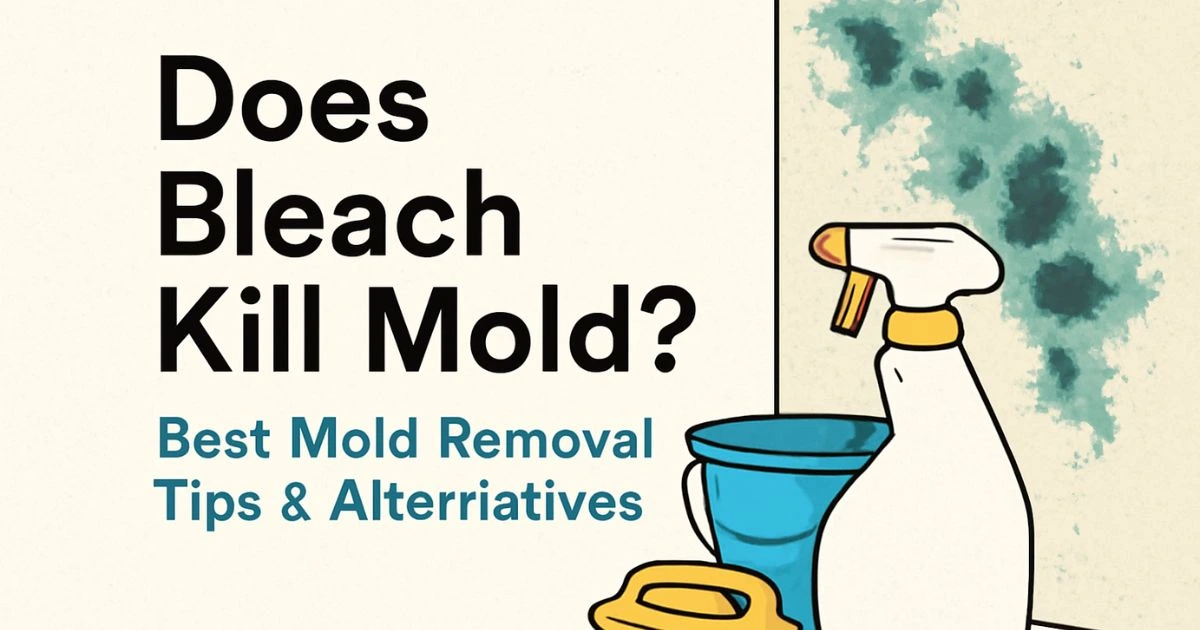
Mold can develop in any home, often in places with excess moisture, such as bathrooms, kitchens, basements, and around leaking windows or pipes. It’s a common problem, but it can quickly become more than just a cosmetic issue. Mold can cause damage to your property and pose health risks to you and your family, particularly if you have allergies or respiratory issues. The question then arises: Should I use bleach to clean up mold? While bleach is a household staple often associated with cleaning and disinfecting, it is important to understand how it works against mold and whether it is the best solution for mold removal.
In this post, we will explore whether bleach kills mold, how it works, when it should be used, and what the limitations of bleach are. We will also discuss the potential risks of using bleach, especially when dealing with dangerous molds like black mold. Additionally, we will highlight other effective options for mold removal and how to keep mold from returning once it’s been cleaned.
Does Bleach Kill Mold?
The first question on many homeowners’ minds when dealing with mold is, Does bleach kill mold? The simple answer is yes, bleach can kill mold on non-porous surfaces, such as tiles, glass, and countertops. Bleach mold removal works by breaking down the cell structure of mold and fungus, killing the growth. However, there are a few critical points to consider.
How Effective is Bleach for Killing Mold Spores?
While bleach is effective for killing visible mold growth, it does not fully eliminate mold spores. Does bleach kill mold spores? The short answer is no. Mold spores are microscopic and can be found in the air or hidden deep within porous materials, like wood or drywall. Bleach kills mold by targeting the visible growth, but it may not address the root problem, which is the presence of spores that can spread to other areas if left untreated.
When you apply bleach to mold, it can kill the mold on the surface, but the spores can remain active, and they can potentially regrow if conditions are favorable. For example, if your house remains humid or damp after cleaning, the mold can return, even after using bleach for mold cleanup. Therefore, using bleach for mold removal can be effective in the short term, but it may not prevent further mold growth unless you also address the environmental conditions promoting mold.
Does Bleach Kill Only Mold or Also Mold Spores?
Many people assume that bleach kills both mold and mold spores. While bleach does kill the visible mold, bleach mold removal doesn’t always stop the spread of mold spores. These spores are often in the air, traveling and landing on new surfaces, and are a primary reason why mold keeps coming back. So, when you use bleach for mold removal, it’s important to understand that you are only treating the visible mold.
Bleach might kill black mold (a dangerous variety of mold), but it doesn’t kill the microscopic spores embedded in the material or floating in the air. Does bleach remove mold spores in the air? No, bleach doesn’t effectively neutralize airborne spores. The only way to effectively deal with the mold spores is to remove the moisture source and properly ventilate the area to reduce their spread.
Does Bleach Remove Both Mold and Mildew Effectively?
Both mold and mildew thrive in areas with moisture, but they differ in appearance and how they grow. Mold can have different colors, such as black, green, or white, while mildew is usually white or light gray and tends to grow on the surface. Though both fungi can cause damage, bleach and mold are often treated similarly.
Does bleach remove mildew? Yes, bleach is effective for killing mildew as well. In fact, cleaning mold with bleach is often recommended for tackling mildew on surfaces like tiles and shower walls. However, it’s important to keep in mind that bleach doesn’t penetrate deep into porous surfaces, such as wood or drywall, and it may not completely solve mildew or mold problems in these areas. Additionally, bleach kills mold only on the surface—it may not treat any mildew growing inside porous materials.
In fact, bleach solution for mold is often best used on smooth, non-porous surfaces, such as bathtubs, countertops, and bathroom tiles. However, when it comes to mold in porous surfaces like drywall, bleach for mold removal may not be as effective. For these kinds of surfaces, you might need specialized cleaning products or other methods to ensure proper treatment.
Is Bleach the Best Option for Mold Removal?
While bleach for mold removal is a popular solution, it’s not always the most effective option, especially for large or deeply rooted mold infestations. Bleach kills mold on non-porous surfaces, but it may not address the underlying issue—moisture. Mold thrives in damp conditions, and as long as the moisture source remains, the mold will continue to return, no matter how much bleach is used.
Furthermore, bleach is a harsh chemical, and using it improperly can cause damage to surfaces and pose health risks. Some porous materials, such as wood, can be weakened or discolored by bleach. Additionally, the fumes from bleach can irritate your lungs, eyes, and skin. If used improperly, bleach can also contribute to health problems like respiratory issues, especially for people with asthma or allergies.
In some cases, mold remediation bleach might not be the best choice for thorough mold removal. For extensive mold problems, especially on porous surfaces or hidden areas, professional mold remediation services may be necessary. These experts can help address the root cause of the mold, ensure proper ventilation, and provide effective solutions that bleach simply cannot offer.
While bleach for mold removal is a viable option for small mold problems, it’s not the ultimate answer for comprehensive mold remediation. If you’re dealing with large or widespread mold issues, or mold on porous surfaces, it’s important to consider alternative methods or consult with a professional mold remediation company like Mold Master Pro LLC.
Using Bleach for Mold Removal
When it comes to mold removal, bleach is a popular and widely used solution. It’s often chosen because of its effectiveness in killing visible mold growth. However, to make the most out of using bleach for mold removal, it’s crucial to use it safely and correctly. This section will guide you on the best practices for using bleach to clean mold and avoid common mistakes that could hinder the mold removal process.
How to Safely Use Bleach for Mold Cleanup?
Before you start using bleach for mold cleanup, it’s essential to follow some guidelines to ensure that the process is both effective and safe. Here’s how to use bleach safely for mold removal:
- Prepare the Area: First, make sure the room or area where you’re cleaning is well-ventilated. Open windows and doors to allow fresh air to circulate, and use fans if possible. Proper ventilation will help reduce the harmful fumes from bleach and prevent them from accumulating in the air.
- Protect Yourself: Bleach is a harsh chemical, so it’s important to protect your skin, eyes, and lungs. Wear rubber gloves, safety goggles, and a mask (preferably an N95 mask) to prevent bleach fumes from irritating your respiratory system.
- Prepare the Bleach Solution: To create a bleach solution for mold removal, mix one cup of bleach with one gallon of water. This concentration is strong enough to kill mold but not too harsh for most non-porous surfaces. Always follow the instructions on the bleach label, as different types of bleach may have varying concentrations.
- Apply the Solution: Use a sponge, cloth, or spray bottle to apply the bleach solution directly onto the moldy surface. Let it sit for at least 10-15 minutes to ensure that it penetrates the mold and kills it effectively. Avoid scrubbing too hard, as it can cause the spores to spread into the air.
- Rinse and Dry the Area: Once the bleach has had time to work, rinse the area thoroughly with clean water and dry it completely. Mold thrives in moist environments, so it’s crucial to eliminate any excess water and keep the area dry to prevent mold from returning.
By following these steps, you can safely and effectively remove mold with bleach from hard, non-porous surfaces like tiles, counters, and glass. However, remember that bleach does not work as well on porous materials such as wood or drywall, and it might not kill all mold spores present.
Key Safety Tips When Using Bleach for Mold
Using bleach for mold removal requires careful attention to safety. Here are some key tips to keep in mind to protect your health and the integrity of your home:
- Work in a Well-Ventilated Area: As mentioned earlier, bleach fumes can be toxic. Always work in a space that is well-ventilated to prevent harmful vapors from accumulating. If possible, use an exhaust fan or open windows to keep the air circulating.
- Never Mix Bleach with Other Cleaning Products: It’s critical to avoid mixing bleach with other cleaning products, especially ammonia or vinegar. The combination of bleach and ammonia creates toxic fumes that can cause severe respiratory issues. Likewise, mixing bleach with vinegar creates chlorine gas, which is also hazardous.
- Use Proper Protective Gear: To avoid skin irritation or burns, wear gloves made of rubber or nitrile, and always use eye protection when working with bleach. A mask or respirator is essential, especially if you’re working in a confined space or dealing with large mold infestations.
- Keep Bleach Away from Children and Pets: Bleach is dangerous if ingested or inhaled. Always store bleach in a secure, childproof area and keep pets away from areas where bleach is being used.
- Follow Bleach Manufacturer Instructions: Different types of bleach may have different concentrations or intended uses. Always read the label of your bleach product to ensure you’re using it correctly. Overuse or improper application can damage surfaces or lead to ineffective mold removal.
By adhering to these safety tips, you can reduce your risk of exposure to bleach and ensure that the mold removal process goes smoothly.
Which Surfaces Can Bleach Be Used On for Mold?
Bleach for mold removal works best on hard, non-porous surfaces. However, there are certain surfaces where bleach should or should not be used. Understanding which surfaces are suitable for bleach treatment is essential for effective mold removal.
- Tile and Grout: Bleach mold removal is very effective on tile and grout, especially in bathrooms or kitchens where mold commonly grows. The bleach will kill mold on the surface of the tiles and penetrate the grout to break down mold spores.
- Glass and Mirrors: Cleaning mold with bleach on glass or mirrors is straightforward and effective. Just be sure to wipe down the surfaces properly after treatment to remove any bleach residue.
- Countertops and Sink Areas: Hard countertops made from materials like laminate or stone can usually tolerate bleach for mold removal. However, always spot-test a small area first to ensure the bleach doesn’t cause discoloration or damage.
- Plastic and Vinyl: Bleach mold removal is effective on plastic or vinyl surfaces. These materials are non-porous, so bleach will kill surface mold without penetrating deeply.
However, using bleach for mold removal on porous surfaces can be tricky. Here’s why:
- Wood: While you can use bleach to clean mold off wood, it’s not always effective. Bleach only kills surface mold and can damage the wood’s finish. It also doesn’t penetrate the wood to reach mold that may be embedded deeper.
- Drywall: Bleach for mold removal is not effective on drywall. Because drywall is porous, the bleach will not penetrate deeply enough to kill all of the mold, and the moisture can actually worsen the problem.
- Fabric and Upholstery: Using bleach on fabrics can damage the material and cause discoloration. For fabric-based mold problems, you may want to consider other mold removal methods, such as washing with hot water or using specific mold-removal products designed for fabrics.
Common Mistakes When Using Bleach for Mold Removal
Even though bleach kills mold, improper use can make the situation worse or lead to ineffective cleaning. Here are some common mistakes to avoid when using bleach to clean mold:
- Not Wearing Protective Gear: Mold spores and bleach fumes can be harmful to your health. Always wear gloves, goggles, and a mask when handling bleach to protect your skin, eyes, and respiratory system.
- Overusing Bleach: While it’s important to use enough bleach to kill the mold, excessive use can damage surfaces, especially porous materials like wood and drywall. Stick to the recommended bleach-to-water ratio to avoid damage.
- Not Properly Ventilating the Area: Failing to open windows or use fans can result in the buildup of bleach fumes, which can be harmful. Ensure proper ventilation when cleaning mold with bleach, especially in smaller, enclosed spaces.
- Ignoring the Moisture Problem: Bleach for mold removal only tackles the visible mold growth. It doesn’t solve the root cause of mold: excess moisture. If the area remains damp, mold will return, even after you’ve cleaned it. Address the moisture source to prevent further mold growth.
- Using Bleach on Porous Surfaces: As previously mentioned, bleach is not effective on porous materials like wood, drywall, or fabric. It may kill surface mold, but it won’t penetrate deeply enough to solve the problem. Consider alternative methods for mold on these surfaces.
Bleach and Black Mold
Black mold (Stachybotrys chartarum) is one of the most concerning types of mold found in homes. It has the potential to cause serious health problems, especially in individuals with allergies or respiratory issues. Because of its dangerous nature, many homeowners wonder if bleach for mold removal is effective on black mold. While bleach is a commonly used method for tackling regular mold, black mold requires special attention. In this section, we’ll discuss whether bleach kills black mold, why bleach might not always work for this particular type of mold, and how to safely remove black mold using bleach.
Can Bleach Kill Black Mold and Its Spores?
One of the most frequently asked questions when dealing with mold is, Can bleach kill black mold and its spores? The answer is that bleach can kill black mold on non-porous surfaces, but it may not be as effective on porous materials. Bleach works by breaking down the mold’s structure, rendering it inactive. It can kill the visible black mold growth on surfaces such as tiles, glass, and countertops, making it a viable solution for short-term mold cleanup.
However, does bleach kill black mold spores completely? While bleach can kill surface mold, it may not be able to reach and destroy all the spores, especially those that have spread into porous materials like drywall or wood. The effectiveness of bleach depends on the concentration used, how long it is left on the mold, and whether it reaches all areas where the mold spores are present. Mold spores are microscopic and can be difficult to reach with bleach alone, particularly on textured or porous surfaces.
Why Bleach Might Not Always Work on Black Mold
Despite bleach’s popularity as a mold-killing agent, bleach for black mold removal has limitations. Bleach works by bleaching the mold’s surface, but it doesn’t necessarily penetrate deeply into porous materials. Here are a few reasons why bleach might not always work on black mold:
- Penetration Issues: Black mold often grows deep within porous materials like drywall, wood, and carpet. Bleach is a surface cleaner, which means it may kill only the mold visible on the surface but won’t penetrate deeply enough to eliminate mold growing inside these materials. The deeper the mold grows, the less effective bleach will be in treating the problem.
- Re-growth Due to Moisture: Black mold thrives in areas with excess moisture. If the source of moisture isn’t addressed, mold cleanup with bleach might not be sufficient to prevent the mold from returning. Mold can grow back even after you’ve cleaned the visible growth with bleach if the environment remains damp and untreated.
- Limited Impact on Mold Spores: Bleach can kill visible mold, but it doesn’t always eliminate the microscopic spores that can be carried by air. These spores can land on other surfaces and start new mold colonies. Does bleach kill black mold spores? The answer is not entirely. While bleach will kill spores on the surface, it doesn’t prevent them from being dispersed into the air or from resettling in other areas.
- Health Hazards: Bleach can also pose health risks. The fumes are harsh and can cause respiratory issues, eye irritation, and skin burns if proper precautions aren’t followed. When dealing with black mold, it’s essential to consider these risks and take the necessary steps to protect yourself, such as wearing a mask and gloves and ensuring proper ventilation.
Does Bleach Stop Black Mold from Coming Back?
While using bleach for mold removal is effective in killing visible black mold growth, it does not guarantee that black mold will not come back. The root cause of mold growth is moisture, and bleach alone cannot eliminate moisture problems. In fact, does bleach stop black mold from coming back? Not necessarily.
If the underlying moisture problem—whether it’s a leaky pipe, poor ventilation, or high humidity—is not addressed, black mold is likely to return. After cleaning with bleach, it’s important to take steps to:
- Fix Moisture Issues: Inspect the area for leaks, poor drainage, or condensation problems. Repairing leaks and improving ventilation can reduce moisture and help prevent future mold growth.
- Dry the Area Thoroughly: Mold thrives in damp environments. After cleaning with bleach, dry the area completely using fans, dehumidifiers, or open windows. This will help ensure the mold doesn’t return.
- Maintain Low Humidity: Use a dehumidifier to maintain a relative humidity of 30-50% in your home. Mold prefers high humidity, so controlling moisture levels can help prevent it from regrowing.
- Consider Professional Mold Remediation: For larger infestations, bleach mold removal might not be enough. In these cases, it’s advisable to hire professional mold remediation experts who can eliminate both the mold and the moisture problem to prevent it from returning.
How to Safely Remove Black Mold with Bleach
Removing black mold with bleach can be effective, but it requires careful handling and specific steps to ensure safety and success. Here’s how to safely remove black mold with bleach:
- Prepare the Area: Before you begin, make sure the area is well-ventilated. Open windows and doors, and use fans to keep the air circulating. This will help reduce the exposure to bleach fumes. If possible, wear a respirator mask to avoid inhaling any fumes or spores.
- Wear Protective Gear: Black mold bleach removal involves working with a toxic chemical, so it’s important to protect yourself. Wear long-sleeved clothing, gloves, safety goggles, and an N95 mask to protect your skin, eyes, and respiratory system.
- Mix the Bleach Solution: To make a bleach solution for black mold, mix one cup of bleach with one gallon of water. This will give you a solution strong enough to kill the mold while being safe for most non-porous surfaces. Be sure to test the solution on a small, inconspicuous area first to ensure it doesn’t damage the surface.
- Apply the Solution: Using a sponge, cloth, or spray bottle, apply the bleach solution to the moldy area. Allow the bleach to sit on the mold for 10-15 minutes to ensure it kills the mold on the surface. Don’t scrub the area too hard, as this can cause mold spores to become airborne and spread to other areas.
- Rinse and Dry: After the bleach has had time to work, rinse the area thoroughly with clean water. Dry the area completely to prevent mold from regrowing. If the mold is on a porous surface, such as wood or drywall, you may need to replace the affected materials if the mold has penetrated deeply.
- Follow Up: After removing the black mold, check the area regularly for signs of regrowth. If you notice any mold returning, it may be a sign that the moisture problem was not adequately addressed, and further remediation may be needed.
Mold Remediation with Bleach
Mold remediation is a comprehensive process that involves identifying, removing, and preventing mold growth in your home or business. While bleach is often used for cleaning small areas of mold, it’s important to understand when and how to use it for more significant mold problems. In this section, we’ll cover when to use bleach for mold remediation, how to tackle large-scale mold infestations with bleach, whether to hire a professional, and how to use bleach safely in sensitive areas.
When to Use Bleach for Mold Remediation?
Bleach for mold removal is an effective solution for small, visible mold growth on non-porous surfaces. However, when it comes to large-scale mold infestations or mold in hidden areas, bleach may not always be the best solution. So, when should you consider using bleach for mold remediation?
- Small to Moderate Mold Growth: Bleach works well for mold cleanup with bleach in areas where the mold is visible and concentrated on non-porous surfaces like tiles, countertops, and glass. If you see small patches of mold growing on these surfaces, bleach can kill the mold on the spot and help prevent its spread.
- Non-Porous Surfaces: Using bleach for mold removal is effective on surfaces that do not absorb water, such as ceramic tiles, sinks, bathtubs, and concrete floors. These materials allow bleach to remain on the surface long enough to kill the mold and spores, making it a suitable option for these areas.
- When Immediate Action is Needed: If mold is spreading quickly and needs to be contained before it worsens, bleach can be a quick and effective solution. It’s ideal for situations where you need to prevent further mold growth in visible areas and don’t have the time to wait for professional intervention.
- Minor Mold Issues in Hard-to-Reach Areas: If mold is growing in cracks or crevices where it’s difficult to apply other mold-removal products, bleach can sometimes be used as a last resort. However, be mindful of the surface, as bleach is only effective on smooth, non-porous materials.
However, if the mold growth is extensive, has spread to porous materials (like drywall or insulation), or poses significant health risks, you should consider other remediation methods or hire a professional.
How to Use Bleach for Large-Scale Mold Remediation
For larger mold infestations, using bleach for mold removal can be more challenging, but it’s still possible if handled correctly. Large-scale mold removal requires a thorough, systematic approach. Here’s how to use bleach for large-scale mold remediation effectively:
- Identify the Extent of the Mold Problem: Before you begin, assess the area where mold has spread. Check for visible mold on walls, ceilings, floors, and hidden areas behind furniture or inside walls. Large-scale mold infestations may require significant cleaning and remediation, which might be beyond the capabilities of bleach alone.
- Prepare a Bleach Solution: Mix one cup of bleach with one gallon of water. This solution is strong enough to kill most types of mold but not too harsh for non-porous surfaces. For more aggressive mold removal, you can increase the bleach concentration, but be cautious to avoid damaging the surfaces.
- Apply the Bleach Solution: For large areas, use a mop, sponge, or spray bottle to apply the bleach solution. Work in sections to ensure you cover the entire mold-affected area. For ceilings or high walls, use a ladder to apply bleach, making sure to stay safe and steady.
- Allow the Solution to Sit: Let the bleach solution sit on the mold for at least 10-15 minutes. This will give the bleach time to penetrate and kill the mold. Do not scrub immediately, as doing so can cause the spores to spread into the air.
- Scrub and Rinse: After letting the bleach sit, gently scrub the area with a brush or sponge to remove any remaining mold. Once the mold has been removed, rinse the area thoroughly with clean water to wash away the bleach residue. Allow the area to dry completely.
- Dry the Area Thoroughly: To prevent mold from returning, dry the area completely. Use fans, open windows, or a dehumidifier to ensure the space remains dry. Excess moisture is the primary cause of mold growth, and without proper drying, mold can regrow.
While bleach can help manage mold cleanup with bleach in larger spaces, it’s not a complete solution. For larger infestations, it’s often better to call in professionals who can treat both the mold and the underlying causes more effectively.
Hire a Pro vs. Using Bleach for Mold Remediation
While bleach for mold removal can be a useful tool for smaller mold problems, there are instances when hiring a professional mold remediation service is the better option. Here’s a comparison of when to tackle the mold yourself with bleach versus when it’s best to call in the experts:
- When to Use Bleach:
- Small Areas of Visible Mold: If the mold is confined to a small area and is growing on non-porous surfaces, using bleach for mold removal is a practical and effective option.
- Short-Term Solution: Bleach works well for immediate mold cleanup when you’re trying to prevent further growth or deal with mold temporarily until a more permanent solution is put in place.
- DIY Projects: If you’re comfortable with cleaning and have the right protective gear, bleach can be used for DIY mold removal in manageable areas.
- When to Hire a Professional:
- Large or Widespread Mold Growth: If the mold infestation covers a significant area or is deeply embedded in porous materials, professionals are better equipped to handle the issue. Mold specialists use specialized tools and cleaning solutions to remove mold effectively from hidden and hard-to-reach areas.
- Health Concerns: If the mold is affecting your health or the health of your family, it’s best to call in a professional. Mold removal can release spores into the air, and improper handling can exacerbate respiratory issues.
- Hidden Mold: If you suspect mold growth inside walls, under floors, or in HVAC systems, it’s difficult to assess the extent of the infestation without professional equipment like moisture meters or infrared cameras.
- Long-Term Prevention: Professionals not only remove mold but also address the underlying causes, such as moisture problems and ventilation issues, to ensure the mold does not come back.
Hiring a professional mold remediation service, such as Mold Master Pro LLC, can save time, reduce health risks, and ensure that mold is fully removed from your home. A professional mold remediation service also includes post-remediation testing to verify that the mold has been completely eradicated.
Using Bleach in Sensitive Areas for Mold Cleanup
When using bleach for mold cleanup in sensitive areas like bathrooms, kitchens, or areas with delicate surfaces, you need to take extra precautions. Bleach and mold cleanup can be harsh, and bleach can cause damage if not used correctly.
- Bathrooms: Bathrooms are prime locations for mold growth, especially around showers, bathtubs, and sinks. When cleaning mold with bleach in these areas, be sure to avoid using too much bleach, as it can damage grout and other finishes. A diluted bleach solution should be sufficient, and always rinse the area thoroughly to prevent bleach residue from lingering.
- Wood Surfaces: While bleach can be used to remove mold from wood, it’s essential to be careful, as it can discolor and weaken the wood. For sensitive wood surfaces, using bleach for mold removal might not be the best choice. Instead, consider using specialized mold removers designed for wood. If bleach is necessary, ensure that the wood is completely dried after cleaning to prevent further damage.
- Upholstery and Fabrics: Never use bleach on upholstery, fabrics, or carpets, as it can bleach the color and weaken the material. For mold on fabrics, try using vinegar or hydrogen peroxide instead, as these options are less likely to cause damage.
- HVAC Systems: Mold in HVAC systems requires specialized treatment. Bleach mold removal should not be used in ducts or vents, as bleach can damage the system or leave harmful fumes that circulate throughout the house. Hire a professional to handle mold in your HVAC system.
Understanding Biocides for Mold Treatment
When it comes to mold removal, there are many methods and products available, and biocides are among the most effective. While bleach is a common household product for mold removal, biocides are specifically designed to target mold and other harmful microorganisms. In this section, we’ll explore what biocides are, how they kill mold, whether they are better than bleach for mold removal, and when and how to use them safely.
What Are Biocides and How Do They Kill Mold?
Biocides are chemical products specifically designed to kill or inhibit the growth of harmful microorganisms, including bacteria, viruses, fungi, and mold. Biocides for mold treatment are usually formulated with a combination of active ingredients that can kill mold spores, prevent regrowth, and eliminate existing mold growth.
So, how do biocides kill mold? Biocides work by disrupting the cellular processes of mold, leading to its death. They target the mold’s cell walls and other essential biological components, preventing the organism from growing and spreading. In addition to killing the visible mold, biocides also penetrate porous materials like wood, drywall, and carpet, providing a more thorough and lasting solution than bleach.
Unlike bleach, which is primarily a surface disinfectant, biocides are specifically designed for mold remediation and often contain more advanced ingredients that offer longer-lasting protection. Biocides can be used in both residential and commercial settings to manage large infestations or treat mold in sensitive areas like HVAC systems, ducts, and water-damaged materials.
Are Biocides Better Than Bleach for Mold Removal?
When comparing biocides to bleach for mold removal, there are several factors to consider. While bleach can be effective for killing surface mold, biocides are generally considered superior for mold treatment for the following reasons:
- Effectiveness on Porous Surfaces: One of the main limitations of bleach is its inability to penetrate porous materials effectively. For instance, bleach may kill surface mold on drywall or wood but will not reach mold embedded deep within the material. In contrast, biocides for mold treatment are designed to penetrate porous materials and kill mold deep inside the surface. This makes them a more comprehensive solution for mold problems that have spread beyond the surface.
- Long-Lasting Protection: While bleach kills visible mold, it often does not prevent regrowth. Biocides, on the other hand, often contain ingredients that not only kill the mold but also leave behind a protective layer that prevents new mold from growing for an extended period. This makes biocides a better choice for long-term mold control, especially in damp or high-humidity areas.
- Non-Toxic and Environmentally Friendly Options: Many biocides for mold treatment are made with environmentally friendly ingredients and are less toxic than bleach. This can be a significant advantage in homes with children, pets, or individuals with respiratory conditions. Additionally, biocides are often biodegradable, making them a safer and more sustainable option compared to bleach.
- Effectiveness on a Variety of Surfaces: Biocides can be used on a wider range of surfaces than bleach, including textiles, wood, and HVAC systems. Using biocides for mold removal allows you to treat a broader spectrum of mold problems, from large-scale infestations to hard-to-reach areas like air ducts.
Despite these advantages, bleach for mold removal still has its place. For small mold problems on non-porous surfaces, bleach can be an affordable and quick solution. However, for more severe mold infestations or porous materials, biocides offer a more effective and long-lasting solution.
When to Use Biocides for Mold Cleanup
Biocides for mold treatment are especially useful when dealing with extensive or deep-seated mold problems. Here are a few scenarios where using biocides for mold removal would be the best option:
- Large-Scale Mold Infestations: If the mold problem covers a large area or has affected multiple rooms or surfaces, biocides are often the most effective way to address the issue. Biocides penetrate deep into porous materials, making them ideal for large-scale mold remediation.
- Mold in Hidden or Difficult-to-Reach Areas: Mold can grow behind walls, in HVAC systems, or in areas that are not easily accessible. Biocides for mold treatment can be sprayed or applied in these hidden spaces, ensuring that the mold is treated effectively even in hard-to-reach areas.
- Persistent Mold Growth: If you’ve used bleach or other cleaning solutions but still find mold coming back, biocides can be a more effective long-term solution. Biocides not only kill visible mold but also create a protective barrier that prevents new mold growth, making them a good choice for preventing recurring mold issues.
- Mold in Sensitive Areas: Biocides are often better suited for treating mold in sensitive environments like kitchens, bathrooms, and HVAC systems. Since many biocides are less toxic than bleach, they are a safer option for these areas, where bleach may cause damage or leave harmful fumes behind.
- Preventative Mold Control: For homes in high-humidity areas or after water damage, using biocides for mold treatment can prevent mold growth before it even starts. Applying a biocide solution to vulnerable areas can offer long-term protection against mold buildup, especially in areas prone to leaks or high moisture levels.
Safety Tips for Using Biocides for Mold Treatment
While biocides are effective for mold removal, they still require careful handling to ensure safety. Here are some important safety tips for using biocides for mold treatment:
- Follow Manufacturer Instructions: Each biocide product comes with specific instructions for use, including recommended dilution ratios, application methods, and safety precautions. Always read and follow the manufacturer’s guidelines to ensure the best results and avoid any health risks.
- Wear Protective Gear: When using biocides, it’s essential to wear personal protective equipment (PPE) such as gloves, goggles, and an N95 mask to prevent exposure to toxic chemicals and mold spores. This is especially important when handling concentrated biocides or applying them in confined spaces.
- Ventilate the Area: Just like when using bleach, always ensure that the area is well-ventilated when applying biocides. Open windows and use fans to help disperse any fumes and maintain air circulation. This will help minimize your exposure to harmful chemicals and mold spores.
- Test a Small Area First: Before applying a biocide to large surfaces or materials, test it on a small, inconspicuous area to ensure it does not cause discoloration or damage to the surface. Some biocides may be harsh on certain materials, so testing first is a good precaution.
- Store Biocides Safely: Always store biocides in a cool, dry place and out of reach of children and pets. Ensure that the containers are tightly sealed and properly labeled to avoid accidental exposure.
- Dispose of Biocide Waste Properly: When using biocides, dispose of any unused or waste product according to local regulations. Some biocides may contain hazardous chemicals that require special disposal methods to prevent environmental contamination.
- Monitor the Treated Area: After applying biocides, check the area regularly to ensure that mold does not return. If mold reappears, it may indicate that the biocide treatment was not effective or that the underlying moisture problem was not properly addressed.
Making Bleach Solution for Mold
Bleach is a powerful and cost-effective solution for tackling mold problems on non-porous surfaces. When used correctly, it can kill visible mold and help prevent its spread. However, the effectiveness of bleach for mold removal depends on the concentration of the solution and the way it’s applied. In this section, we will discuss how to make a bleach solution for mold removal, the ideal bleach concentration, how long bleach stays effective for mold removal, and whether it’s safe to use bleach solution on all surfaces.
How to Make a Bleach Solution for Mold Removal
Making a bleach solution for mold removal is simple and straightforward. The right mixture of bleach and water is crucial for ensuring that the solution is strong enough to kill mold but not so harsh that it causes damage to surfaces.
Here’s how you can create a bleach solution for mold removal:
- Choose the Right Bleach: Use regular liquid bleach that contains sodium hypochlorite. Make sure it’s not a gel or a bleach product with added fragrances or other chemicals, as these can affect the mold removal process.
- Dilute the Bleach: The most common ratio for making a bleach solution for mold removal is 1 cup of bleach to 1 gallon of water. This dilution is strong enough to kill mold effectively on most surfaces while being gentle enough for typical cleaning.
- For a more concentrated solution, especially for stubborn mold growth, you can use 1 cup of bleach to 1/2 gallon of water.
- If you’re working with larger areas, you can multiply the amounts accordingly.
- Mix the Solution: Pour the bleach into a clean container, then add the water. Stir the solution well to ensure it is thoroughly mixed.
- Apply the Bleach Solution: Use a sponge, cloth, or spray bottle to apply the bleach solution to the affected area. Let it sit for 10-15 minutes to allow the bleach to penetrate the mold. Afterward, scrub the area to remove the mold and rinse with water.
- Storage: If you don’t use the entire bleach solution, store the remaining mixture in a sealed container away from heat and direct sunlight. Bleach solutions lose their effectiveness over time, so it’s best to use fresh solutions for each cleaning.
It’s important to remember that bleach is a strong chemical, and proper precautions should be taken to avoid any harm. Always wear gloves, goggles, and a mask when handling bleach and ensure the area is well-ventilated.
Ideal Bleach Concentration for Mold Removal
The ideal bleach concentration for mold removal with bleach can vary depending on the extent of the mold problem and the type of surface being cleaned. Here’s a breakdown of recommended concentrations:
- Standard Mold Problems: For most mold issues on non-porous surfaces like tiles, glass, or countertops, a dilution of 1 cup of bleach per gallon of water is generally sufficient. This is the most common bleach solution used for routine mold cleanup and is strong enough to kill the visible mold growth.
- Stubborn or Heavy Mold Growth: If the mold problem is more severe or persistent, such as on grout or other hard surfaces, you can use a stronger solution. Mix 1 cup of bleach per 1/2 gallon of water for a more concentrated solution. This higher concentration will penetrate the mold more effectively and may be more successful in tackling stubborn mold.
- Light Mold Infestations: For minor mold problems or as a preventative measure, you can use a diluted bleach solution (e.g., 1/4 cup of bleach per gallon of water). This will still kill the visible mold but is gentler on surfaces and safer to use around pets and children.
- General Mold Cleaning Maintenance: For periodic cleaning in areas prone to mold, such as bathrooms, a less concentrated solution can be used regularly. Using 1/4 cup of bleach per gallon of water can help keep mold at bay without over-application.
The concentration should be adjusted based on the severity of the mold growth, the surface you’re cleaning, and how often you plan to use the bleach. Always follow the recommended ratios for your specific cleaning needs and perform spot tests before using the solution on larger areas.
How Long Does Bleach Stay Effective for Mold?
Bleach is an effective mold-killer, but its potency decreases over time. How long does bleach stay effective for mold? The answer depends on several factors, including how the bleach is stored and how much exposure it has had to light and air.
- Fresh Bleach Solution: A freshly mixed bleach solution will remain effective for about 24 hours. This is why it’s important to use bleach as soon as you prepare the solution. If you wait too long, the bleach will begin to lose its efficacy.
- Storage of Bleach Solution: If you have leftover bleach solution, it should be stored in an airtight container in a cool, dry place, away from heat and direct sunlight. Bleach in a sealed container can last up to a week, but its effectiveness will still gradually diminish over time. Always label your stored solution so you can keep track of how long it’s been since you mixed it.
- Exposure to Air and Light: The effectiveness of bleach decreases as it’s exposed to air and light. Over time, bleach will break down and lose its potency, which is why it’s crucial to use the solution soon after mixing it. Bleach solutions exposed to sunlight or left open in a container will degrade faster, so always prepare small batches that you can use in one cleaning session.
- Effectiveness for Mold Removal: After the bleach solution has been prepared and applied, it’s effective for killing mold for as long as it’s still potent. If you notice that the mold is not responding to your bleach solution after 24 hours, it may be time to prepare a fresh batch.
If you plan on doing mold cleanup regularly or are dealing with larger infestations, it’s best to mix a fresh bleach solution for each cleaning session to maximize its effectiveness.
Can Bleach Solution Be Used on All Surfaces?
While bleach is a versatile cleaning agent, bleach for mold removal is not suitable for all surfaces. It’s important to consider the type of surface you are cleaning to avoid damage. Here’s a guide to which surfaces are safe for bleach and which surfaces you should avoid:
- Non-Porous Surfaces (Safe for Bleach):
- Tiles: Bleach works great on ceramic and porcelain tiles. It will kill mold and mildew on the surface and penetrate grout lines.
- Glass: Bleach can be used on glass windows, mirrors, and shower doors to remove mold.
- Countertops: Non-porous countertops like granite, laminate, and stainless steel are safe to clean with bleach.
- Bathtubs and Sinks: Bleach is ideal for cleaning mold from bathtubs and sinks, which are made of non-porous materials.
- Porous Surfaces (Use Caution or Avoid Bleach):
- Wood: Bleach can be used to remove surface mold on wood, but it may damage the wood’s finish, discolor it, or weaken the fibers. It also doesn’t penetrate deeply enough to remove mold growing beneath the surface.
- Drywall: Bleach for mold removal on drywall is not effective because it cannot penetrate the material. Moisture from bleach can also worsen the mold issue by soaking into the drywall.
- Carpet and Upholstery: Do not use bleach on carpet or fabric as it can cause irreversible damage or discoloration. Use specialized mold removers for these surfaces instead.
- Wallpaper: Bleach can damage wallpaper, causing stains and peeling. Instead, use a gentler mold removal solution, such as vinegar or a commercial mold remover designed for wallpaper.
- Sensitive Areas (Use with Caution):
- Painted Surfaces: Bleach can discolor paint or strip the finish, so it’s better to avoid using bleach on painted surfaces unless absolutely necessary.
- Leather and Fabric: These surfaces are sensitive to bleach and can be damaged, causing discoloration and weakening of the material.
When in doubt, always perform a spot test before using bleach on a large area. Test a small, inconspicuous spot to ensure that the bleach does not damage or discolor the surface.
Bleach for Removing Mold from Wood
Wood is a common material in homes and is often found in areas where mold can grow, such as basements, attics, or around windows. Mold on wood surfaces can cause damage to the material, and it’s important to address it promptly. One of the most popular cleaning methods for removing mold is using bleach for mold removal, but it’s important to understand how bleach affects wood and whether it’s the best choice. In this section, we’ll discuss whether bleach damages wood, how to use bleach safely on wood, whether bleach can remove mold stains, and alternative methods for mold removal from wood.
Does Bleach Damage Wood While Removing Mold?
While bleach for mold removal is effective in killing visible mold on non-porous surfaces, using bleach on wood requires careful consideration. Wood is a porous material, meaning it can absorb moisture, which can sometimes cause problems when bleach is used. Does bleach damage wood during mold removal?
- Discoloration: One of the primary risks of using bleach on wood is discoloration. Wood, especially hardwoods like oak, can be lightened or stained by bleach. The bleach solution may remove the mold, but it can also strip the natural color from the wood, leaving behind unsightly white or faded patches.
- Surface Damage: Bleach can weaken the wood over time, especially if it’s applied in high concentrations or left on the surface for too long. Bleach may break down the wood fibers, leading to a rough, weakened surface. Over time, this could make the wood more prone to further damage and decay.
- Moisture Absorption: When using bleach for mold cleanup on wood, the moisture from the bleach solution can seep into the wood. Wood is highly absorbent, and prolonged exposure to moisture can encourage mold to grow deeper into the wood. This can worsen the mold problem, as the bleach may only treat the surface while leaving deeper mold spores untouched.
While bleach can kill mold on wood, it is not always the best option due to these potential side effects. If you do choose to use bleach, be sure to follow the correct method and precautions to minimize damage.
How to Safely Use Bleach on Wood for Mold Cleanup
If you decide to use bleach for mold removal from wood, it’s important to do so carefully to avoid causing harm to the wood. Here’s how to safely use bleach for mold cleanup with bleach on wood:
- Dilute the Bleach Solution: The key to using bleach on wood without causing damage is to dilute the bleach. Mix 1 cup of bleach with 1 gallon of water. This will create a mild solution that can still kill mold but is less likely to cause severe damage to the wood.
- Test in an Inconspicuous Area: Before applying the bleach solution to the entire wood surface, test it on a small, hidden area. This will help you determine if the bleach causes discoloration or damage to the wood. If you notice any unwanted effects, avoid using bleach on the wood.
- Apply the Solution Sparingly: Instead of soaking the wood with bleach, apply the solution gently using a sponge or cloth. Avoid spraying bleach directly onto the surface, as this can oversaturate the wood. Lightly dampen the sponge or cloth, and gently wipe the affected area.
- Let It Sit for a Short Time: Allow the bleach solution to sit for 10-15 minutes. This will give the bleach time to kill the mold. Avoid leaving it on the surface for too long, as prolonged exposure can cause the wood to discolor and weaken.
- Scrub the Surface: After the bleach has had time to work, gently scrub the area with a soft-bristled brush or sponge. Don’t scrub too harshly, as this can damage the wood or spread mold spores.
- Rinse and Dry: After cleaning, rinse the area with clean water to remove any bleach residue. Be sure to dry the wood thoroughly using a clean cloth, as moisture can encourage mold regrowth. Use fans or open windows to improve air circulation and speed up the drying process.
- Monitor the Area: After cleaning, check the wood regularly to ensure that the mold does not return. If mold reappears, it may indicate that the moisture issue hasn’t been resolved or that the bleach solution was not sufficient to treat the mold thoroughly.
By following these steps, you can reduce the risk of damaging wood while removing mold with bleach. However, if you notice significant damage or if the mold problem is extensive, you may need to consider alternative methods.
Can Bleach Remove Mold Stains from Wood?
Bleach is often used to kill mold, but can bleach remove mold stains from wood? The answer depends on the extent of the stain and the type of wood. In many cases, bleach will not completely remove mold stains, especially if the mold has been growing on the wood for a long time.
- Surface Mold: If the mold is only on the surface of the wood and hasn’t deeply penetrated the fibers, bleach may be able to lighten the stains. However, bleach is more effective at killing mold than it is at removing the discoloration caused by mold. The stain left behind may still be visible, even after the mold is killed.
- Deep Mold Stains: If the mold has penetrated deep into the wood, bleach may not be able to remove the stain entirely. Wood’s porous nature allows mold to burrow into the surface, and bleach can only affect the outer layers. In these cases, sanding or refinishing the wood may be necessary to remove the stain.
- Type of Wood: Different types of wood respond to bleach differently. Softer woods, like pine, may absorb bleach more readily, making it harder to remove stains. Hardwood, such as oak or maple, might be less absorbent, but stains could still remain.
While bleach can help reduce the visibility of mold stains on wood, it often cannot completely eliminate them. If you’re looking for a cleaner, more aesthetically pleasing result, you may need to consider other methods for stain removal or refinishing the wood.
Alternative Methods to Remove Mold from Wood
While bleach is a popular choice for mold removal from wood, there are alternative methods that might be safer and more effective for wood surfaces:
- Vinegar: White vinegar is a natural, non-toxic solution for mold removal. It can kill mold and mildew without causing harm to wood surfaces. To use vinegar, pour it directly into a spray bottle, spray it on the affected area, and let it sit for an hour before wiping it away. Vinegar is gentler than bleach and doesn’t discolor wood.
- Hydrogen Peroxide: Hydrogen peroxide is another effective mold remover. It can be used on wood to kill mold and remove stains. Mix a 3% solution of hydrogen peroxide with water and apply it to the moldy area. Allow it to sit for 10 minutes, then scrub and wipe away the mold.
- Baking Soda: Baking soda is a mild abrasive that can help remove mold stains from wood. Mix a small amount of baking soda with water to form a paste, apply it to the affected area, and scrub gently with a brush. Baking soda is a gentle, eco-friendly option for cleaning mold from wood surfaces.
- Commercial Mold Removers: There are many commercial mold-removal products specifically designed for use on wood. These products are formulated to treat mold while being gentle on the wood. Be sure to choose a product that is safe for wood and follow the manufacturer’s instructions carefully.
- Sanding and Refinishing: For deep-set mold stains that bleach or natural cleaners can’t remove, sanding and refinishing the wood may be the best option. Sanding the wood removes the upper layers of the material and any mold spores embedded within, while refinishing restores the wood’s appearance.
Cleaning Mold with Bleach
Mold can spread quickly in damp and humid environments, and using bleach for mold removal is a common and effective solution. However, it’s important to know how to clean mold with bleach properly to ensure that you not only remove the mold but also do so safely and effectively. In this section, we will provide a step-by-step guide to cleaning mold with bleach, explore whether bleach is safe for painted surfaces, discuss how long bleach should sit for optimal results, and explain how to ventilate the area when using bleach for mold.
Step-by-Step Guide to Cleaning Mold with Bleach
When using bleach for mold removal, it’s crucial to follow a methodical approach to ensure you’re killing the mold effectively and minimizing any potential risks. Here’s a step-by-step guide for cleaning mold with bleach:
- Gather Your Supplies:
- Liquid bleach (regular household bleach, not gel or scented varieties)
- Water
- A large bucket or container
- Gloves (rubber or nitrile)
- Safety goggles or glasses
- N95 mask or respirator (to avoid inhaling fumes or mold spores)
- Sponge, cloth, or soft-bristled brush
- Spray bottle (optional)
- Clean towels or rags
- Prepare the Bleach Solution:
Mix 1 cup of bleach into 1 gallon of water. This will create a solution strong enough to kill most mold, mildew, and bacteria. If the mold growth is more stubborn or widespread, you can use a stronger concentration by adding more bleach (e.g., 1 ½ cups of bleach per gallon of water). Stir the solution to ensure it’s mixed well. - Protect Yourself:
Mold spores can be harmful to your health, and bleach fumes can irritate your respiratory system. Before you start cleaning, put on protective gloves, goggles, and a mask. If possible, wear long-sleeved clothing to minimize skin exposure. Ensure that the area is well-ventilated, either by opening windows or using fans. - Test the Solution on a Small Area:
Before applying the bleach solution to the entire affected area, it’s important to test it in a small, inconspicuous spot. This will ensure that the bleach doesn’t damage the surface or cause discoloration. - Apply the Bleach Solution:
Once the solution is mixed, use a sponge, cloth, or spray bottle to apply the bleach solution directly onto the moldy surface. For large areas, it might be easier to spray the solution on, allowing it to cover a wider area without oversaturating the surface. If you’re cleaning a large area, it might help to work in smaller sections to ensure each part gets proper treatment. - Let the Bleach Sit:
Allow the bleach solution to sit on the surface for 10-15 minutes. This will give the bleach time to kill the mold and mold spores effectively. The mold may start to turn color (often a lighter shade), which is a sign that the bleach is working. - Scrub the Area:
After letting the bleach sit, gently scrub the area with a soft-bristled brush or sponge to lift the mold from the surface. Avoid using too much force, as this can cause the mold spores to spread into the air or cause damage to the surface. - Rinse and Dry:
After scrubbing, rinse the area with clean water to remove any bleach residue and mold debris. Use clean towels or rags to dry the surface completely. Mold thrives in moisture, so ensuring the area is dry is crucial to preventing future growth. - Repeat if Necessary:
If the mold persists or comes back after cleaning, repeat the process. In cases of deep-rooted or persistent mold, it may be necessary to use a stronger cleaner or consult a professional for mold remediation.
By following these steps, you can effectively clean mold using bleach and prevent it from spreading further. However, it’s important to understand when bleach may not be suitable, such as for porous surfaces, where mold can be deeply embedded.
Can You Use Bleach on Painted Surfaces for Mold?
Many homeowners wonder if bleach for mold removal is safe to use on painted surfaces. The short answer is: it depends.
- Risk of Damage: Bleach can cause damage to painted surfaces. Can bleach remove mold from painted surfaces? Yes, but it may also remove the paint. The bleach can break down the paint’s structure, causing it to peel, fade, or discolor. This is especially true for glossy or dark-colored paints, where the bleach may leave visible streaks or stains.
- Porous Surfaces: If the painted surface is porous (like drywall or wood), bleach may not effectively remove all the mold, as it only kills surface mold and may not penetrate deep enough to treat the mold growing underneath the paint. In such cases, bleach might not be the most effective solution for mold removal.
- Test First: If you decide to use bleach on painted surfaces, test the solution on a small, inconspicuous area first to ensure it doesn’t damage or discolor the paint. If you notice any signs of damage or fading, stop using bleach and consider an alternative method.
- Consider Alternatives: For painted surfaces, vinegar, hydrogen peroxide, or a specialized mold cleaner may be safer alternatives. These cleaners are less likely to damage the paint while still effectively eliminating mold.
How Long Should Bleach Sit on Mold for Best Results?
How long should bleach sit on mold for optimal results? The effectiveness of bleach depends on how long it stays in contact with the mold.
- 15 Minutes for Most Mold: Generally, bleach should be left on the moldy surface for about 10-15 minutes. This allows the solution to kill the mold and break down its structure, making it easier to scrub away. Do not let the bleach solution dry out, as it may lose its effectiveness.
- Tougher Mold Growth: If the mold is particularly stubborn, such as black mold or mold that has been growing for an extended period, you may need to let the bleach solution sit for a little longer (up to 30 minutes). However, be cautious about letting bleach sit too long, especially on porous or delicate surfaces, as it can cause damage.
- Monitor the Results: After the bleach has been applied and the surface has been scrubbed, check the area to see if the mold has been completely removed. If mold remains, it may require a second application or a stronger solution.
How to Ventilate Area When Using Bleach for Mold
Bleach can produce strong fumes that can irritate your respiratory system. Proper ventilation is crucial to ensure a safe cleaning environment. Here’s how to ventilate the area when using bleach for mold cleanup:
- Open Windows and Doors: To increase airflow, open all windows and doors in the area where you are cleaning. This will help disperse bleach fumes and prevent them from accumulating in the air.
- Use Fans: If possible, set up fans to blow air out of the room. This will help push the bleach fumes outside, especially if you’re working in an enclosed space like a bathroom or basement.
- Use an Exhaust Fan: If the area has an exhaust fan, turn it on during and after mold cleanup. This can help eliminate bleach fumes from the room more effectively.
- Wear a Mask: Even with ventilation, bleach fumes can still be harmful. Wearing an N95 mask will help protect your respiratory system from inhaling harmful fumes or mold spores.
- Limit Time in the Area: Try to spend as little time as possible in the room while cleaning with bleach, especially if it’s poorly ventilated. Take breaks and step outside to get fresh air if needed.
By properly ventilating the area, you can minimize exposure to bleach fumes and make the cleaning process safer for you and anyone else in the house.
Using Bleach on Mold in Bathrooms
Bathrooms are one of the most common areas in homes where mold thrives due to the high humidity levels from showers, baths, and sinks. Mold can grow on walls, tiles, grout, and even in the bathroom ceiling. While bleach is an effective solution for removing mold from non-porous surfaces, it’s important to know how to use it safely in the bathroom. This section will explore whether bleach is safe for mold removal in bathrooms, how to treat bathroom mold effectively, whether bleach kills mold in showers and bathtubs, and tips for using bleach safely and effectively in bathrooms.
Is Bleach Safe for Mold Removal in Bathrooms?
Is bleach safe for mold removal in bathrooms? The answer depends on how you use it and which surfaces you are treating. Bleach is generally safe for use in bathrooms, especially on non-porous surfaces like tiles, sinks, and bathtubs. However, it’s essential to follow proper safety protocols to avoid damaging the bathroom surfaces and ensure that you’re effectively addressing the mold issue.
- Effective for Hard, Non-Porous Surfaces: Bleach works best on non-porous surfaces like tiles, bathtubs, sinks, and shower walls. These materials are easy to clean and allow bleach to effectively kill mold on the surface without being absorbed.
- Ventilation is Key: Bathrooms are often smaller and may not have the same ventilation as larger rooms. When using bleach in a bathroom, it’s important to ensure that the room is well-ventilated. This helps reduce the inhalation of bleach fumes, which can be harmful to your lungs and overall health.
- Moisture Considerations: Mold thrives in damp environments, and bathrooms are usually humid. While bleach can kill surface mold, it does not address the underlying issue—moisture. After using bleach, it’s important to address the humidity in the bathroom by improving ventilation, using an exhaust fan, and ensuring that areas dry out completely to prevent the mold from returning.
- Use Caution with Painted or Porous Surfaces: Bleach should not be used on painted walls, wood, or other porous materials in the bathroom, as it can cause discoloration or damage. If you have mold on these types of surfaces, consider using a milder mold remover or natural products like vinegar.
How to Treat Bathroom Mold with Bleach Safely
Using bleach to treat bathroom mold is straightforward, but you need to take specific safety precautions to avoid damage and health risks. Here’s a step-by-step guide for using bleach safely in bathrooms:
- Gather Necessary Supplies:
- Liquid bleach (regular household bleach without added chemicals or fragrances)
- Water (for dilution)
- Protective gloves (rubber or nitrile)
- Safety goggles
- An N95 mask or respirator
- Sponge, soft-bristled brush, or cloth
- Spray bottle (optional)
- Clean towels or rags
- Prepare the Bleach Solution:
Mix 1 cup of bleach with 1 gallon of water. This solution is strong enough to kill mold while still being safe for most non-porous bathroom surfaces. If the mold is more stubborn, you can use a slightly stronger solution, but always ensure that it’s properly diluted to prevent damage. - Ventilate the Area:
Before applying bleach, open windows and doors in the bathroom to allow fresh air to circulate. If the bathroom has an exhaust fan, turn it on to help remove fumes. If possible, use a fan to direct the fumes outside. - Apply the Bleach Solution:
Using a sponge, cloth, or spray bottle, apply the bleach solution directly onto the moldy surface. You can apply it to tiles, grout, and non-porous bathroom surfaces. Allow the bleach to sit for 10-15 minutes to ensure that it penetrates the mold and kills the spores. For more stubborn mold, you may need to let the solution sit a little longer (but don’t allow it to dry on the surface). - Scrub the Mold:
After letting the bleach solution sit, scrub the affected area with a soft-bristled brush or sponge. Gently scrub the moldy surface to lift off the mold. Be careful not to scrub too aggressively, as this can cause the mold spores to spread into the air. - Rinse and Dry:
Once you’ve scrubbed away the mold, rinse the surface with clean water to remove any bleach residue. Dry the area thoroughly with a clean towel or rag. Mold thrives in moisture, so it’s essential to dry the bathroom surfaces completely after cleaning. - Repeat if Necessary:
If any mold remains, you may need to repeat the process. In severe cases, multiple applications may be required to completely eliminate the mold.
By following these steps, you can safely and effectively use bleach to remove mold from your bathroom. However, it’s essential to monitor the affected areas regularly to ensure the mold does not return.
Does Bleach Kill Mold in Showers and Bathtubs?
Bathrooms, particularly showers and bathtubs, are prime locations for mold growth due to the constant exposure to water and humidity. Does bleach kill mold in showers and bathtubs? Yes, bleach is highly effective for removing mold in these areas, especially on non-porous surfaces like ceramic tiles and acrylic bathtubs.
- Tile Surfaces: Bleach can be used to clean mold from bathroom tiles, including grout lines. The porous nature of grout means that mold can grow beneath the surface, but bleach can still kill the mold on the surface and in the grout to some extent. However, for deeper grout mold, you may need to scrub more thoroughly or use a grout-specific cleaner.
- Bathtubs: For acrylic or porcelain bathtubs, bleach is generally safe to use for mold removal. It will kill mold on the surface, but you must make sure to rinse the tub thoroughly after applying the bleach to avoid leaving harmful residue.
- Shower Walls: Mold often appears on shower walls due to the consistent exposure to moisture. Bleach for mold removal works well on ceramic, glass, and plastic shower walls. Just like with other surfaces, apply the bleach solution and let it sit for a few minutes before scrubbing.
- Avoid Using Bleach on Porous Materials: If you have mold on wooden surfaces or materials in your bathroom, bleach may not be the best option, as it can cause discoloration and weakening of the material.
Tips for Using Bleach Effectively in Bathrooms
While bleach for mold removal is effective in bathrooms, there are some important tips to ensure that you are using it effectively and safely:
- Ventilate the Bathroom Properly: Mold spores can become airborne when you scrub, and bleach fumes can be harmful. Always ventilate the bathroom by opening windows, using an exhaust fan, and setting up additional fans to push air out of the room.
- Use the Right Concentration: Avoid using bleach at full strength. A diluted bleach solution (1 cup of bleach per 1 gallon of water) is effective for most mold problems. Too much bleach can damage surfaces, especially on painted or porous materials.
- Protect Sensitive Areas: When cleaning areas that are prone to damage (like painted surfaces or wooden trim), use a more gentle cleaner or avoid bleach entirely. Consider alternatives such as vinegar or hydrogen peroxide for these surfaces.
- Clean Regularly: Bathroom mold can be persistent, especially in humid environments. To prevent mold from growing back, regularly clean the bathroom with a diluted bleach solution. Use an exhaust fan while showering to minimize moisture buildup, and wipe down shower walls and tiles to remove water droplets that can promote mold growth.
- Fix the Moisture Problem: Bleach will kill visible mold, but it won’t fix the moisture problem causing the mold. After cleaning, ensure that your bathroom is properly ventilated and that leaks or excess humidity are addressed to prevent mold from coming back.
- Avoid Mixing Bleach with Other Cleaners: Never mix bleach with ammonia or other cleaning products, as this can produce toxic fumes. Always use bleach in its diluted form or with water alone.
Bleach vs. Vinegar for Mold Removal
When dealing with mold, homeowners often turn to common household cleaners like bleach and vinegar. Both are effective mold killers, but they work in different ways, and choosing the right one depends on the type of mold, the surface you’re cleaning, and the safety of the products. In this section, we’ll compare bleach and vinegar for mold removal, explore why you might choose vinegar over bleach, and discuss the risks of mixing the two.
Which is Better for Mold Removal: Bleach or Vinegar?
The question of whether bleach or vinegar is better for mold removal depends on several factors, including the type of surface, the severity of the mold infestation, and personal preference. Here’s a breakdown of how both work:
- Bleach:
- Effectiveness on Non-Porous Surfaces: Bleach is a powerful disinfectant and mold killer. It’s highly effective at killing mold on non-porous surfaces like tiles, glass, and countertops. It works by breaking down the cell structure of the mold, killing it on contact.
- Fast Acting: Bleach kills visible mold quickly and is often preferred when immediate results are needed.
- Drawbacks: While bleach works well on non-porous surfaces, it doesn’t always penetrate porous materials like wood, drywall, or fabric. It may kill surface mold but won’t eliminate the deeper mold growth embedded in the material. Bleach also has a strong, harsh odor and can cause damage to surfaces and discoloration.
- Vinegar:
- Effectiveness on Porous Surfaces: Vinegar, particularly white vinegar, is a natural acid that works well for mold removal on porous surfaces like wood and drywall. It can penetrate these surfaces more effectively than bleach, killing mold at its roots.
- Safer Option: Vinegar is a safer, non-toxic alternative to bleach and is safer to use around pets, children, and those with respiratory issues. It’s also environmentally friendly, unlike bleach, which can be harsh on the environment.
- Slower Acting: While vinegar is effective, it may take longer to kill mold compared to bleach, and it often requires a bit more scrubbing to remove stubborn mold stains.
Why Choose Vinegar Over Bleach for Mold Cleanup
There are several reasons why you might choose vinegar over bleach for mold cleanup, especially in certain circumstances:
- Environmental and Health Safety:
- Vinegar is non-toxic and more environmentally friendly compared to bleach. Bleach can release harmful fumes, especially when mixed with other chemicals. It can cause respiratory problems, skin irritation, and eye damage. Vinegar, on the other hand, has a much milder smell and is safer to use in enclosed spaces.
- Less Harmful to Children and Pets: Since vinegar is a natural, non-toxic substance, it’s safer for households with children and pets. Bleach, while effective, can be dangerous if not handled carefully.
- Better for Porous Surfaces:
- Vinegar is more effective on porous materials like wood, drywall, and fabric. Bleach for mold removal on porous surfaces is less effective because it doesn’t penetrate deeply enough to kill mold roots. Vinegar, however, can reach the deeper layers and prevent mold from regrowing.
- Mold Prevention:
- While bleach kills mold, it doesn’t address the root cause of the mold problem, which is often excess moisture. Vinegar, on the other hand, can help prevent future mold growth because it leaves behind an acidic residue that discourages mold from returning.
- No Harmful Chemicals:
- If you’re looking for a cleaner that’s free of harsh chemicals, vinegar is a great alternative. It’s a natural disinfectant that won’t harm the environment or your health. Bleach, while effective, contains chemicals like sodium hypochlorite, which can be harsh on surfaces and the environment.
Can Vinegar Replace Bleach for Mold Removal?
Can vinegar replace bleach for mold removal? In many cases, yes, vinegar can be an effective replacement for bleach, especially when you’re dealing with mold on porous surfaces or when you want a safer, more natural solution.
- For Porous Materials: As mentioned earlier, vinegar is more effective than bleach on porous surfaces such as wood and drywall. Vinegar mold removal works by penetrating deep into the material, eliminating both surface mold and the spores embedded inside. Bleach, in contrast, only works on the surface and may not fully address the issue, especially in hidden or hard-to-reach spots.
- For Small to Moderate Mold Problems: If you’re dealing with a small to moderate mold infestation, vinegar can often do the job just as effectively as bleach. It’s especially useful for areas where mold is light to moderate and hasn’t taken over an extensive area. For example, vinegar for mold on bathroom tiles, walls, or around windowsills can work well without risking damage to the surface.
- For Sensitive Areas: If you’re concerned about the toxicity of bleach or worried about discoloring surfaces, vinegar is a great alternative. It won’t cause the same level of damage as bleach, especially to delicate materials like fabrics, carpets, or painted surfaces.
- For Long-Term Prevention: Vinegar not only kills mold but also leaves behind an acidic layer that can deter future mold growth. This makes it a more long-term solution compared to bleach, which only kills mold but doesn’t prevent it from returning.
However, for large-scale mold infestations or black mold removal, bleach may still be the more effective option due to its strong killing power on surface mold. In these cases, you may need to combine both vinegar and bleach, depending on the situation.
Mixing Vinegar and Bleach for Mold Removal Risks
While both bleach and vinegar are effective for mold removal, mixing vinegar and bleach is not recommended. Here’s why:
- Chemical Reaction: When bleach and vinegar are mixed, they produce chlorine gas, which is highly toxic. Chlorine gas can cause severe respiratory problems, irritation of the eyes and throat, and even more serious health issues if inhaled in large quantities.
- Toxic Fumes: The reaction between vinegar and bleach can release harmful fumes that can cause coughing, shortness of breath, and dizziness. This makes it dangerous to mix these two substances, especially in an enclosed space like a bathroom.
- Damage to Surfaces: The chemical reaction between bleach and vinegar can cause damage to some surfaces, including fabrics, wood, and certain types of paint. It can also degrade some materials faster than bleach or vinegar alone.
Safe Cleaning Practices
If you want to combine the benefits of bleach and vinegar for mold removal, it’s important to never mix them together. Instead, follow these safe cleaning practices:
- Use One at a Time: If you want to use both bleach and vinegar, apply them separately. For example, you could start by cleaning with vinegar, followed by a bleach treatment on non-porous surfaces. Just make sure you thoroughly rinse the area between applications to prevent any harmful reactions.
- Ventilate the Area: Whether you’re using vinegar, bleach, or both, always ensure that the area is well-ventilated. Open windows and use fans to help dissipate any fumes.
- Wear Protective Gear: Regardless of which cleaner you use, always wear protective gloves, goggles, and a mask to protect yourself from fumes and mold exposure.
Does Bleach Kill Mold Spores?
When using bleach to remove mold, many people wonder whether bleach is effective at killing mold spores as well as the visible mold. Mold spores are microscopic, airborne particles that can easily spread to other parts of your home, making it essential to understand how bleach works and whether it addresses both visible mold and the spores that can lead to new growth. In this section, we will explore whether bleach kills mold spores, how long spores stay active after bleach treatment, and whether bleach can prevent spores from growing back.
Does Bleach Kill Mold Spores or Just Mold?
Does bleach kill mold spores or just the mold itself? Bleach is a powerful disinfectant, and while it can effectively kill visible mold, it doesn’t always eliminate mold spores. Here’s why:
- Effectiveness on Visible Mold: Bleach is a strong chemical that works by breaking down the cell structure of visible mold. It disrupts the mold’s ability to grow and spread, effectively killing it on the surface. When you apply bleach, it can kill the mold that is growing on the surface of materials like tiles, grout, and countertops.
- Limitations on Mold Spores: Mold spores are tiny, microscopic cells that can be easily dispersed in the air. They can attach to surfaces, be inhaled, or float around in your home. Bleach does not effectively kill mold spores that are airborne or deeply embedded in porous materials like wood or drywall. While bleach will kill the visible mold, it doesn’t necessarily address the mold spores that may still remain in the air or in hard-to-reach areas.
- Surface-Level Treatment: Bleach’s effectiveness is mostly limited to the surface-level mold, and it doesn’t always penetrate deeply into porous materials where mold spores may be hiding. This is why bleach for mold removal works well on non-porous surfaces but may not be as effective for cleaning mold from materials like drywall, fabric, or wood, which can harbor mold spores deep within the surface.
In summary, while bleach kills mold on surfaces, it has limited impact on the mold spores, which can remain alive and potentially regrow if not properly addressed.
How Long Do Mold Spores Stay Active After Bleach?
After you’ve applied bleach and cleaned the mold, it’s important to consider how long mold spores stay active after bleach. While bleach can kill visible mold, spores can remain active in the air and on surfaces, especially if the environment is still conducive to mold growth.
- Immediate Impact of Bleach: Bleach kills mold on contact, but it doesn’t immediately neutralize every spore. When bleach is applied, it kills the visible mold and may disable some of the spores present on the surface. However, airborne mold spores or spores in porous materials may still remain viable for some time.
- Spore Activity: Mold spores can stay active for hours or even days after you clean the area with bleach, especially if they were disturbed or released into the air during the cleaning process. Mold spores are incredibly resilient, and while bleach may kill visible mold, it does not guarantee that all spores will be destroyed.
- Environmental Factors: Spores will remain active as long as environmental conditions are favorable. If the room is still humid, damp, or has poor ventilation, mold spores can remain active and quickly grow back. To truly neutralize mold spores, controlling moisture and humidity levels in your home is essential.
- Airborne Spores: Mold spores in the air are not affected by bleach directly. They will settle on surfaces, but unless these spores are physically removed (such as through air filtration or cleaning surfaces with additional products), they can remain in the air or on surfaces and pose a risk for future mold growth.
In summary, mold spores can remain active for some time after bleach treatment. To ensure complete mold remediation, you need to eliminate the source of moisture and take steps to remove the spores from the environment.
Does Bleach Prevent Mold Spores from Growing Back?
While bleach kills visible mold, does bleach prevent mold spores from growing back? Unfortunately, bleach does not prevent mold spores from returning once they are reintroduced to a moist, favorable environment. Here’s why:
- Addressing the Root Cause of Mold: Bleach may kill surface mold, but it doesn’t address the underlying issue—moisture. Mold spores can grow back if the conditions that caused mold growth in the first place are not resolved. If your home remains damp, humid, or improperly ventilated, mold spores will continue to thrive and regrow.
- Temporary Solution: Bleach kills visible mold, but it does not provide long-term protection against regrowth. If the environment remains moist, mold spores will eventually land on surfaces, germinate, and form new mold colonies. Bleach does not create a protective barrier to prevent mold from coming back.
- Preventing Future Growth: To prevent mold from returning after using bleach, it is essential to eliminate the source of moisture. This could mean fixing leaks, using dehumidifiers, improving ventilation, or ensuring the affected area is properly dried and maintained. Without addressing the environmental factors that encourage mold growth, spores will likely come back, even after cleaning with bleach.
While bleach is effective for short-term mold removal, it is not a long-term solution for mold prevention. You must take additional steps to stop mold from reoccurring.
Can Bleach Completely Remove Mold from Your Home?
Can bleach completely remove mold from your home? While bleach is effective at killing visible mold on non-porous surfaces, it is not a guarantee that bleach can remove mold from your entire home. Here are some reasons why:
- Limited Effectiveness on Porous Surfaces: Bleach for mold removal works best on non-porous surfaces, such as tiles, glass, and countertops. However, porous materials like drywall, wood, and carpet can absorb moisture, allowing mold spores to settle deep inside the material. While bleach may kill the mold on the surface, it does not penetrate these materials enough to fully eradicate mold growth, and spores may remain alive deep within the material.
- Widespread Mold Infestations: If you have a large or widespread mold infestation, bleach may not be enough. Mold can hide behind walls, under floors, or in areas that are difficult to reach. In these cases, professional mold remediation is often necessary to completely remove mold from your home. A professional service will use specialized equipment and cleaning products to ensure thorough mold removal and remediation.
- Moisture Control: Mold thrives in environments with excess moisture, so bleach alone cannot solve the problem. If the root cause of mold growth—such as a leaky pipe or poor ventilation—is not addressed, the mold will likely return. Bleach kills surface mold, but if moisture is still present, mold spores will continue to grow.
- Airborne Mold Spores: Bleach does not kill airborne mold spores, and spores can easily be carried throughout the home by airflow, which makes complete mold eradication challenging. To fully eliminate mold from your home, you may need to use air purifiers, remove contaminated materials, and take steps to improve ventilation.
Bleach and Mold in Your Home
Mold growth in your home can cause health problems, damage to property, and unpleasant odors. It thrives in damp, warm environments and can be difficult to get rid of without the right approach. Bleach is one of the most commonly used methods for tackling mold, but knowing how to use it effectively, when to call a professional, and how to prevent mold from returning are key to a successful mold remediation process. This section will guide you on how to identify mold growth in your home, best practices for using bleach on surfaces, when to consider professional mold removal, and how to minimize mold growth after cleaning with bleach.
How to Identify Mold Growth in Your Home
The first step in addressing a mold problem is identifying it. Mold often grows in hidden areas where moisture is present, making it difficult to detect. Here’s how to identify mold growth in your home:
- Visible Mold: Mold can appear in various colors, including black, green, white, or even orange, depending on the type. Common places where mold might appear include bathrooms, kitchens, basements, and areas around windows or leaky pipes. If you notice dark spots or fuzzy growth on walls, ceilings, or floors, this is a clear indication of mold.
- Musty Odor: Mold has a distinctive, musty odor, which can be a sign that there’s mold growth in the area. If you notice a persistent musty smell in certain rooms, it could mean that mold is present, even if it’s not visible yet.
- Water Damage: Mold thrives in areas where water damage has occurred. Look for signs of water stains, discoloration, or warping on surfaces like drywall, wood, or flooring. These areas are particularly vulnerable to mold growth. If you’ve had recent flooding, leaks, or high humidity in the area, mold is more likely to develop.
- Health Symptoms: Mold can trigger allergic reactions and respiratory problems, including coughing, sneezing, and difficulty breathing. If anyone in your household is experiencing unexplained allergies, asthma, or other respiratory symptoms, mold could be the cause. Pay attention to any patterns that arise, such as symptoms worsening in certain areas of the home.
- Condensation and Humidity: High humidity or condensation is often a sign that mold could be growing in the area. Excess moisture on windows, walls, and ceilings, particularly in areas like basements and bathrooms, provides the perfect environment for mold to thrive.
If you notice any of these signs of mold growth, it’s time to take action. Even if the mold is not visible, a musty smell or symptoms in the air could indicate a hidden mold problem that needs addressing.
Best Practices for Using Bleach on Surfaces
Bleach is a powerful tool for killing mold on non-porous surfaces, but it needs to be used correctly to be effective and safe. Here are the best practices for using bleach on surfaces to remove mold:
- Dilute Bleach: Always dilute bleach before using it on mold. A standard mixture is 1 cup of bleach per gallon of water. For tougher mold infestations, you can increase the bleach concentration slightly, but it’s important not to use full-strength bleach, as this can cause damage to surfaces.
- Test Before Full Application: Before using bleach on a large area, test the solution on a small, inconspicuous spot. Some surfaces may discolor or be damaged by bleach, particularly painted surfaces or delicate materials. Testing first can prevent unwanted damage.
- Apply the Solution: Use a sponge, cloth, or spray bottle to apply the bleach solution to the affected area. For larger areas, spraying the solution directly on the surface may be more efficient. Make sure to cover the entire moldy surface, but avoid soaking porous materials like wood or drywall.
- Allow the Solution to Sit: Let the bleach solution sit on the mold for 10-15 minutes. This gives the bleach time to break down the mold and kill it. Don’t allow the solution to dry on the surface, as it will lose its effectiveness.
- Scrub the Area: After letting the bleach solution sit, gently scrub the moldy area with a brush or sponge. Be cautious not to scrub too aggressively, as this can cause mold spores to become airborne and spread.
- Rinse and Dry: After scrubbing, rinse the surface with clean water to remove any bleach residue. Dry the area thoroughly with a clean towel or cloth. Mold thrives in moist environments, so drying the surface is crucial to preventing future mold growth.
- Wear Protective Gear: Always wear gloves, goggles, and a mask when handling bleach to protect your skin, eyes, and respiratory system from bleach fumes and mold spores. Make sure the area is well-ventilated by opening windows and using fans.
- Check for Recurring Mold: After cleaning, monitor the area to ensure the mold does not return. If the moisture problem isn’t addressed, mold may reappear. It’s essential to identify and fix the underlying moisture source, such as leaks, poor ventilation, or condensation.
When to Consider Professional Mold Removal Services
While bleach for mold removal is effective for small mold problems, there are times when professional mold remediation services are necessary. Here are a few signs that you should consider hiring professionals:
- Large or Widespread Mold Infestation: If mold covers a significant area, such as an entire wall, multiple rooms, or large portions of your home, it’s best to hire a professional mold remediation company. Professionals have the tools and expertise to handle extensive mold problems and can ensure the mold is completely removed.
- Mold in Hidden Areas: Mold can grow behind walls, under floors, or in other hidden areas. If you suspect mold is growing in these hard-to-reach areas, professionals can use specialized equipment (such as moisture meters or infrared cameras) to detect and treat the mold effectively.
- Health Concerns: If mold is causing health problems in your household, such as respiratory issues, allergies, or asthma, it’s important to address the mold infestation as soon as possible. Professional mold remediation services will not only remove the mold but also take steps to ensure the air quality in your home is safe.
- Structural Damage: If mold has been growing for an extended period, it can cause damage to your home’s structure, particularly in areas like the foundation, wood framing, or drywall. Professionals can assess the damage and determine whether repairs or replacements are necessary.
- Recurrent Mold Growth: If mold continues to return after cleaning, it may indicate that the underlying cause of the problem hasn’t been addressed. Professionals can identify and resolve issues such as high humidity, leaks, or poor ventilation to prevent mold from coming back.
Minimizing Mold Growth After Using Bleach
Once you’ve removed mold using bleach, it’s important to take steps to minimize mold growth in the future. Here are some effective strategies:
- Fix the Source of Moisture: Mold thrives in damp environments, so eliminating the source of moisture is crucial. Fix any leaks in pipes, roofs, or windows, and make sure that your home is properly sealed to prevent water from entering.
- Improve Ventilation: Make sure your home is well-ventilated, especially in areas prone to mold, such as bathrooms, kitchens, and basements. Use exhaust fans, dehumidifiers, and open windows to promote airflow and reduce humidity levels.
- Control Humidity: Keep indoor humidity levels below 50% to prevent mold from growing. Use a dehumidifier in areas with high moisture, such as basements and bathrooms, and keep humidity levels in check.
- Clean and Dry Affected Areas: After cleaning mold, ensure that the affected areas are completely dry. Mold needs moisture to grow, so removing any lingering dampness is essential to preventing future mold problems.
- Regular Mold Inspections: Periodically check areas of your home that are prone to mold growth. Catching mold early can help prevent it from spreading and becoming a larger problem.
- Use Mold-Resistant Products: Consider using mold-resistant paints, sealants, or materials in areas prone to moisture. These products can provide an additional layer of protection against mold growth.
Can You Use Bleach on Mold in Walls?
Mold in walls is a common issue, especially in areas with high humidity or moisture problems. Bleach is often used to tackle mold on surfaces, but using it on walls requires some precautions. Bleach is effective in killing visible mold on non-porous surfaces, but when it comes to mold in walls, there are a few things to keep in mind to avoid damage and ensure successful mold removal. In this section, we’ll discuss how to apply bleach on walls for mold removal, whether bleach will stain walls, how long bleach should stay on mold, and whether bleach can be used on wallpaper for mold removal.
How to Apply Bleach on Walls for Mold Removal
When dealing with mold in walls, bleach can be an effective solution, but it must be applied correctly to avoid damage and ensure that it works as intended. Here’s a step-by-step guide on how to apply bleach on walls for mold removal:
- Gather Your Supplies:
- Regular liquid bleach (sodium hypochlorite) without added fragrances or other chemicals
- Water (for dilution)
- Protective gloves (rubber or nitrile)
- Safety goggles
- N95 mask or respirator (to protect from bleach fumes and mold spores)
- A spray bottle, sponge, or soft cloth
- Clean towels or rags
- Dilute the Bleach Solution:
The recommended dilution for cleaning mold on walls is 1 cup of bleach per gallon of water. This concentration is effective in killing mold while preventing damage to the wall. For tougher mold infestations, you can increase the bleach concentration, but it’s important not to use undiluted bleach, as it can damage surfaces and cause harmful fumes. - Test a Small Area First:
Before applying the bleach solution to the entire wall, test it on a small, inconspicuous area. This will help you determine if the bleach causes any discoloration or damage to the paint or wallpaper. If you notice any adverse effects, consider using an alternative mold-removal method. - Apply the Bleach Solution:
Use a sponge, cloth, or spray bottle to apply the bleach solution directly onto the moldy area of the wall. If you’re using a spray bottle, spray the solution onto the moldy surface, making sure to cover the affected area thoroughly. For larger or stubborn mold problems, you can use a sponge or cloth to gently apply the solution. - Let the Solution Sit:
After applying the bleach solution, allow it to sit for 10-15 minutes to ensure that it has time to penetrate the mold and kill the spores. Do not let the bleach solution dry on the surface, as this can reduce its effectiveness. - Scrub the Wall:
After allowing the bleach solution to sit, scrub the area gently with a soft-bristled brush or sponge to remove the mold. Be sure not to scrub too harshly, as this can cause the mold spores to become airborne and spread to other areas. - Rinse and Dry:
Once the mold is removed, rinse the wall with clean water to remove any bleach residue. After rinsing, dry the wall thoroughly with a clean towel or rag to prevent any moisture from lingering. Since mold thrives in damp environments, it’s important to ensure that the area is completely dry to prevent mold from returning.
By following these steps, you can effectively use bleach to remove mold from walls. However, you need to be cautious, as bleach may not penetrate deeply into porous materials like drywall, and it may not remove all mold spores.
Will Bleach Stain Walls While Removing Mold?
Will bleach stain walls while removing mold? The answer depends on the type of wall surface, the concentration of bleach, and how long the bleach is left on the wall. Here’s what you need to know about bleach and staining:
- Effect on Painted Walls:
Bleach can cause damage to painted walls, especially if it’s left on the surface for too long. Bleach may cause discoloration and fading, particularly on dark-colored or glossy paint. Even if you dilute the bleach, it can still affect the paint’s finish, leading to streaks, fading, or a washed-out appearance. - Test Before Full Application:
As mentioned earlier, it’s essential to test the bleach solution on a small, inconspicuous area of the wall before applying it to the entire surface. This way, you can determine whether the bleach will stain or damage the paint. If the test area becomes discolored, you may want to consider a milder mold remover. - Effect on Drywall:
Bleach can also cause drywall to deteriorate or weaken if used improperly. If you have mold on drywall, bleach may not be the best option because it can only clean the surface mold and doesn’t penetrate deeply enough to address mold growing inside the drywall. Prolonged exposure to bleach can weaken the material, potentially causing it to crumble or become soft. - Light-Colored or Unfinished Walls:
If your walls are light-colored or unfinished, bleach is less likely to cause noticeable stains. However, even light-colored walls may experience some discoloration if the bleach is not diluted properly or left on too long.
How Long Should Bleach Stay on Mold in Walls?
For optimal results, how long should bleach stay on mold in walls? The bleach solution should be given enough time to kill the mold and penetrate the affected area. Here’s a guideline:
- Allow 10-15 Minutes of Contact Time: After applying the bleach solution, let it sit for 10-15 minutes. This allows the bleach to kill the mold on the surface and the spores it has spread. Avoid letting it dry out, as it will lose its effectiveness.
- For Stubborn Mold: If the mold is particularly stubborn, you may need to leave the bleach solution on the surface for up to 30 minutes. However, be careful not to leave it on for too long, especially on painted walls or porous surfaces like drywall, as this can cause damage.
- Don’t Let Bleach Dry on the Surface: It’s important to not let bleach dry on the wall. Once the bleach has been on the surface for the recommended amount of time, proceed to scrub and rinse the area to ensure the bleach is removed and the mold is gone.
Can You Use Bleach on Wallpaper for Mold Removal?
Can you use bleach on wallpaper for mold removal? The answer is generally no, and here’s why:
- Risk of Damage: Bleach can cause significant damage to wallpaper. Bleach may discolor the wallpaper, causing stains, fading, or even peeling the wallpaper off the wall. Since wallpaper is often made of porous materials, bleach can penetrate and weaken the paper, leading to further damage.
- Alternative Methods:
- Instead of bleach, you might want to consider using vinegar or hydrogen peroxide for mold removal on wallpaper. These natural alternatives are less likely to cause damage and can be just as effective at killing mold.
- If the mold is widespread on wallpaper, it may be best to remove and replace the wallpaper. Mold can often penetrate behind wallpaper, causing mold growth on the wall itself. In such cases, it might be necessary to consult a professional mold remediation service to properly address the issue.
- Spot Treatment: If the mold growth is minimal and localized to a small section of wallpaper, you can attempt spot treatment using a mild cleaning solution like vinegar. Test the solution in a small area to ensure it doesn’t cause damage.
Does Chlorine Kill Mold?
Chlorine bleach, commonly used as a household cleaner, is often considered an effective solution for mold removal. However, there is some confusion about whether chlorine bleach is the same as regular bleach and how effective it is for mold cleanup. In this section, we will explore whether chlorine kills mold, how chlorine bleach works, and whether it is more effective than regular bleach for mold removal. We will also discuss when and how to use chlorine bleach for large mold removal projects.
Is Chlorine Bleach Same as Regular Bleach for Mold?
Is chlorine bleach the same as regular bleach? While chlorine bleach and regular bleach are terms that are often used interchangeably, it’s important to understand the distinction between the two.
- Chlorine Bleach:
- Chlorine bleach, often referred to as sodium hypochlorite, is a powerful disinfectant and mold-killer. It is the most common form of bleach used in household cleaning and mold removal.
- Chlorine bleach is typically found in a liquid form and is highly effective for killing bacteria, viruses, and fungi, including mold.
- Regular Bleach:
- Regular bleach is essentially chlorine bleach. When people refer to regular bleach, they are typically talking about the standard household bleach, which contains sodium hypochlorite.
- Concentration: The concentration of chlorine bleach in household bleach is typically around 5-6%. This is strong enough to clean most surfaces and kill mold, but the strength can vary depending on the brand.
In short, chlorine bleach is just another name for the regular bleach that is commonly used for cleaning and disinfecting. When we talk about using bleach for mold removal, we are usually referring to chlorine bleach, which is a specific type of regular bleach.
How Chlorine Bleach Kills Mold Effectively
Chlorine bleach is known for its effectiveness in killing mold, and it works through a chemical reaction that breaks down the mold’s structure. Here’s how it works:
- Breaking Down Mold Cells:
Chlorine bleach contains sodium hypochlorite, which is a strong oxidizing agent. When applied to mold, it breaks down the mold’s cell walls, killing the mold on contact. The bleach effectively destroys the mold’s biological structure and prevents it from growing and spreading. - Surface and Fungus Removal:
Chlorine bleach is particularly effective on non-porous surfaces like tiles, glass, and countertops. It kills mold and mildew on these surfaces by disrupting their ability to reproduce and grow. - Disinfection:
In addition to killing mold, chlorine bleach disinfects surfaces, which helps ensure that harmful mold spores and bacteria are eradicated from the affected area. This is particularly useful in areas like kitchens and bathrooms, where sanitation is important. - Penetration Limitations:
While chlorine bleach is effective on non-porous surfaces, it is less effective on porous materials like wood or drywall. This is because bleach can only kill the surface mold and does not penetrate deep enough into the material to address mold growing beneath the surface. This makes chlorine bleach better suited for surface-level mold removal rather than mold that has penetrated deeper into the material.
Is Chlorine Bleach More Effective Than Regular Bleach?
The term “regular bleach” typically refers to chlorine bleach, so the question is essentially asking whether chlorine bleach is more effective than itself. To clarify, chlorine bleach is the same as regular bleach and is the most common form used for mold removal.
However, there are other types of bleach, such as oxygen bleach (hydrogen peroxide-based cleaners), which works differently than chlorine bleach. Let’s break down the comparison:
- Chlorine Bleach vs. Oxygen Bleach:
- Chlorine bleach is a more aggressive chemical cleaner and is very effective for killing visible mold and mildew on hard, non-porous surfaces.
- Oxygen bleach (like hydrogen peroxide-based products) is a gentler cleaner, often preferred for use on porous surfaces like wood and fabric. While it may not kill mold as quickly as chlorine bleach, it can be more effective for deep cleaning porous materials and is generally safer for the environment and health.
- Effectiveness for Mold Removal:
- Chlorine bleach remains the most effective option for killing surface mold on non-porous surfaces like tiles, sinks, and tubs. It works by breaking down the mold’s cell structure, and its disinfecting properties help kill the mold spores as well.
- Oxygen bleach or hydrogen peroxide cleaners, on the other hand, are better suited for mold removal from fabrics, carpets, or porous surfaces that chlorine bleach might damage or not fully penetrate.
In summary, chlorine bleach is highly effective for mold removal on non-porous surfaces, but it is not more effective than itself. The comparison lies in how it differs from other bleach types like oxygen bleach, which works better on certain surfaces.
Using Chlorine Bleach for Large Mold Removal Projects
For large-scale mold infestations or large mold removal projects, chlorine bleach can be an effective tool. However, it’s important to approach these projects carefully and follow the correct procedure. Here’s how to use chlorine bleach for large mold removal projects:
- Prepare the Area:
- For large mold removal, ensure that the area is well-ventilated. Open windows and use fans to improve airflow. If possible, use a respirator or mask to protect yourself from inhaling bleach fumes and mold spores.
- Clear the area of any furniture or items that may be damaged by bleach or exposed to mold spores.
- Dilute Chlorine Bleach:
- Mix a bleach solution of 1 cup of chlorine bleach per gallon of water. For larger projects, you may need to prepare larger quantities of solution. Always use the appropriate dilution to ensure safety and effectiveness.
- Apply to Affected Areas:
- Use a sponge, cloth, or spray bottle to apply the bleach solution to the moldy surface. For larger areas, spray the solution generously over the affected areas, such as moldy walls or ceilings. Be sure to cover all mold-affected surfaces.
- Let It Sit:
- Allow the chlorine bleach solution to sit on the moldy surfaces for 10-15 minutes to give it time to kill the mold. For stubborn mold, you may need to let it sit a little longer, but avoid letting it dry on the surface, as this can reduce its effectiveness.
- Scrub the Mold:
- After the bleach has sat for the appropriate amount of time, use a scrub brush or sponge to gently scrub the mold away. Be sure to scrub all visible mold to remove it from the surface.
- Rinse and Dry:
- Once the mold is removed, rinse the surface with clean water to remove any bleach residue. Then, dry the area completely with clean towels or rags. Mold thrives in moisture, so it’s essential to ensure that the area is thoroughly dried to prevent future growth.
- Repeat if Necessary:
- If the mold persists or reappears after cleaning, you may need to apply another round of chlorine bleach. For extensive mold issues, it may be best to consult a professional mold remediation service.
Alternatives to Bleach for Mold Removal
While bleach is a popular solution for mold removal, it’s not always the best option, especially for certain surfaces, health concerns, or long-term prevention. There are several alternatives to bleach for mold removal, including natural solutions like vinegar and hydrogen peroxide, as well as specialized biocides and eco-friendly products. In this section, we’ll explore how vinegar compares to bleach for mold removal, the effectiveness of hydrogen peroxide, when to use biocides, and eco-friendly mold removal options.
Does Vinegar Kill Mold as Effectively as Bleach?
Does vinegar kill mold as effectively as bleach? Vinegar is a widely used natural cleaner, and it has antifungal properties that make it effective for killing mold. However, there are some key differences between vinegar and bleach when it comes to mold removal.
- Effectiveness on Porous Surfaces:
- Vinegar is highly effective on porous surfaces like wood, drywall, and fabrics, where bleach may not penetrate deeply enough. Vinegar can reach deeper into these materials and kill mold at its root, whereas bleach only kills surface mold.
- Bleach, on the other hand, works best on non-porous surfaces like tiles, glass, and countertops. It may not be as effective on porous materials because it cannot penetrate deep enough to kill mold embedded inside.
- Safety and Environmental Impact:
- Vinegar is non-toxic and much safer for people, pets, and the environment compared to bleach. It has a mild smell, and it does not release harmful fumes, making it a good option for those sensitive to harsh chemicals.
- Bleach is a harsh chemical that can cause respiratory issues and skin irritation if not used properly. It also has a strong, potentially harmful odor and can be damaging to the environment if not disposed of correctly.
- Long-Term Effectiveness:
- While vinegar can kill visible mold and mold spores, it doesn’t always prevent mold from returning, especially in environments with high humidity. Vinegar leaves behind an acidic residue that can discourage mold growth, but it may not be as effective in the long term as bleach at killing large mold infestations.
In summary, vinegar is an excellent alternative to bleach for mold removal, particularly for porous surfaces, and it’s safer and more environmentally friendly. However, bleach is still more effective for killing surface mold on non-porous surfaces, and it works faster for large infestations.
How Hydrogen Peroxide Compares to Bleach for Mold
Hydrogen peroxide is another powerful alternative to bleach for mold removal. It has been shown to be effective against mold, and it comes with its own set of advantages and limitations when compared to bleach.
- Effectiveness:
- Hydrogen peroxide works by releasing oxygen when applied to mold, which helps break down the mold’s cell walls and kill it. It is particularly effective for mold on porous materials like wood, drywall, and fabrics, where bleach may not penetrate well.
- Bleach, as mentioned, is more effective on non-porous surfaces, like tiles and glass, and works by disinfecting and breaking down mold cells. However, bleach has limited effectiveness on porous materials because it does not penetrate deeply enough to treat embedded mold.
- Safety:
- Hydrogen peroxide is generally safer than bleach. It is a non-toxic, biodegradable substance that does not produce harmful fumes. However, it can bleach or discolor fabrics and surfaces, so it’s important to test it on a small, inconspicuous area first.
- Bleach can be harsh on both health and surfaces. It can irritate the skin, eyes, and respiratory system and may damage delicate materials.
- Disinfecting and Deodorizing:
- Hydrogen peroxide also has disinfecting properties and is effective at killing mold spores on surfaces. It can also help with deodorizing areas where mold has caused a musty smell. However, its effectiveness can be reduced over time as it breaks down when exposed to light.
- Bleach is also an excellent disinfectant, and it can help to sanitize and deodorize affected areas, killing bacteria and mold simultaneously.
- Limitations:
- Hydrogen peroxide is less effective than bleach at treating large, stubborn mold infestations, especially on hard surfaces. For widespread mold growth, bleach may be the more effective solution.
- Bleach can be harmful to materials like fabrics and wood, while hydrogen peroxide is less likely to cause permanent damage.
In conclusion, hydrogen peroxide is a great alternative to bleach for mold removal, particularly on porous surfaces. It’s safer to use and environmentally friendly, but bleach remains a stronger solution for large or surface-level mold problems.
When to Use Biocides Over Bleach for Mold Cleanup
Biocides are specialized mold removal products that are designed to kill mold and prevent it from coming back. So, when should you consider using biocides instead of bleach for mold cleanup?
- For Large Mold Infestations:
- Biocides are often the best choice for large-scale mold problems, especially if mold has spread through walls, ceilings, or other large areas. They are specifically formulated to kill mold spores and prevent future mold growth. Biocides typically offer long-lasting results compared to bleach, which only kills surface mold.
- Mold in Sensitive Areas:
- For mold in sensitive or hard-to-reach areas like HVAC systems or ducts, biocides are more effective than bleach. Biocides can be applied to large areas or within the ventilation system without the risk of bleach fumes circulating through the home.
- Bleach is not suitable for use in HVAC systems
- because it can corrode metal components and damage filters. Biocides are specifically designed for these areas and can provide a more thorough cleaning.
- Preventing Mold Growth:
- Biocides not only kill existing mold but also leave behind a protective layer that prevents new mold from growing. This makes them ideal for long-term mold control. Bleach does not provide lasting protection against future mold growth and must be reapplied.
- Health and Safety Considerations:
- While bleach can be harmful to health, biocides are often formulated to be safer for humans and pets when used according to the instructions. Many biocides are low in toxicity, making them a safer choice for households with children or pets.
In summary, biocides are a better choice than bleach when dealing with large or persistent mold infestations or when you need long-term protection. They are specifically designed for mold remediation and are often safer for sensitive areas.
Eco-Friendly Alternatives to Bleach for Mold Removal
For those seeking eco-friendly alternatives to bleach, there are several natural cleaning products and methods that can effectively remove mold without harmful chemicals:
- Vinegar:
- White vinegar is one of the most popular natural alternatives to bleach. It has antifungal properties and can kill most types of mold. It’s safe to use, non-toxic, and effective on porous surfaces like wood and drywall. Simply pour undiluted vinegar into a spray bottle, apply it to the mold, and let it sit for an hour before scrubbing.
- Baking Soda:
- Baking soda is a gentle abrasive that can help scrub mold from surfaces. It also deodorizes areas affected by mold. You can mix it with water or vinegar to create a paste and apply it to the moldy surface. Baking soda is safe to use around children and pets and is an environmentally friendly mold remover.
- Hydrogen Peroxide:
- Hydrogen peroxide is another eco-friendly solution. It is non-toxic, biodegradable, and effective in killing mold on non-porous and porous surfaces. Its natural oxidizing properties help break down mold and mildew effectively.
- Tea Tree Oil:
- Tea tree oil is a natural antifungal agent that can kill mold and mildew. To use it, mix 1 teaspoon of tea tree oil with 1 cup of water in a spray bottle. Spray the mixture on the affected area and let it sit for 10 minutes before wiping it away. Tea tree oil has a strong scent but is a safe and effective mold killer.
- Lemon Juice:
- Lemon juice is naturally acidic and can kill mold. It’s safe to use on most surfaces and is particularly effective in bathrooms. Apply fresh lemon juice to the mold and let it sit before scrubbing. It also has a pleasant scent that helps freshen the air.
Conclusion
Mold is a common issue in homes, particularly in areas with high humidity such as bathrooms, kitchens, and basements. While bleach is often the go-to solution for mold removal, there are many factors to consider when choosing the best method for tackling mold. Bleach is effective for killing mold on non-porous surfaces like tiles, glass, and countertops, but it has limitations. It doesn’t penetrate porous materials like wood or drywall, and it can cause discoloration or damage to sensitive surfaces. Additionally, bleach doesn’t completely eliminate mold spores, meaning mold can return unless the underlying moisture problem is addressed.
There are several alternatives to bleach that can be just as effective, if not more so, depending on the situation. Vinegar, for example, is a natural, non-toxic option that works well on porous surfaces and is safe to use around pets and children. Hydrogen peroxide is another effective alternative, especially for porous materials, and offers an environmentally friendly solution. Biocides, which are specialized chemicals, are often used for larger mold infestations and offer longer-lasting results. Eco-friendly options like baking soda, lemon juice, and tea tree oil provide natural ways to fight mold while minimizing the use of harsh chemicals.
When it comes to using bleach on specific surfaces, it’s important to be cautious. While bleach is effective on non-porous materials, it can damage or discolor painted walls and wallpaper. In these cases, vinegar or hydrogen peroxide may be better alternatives. For households with sensitive individuals, vinegar can be especially useful as it is non-toxic and safe for pets.
While DIY solutions like bleach and natural cleaners can be effective for small mold issues, professional mold removal is often required for larger infestations or mold that has spread to hidden areas. Mold remediation professionals have the expertise and tools needed to remove mold effectively and address underlying issues such as excess moisture or poor ventilation, ensuring that mold does not return.
Preventing mold growth after removal is equally important. Addressing moisture issues by improving ventilation, fixing leaks, and ensuring that surfaces stay dry is essential in preventing mold from returning. Regular inspections and maintenance can help keep mold at bay, and using mold-resistant materials can also provide long-term protection.
In conclusion, there are many effective options for mold removal, each with its strengths and limitations. While bleach remains a popular choice for surface mold on non-porous surfaces, alternatives like vinegar, hydrogen peroxide, and biocides can provide safer, more effective solutions, particularly for larger or deeper mold problems. Regardless of the method used, addressing the moisture source and improving ventilation is key to ensuring that mold does not return. By understanding the various options available, homeowners can make an informed decision and create a safer, healthier living environment free from mold.
Frequently Asked Questions
Does bleach kill mold completely?
Bleach is effective at killing visible mold on non-porous surfaces like tiles, glass, and countertops. However, it does not completely remove mold from porous materials such as drywall or wood. Bleach kills surface mold, but mold spores deep within the material may survive, potentially leading to regrowth. To completely remove mold, you may need to address the underlying moisture issue and possibly use more specialized products or professional services for extensive infestations.
Can bleach remove mold stains from walls?
Bleach can help lighten mold stains on walls, especially if they are on non-porous surfaces. However, it might not completely remove stubborn stains, especially if the mold has penetrated the surface deeply. In some cases, the stain may remain even after mold is killed. For tougher stains, you may need to use a specialized mold remover or consider repainting after mold removal.
Is bleach safe for bathroom mold removal?
Yes, bleach is commonly used for mold removal in bathrooms, as it is effective at killing mold on non-porous surfaces like tiles, sinks, and bathtubs. However, you should always ensure the area is well-ventilated to avoid inhaling bleach fumes. It is also important to dilute the bleach appropriately and test it on a small area to ensure it does not damage painted surfaces or grout.
How long should bleach sit on mold?
Bleach should be left on the mold for about 10-15 minutes to allow it to effectively kill the mold. For more stubborn mold, you can let it sit for up to 30 minutes, but avoid letting it dry on the surface as this can reduce its effectiveness. Always rinse the area after scrubbing to remove bleach residue.
Can bleach prevent mold from growing back?
Bleach does not prevent mold from growing back. It kills existing mold, but it does not address the moisture issue that is often the root cause of mold growth. To prevent mold from regrowing, you need to fix the source of moisture, such as leaks or poor ventilation, and ensure the area remains dry.
Can I use bleach on all surfaces?
Bleach can be used on non-porous surfaces like tiles, glass, and countertops. However, it should not be used on porous materials like wood, drywall, or fabrics, as it may not effectively remove mold from within the material and can cause damage or discoloration. Always test bleach on a small, inconspicuous area before applying it to larger surfaces.
Does bleach kill mold spores in the air?
Bleach does not kill mold spores in the air. It is effective for cleaning visible mold on surfaces, but it cannot address airborne mold spores that have already been dispersed throughout the room. To eliminate mold spores in the air, you may need to use air purifiers or HEPA filters designed for mold spore removal.
What is the best bleach concentration for mold?
The best bleach concentration for mold removal is generally 1 cup of bleach per gallon of water. This solution is strong enough to kill mold on non-porous surfaces without causing excessive damage to the material. For more stubborn mold, you can increase the concentration slightly, but avoid using undiluted bleach, as it can damage surfaces and cause harmful fumes.
Can bleach be mixed with other cleaners?
No, bleach should not be mixed with other cleaners, especially ammonia or products containing acids, as this can produce toxic fumes such as chloramine gas or chlorine gas. Always use bleach on its own, and ensure the area is well-ventilated to avoid inhaling fumes.
Can vinegar replace bleach for mold removal?
Yes, vinegar can replace bleach for mold removal, especially for porous surfaces like wood and drywall. Vinegar is a safer, non-toxic alternative and works effectively against mold. However, vinegar may not be as fast-acting as bleach, and it may not be as effective for large infestations. It’s also a good option for households with pets or small children.
Is it safe to use bleach around pets or kids?
Bleach can be harmful if not used properly, especially around pets or children. When using bleach, ensure the area is well-ventilated and that no one is exposed to the fumes. Always wear protective gloves and a mask to avoid contact with bleach. Keep pets and children away from the cleaning area until it is fully ventilated and safe.
Can bleach damage wood when removing mold?
Yes, bleach can damage wood if not used carefully. Bleach may cause discoloration and weaken the wood fibers over time, especially if the wood is porous or untreated. For mold removal on wood, it’s often better to use a gentler solution like vinegar or hydrogen peroxide. If bleach is necessary, make sure to dilute it and test it on a small, inconspicuous area before applying it to larger sections of wood.